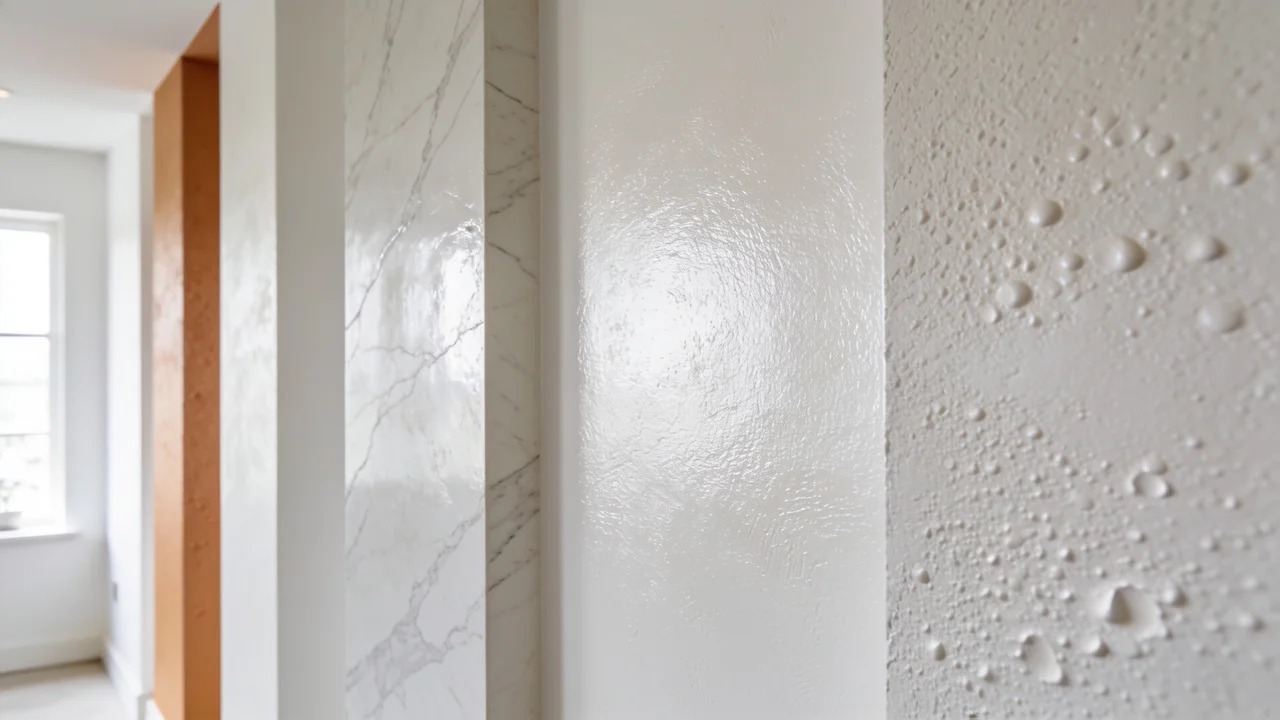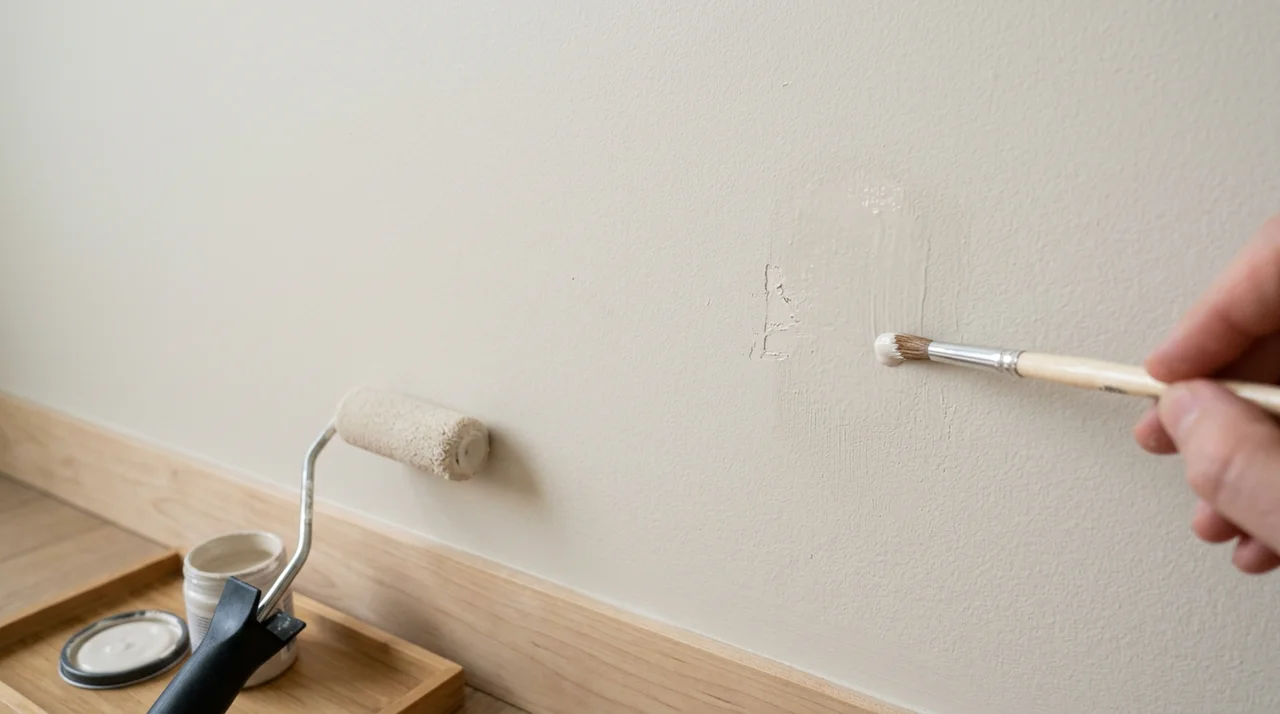


Plain walls can look clean, but they can also show every dent, patch, and uneven area. Knockdown wall texture adds subtle dimension while helping disguise minor surface imperfections.
But “knockdown” is not just one texture. The final appearance depends on how the material is applied, manipulated, and flattened.
Some styles create a soft, understated pattern, while others produce a bold, decorative finish.
In this guide, you will learn what knockdown wall texture is, how the main styles differ, where each works best, and how to apply, repair, and remove the finish.
You will also find practical tips for getting a consistent result.
What Is Knockdown Wall Texture?
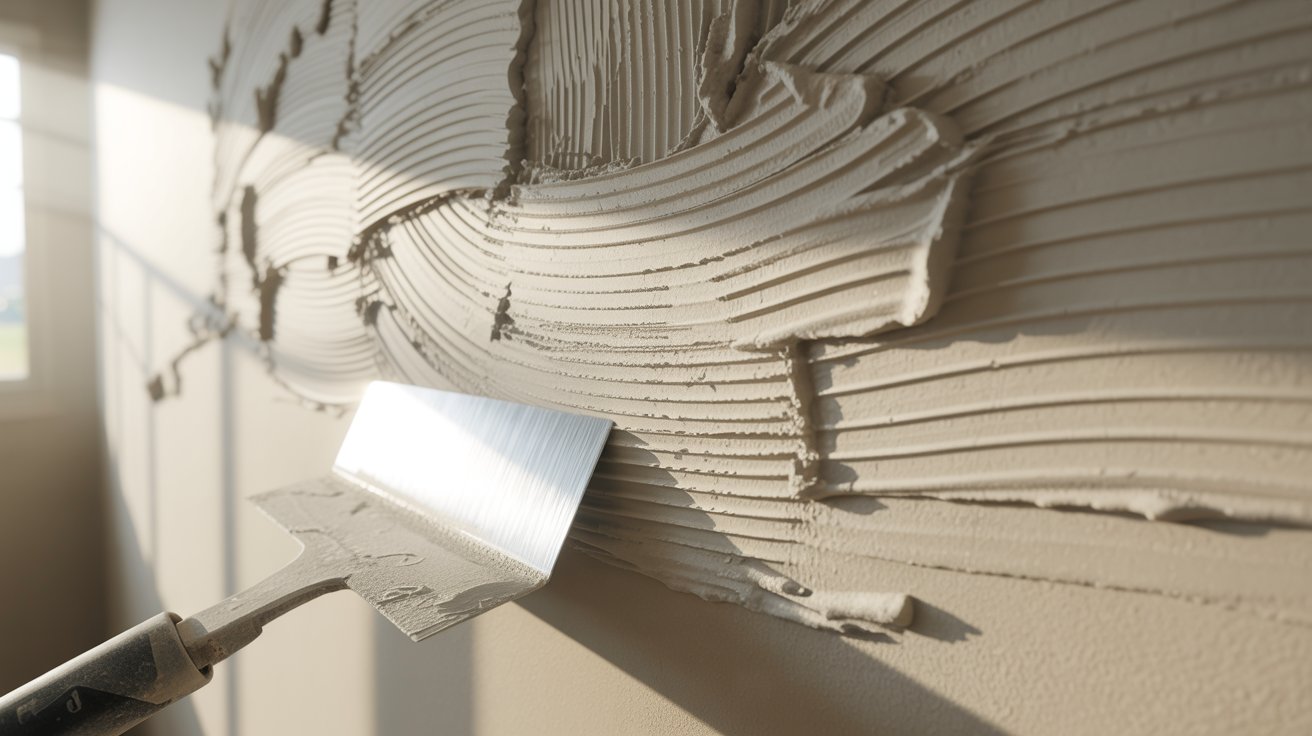
Knockdown wall texture is a textured finish made by applying joint compound, drywall mud, or a suitable texture product to drywall or plaster and then partially flattening the raised material before it fully dries.
The result is a pattern with flattened peaks and shallow ridges rather than the completely smooth surface of traditional drywall.
Depending on the application technique, knockdown can look subtle and refined or more pronounced and rustic.
A common method is to spray or apply small blobs of texture, allow them to firm up slightly, and then drag a wide drywall knife or trowel across the surface.
This “knocks down” the peaks while leaving portions of the original texture visible.
The term Spanish lace is also commonly associated with decorative knockdown finishes, although the two terms are not always interchangeable.
Spanish lace generally refers to a more ornate, lace-like pattern.
17 Knockdown Wall Texture Types
Not every textured finish is technically a knockdown style.
The list below focuses on recognized knockdown finishes and closely related patterns that are commonly used with knockdown techniques.
1. Traditional Splatter Knockdown
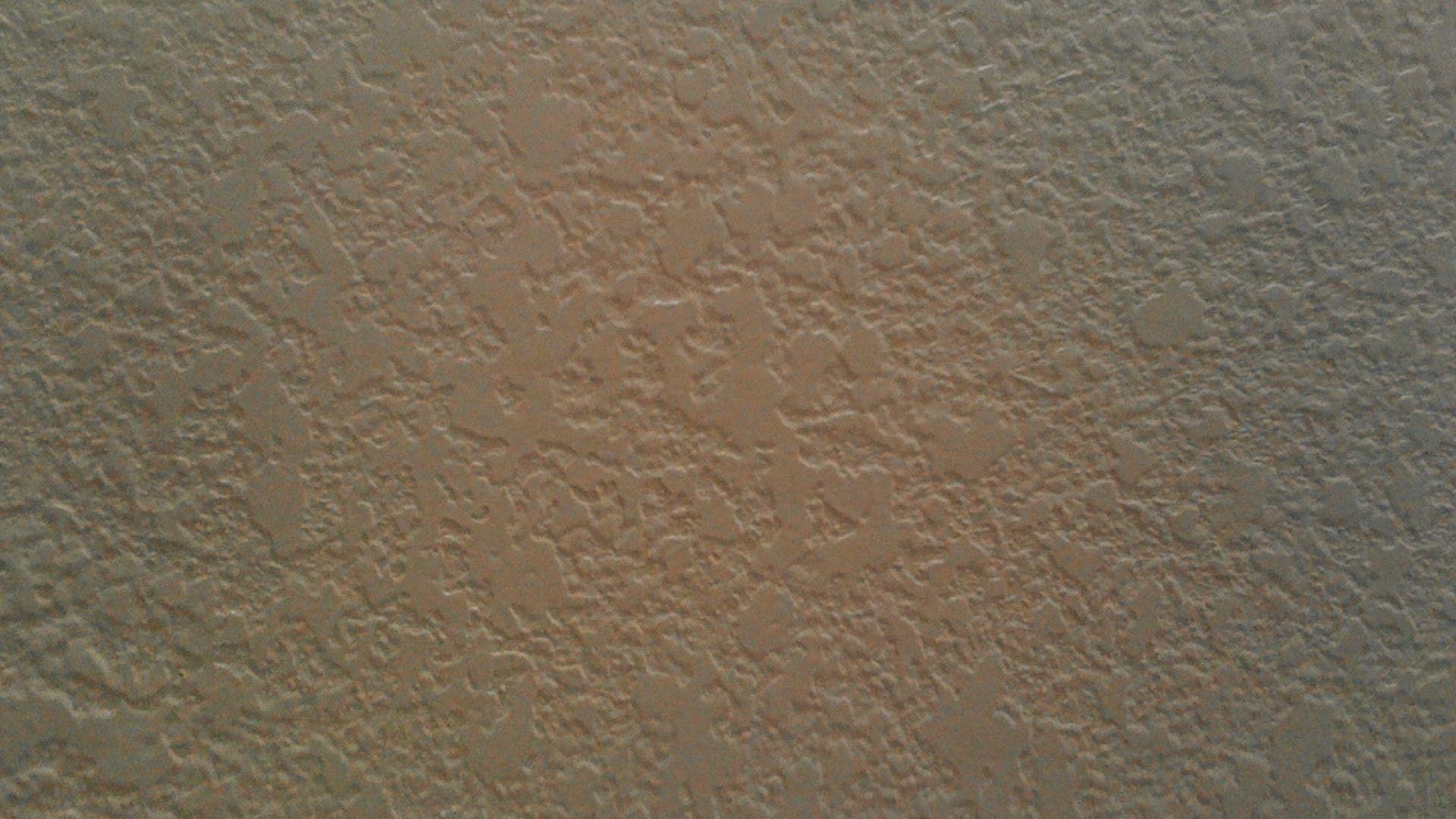
Traditional splatter knockdown is one of the most recognizable versions.
Texture material is sprayed or splattered onto the surface, allowed to set slightly, and then lightly flattened with a knife or trowel.
The finished wall has irregular flattened patches with small areas of the original texture still visible. It is versatile enough for living rooms, bedrooms, hallways, and ceilings.
2. California Knockdown
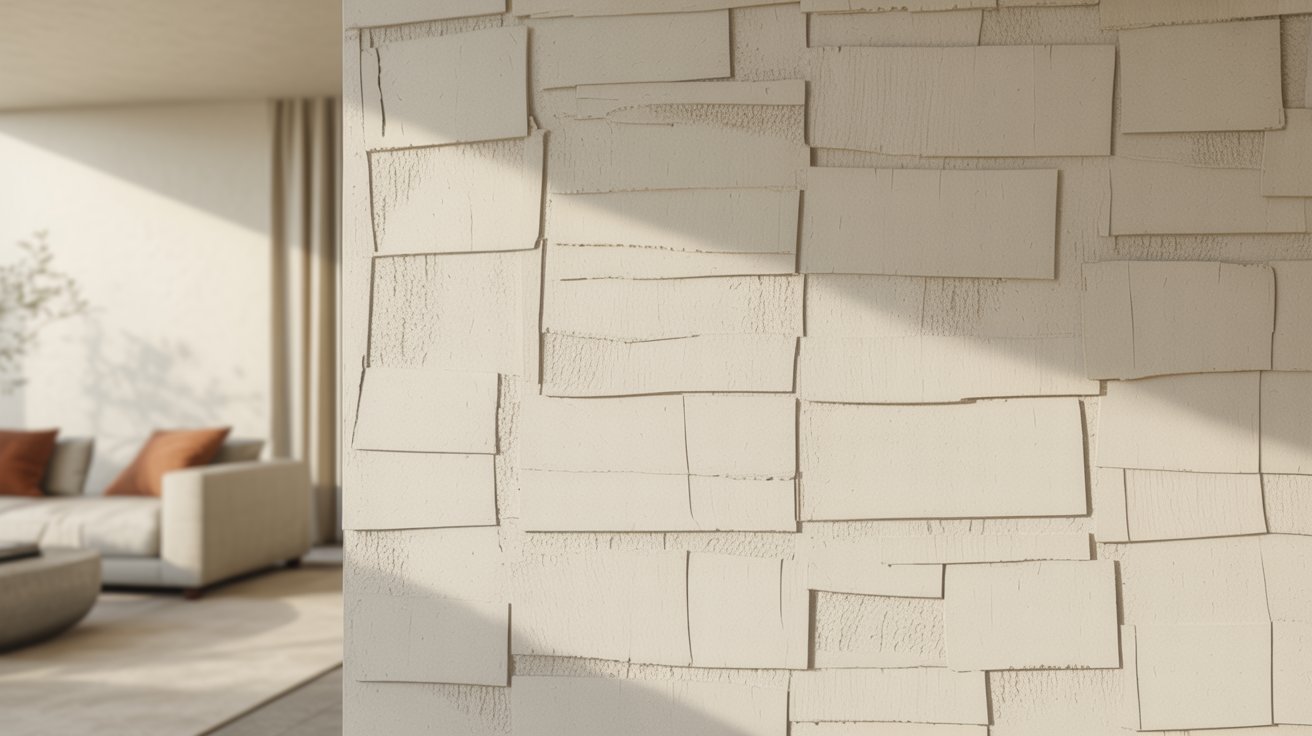
California knockdown creates a relatively low-profile, irregular pattern. The texture is usually applied in small sections and flattened before it becomes completely dry.
Because the pattern is less dramatic than some heavy textures, it works well when you want wall dimension without making the texture the main feature of the room.
3. Spanish Lace

Spanish lace has a more decorative appearance than basic splatter knockdown. The material is manipulated to create overlapping, lace-like shapes before the raised areas are flattened.
It is especially suitable for traditional, Mediterranean, rustic, and Southwestern interiors. The pattern can be adjusted from relatively subtle to highly decorative depending on application.
4. Skip Trowel Knockdown
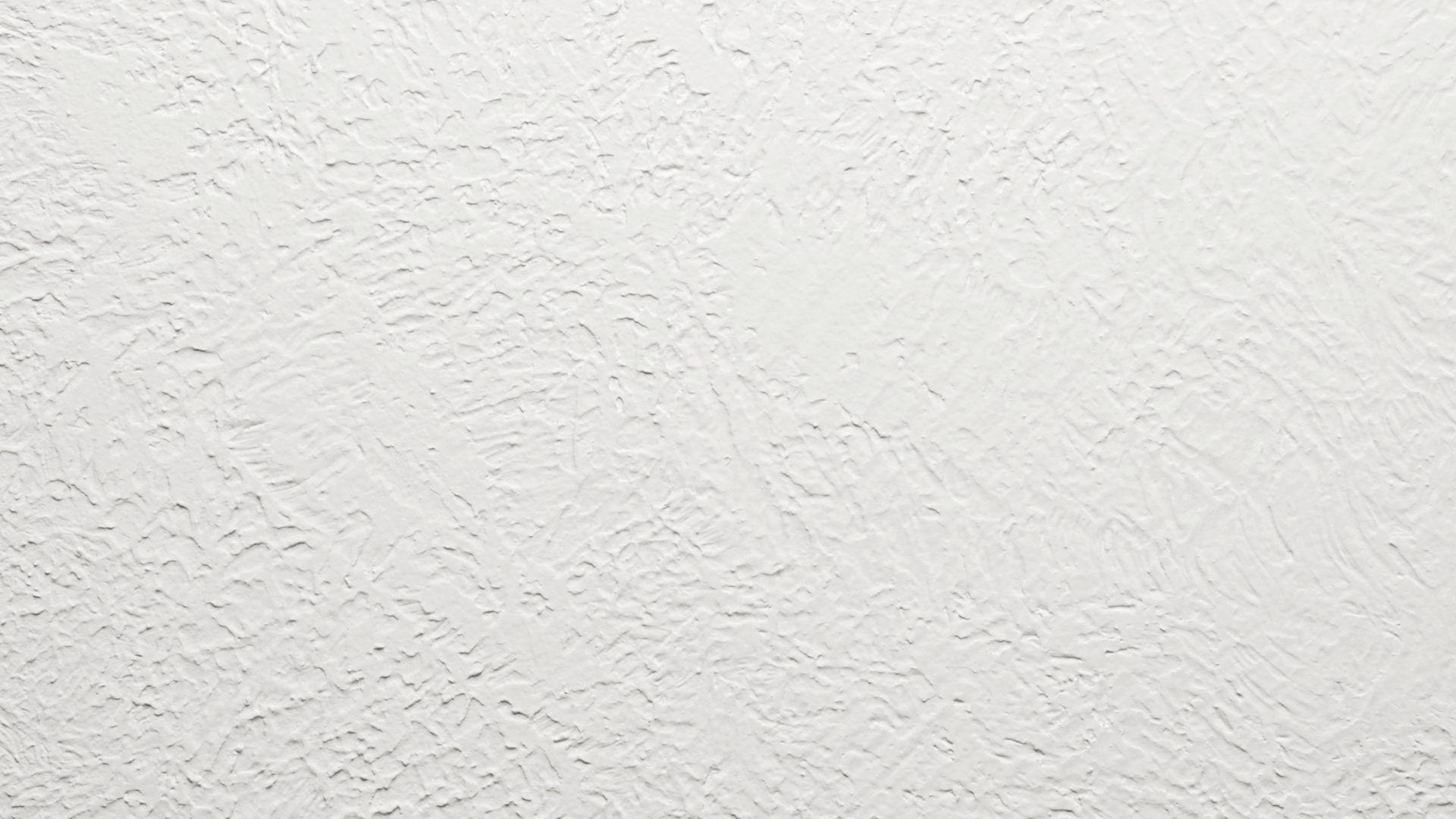
Skip trowel texture is created by holding a trowel at an angle and allowing it to skip across the surface rather than spreading the compound completely flat.
The result is a random pattern containing smooth areas and raised sections. It is particularly effective on accent walls and in rooms where you want a handcrafted appearance.
5. Stomp Knockdown

Stomp knockdown begins with a stomp brush being pressed into wet texture material. The brush creates peaks and irregular shapes, which are then lightly knocked down with a drywall knife.
This technique creates an organic finish with more movement than a basic splatter pattern. It can work well in casual living spaces and on ceilings.
6. Slap Brush Knockdown
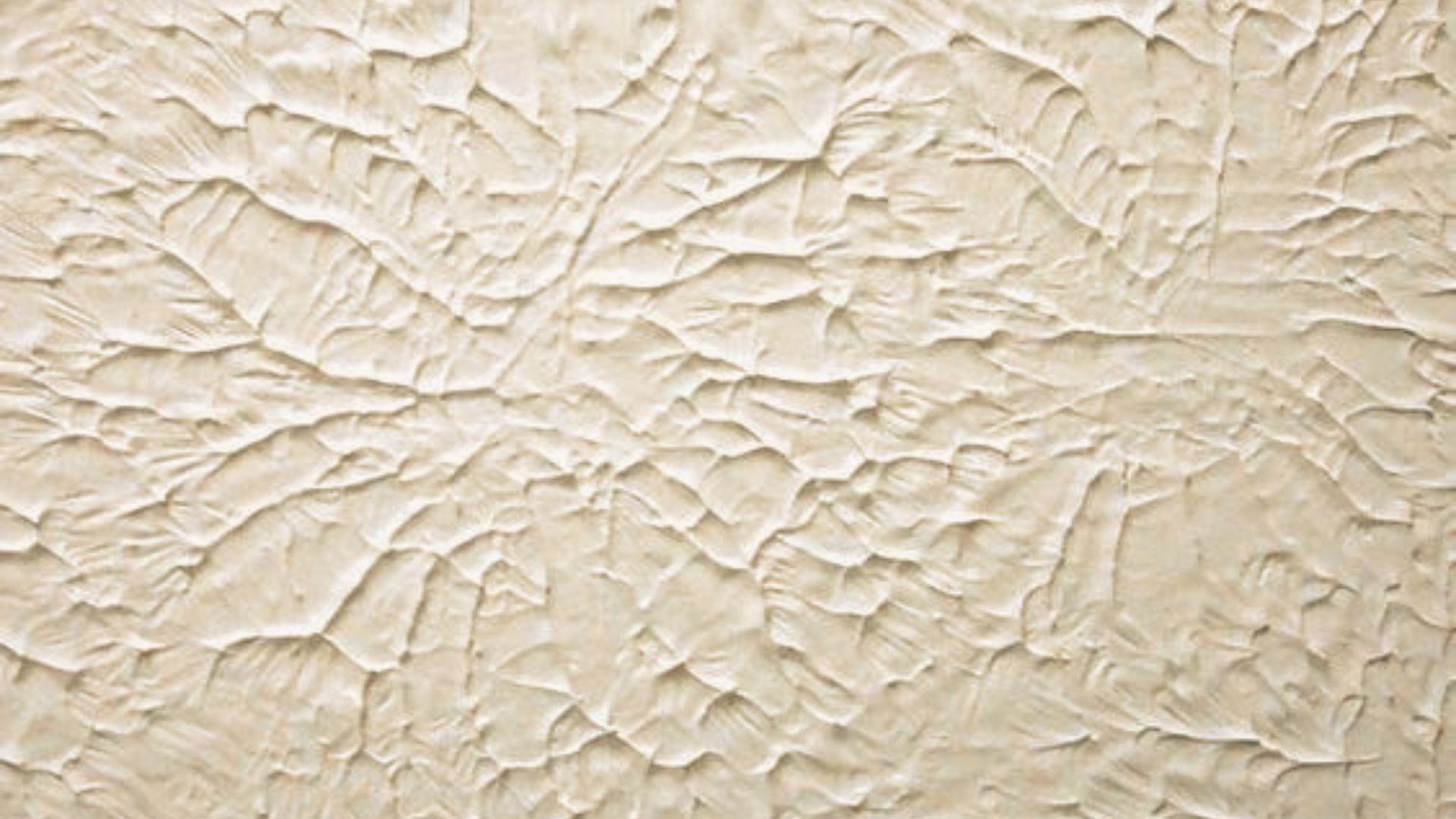
Slap brush knockdown uses a wide texture brush that is pressed or slapped against wet compound. The resulting peaks are flattened once the material reaches the right consistency.
The pattern is irregular and decorative, making it useful when you want more visual character than a fine knockdown finish.
7. Crow's Foot Knockdown
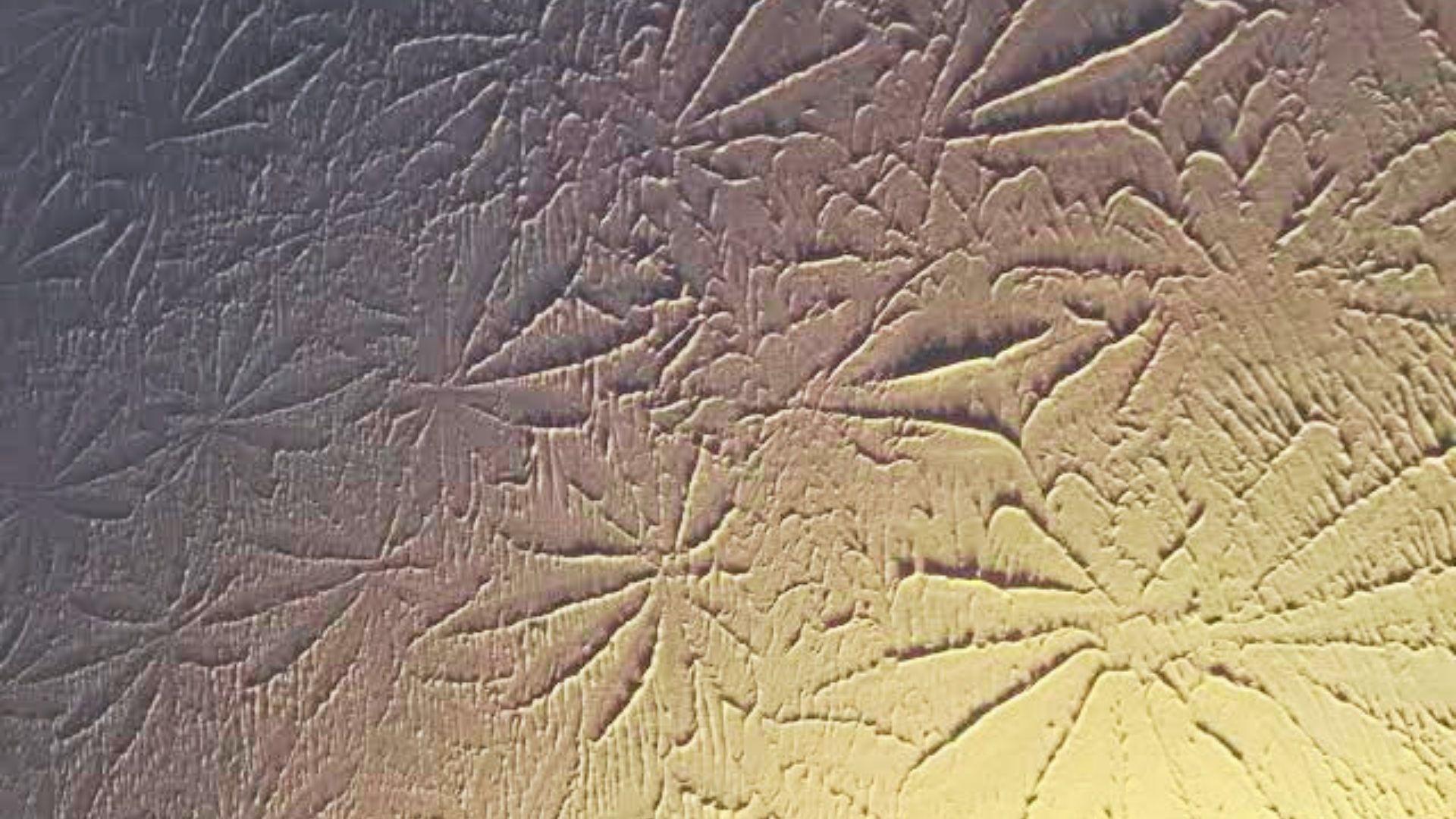
Crow's foot is closely related to slap-brush texture. A specialized brush creates branching marks that resemble the tracks of a crow's foot.
When the peaks are knocked down, the finish becomes softer and less pronounced. It can be used on walls or ceilings where a decorative but informal pattern is desired.
8. Lace Knockdown
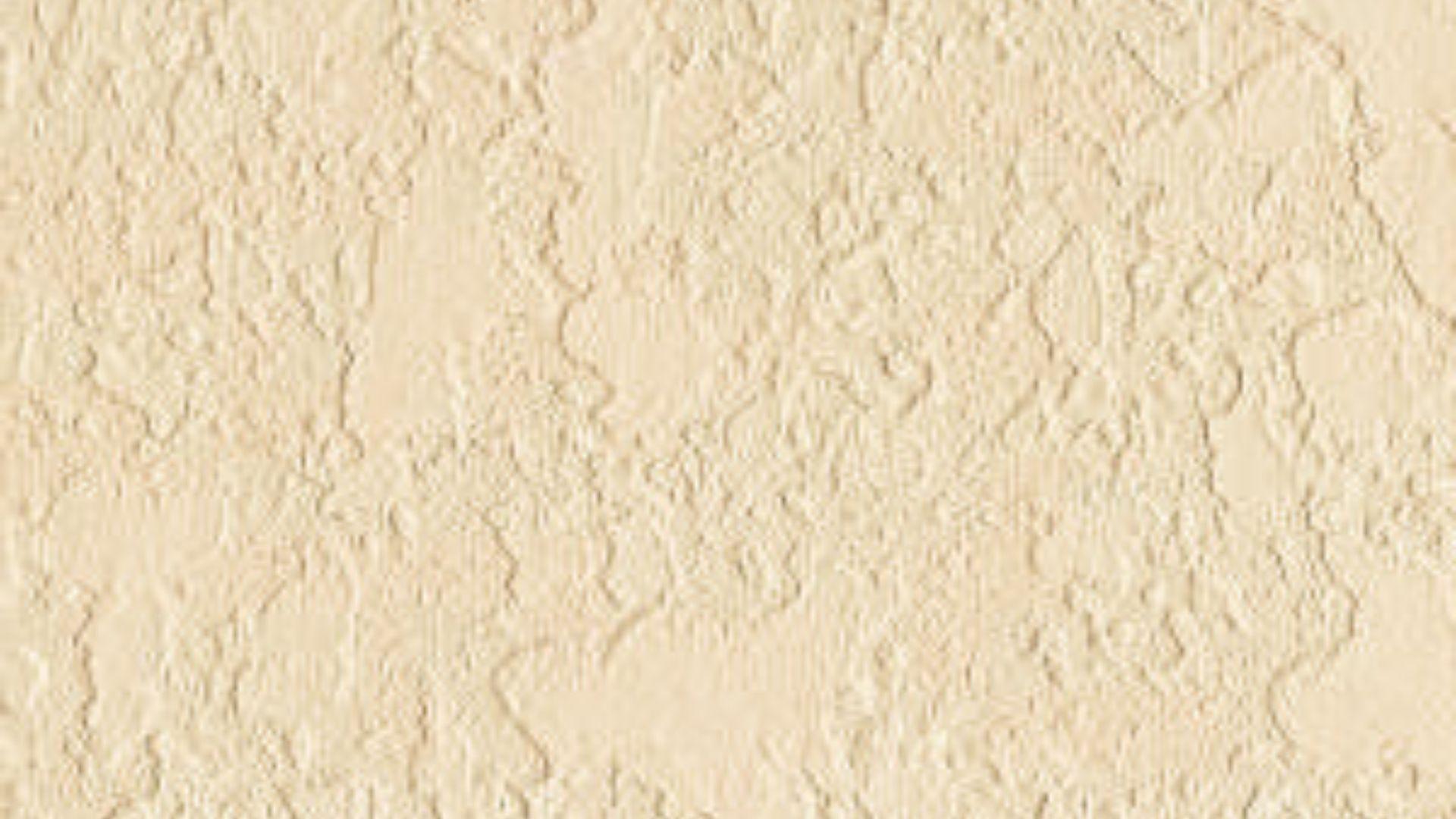
Lace knockdown produces an intricate, overlapping pattern that resembles lace. It generally requires more control than a simple splatter application.
Because of its decorative appearance, lace knockdown can work particularly well in formal rooms, dining areas, and feature walls.
9. Rosebud Knockdown
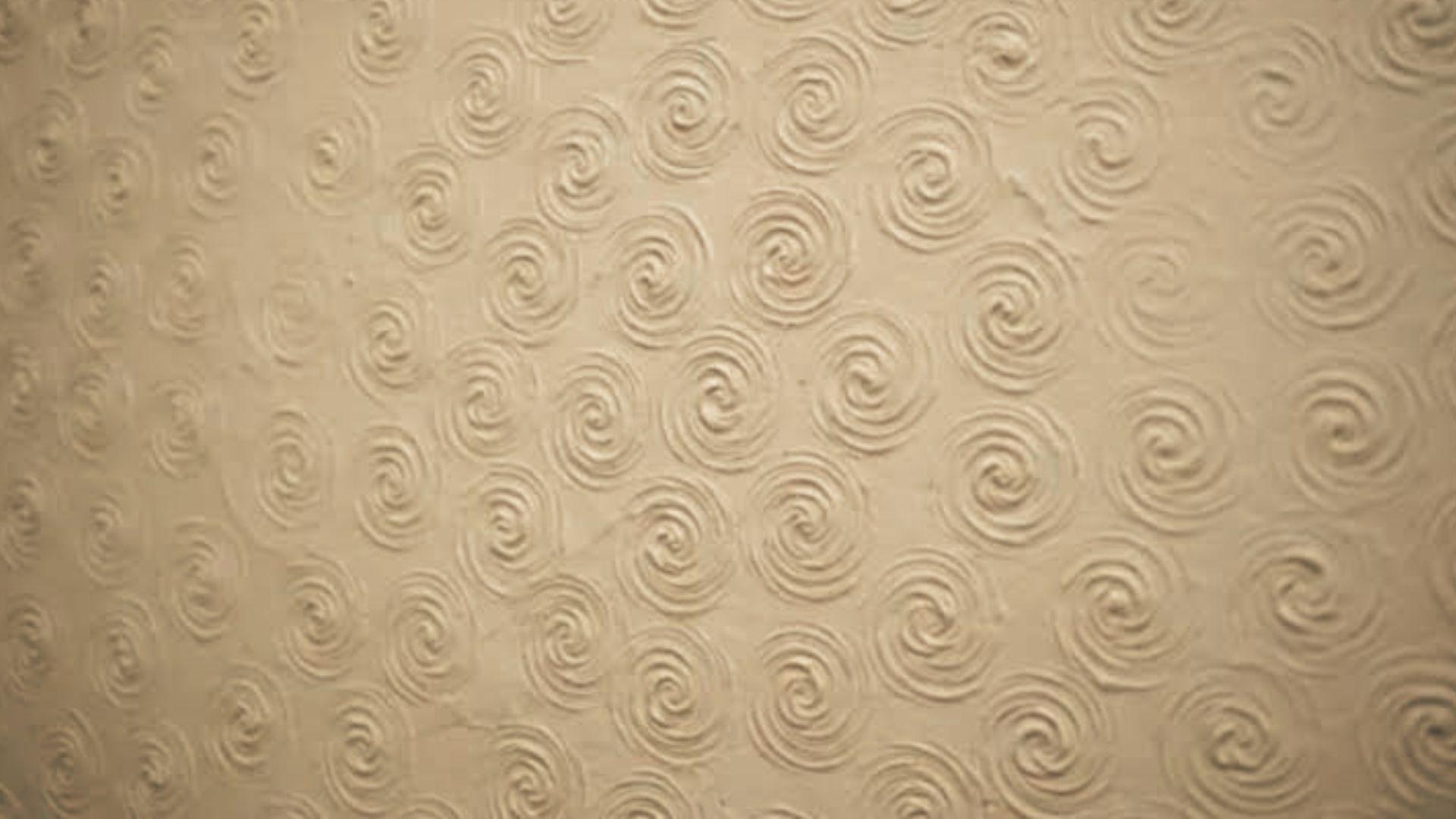
Rosebud texture uses a brush to create rounded, flower-like impressions in the wet material. The peaks can then be lightly flattened to create a softer knockdown appearance.
It produces a decorative finish with a repeating visual pattern and is more noticeable than a fine splatter texture.
10. Swirl Knockdown
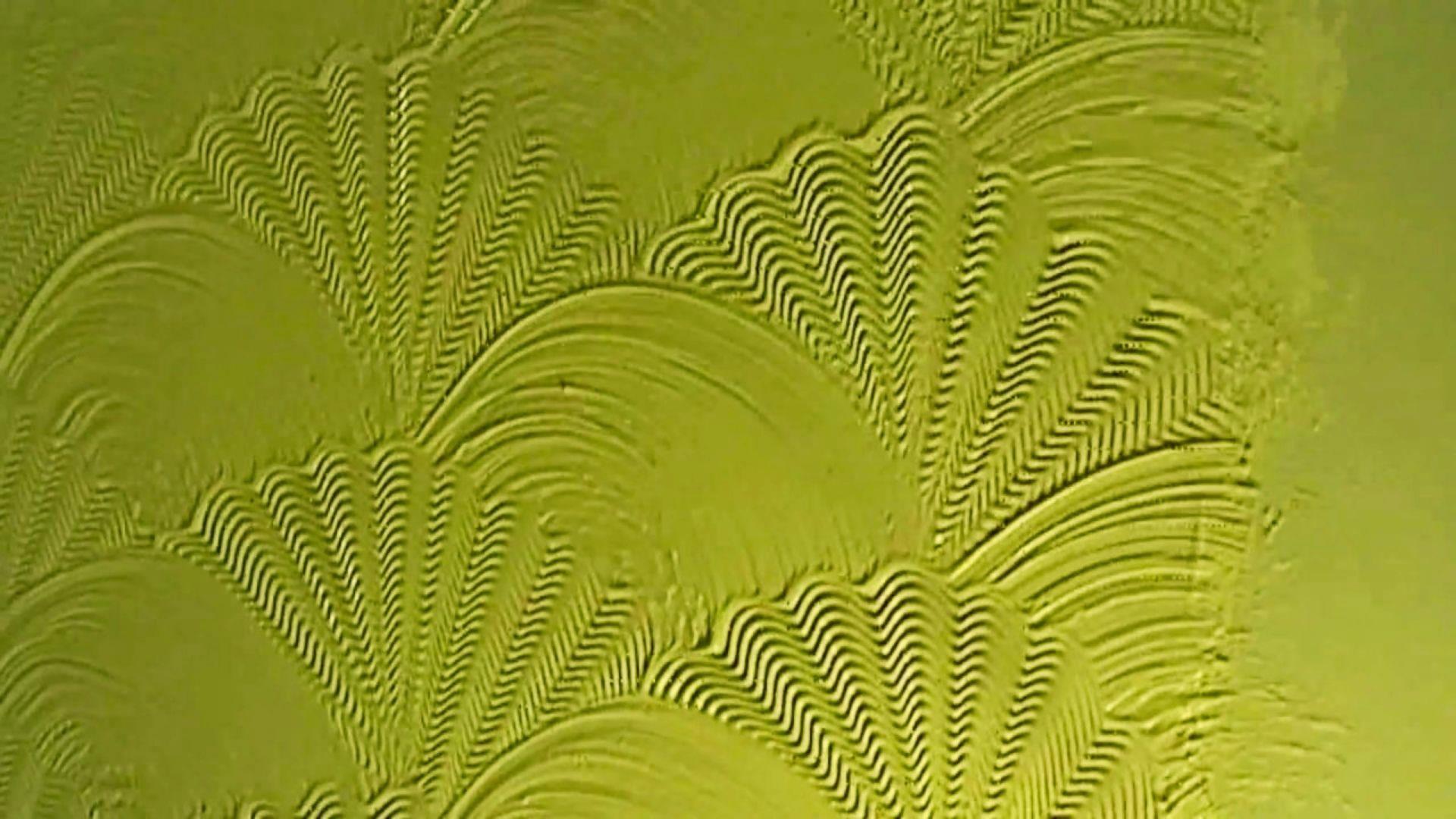
Swirl knockdown incorporates curved or circular movements into the wet texture. A brush or trowel is used to create the swirl pattern before the raised areas are partially flattened.
It is a good choice when you want the texture itself to become a decorative element rather than simply a way to disguise wall imperfections.
11. Sand Swirl Knockdown
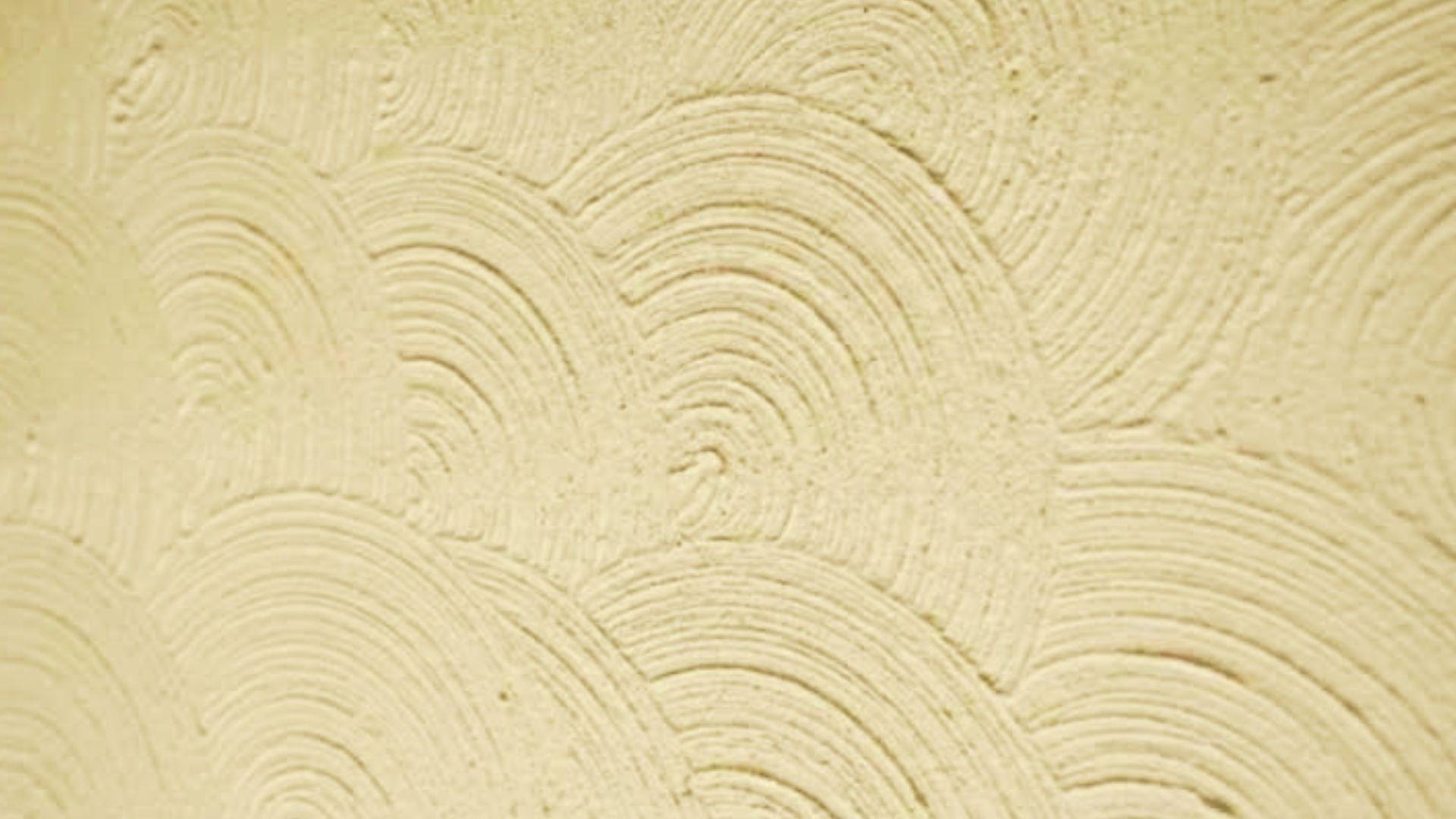
Sand swirl combines a textured, sandy material with curved application marks. The result has both visible movement and a slightly gritty surface.
Because the pattern is more decorative, it is often better suited to selected walls or ceilings rather than every surface in a room.
12. Fine Knockdown
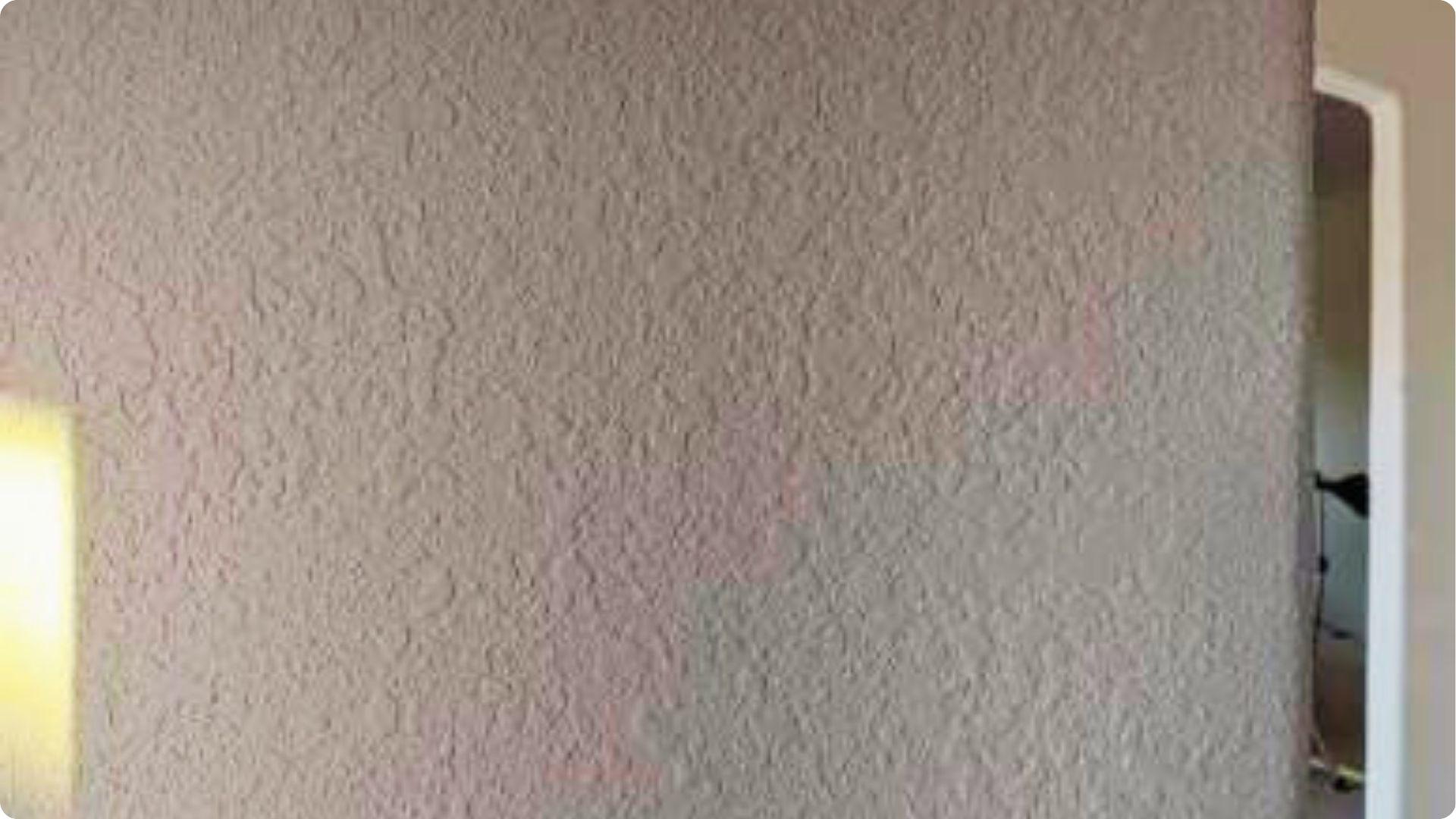
Fine knockdown uses smaller texture deposits and a lighter flattening technique. The finished surface has subtle variation without large raised areas.
This is a useful option for modern or transitional interiors where you want to add dimension while keeping the walls relatively understated.
13. Medium Knockdown
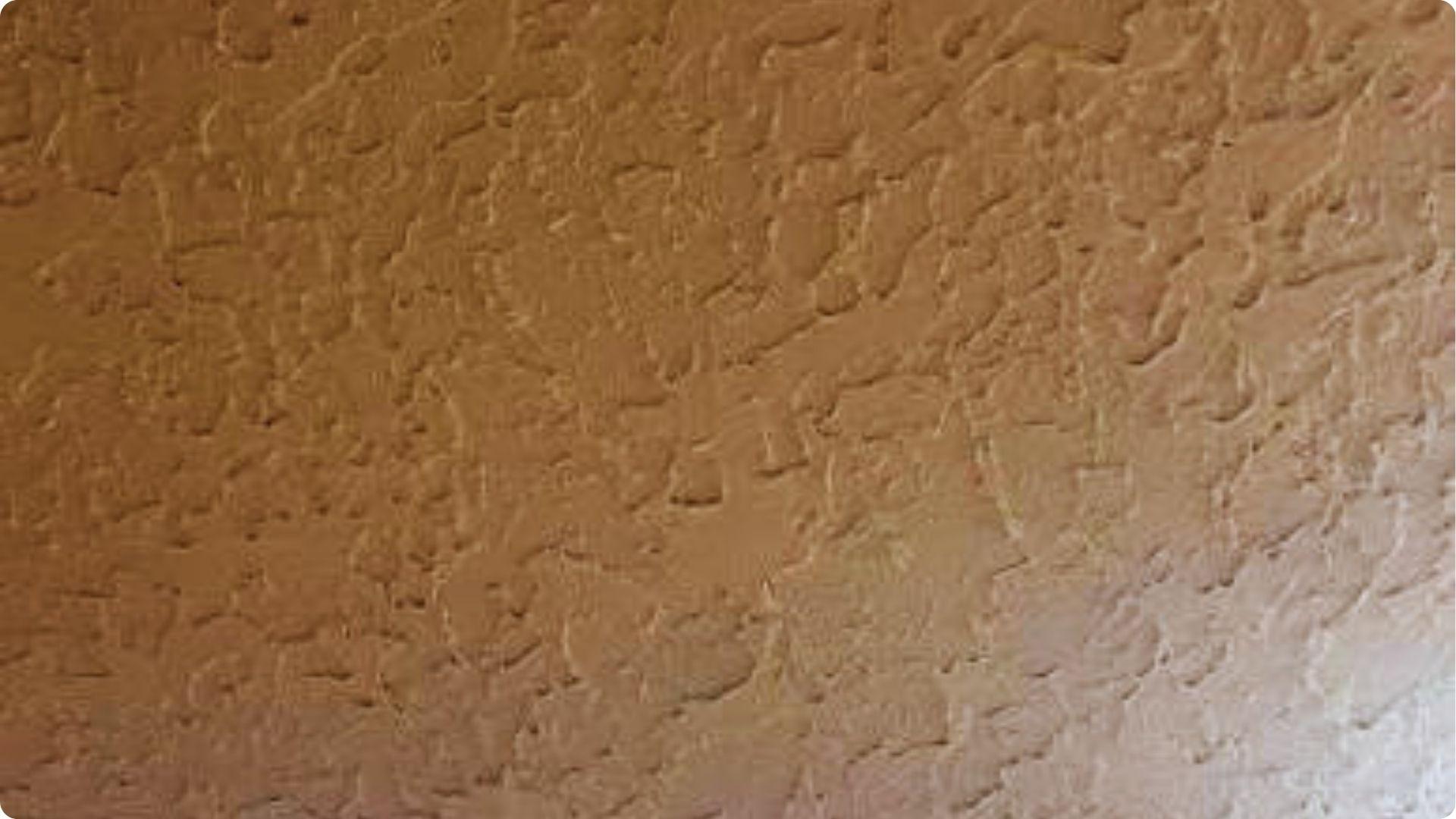
Medium knockdown sits between fine and heavy textures. Its pattern is clearly visible but does not dominate the room.
It is a practical all-purpose option for homeowners who want noticeable texture without the heavier appearance of coarse finishes.
14. Heavy or Coarse Knockdown
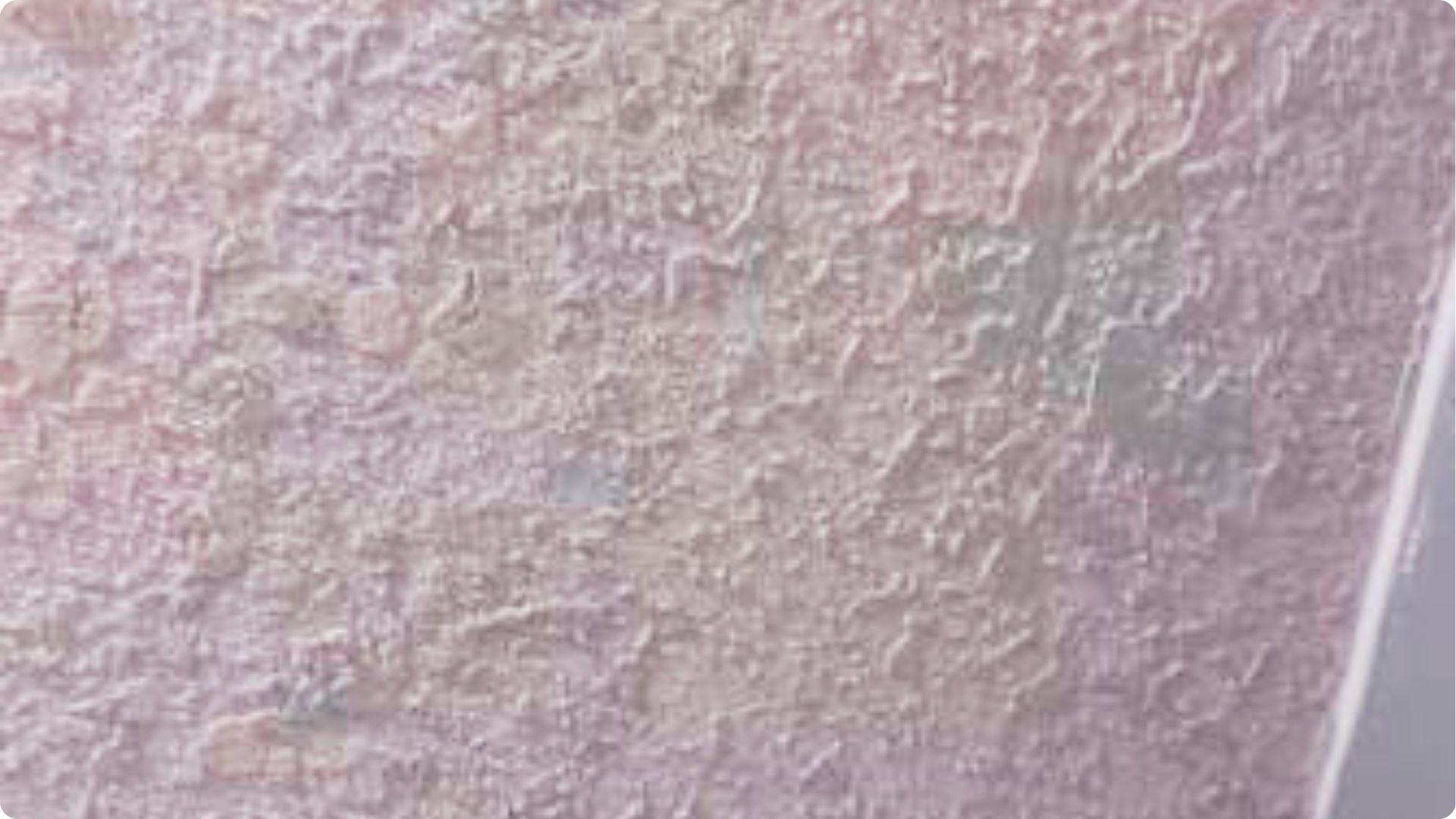
Heavy knockdown uses larger deposits of texture and leaves more pronounced flattened peaks. It creates a stronger visual effect and can hide more noticeable surface variation than a fine finish.
Because it has greater visual weight, it usually works best when the room can support a more substantial wall treatment.
15. Hand-Troweled Knockdown
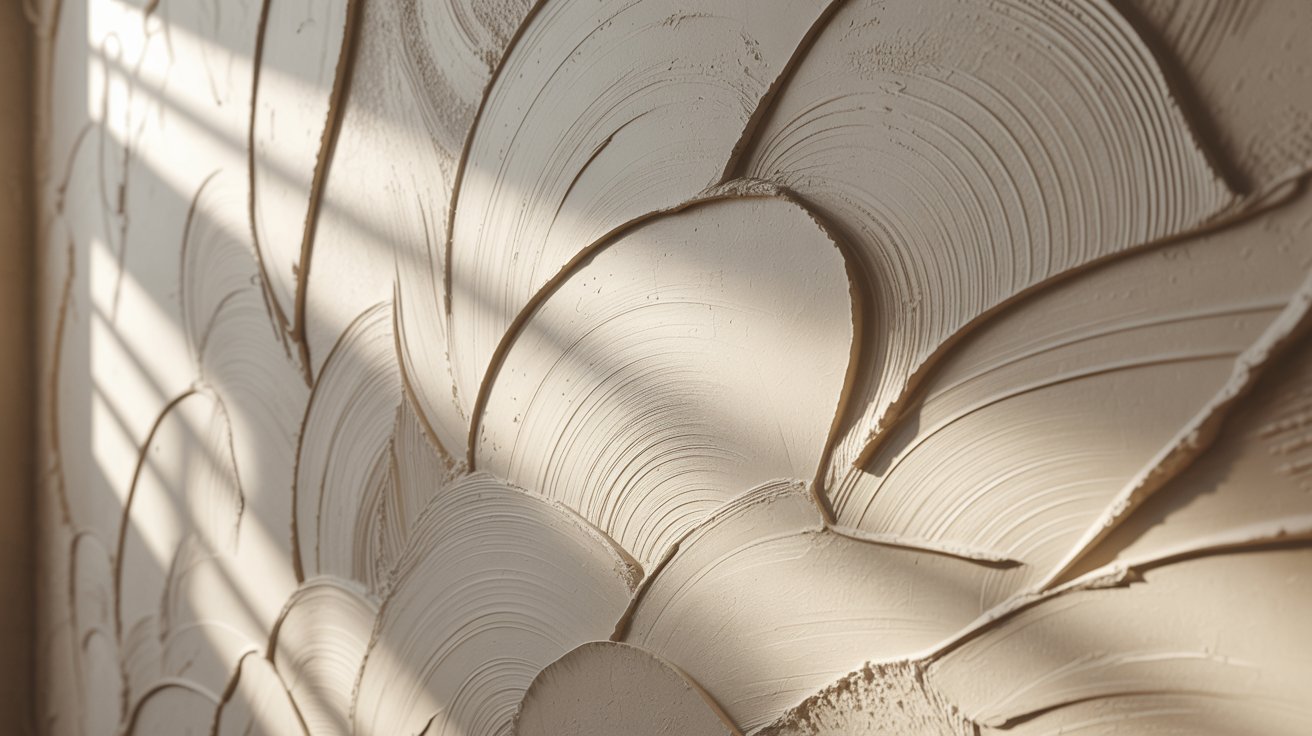
Hand-troweled knockdown is manipulated manually rather than relying entirely on sprayed texture. The applicator controls the pressure, direction, and amount of material with a trowel or knife.
This produces a more handcrafted appearance and allows the pattern to be customized. It can be useful when matching an existing texture during a renovation.
16. Decorative Knockdown
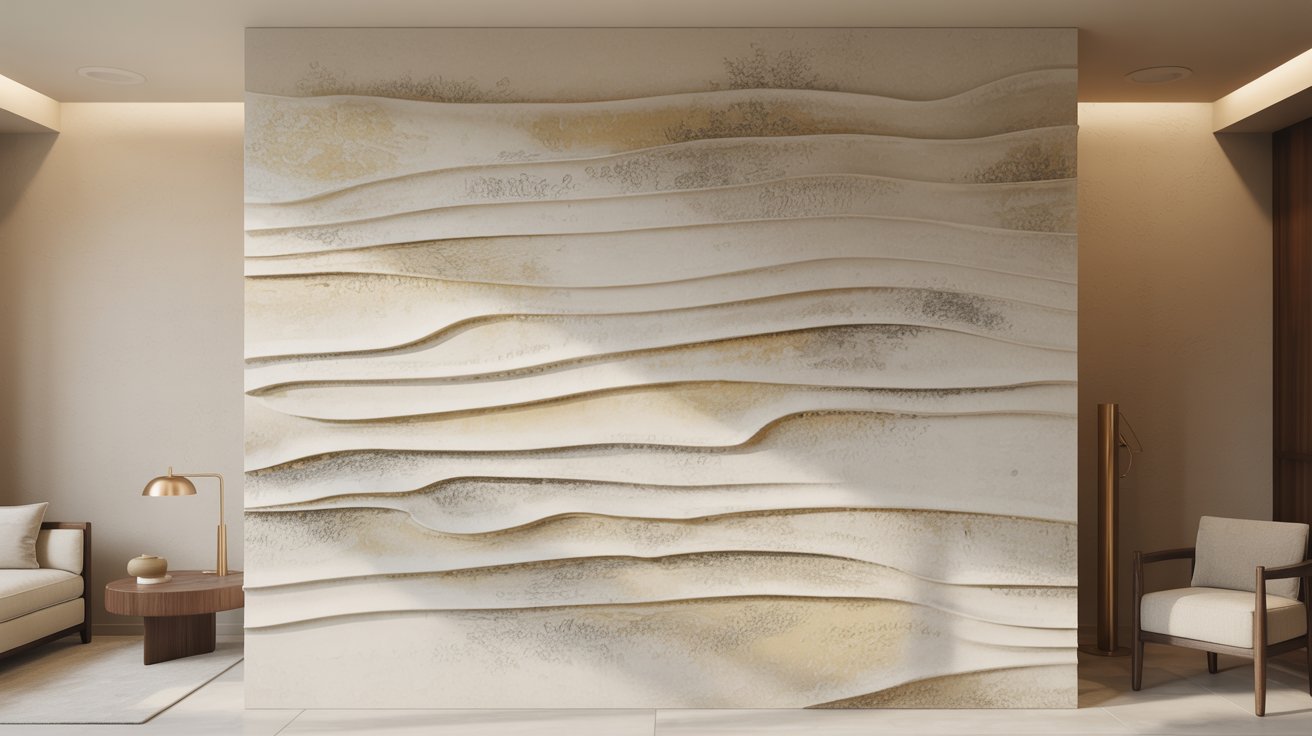
Decorative knockdown refers to finishes where the basic knockdown technique is combined with additional visual effects, such as layered color or deliberate patterning.
Unlike a standard texture designed primarily to disguise imperfections, this approach treats the wall finish as part of the room's overall design.
17. Accent-Wall Knockdown
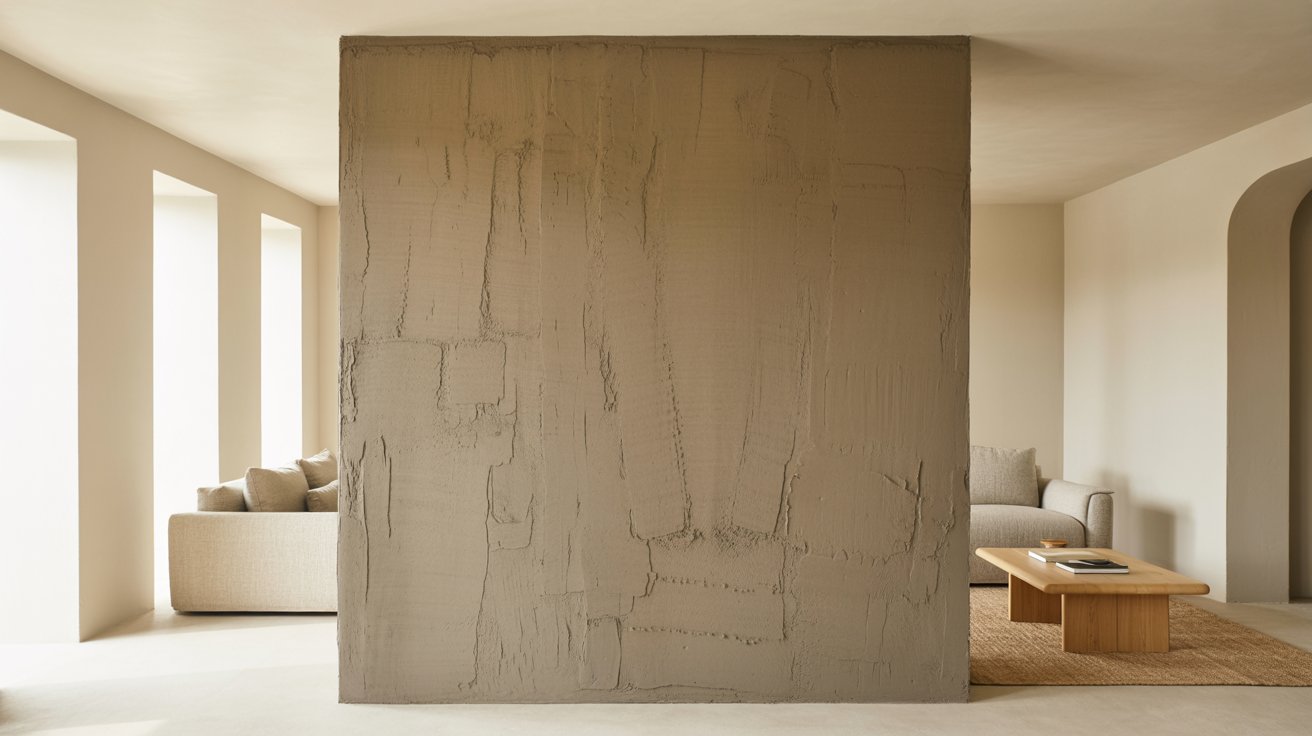
Accent-wall knockdown is not a separate material or application tool. It describes using a knockdown style selectively on one wall instead of throughout the room.
A more pronounced Spanish lace, skip trowel, swirl, or coarse knockdown can create a focal point while the remaining walls stay smooth or lightly textured.
Knockdown Wall Texture Types Compared
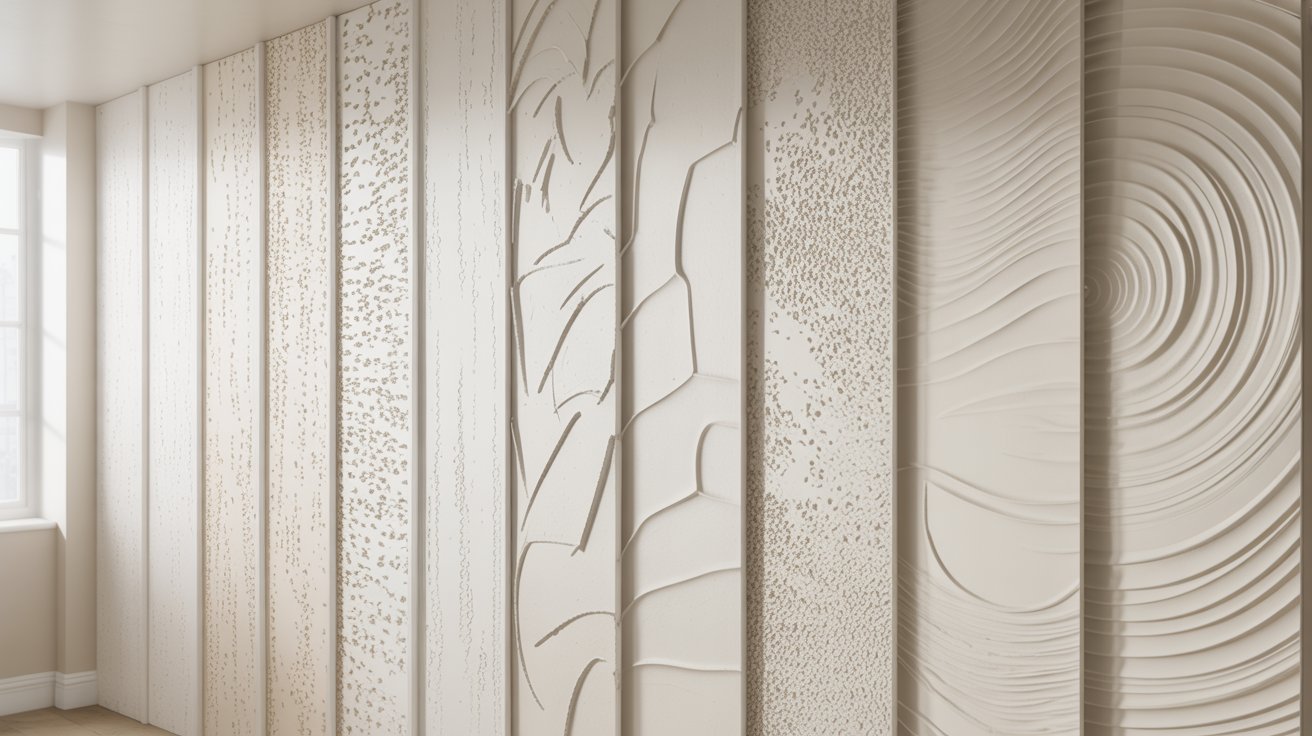
The easiest way to choose a style is to compare its appearance, application approach, and ideal use.
| Texture style | Look | Typical method | Best use |
| Traditional splatter | Irregular, balanced | Spray + knock down | Walls and ceilings |
| California knockdown | Low-profile, subtle | Spray + light flattening | Modern interiors |
| Spanish lace | Ornate, lace-like | Applied pattern + flattening | Traditional rooms |
| Skip trowel | Random, handcrafted | Trowel | Accent walls |
| Stomp | Organic, irregular | Brush + flattening | Walls and ceilings |
| Slap brush | Splattered and decorative | Brush + flattening | Casual spaces |
| Crow's foot | Branching pattern | Specialty brush + flattening | Ceilings and walls |
| Lace | Detailed and layered | Decorative application | Feature areas |
| Rosebud | Rounded, floral marks | Brush + flattening | Decorative walls |
| Swirl | Curved, flowing pattern | Brush/trowel | Accent areas |
| Sand swirl | Gritty with curves | Sanded material + swirl | Decorative surfaces |
| Fine knockdown | Subtle | Fine spray + flattening | Modern rooms |
| Medium knockdown | Moderate texture | Medium spray + flattening | General use |
| Heavy knockdown | Bold, chunky | Heavy application + flattening | Large spaces |
| Hand-troweled | Custom, organic | Trowel | Custom finishes |
| Decorative knockdown | Layered, artistic | Texture + decorative effects | Feature walls |
| Accent-wall knockdown | Focused texture | Any suitable knockdown style | Focal walls |
Note: Orange peel and standard sand texture are related wall-texture finishes, but they should not automatically be classified as knockdown types. Orange peel is primarily defined by its rounded, pebbled surface, while knockdown is defined by flattening raised texture after application.
Where Can You Use Knockdown Wall Texture?
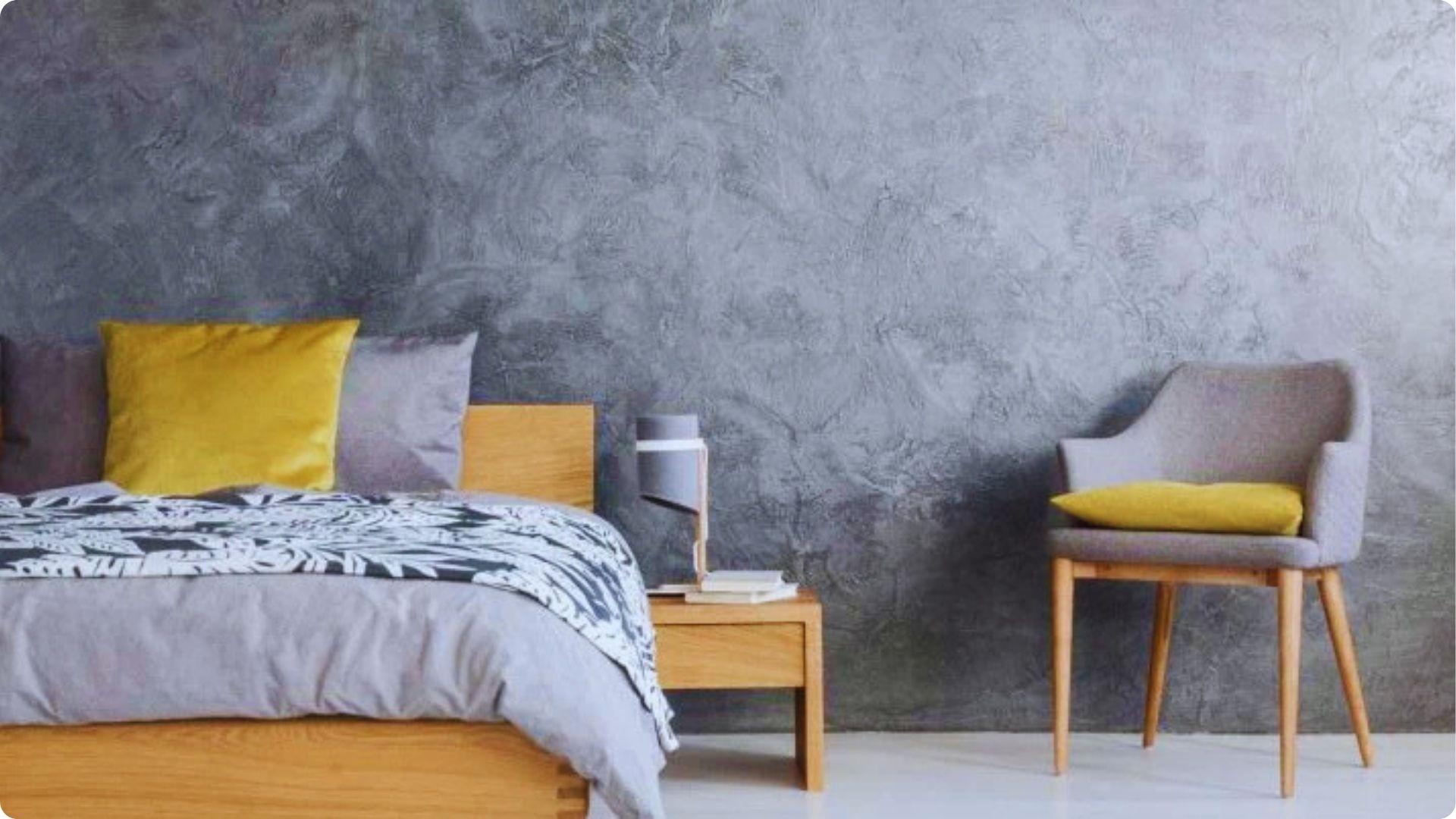
Knockdown texture can be used on many interior surfaces, but the best style depends on the room, existing wall condition, moisture level, and desired appearance.
Living Rooms and Bedrooms
Fine, medium, Spanish lace, and skip trowel finishes can add depth without requiring wallpaper or other decorative treatments.
A subtle texture works particularly well when you want the walls to complement rather than compete with furniture and artwork.
Hallways and Stairwells
These areas can benefit from texture because minor dents and patched areas may be less noticeable on a textured surface.
Choose a finish that matches the surrounding rooms so the transition does not look abrupt.
Ceilings
Knockdown texture is commonly used on ceilings to create visual interest and disguise minor surface irregularities.
Fine or medium patterns are usually easier to keep visually balanced than very heavy textures.
Basements and Uneven Walls
Texture can help make minor surface variations less noticeable, but it should not be used to hide serious moisture damage, active leaks, structural movement, or badly damaged drywall.
Those problems should be corrected before texturing.
Accent Walls
A decorative or heavier knockdown pattern can turn one wall into a focal point.
This is a useful approach when you like textured finishes but do not want them throughout the entire room.
How to Apply Knockdown Wall Texture
The application process varies by texture style, but the basic sequence stays similar.
Step 1: Prepare the Surface
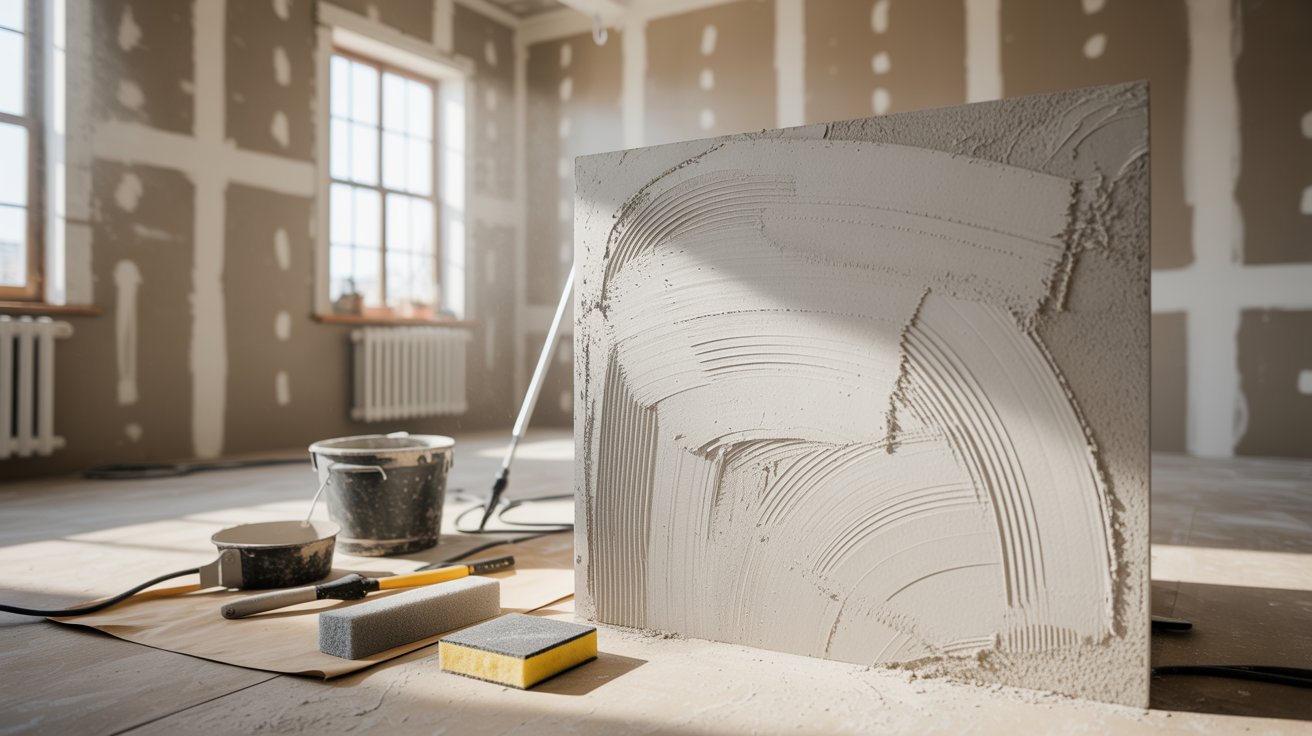
Remove loose material and clean the wall. Repair holes, cracks, and damaged drywall, then sand rough repairs until the surface is reasonably even.
Prime the repaired or bare areas as needed. Allow the surface to dry before applying texture.
Step 2: Choose and Prepare the Texture Material
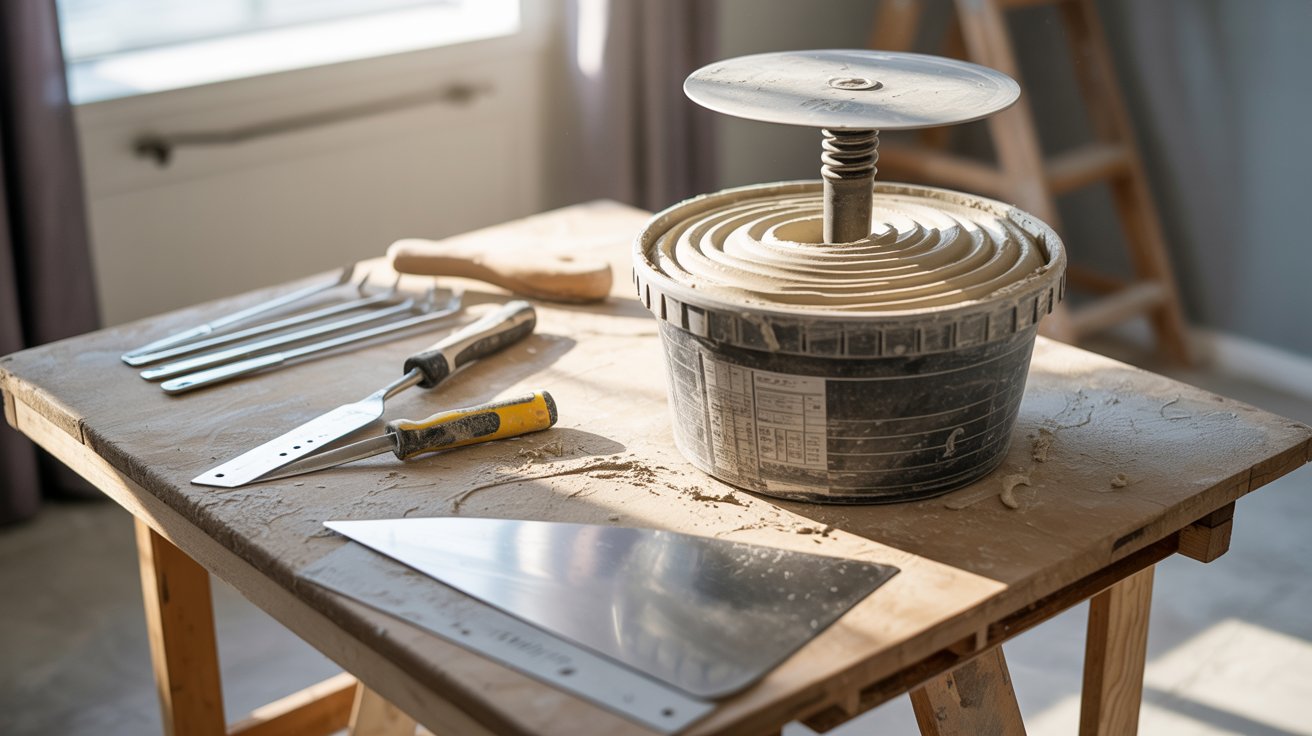
Select a premixed texture or properly prepared joint compound that suits the application method.
Adjust the consistency according to the product instructions and the texture you want.
A mixture that is too thick may produce heavy, uneven deposits, while one that is too thin may run or create a weak texture.
Step 3: Apply the Texture
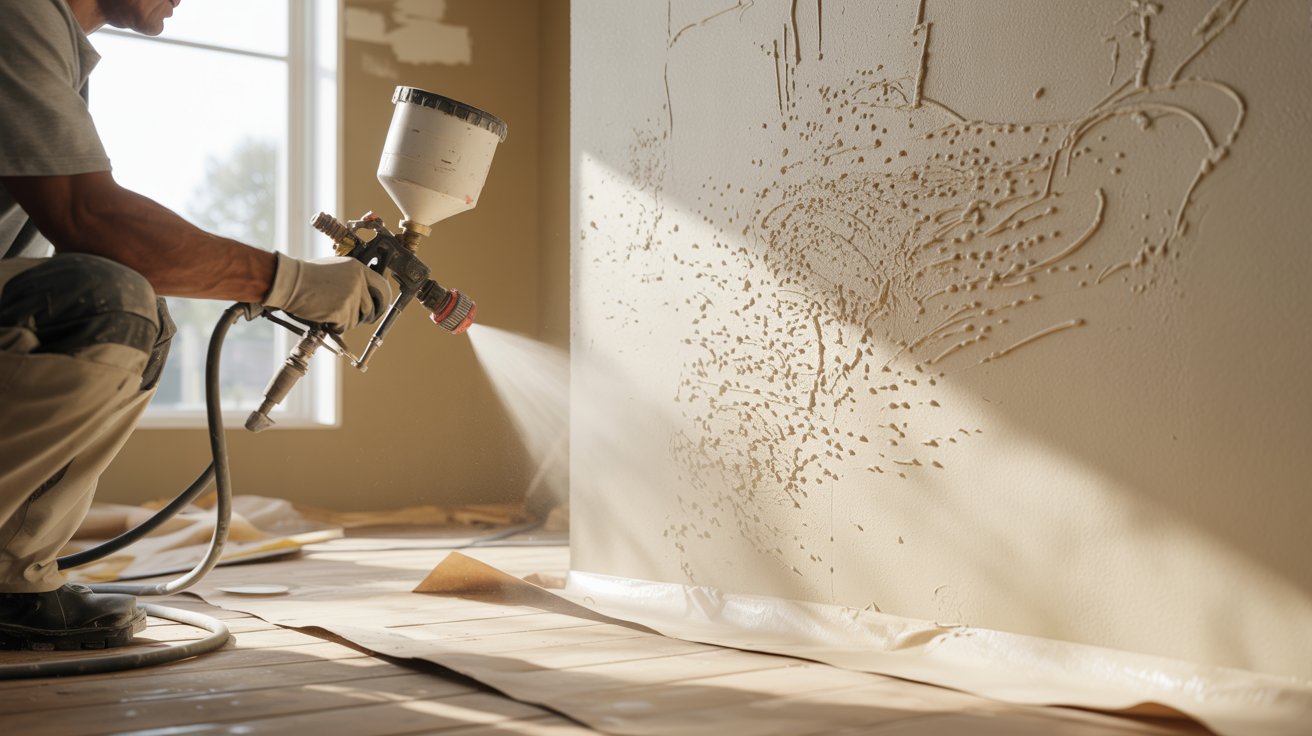
Apply the material with the method appropriate for your chosen style.
A hopper or texture sprayer works well for splatter patterns, while a trowel or brush is better for hand-applied designs.
Work in manageable sections so the material does not become too dry before you can knock it down.
Step 4: Knock Down the Peaks
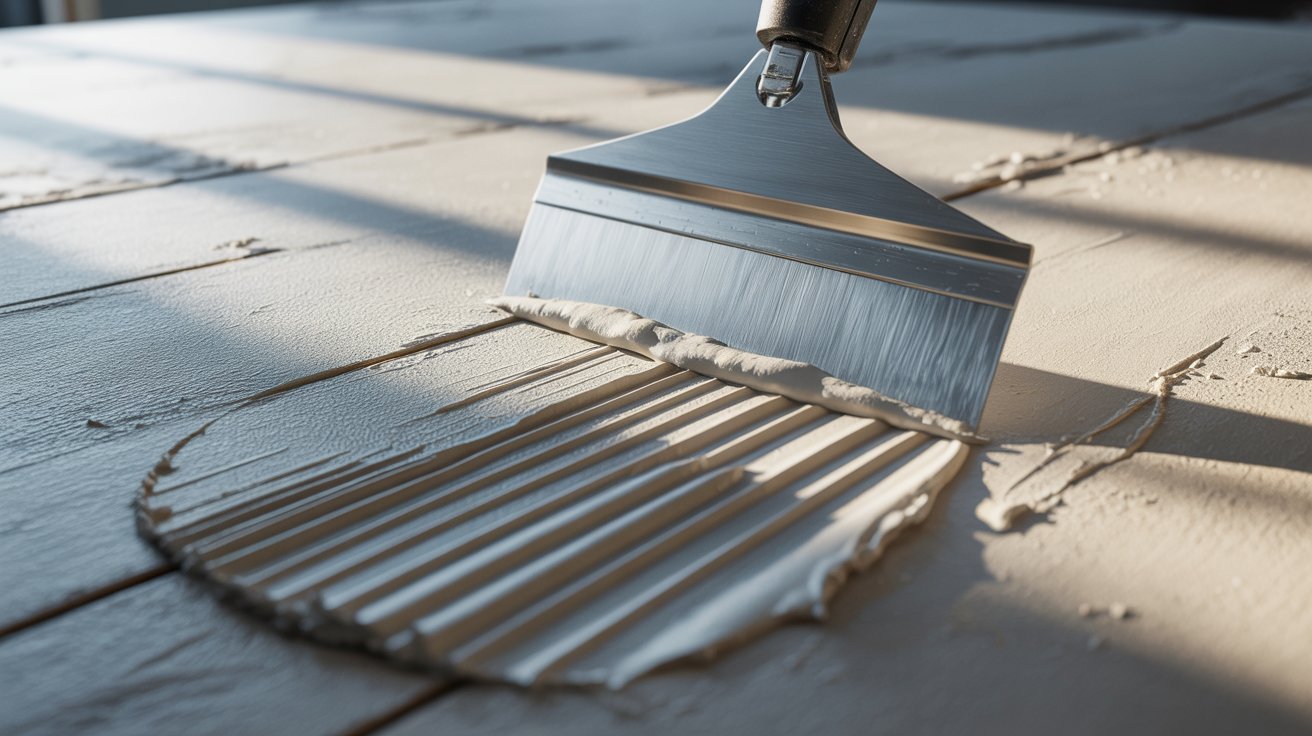
Allow the texture to firm up slightly. It should no longer look extremely wet, but it should still be soft enough to flatten.
Hold a clean, wide drywall knife or trowel at a shallow angle and lightly drag it across the peaks.
Avoid pressing too hard, because excessive pressure can smear the pattern instead of flattening it.
Step 5: Dry and Finish
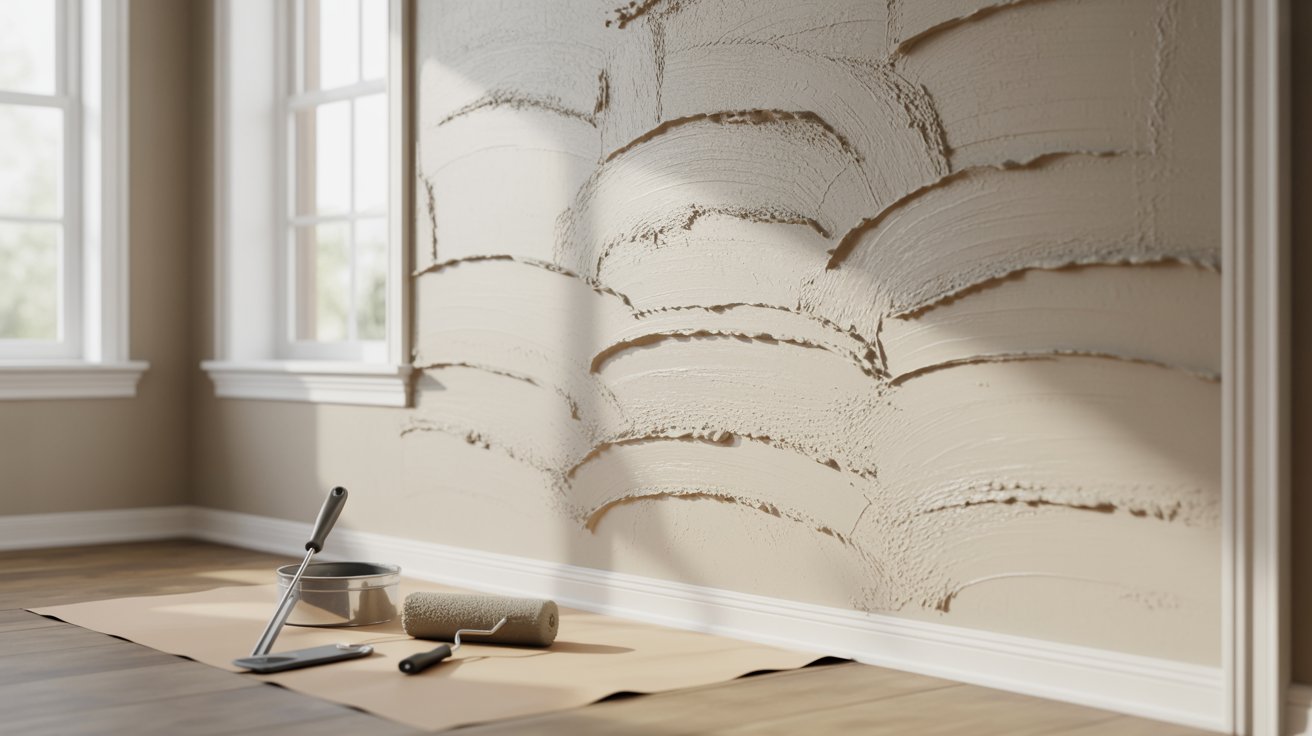
Let the texture dry completely according to the product instructions. Drying time varies with the material, thickness, temperature, humidity, and ventilation.
Once fully dry, inspect the surface and lightly smooth any unwanted sharp edges. Prime or paint according to the texture product's requirements.
Tips for Getting a Consistent Knockdown Texture
- Practice the exact application and knockdown timing on scrap drywall before starting the main wall.
- Keep the material consistency consistent throughout the project.
- Work in manageable sections so one area does not dry much faster than another.
- Use the same pressure and angle when dragging the knife across each section.
- Keep a clean edge on the drywall knife or trowel to prevent unwanted lines.
- Avoid repeatedly working the same area once the texture begins to set.
- For a large project, have one person apply the texture while another follows behind to knock it down.
- When matching an existing texture, copy the pattern size, density, and knockdown depth rather than simply trying to match the color.
- Always follow the texture product's instructions for mixing, drying, priming, painting, and recommended use.
Conclusion
Knockdown wall texture offers more variety than a single splattered finish.
From subtle fine knockdown and California styles to decorative Spanish lace, skip trowel, swirl, and hand-troweled patterns, you can choose a finish based on the look, application method, and room.
For the best result, prepare the wall properly, keep your application consistent, and practice the knockdown timing before tackling a large area.
If an existing texture is damaged, matching its pattern is just as important as matching the paint.
Whether you are refreshing a bedroom, finishing a ceiling, creating an accent wall, or repairing an older surface, choosing the right knockdown style can give the wall a more finished appearance while helping disguise minor imperfections.
Frequently Asked Questions
Can you apply knockdown texture over existing paint?
Yes, provided the existing paint is sound and properly prepared. Clean the surface, remove loose or peeling paint, lightly abrade glossy areas when appropriate, and follow the texture manufacturer's preparation requirements.
How long does knockdown texture last on walls?
A properly installed and maintained knockdown finish can last for many years. Its lifespan depends on the underlying wall, texture material, paint system, moisture exposure, and physical wear.
Is knockdown texture a good choice for rental properties?
It can be practical because texture can make minor dents and surface imperfections less noticeable. However, heavily textured walls can be more difficult to clean and repair invisibly, so a moderate texture may be easier to maintain.
Does knockdown texture work in humid areas like bathrooms?
It can, but moisture management is important. Use products appropriate for the location, ensure adequate ventilation, and follow the manufacturer's recommendations for priming and painting. Do not use texture to cover active moisture problems.
Is knockdown texture the same as orange peel texture?
No. Orange peel has a rounded, pebbled appearance that resembles citrus skin. Knockdown texture has raised material that is partially flattened after application. The two finishes can look similar at a distance, but their application and final patterns differ.
Can you paint over knockdown wall texture?
Yes. Once the texture has dried and been properly prepared, it can generally be painted with a suitable interior coating. Use a roller with a nap appropriate for the depth of the texture to help cover the surface evenly.