
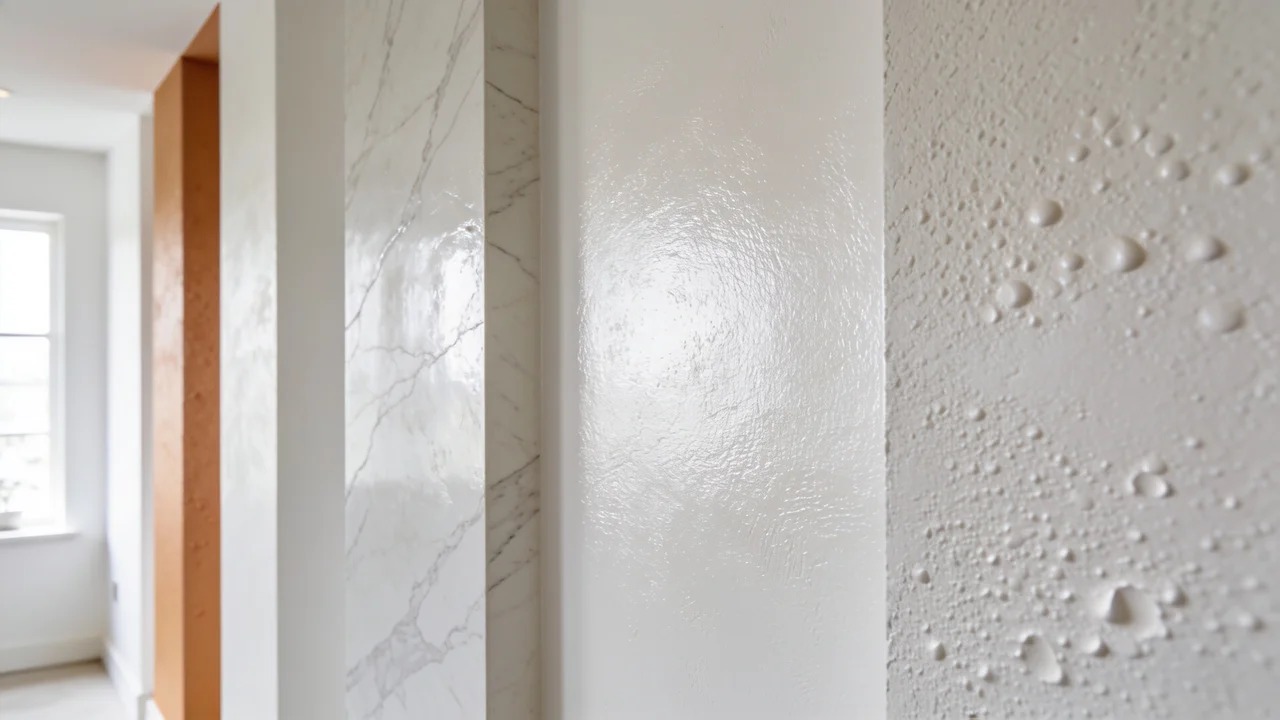
Choosing the right wall finish can be tricky when you want walls that look smooth without feeling completely plain. The right surface should suit your room, hide small flaws, and work well with your lighting and paint.
This guide to 9 smooth wall texture types explains what each finish looks like, where it works best, and how much skill it may require.
You will also learn how wall condition, room size, repairs, and lighting can affect your choice. From Level 5 finishes and skim coats to softer textured options, each type has its own strengths.
A good finish starts with proper wall preparation, so taking time before application can make a noticeable difference.
Smooth Wall Texture Types: What to Know First
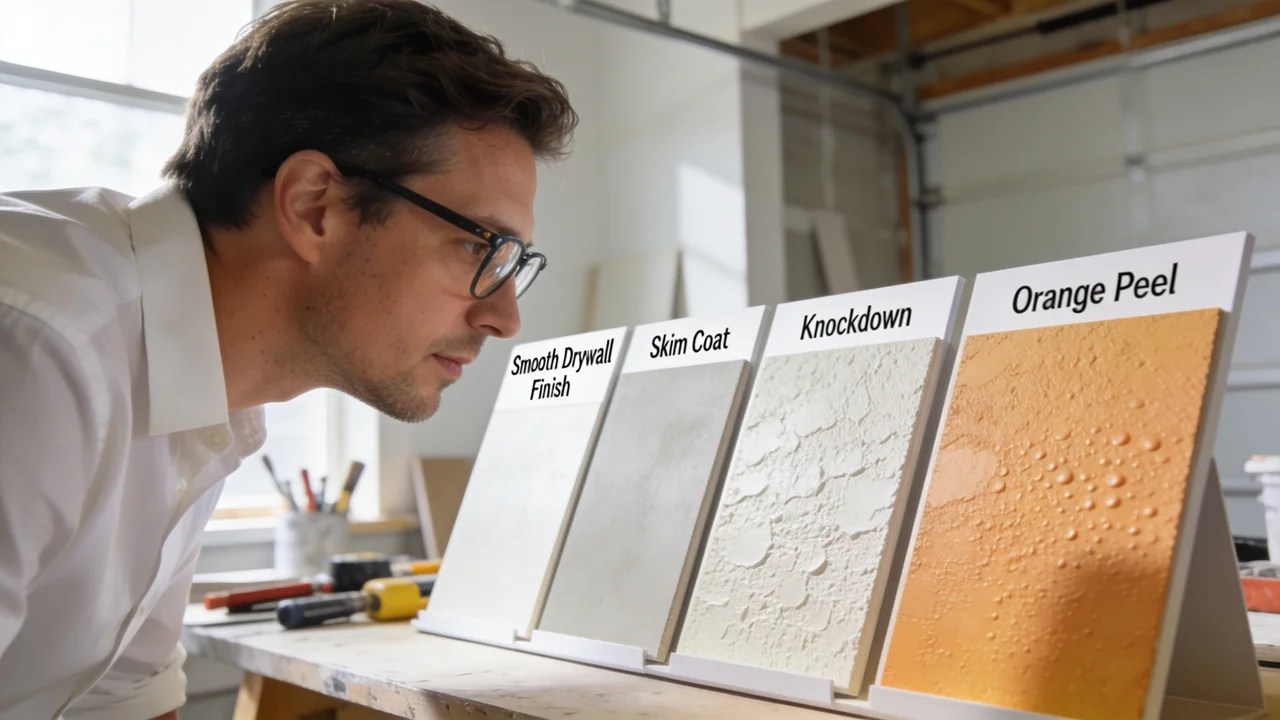
Smooth wall textures range from nearly flat finishes to lightly patterned surfaces that keep walls soft and easy to maintain.
Think about the wall before choosing the finish. A Level 5 finish gives you an almost completely flat surface, while options such as orange peel or knockdown add a small amount of pattern.
Venetian plaster creates a layered plaster surface, while skim coating uses thin layers of joint compound to smooth the wall.
These finishes can work in living rooms, bedrooms, hallways, dining areas, and ceilings, depending on the room and the existing surface.
Smooth finishes generally show dents, seams, and sanding marks more clearly, especially under strong side lighting.
Light textures can help reduce the appearance of minor flaws without creating a heavy pattern. Your choice should also consider cleaning, future repairs, paint sheen, and the skill needed for application.
9 Smooth Wall Texture Types to Consider
These nine finishes cover a range from nearly flat drywall surfaces to subtle patterns that add light texture without making walls look heavy.
1. Level 5 Smooth Wall Finish

A Level 5 finish is the closest option to a completely flat wall. It uses careful joint treatment, skim coating, sanding, and finishing to create a uniform surface with very little visible texture.
This finish works well in modern rooms, spaces with strong natural light, and areas where wall appearance matters.
It does not hide dents or poor drywall work, so preparation must be thorough. High-gloss paint can make small flaws easier to see, while lower-sheen paint can provide a softer result.
2. Venetian Plaster Finish

Venetian plaster uses several thin layers of plaster to create a smooth surface with subtle depth. The final layer can be polished to give the wall a stone-like appearance without adding a heavy raised pattern.
It suits dining rooms, living rooms, entry areas, and selected feature walls. The application takes skill because the material is built up in layers and may be burnished with a trowel.
It usually costs more than basic drywall finishes because of the material and labor involved.
3. Skim Coat Wall Texture
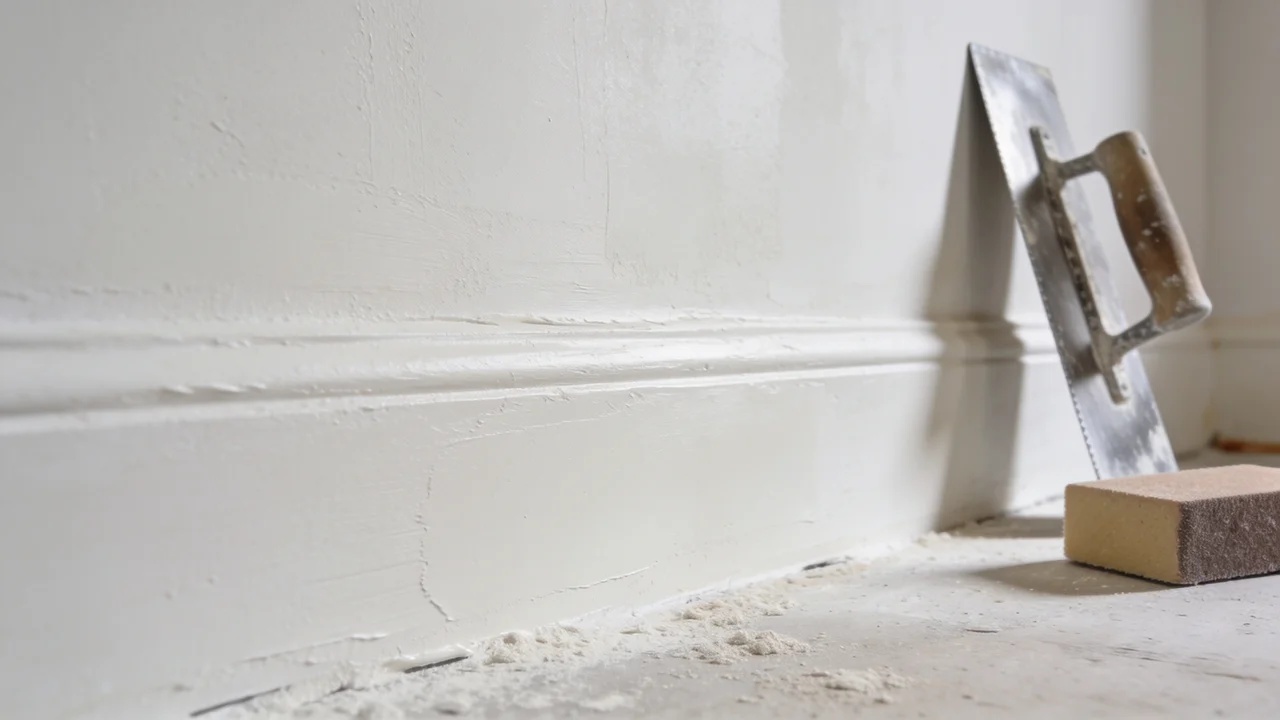
A skim coat is a thin layer of joint compound spread over the wall to reduce surface variation. It can help create a smoother base when the existing drywall has light texture, uneven areas, or visible surface marks.
Skim coating works especially well when you want to move toward a flat wall without replacing the drywall. The surface needs sanding between coats and careful checking before paint.
It can be used as part of a Level 5 finish or as a preparation step for another wall treatment.
4. Orange Peel Smooth Texture

Orange peel has small rounded bumps that create a light texture across the wall. It is less heavy than popcorn and can hide minor surface flaws while keeping the overall appearance fairly subtle.
This finish can suit bedrooms, hallways, living areas, and rental properties where a little surface texture is useful.
Orange peel is usually sprayed with thinned texture material, so a drywall texture sprayer can help produce an even pattern. Fine, medium, and heavier versions are available.
5. Knockdown Smooth Finish

Knockdown starts with sprayed texture, but the raised peaks are lightly flattened with a knife or trowel before the material fully dries.
This leaves a flatter, mottled pattern than a standard orange peel finish.
It can work well when you want some texture without a strongly raised surface. Knockdown is useful for walls and ceilings and can cover more minor imperfections than a completely flat finish.
The application needs good timing because the texture must be firm enough to flatten without being fully dry.
6. Skip Trowel Finish
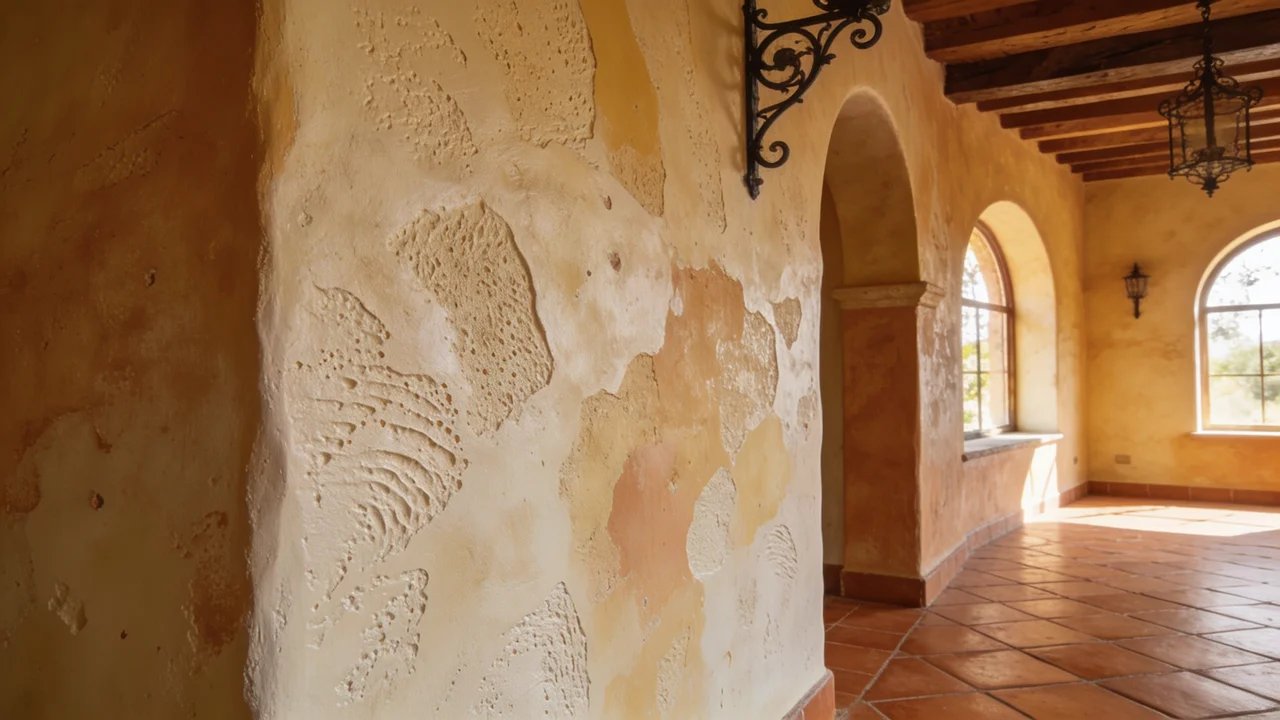
Skip trowel creates an irregular pattern by spreading joint compound with a trowel and leaving small areas untouched. The result has soft variations that can give a wall a plaster-like appearance.
It works well with rustic, Mediterranean, Southwestern, and relaxed interior styles.
This method requires more control than basic spray textures because the trowel angle, pressure, and amount of compound affect the final pattern.
It can also make future repairs harder because matching the existing marks takes practice.
7. Slap Brush Smooth Finish
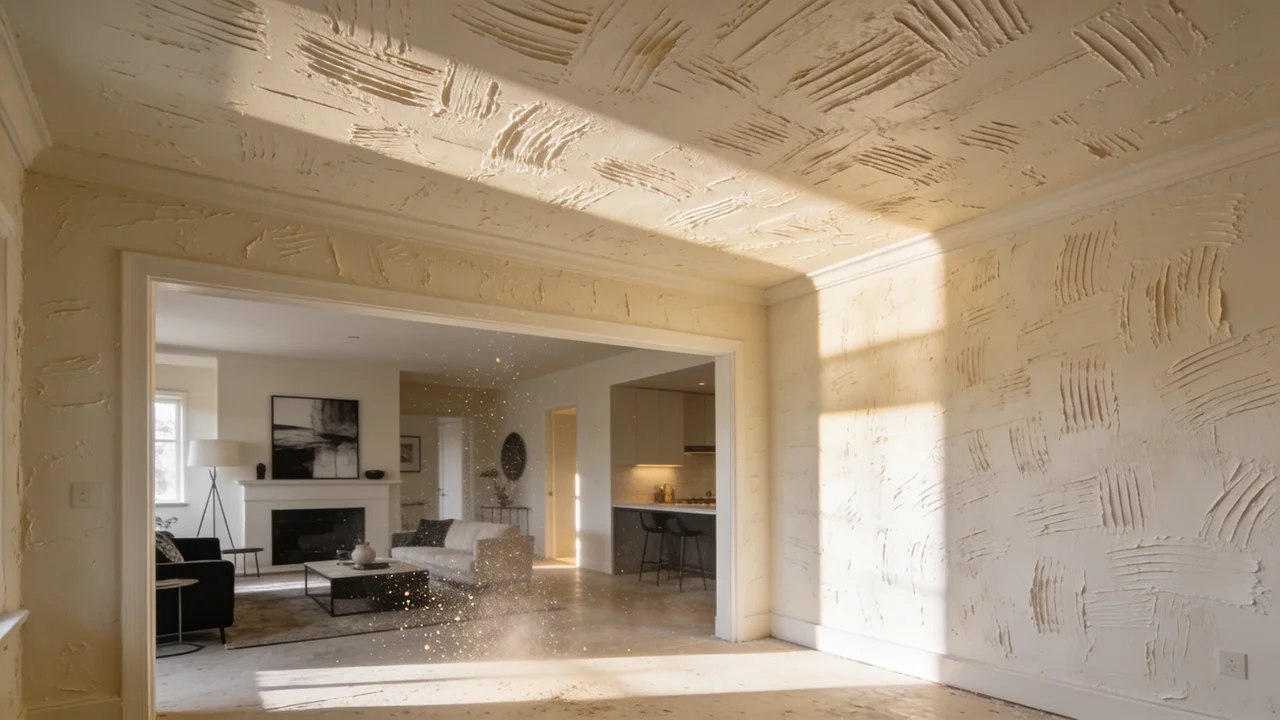
Slap brush texture uses a stiff brush pressed against wet compound to create repeated raised marks. The pattern can be left as it is or lightly flattened to create a softer surface.
This method is often used on ceilings and walls where some texture is needed to reduce the visibility of surface flaws.
The pattern can vary depending on brush shape, pressure, and spacing. Work in small sections and keep the motion consistent so one area does not look noticeably heavier than another.
8. Sand Swirl Finish

Sand swirl combines a swirl pattern with fine aggregate in the texture material. The result has curved marks that are more noticeable than a flat finish but still lighter than very heavy wall textures.
It can suit ceilings, accent areas, and rooms that need some visual movement without a thick surface pattern.
A brush or trowel can create the swirl, while the sand adds fine grain to the finish. Because the pattern is repeated across the surface, consistent pressure helps keep the result even.
9. Smooth Popcorn-Free Ceiling Texture

A popcorn-free ceiling approach replaces the heavy, bumpy acoustic look with a smoother finish. Options can include a Level 5 surface, light knockdown, or another low-profile ceiling treatment.
This can make a ceiling easier to clean and better suited to current interior styles.
Popcorn texture is mainly associated with older ceilings and is difficult to repair cleanly because of its heavy surface.
If an older popcorn ceiling may contain asbestos, have it tested before sanding, scraping, or removing the material.
How to Choose the Best Wall Texture
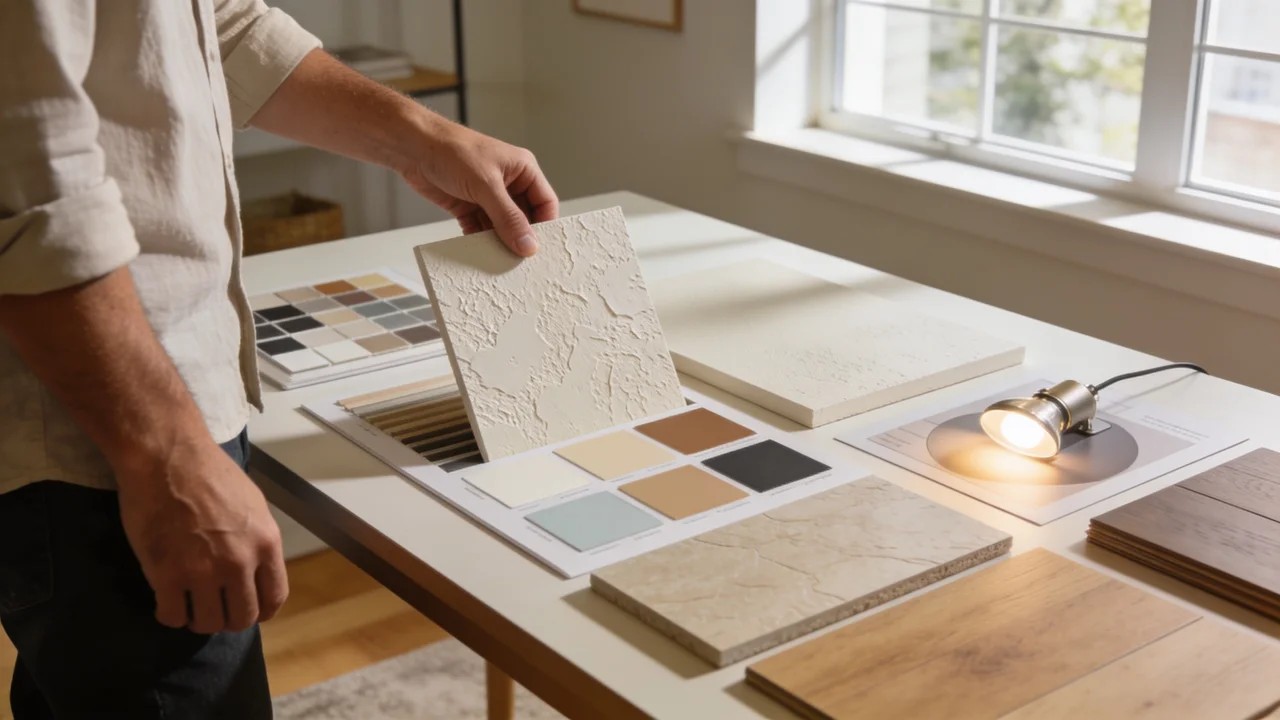
The best wall texture depends on how smooth you want the surface, how much you need to hide, and how much work you want to put into application and repairs.
Start with the condition of the wall. A Level 5 finish is a strong choice for a clean, flat appearance, but it shows surface flaws clearly.
Light orange peel or knockdown can be more forgiving. Next, consider your interior style.
Venetian plaster and skip trowel can suit rooms with plaster-inspired details, while smooth drywall works well with simple furnishings and clean lines.
Room size and lighting also matter because strong side light can reveal uneven areas.
If you plan to do the work yourself, spray textures may be easier to manage than advanced hand-applied finishes.
For large areas or demanding finishes, professional application can help keep the surface consistent.
Common Mistakes With Smooth Wall Textures
Small preparation errors can become much more visible after the texture and paint are applied. Avoid these common problems before starting the final coat.
Applying Texture to Poorly Prepared Walls
Texture cannot fix loose paint, damaged drywall, deep dents, or poor seams. Clean the wall, repair damaged areas, and sand rough spots before applying joint compound or texture.
Primer can help create an even base for the final finish.
Choosing a Finish That Hides Too Little
Very smooth finishes can make dents, uneven seams, and surface flaws more noticeable. Orange peel or knockdown can hide minor imperfections better than a Level 5 finish.
Choose a flatter finish when the wall is already well prepared.
Ignoring Natural and Artificial Lighting
Lighting can reveal ridges, sanding marks, and uneven patches that may be hard to notice at first. Check the wall under natural light and with a side-positioned work light.
This helps find flaws before primer and paint are applied.
Using the Wrong Tools or Application Method
Different textures need the right tools and application methods for consistent results. Orange peel and knockdown may need a texture sprayer, while skip trowel needs a suitable trowel.
Test the mixture and technique on scrap drywall before starting the wall.
Expert Tips for a Better Smooth Wall Finish
A careful process can make the final wall finish more even and easier to maintain. Use these practical tips before you begin.
- Prepare the surface first. Repair dents, loose paint, cracks, and drywall seams before applying texture so the finished surface looks more consistent.
- Prime repaired areas. Primer helps reduce uneven absorption and gives the texture or paint a more stable surface to bond with.
- Test a small section. Apply your chosen finish to scrap drywall or a hidden area before covering the entire wall.
- Check the finish under different lighting. Use daylight and a side-positioned work light to find ridges, marks, and uneven texture.
- Keep extra material for repairs. Save a small amount of the texture material and record the application method for easier future touch-ups.
Conclusion
Choosing among 9 smooth wall texture types becomes easier when you first consider the condition of your walls, room lighting, interior style, and maintenance needs.
A Level 5 finish gives the flattest result, while options such as orange peel, knockdown, and skip trowel provide more surface variation.
The right choice should also match your application skills and repair plans. Take time to prepare the wall and test your chosen finish before starting the full area.
A small test can prevent a costly mistake later. Have a wall texture you recommend? Share your experience in the comments or find more home improvement guides.
Frequently Asked Questions
Can Smooth Wall Texture Be Applied Over Painted Walls?
Yes, but the painted surface must be clean, sound, and properly prepared. Glossy paint may need sanding to help the new material bond.
How Long Should Wall Texture Dry Before Painting?
Drying time depends on the material, thickness, humidity, and airflow. Follow the product instructions and confirm the surface is fully dry before painting.
Can Wall Texture Help With Soundproofing?
Most decorative wall textures provide little soundproofing. They mainly change the surface appearance rather than significantly blocking sound between rooms.
Does Wall Texture Affect Paint Coverage?
Yes, deeper patterns can require more paint because the surface has more area to cover. Smooth finishes generally use less paint than heavy textures.
Can Smooth Wall Texture Be Used In Bathrooms?
Yes, but choose a moisture-suitable finish and coating. Proper ventilation is also important because repeated moisture can damage poorly prepared drywall.