
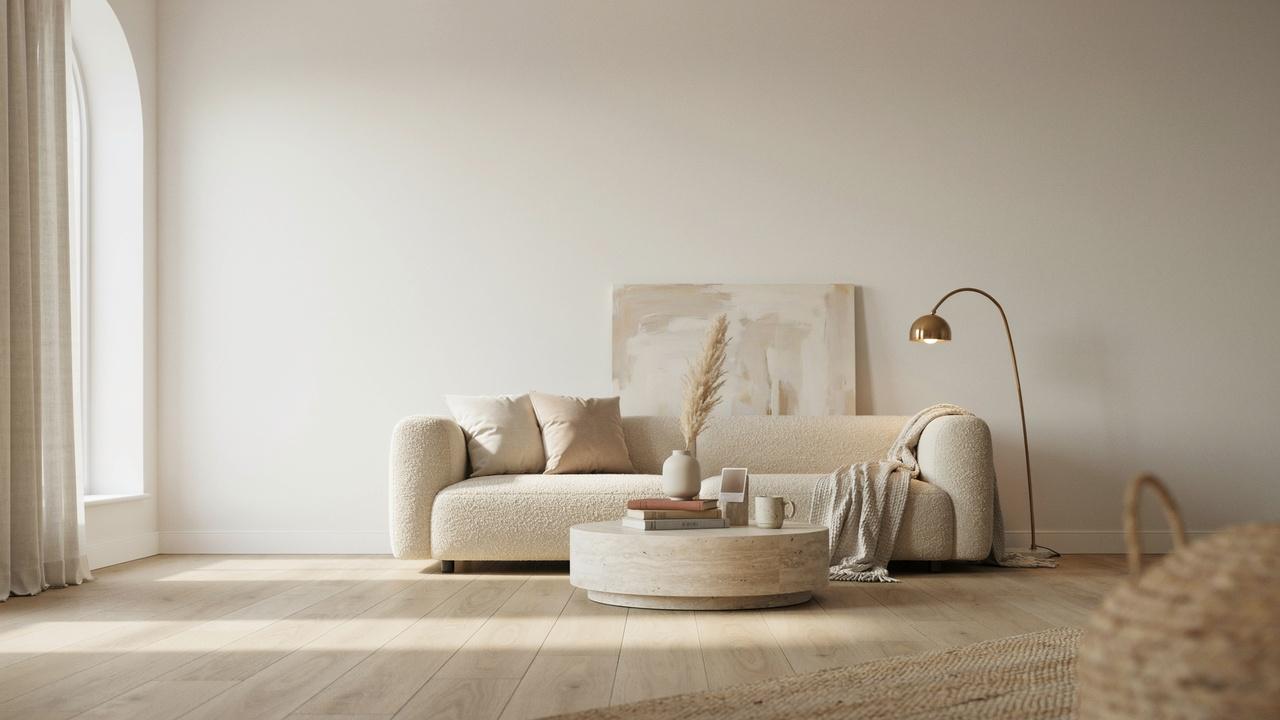
Picking the right white paint is harder than it sounds.
Staring at dozens of swatches and second-guessing every option is a real experience, and Dune White Benjamin Moore is one color that keeps coming up for good reason.
This guide covers everything you need to know: undertones, LRV, how it looks in real rooms, and the best colors to pair with it.
By the end, you will know exactly whether Dune White is the right fit for your home.
Dune White Benjamin Moore 968: Color Overview

Quick Specs
| Detail | Info |
| Color Name | Dune White |
| Color Number | 968 |
| Collection | Benjamin Moore Classics |
| Undertones | Greige and cream (warm) |
| LRV | 80.18 |
| Finish Options | Flat, Eggshell, Semi-Gloss |
Dune White is a soft, warm white that sits between a true white and a gentle cream. It is not stark or cold.
It feels lived-in without feeling heavy, which makes it easy to work with across many rooms and decorating styles.
It belongs to the Benjamin Moore Classics Collection, a group of timeless colors that have stayed popular for decades.
Dune White Benjamin Moore Undertones

Dune White has warm undertones that can read as greige, cream, or subtly yellow depending on the light in your room.
What Are the Undertones of Dune White?
The primary undertones in Dune White are greige (a blend of gray and beige) and cream. These are soft, not bold. They give the color warmth without tipping into a full yellow or tan.
In rooms with cooler or north-facing light, the greige side comes through and the color reads more neutral.
In warmer or south-facing light, the cream tones emerge and the color feels inviting and full.
Does Dune White Look Yellow, Creamy, or Gray?
It depends on your room's light and what surrounds it:
- In natural daylight: Read creamy and soft.
- In north-facing or low-light rooms: The greige undertones the surface, making it feel more neutral.
- Under warm artificial light (soft LEDs or incandescent): Can pull slightly yellow.
- It does not read gray. It stays in the warm white category across lighting conditions.
The key takeaway: the yellow is subtle and only surfaces in certain conditions. Placed next to warm wood tones or beige fabrics, the color simply blends in.
Next to a cool or bright white, the warmth becomes more noticeable. That is worth keeping in mind when you choose trim colors.
Dune White Benjamin Moore LRV: 80.18

LRV stands for Light Reflectance Value, a scale from 0 (pure black) to 100 (pure white). At 80.18, Dune White sits on the brighter end of the spectrum.
How Does This LRV Affect Your Room?
A high LRV means the color reflects most of the light that hits it. Practically, this means:
- Rooms feel open and fresh rather than heavy or closed in.
- Smaller rooms and hallways look larger because light bounces around the walls.
- Even rooms with limited windows stay feeling airy.
At 80.18, Dune White is bright enough to lift a space without crossing into harsh or stark territory.
The warm undertones soften what would otherwise be a blinding reflectance level.
Dune White Benjamin Moore Review: What Does It Look Like?

On the walls, Dune White looks approachable and calm. It is not the kind of white that feels clinical or cold.
It has just enough warmth to feel cozy while staying light enough to function as a neutral. Most people describe it as a white that looks "lived in" in a good way.
It works well in open-plan spaces because it does not compete with other colors. It holds the space together.
Is Dune White Warm or Cool?
Dune White is a warm white. The greige and cream undertones place it firmly in that category. The warmth is mild, not heavy.
If you find pure whites too cold and sharp, Dune White is likely a good fit.
How Dune White Looks in Different Lighting

Lighting has a big effect on how Dune White reads on your walls throughout the day.
North-Facing Rooms
Cooler daylight softens the warmth and brings out the greige undertones. The color reads more neutral here than in other exposures.
Adding warm light fixtures can bring back some of the cream.
South-Facing Rooms
Warm sunlight pulls out the cream undertones, making Dune White feel full and inviting for most of the day. This is where the color looks its best.
East-Facing Rooms
Bright and fresh in the morning, softening to a warmer cream by afternoon. A pleasant shift throughout the day.
West-Facing Rooms
Gets the creamiest, warmest version of this color in the afternoon and evening as sunlight pours in.
Under Artificial Light
With warm bulbs (soft white LEDs or incandescent), the yellow tones come out slightly more than in daylight.
The shift is not dramatic, but you will notice it. Testing the color at multiple times of day before committing is strongly recommended.
Where Does Dune White Benjamin Moore Work Best?
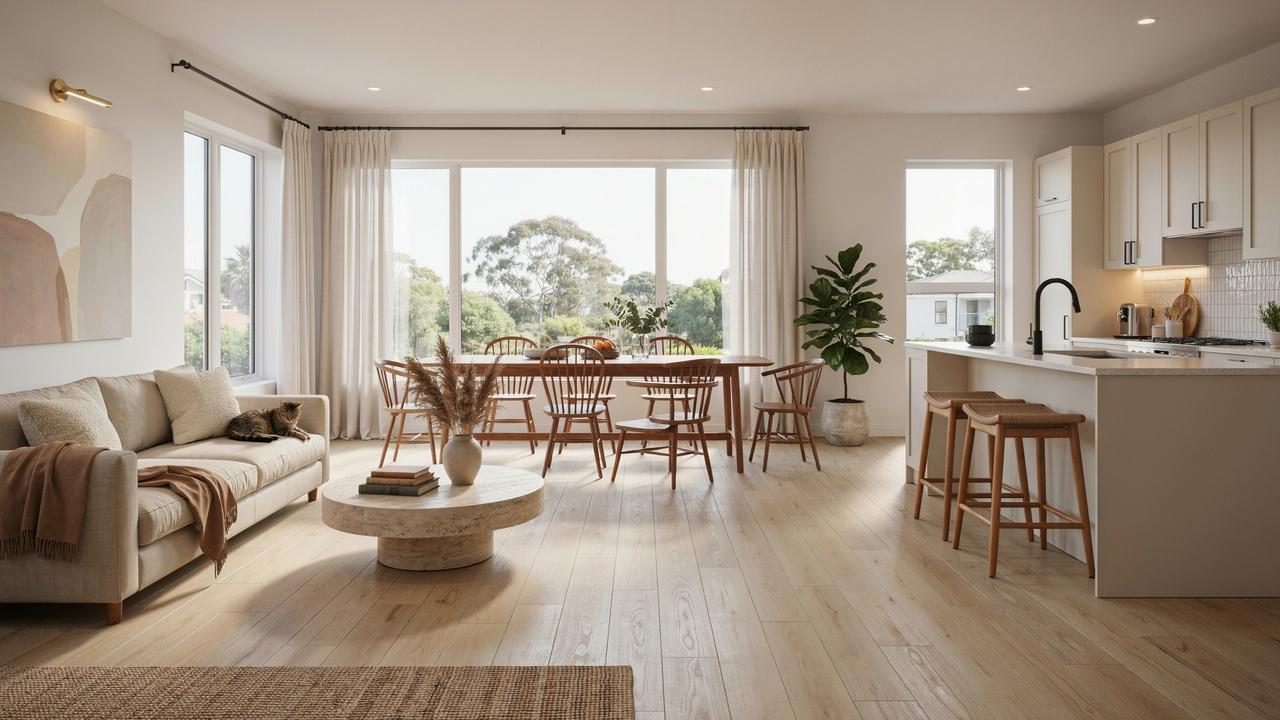
Dune White fits well in both small rooms and large open spaces across the home.
Dune White in the Living Room
Dune White adds warmth to a living room without being overwhelming. It pairs well with natural wood furniture, soft gray sofas, and warm metal accents.
The color creates a relaxed, welcoming feel whether the room gets strong natural light or relies on lamps.
Dune White in the Bedroom
The warmth of this color is soothing, which suits a bedroom well. It works with soft linen bedding, wood nightstands, and muted accent colors like dusty rose or sage green.
The high LRV keeps the room feeling light even without much sunlight.
Dune White in the Kitchen
In a kitchen, Dune White delivers a clean but warm look without the sterile feeling of a cooler white.
It complements white marble countertops, butcher block surfaces, and brass or wood hardware. If your kitchen has warm-toned tile or cabinetry, Dune White ties everything together.
Dune White in the Dining Room
The subtle warmth creates an intimate feeling without making the space feel small.
It holds up well under the mix of natural daytime light and warmer overhead light at dinner.
Dune White on Trim and Ceilings
Using Dune White on both walls and trim creates a soft, seamless look. On ceilings, it adds warmth without visually lowering the room.
For trim that stands out slightly more, pairing Dune White walls with Chantilly Lace OC-65 or Simply White OC-117 on the trim gives clean contrast without harshness.
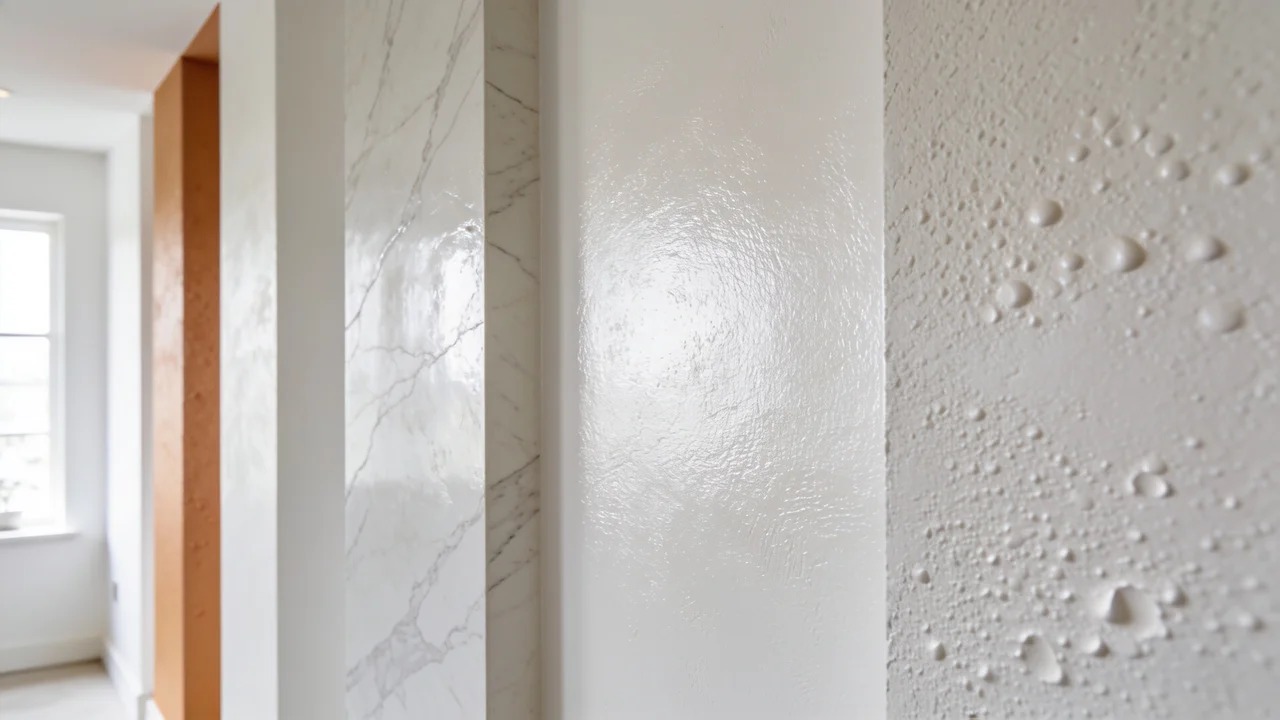
Use a semi-gloss finish on trim for easy cleaning and a subtle sheen difference.
What Colors Go With Dune White Benjamin Moore?
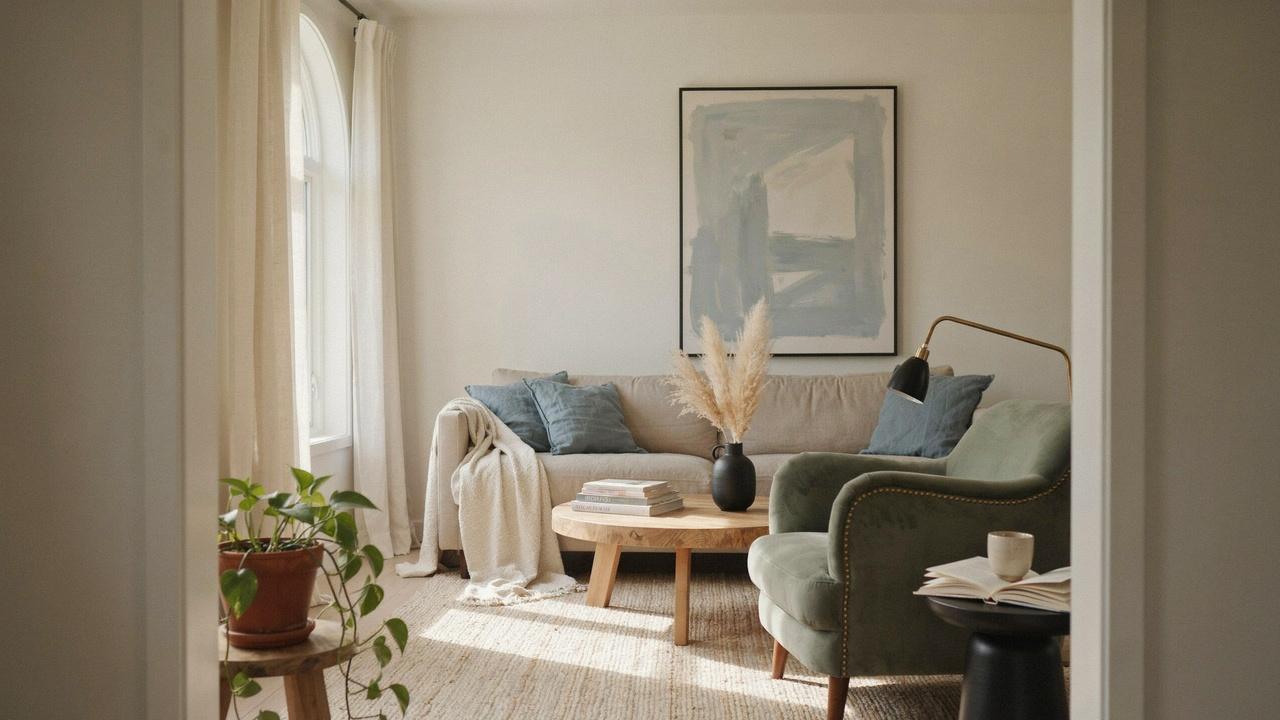
Dune White is a versatile neutral that pairs with a wide range of colors.
Coordinating Neutrals
Warm neutrals share similar undertones with Dune White and sit comfortably beside it. Strong options include:
- Edgecomb Gray HC-173 a warm greige that deepens the palette gently
- Pale Oak OC-20 a soft, sandy neutral that flows naturally alongside Dune White
- Revere Pewter HC-172 a deeper greige for more contrast in larger rooms
These pairings work especially well in open-plan spaces where rooms flow into each other.
Blues and Greens
Muted, dusty blues and sage greens contrast quietly with Dune White without feeling harsh.
Avoid icy or saturated blues, as they can make the warm undertones look more yellow by comparison. For a bolder contrast, Hale Navy HC-154 works well on cabinetry or a feature wall.
Wood and Metal Finishes
Oak, walnut, and pine all look grounded next to Dune White. For hardware and fixtures, brass, bronze, and matte black are reliable choices.
Cool metal finishes like chrome or polished nickel can work against the warmth; test them in your specific space before committing.
Tips for Choosing Dune White Benjamin Moore
A few simple steps can help you feel confident before painting your entire room.
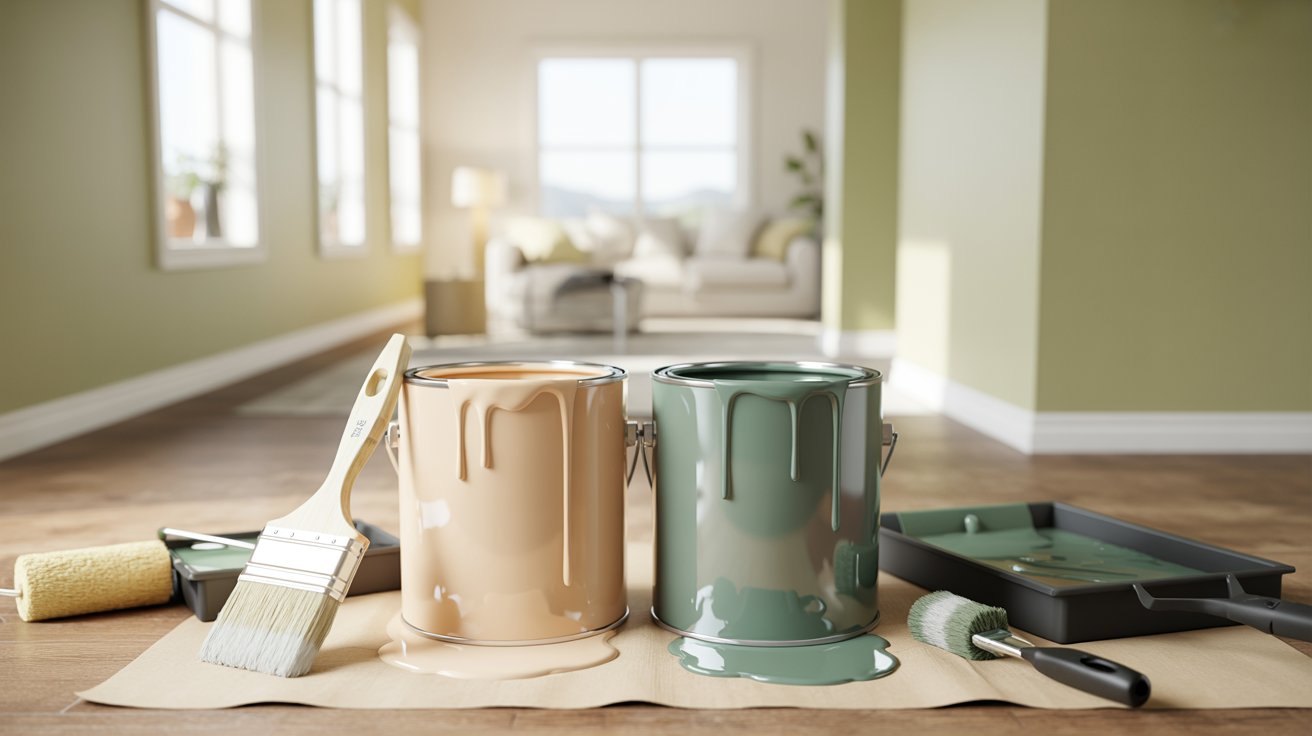
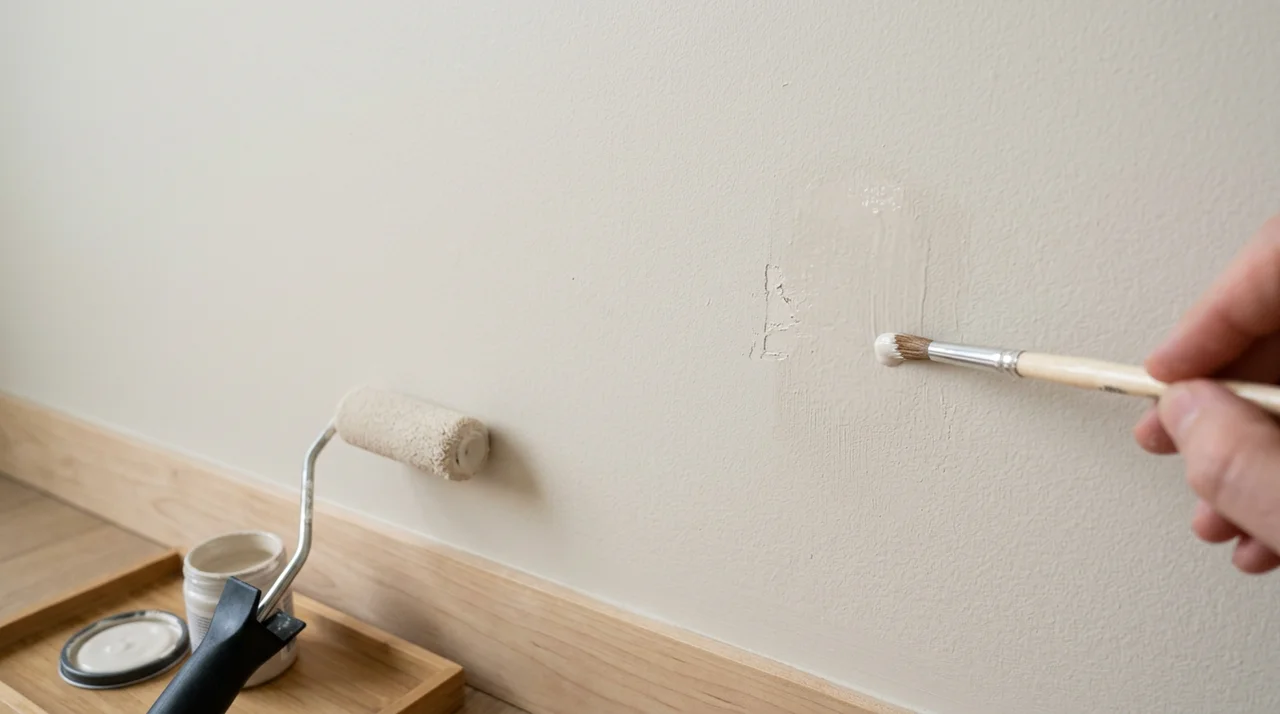
- Test a large sample, not a small chip. A full A3-size painted card on your wall tells a much more accurate story than a paint swatch.
- Check it in morning, afternoon, and evening light. The color shifts and you want to know all its versions before committing.
- Compare it against your flooring, countertops, furniture, and trim simultaneously. Isolated swatches miss how colors interact.
- Match your lighting to your room. North-facing and artificial-light-heavy rooms will pull slightly more neutral or yellow from this color than south-facing spaces.
Is Dune White Benjamin Moore Right for Your Home?

Dune White works well in traditional, coastal, farmhouse, and transitional interiors. If you want a white that is approachable, warm, and forgiving to work with, it is a reliable choice.
It is not a trend-driven color. It holds up across different rooms and lighting conditions without demanding a redesign around it.
Test it in your own space before committing. Once you see it on your walls in your own light, the decision becomes clear.
Frequently Asked Questions
Can Dune White Benjamin Moore be used on exterior walls?
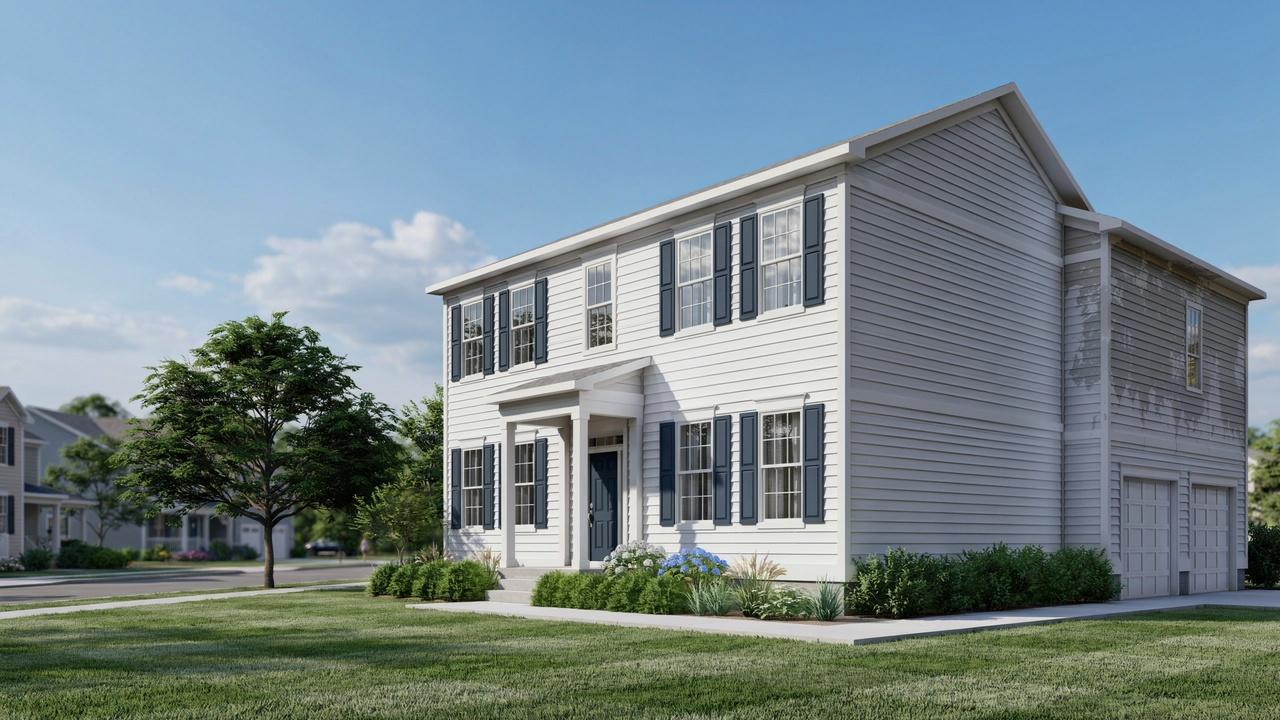
Yes. It works on exterior siding, shutters, and front doors, giving a warm and welcoming look that holds up well outdoors.
Does Dune White work well in a north-facing room?
It can, but the cooler light will bring out the greige undertones and make it read more neutral than creamy. Using warm-toned light bulbs in the room helps maintain a softer, warmer look.
What finish should I use for Dune White Benjamin Moore?
Use eggshell on most walls. It is easy to clean and has a soft, low-sheen look. Use semi-gloss on trim and doors for durability and a subtle contrast. Flat or matte is an option for ceilings where sheen is not needed.
How many coats does Dune White usually need?
Most walls need two coats for full, even coverage. If you are painting over a darker base color, apply a primer coat first.