
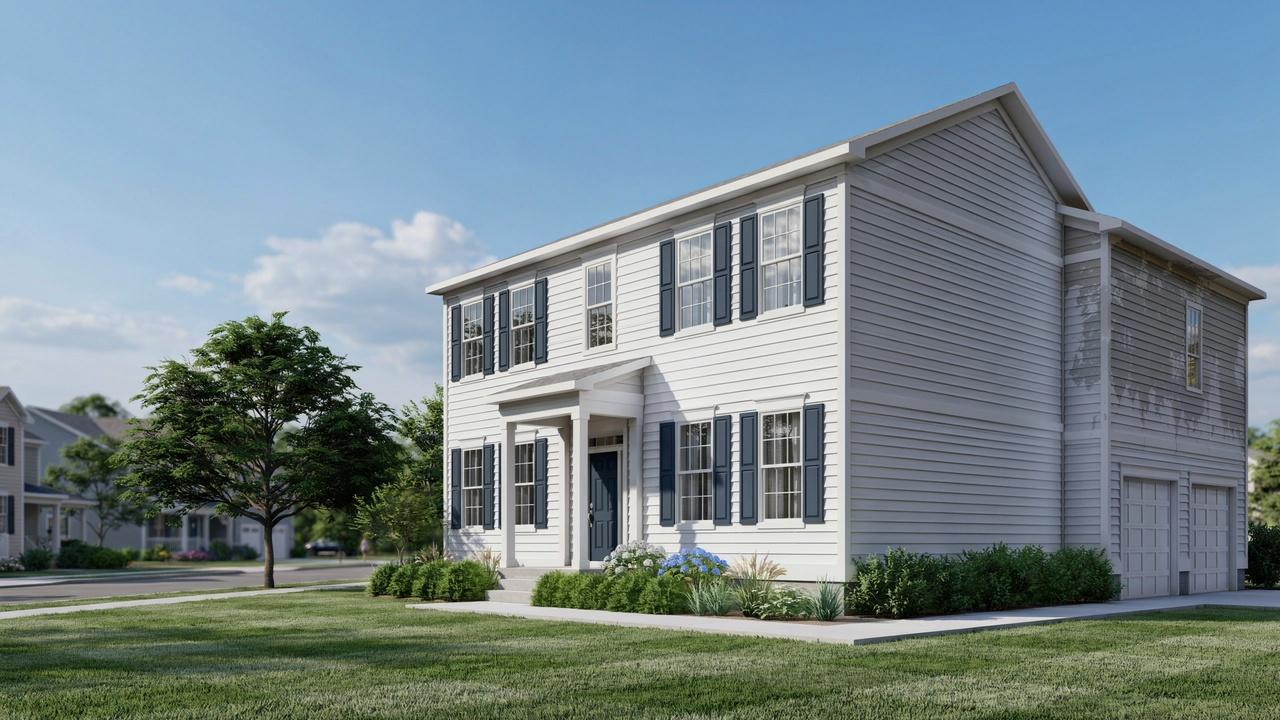
Most homeowners don't think about exterior paint until something looks obviously wrong. But waiting too long can cost you far more than a fresh coat.
Over the years, working with countless painted surfaces and watching how different homes hold up through heat, rain, and cold, one thing becomes clear, timing matters more than most people realize.
This guide on how often you should paint the exterior of your house covers everything from material-specific timelines and warning signs to the best season to paint and how to make that coat last.
By the end, you will know exactly when to act and how to plan smartly.
Exterior Paint: How Often Should You Repaint?

Most homes need exterior repainting every 5 to 10 years, but that number is not fixed for everyone.
The actual timeline depends on several moving parts. Siding material plays a big role.
So does your local climate, how much direct sun your home gets, the quality of paint used last time, and how well the surface was prepared before that coat went on.
A wood-sided home in a rainy Pacific Northwest climate may need repainting every 4 to 5 years.
A stucco home in a dry Southwest region might go 15 to 20 years with little issue.
Two houses painted the same year on the same street can reach very different points at the same time.
The condition of the existing coating matters just as much as the calendar. If paint is cracking, peeling, or fading badly, the surface is telling you it needs attention regardless of when it was last done.
Use the 5 to 10 year range as a starting point. Then factor in your specific material, environment, and what you see on the surface right now.
Exterior House Painting Frequency by Material
Different exterior materials hold paint at very different rates, so one timeline never fits all homes.
Wood siding is the most demanding, needing a fresh coat every 3 to 7 years because it expands and contracts with moisture and temperature.
Fiber cement is far more stable and can go 10 to 15 years between repaints. Stucco, being porous and prone to hairline cracks, typically needs attention every 5 to 10 years.
Vinyl siding can last 10 or more years when painted with the right product.
Aluminum siding falls in the 5 to 10 year range, while painted brick needs recoating every 3 to 5 years to prevent moisture damage and spalling.
What Factors Affect How Often You Need to Repaint?
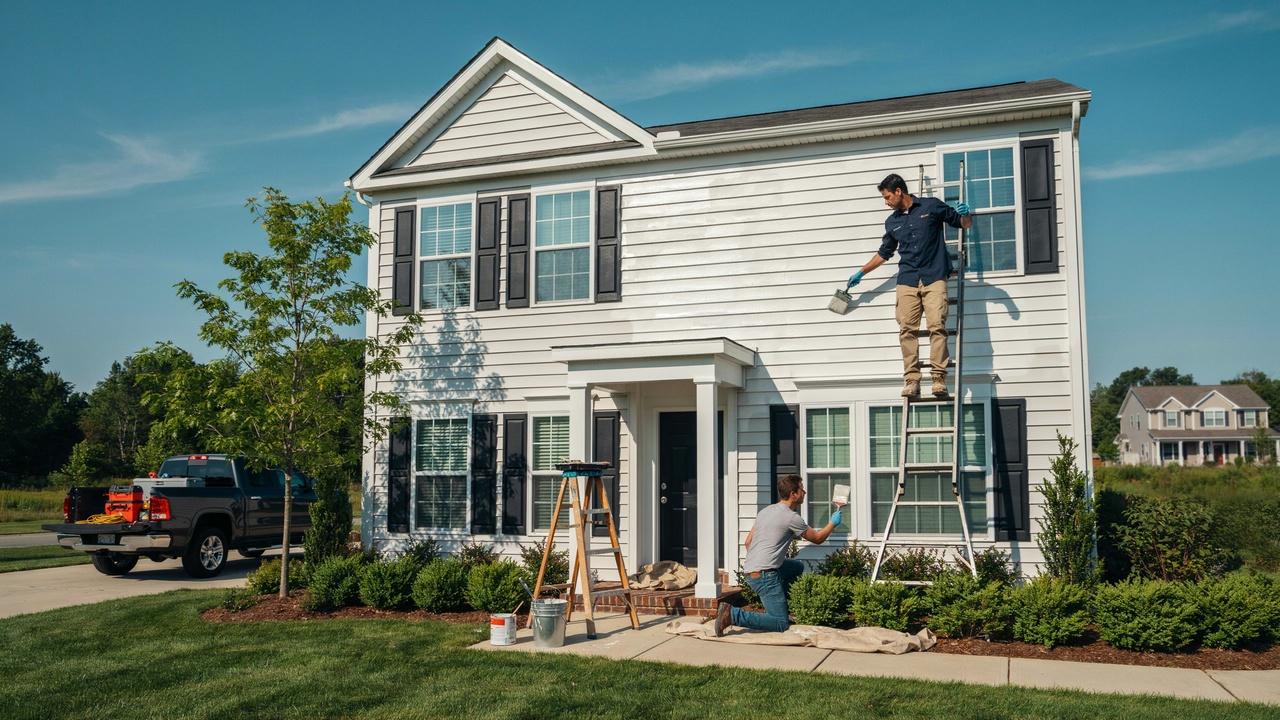
Two homes can be painted the same year with the same color and look completely different five years later based on where they sit and how they were painted.
Climate and Extreme Weather
Homes in regions with harsh winters, frequent freeze-thaw cycles, or strong storms face more stress on exterior paint than homes in mild climates.
Temperature swings cause materials to expand and contract repeatedly, which weakens the bond between paint and surface over time.
If your area gets heavy snow, ice, or strong wind-driven rain regularly, expect to repaint sooner than the average timeline suggests.
Sun and UV Exposure
Prolonged sun exposure breaks down paint pigments and binders faster than almost anything else.
South-facing and west-facing walls often fade years before the shaded sides of the same house.
Homes in sunny climates or at higher elevations where UV exposure is stronger will see faster fading and surface degradation.
Choosing a paint with UV-resistant properties can slow this down noticeably.
Rain, Humidity, and Moisture
Moisture is one of the biggest threats to exterior paint.
Constant rain, high humidity, or poor drainage around the foundation keeps surfaces wet longer, which allows moisture to work its way under the coating.
Once moisture gets beneath the paint film, peeling and blistering follow.
Homes in wet climates need more frequent inspections and often more frequent repainting to stay ahead of moisture-related damage.
Quality of the Previous Paint Job
A paint job done without proper surface preparation, with cheap materials, or during bad weather conditions will fail faster than one done correctly.
If the surface was not cleaned, primed, or sanded properly before the last coat, that coat is already working at a disadvantage.
Poor prep work from years ago can show up as early peeling even when the paint itself is less than five years old.
Paint Quality and Coating Type
Not all exterior paints perform equally. Higher-quality paints contain better pigments, binders, and additives that resist fading, moisture, and surface cracking.
They cost more upfront but stretch the repainting interval noticeably.
100% acrylic latex paints are widely considered the best choice for most exterior surfaces because they flex with the material beneath them and resist UV damage better than oil-based alternatives.
Surface Preparation and Exterior Condition
The condition of the surface before paint goes on is just as important as the paint itself.
Painting over cracked caulk, peeling old paint, bare wood, or mildew is a shortcut that shortens the life of even the best coating.
A properly prepared surface, cleaned, repaired, primed, and dry, gives new paint the best possible foundation and directly extends how long it holds up.
What Are the Signs Your House Needs to Be Repainted?
The condition of the paint on your home is often a more reliable indicator than the date on your last invoice.
- Peeling, cracking, or flaking paint means the coating has lost its grip and is exposing the surface beneath to moisture and weather damage.
- Significant fading or uneven discoloration signals that the paint's protective layer has broken down and is no longer doing its job.
- Bubbles or blisters on the surface point to trapped moisture underneath, and repainting without fixing the source will only bring the problem back.
- A chalky, powdery residue when you run your hand along the wall means the paint film is breaking down and needs to be cleaned and recoated.
- Exposed wood, wood rot, cracked caulk, or water stains around windows and trim are clear signs that the surface needs repair and a fresh coat before more damage sets in.
When Is the Best Time to Paint a House Exterior?

The best time to paint the exterior of your home is during late spring or early fall, when temperatures sit between 50 and 85 degrees Fahrenheit, humidity is lower, and rain is less frequent.
Within that temperature range, paint flows smoothly, adheres properly, and cures the way it was formulated to.
Latex paints in particular can dry too fast in intense heat, leaving brush marks and lap lines behind.
Humidity above 70 percent or a surface that is still damp from recent rain traps moisture under the new coat and leads to early peeling.
Wait at least 24 to 48 hours after rain before starting. Avoid painting in freezing temperatures, direct midday sun, high winds, or any day when rain is expected within 24 hours.
Should You Touch Up the Paint or Repaint the Whole House?
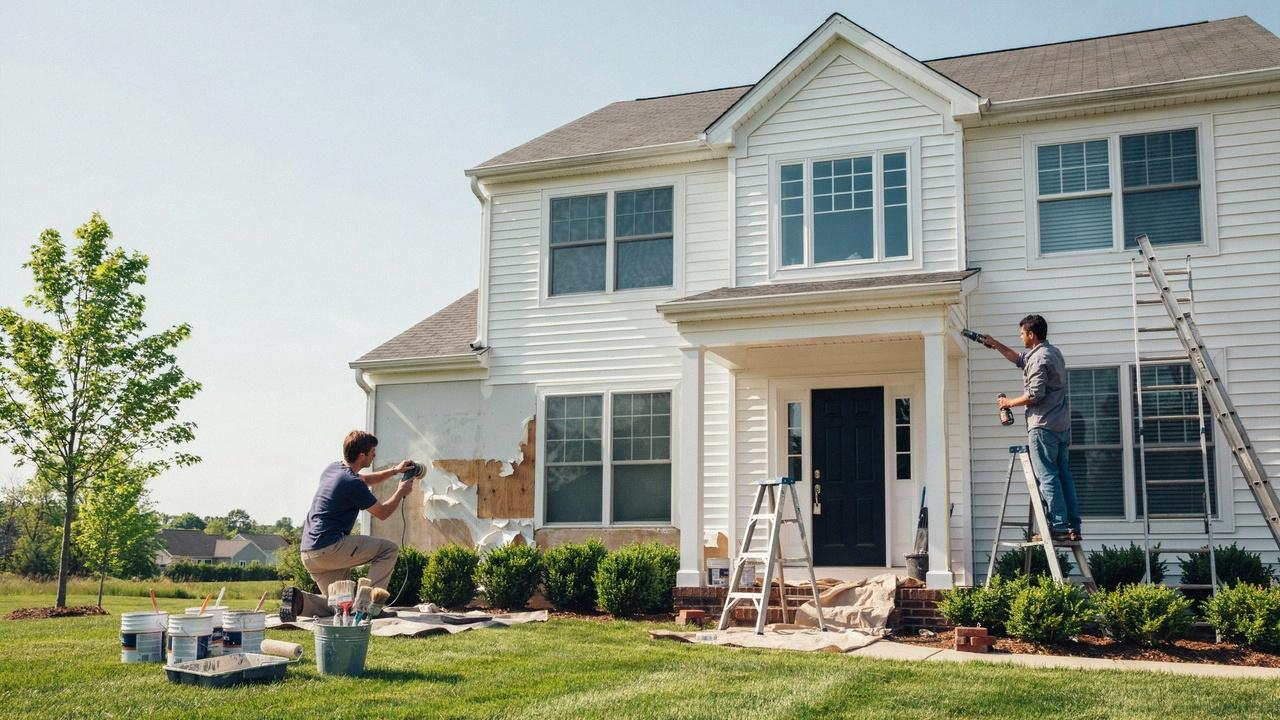
Not every paint problem requires a full repaint, but knowing when a patch job is enough and when it is not saves both money and time.
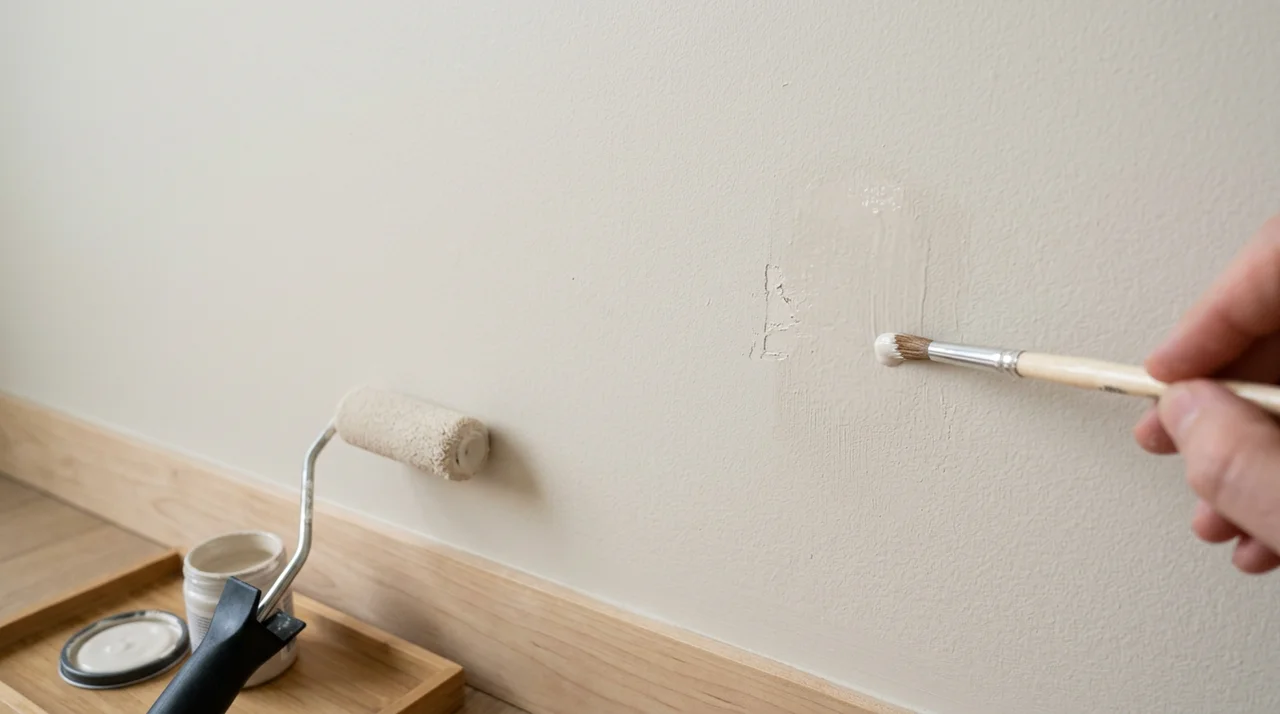
Spot touch-ups work well when damage is limited to a small, clearly defined area, such as a single board that has peeled after a repair, a patch of paint knocked off by a ladder, or a small section around a new fixture.
As long as the rest of the exterior is in solid condition and the color can be matched reasonably well, targeted touch-ups are a practical solution.
A full repaint becomes necessary when fading is widespread and uneven, when peeling or cracking covers multiple walls or large sections, when the existing coating has lost adhesion broadly across the surface, or when the color simply cannot be matched after years of weathering.
Trying to patch a home with widespread failure ends up looking worse than leaving it alone and costs money that would have been better put toward a full job.
If more than 25 to 30 percent of the surface shows visible failure, a complete repaint is usually the more cost-effective and better-looking outcome.
What Should You Repair Before Repainting Your House?
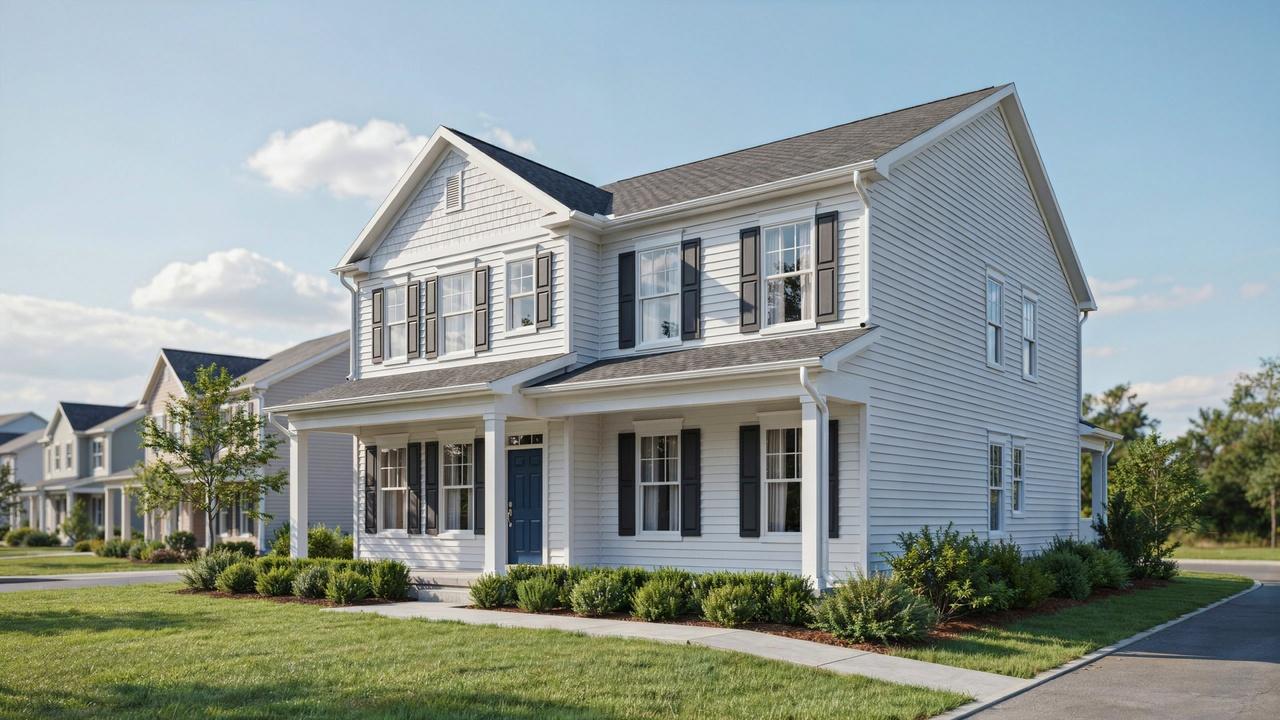
A new coat of paint is only as good as the surface it goes over. Skipping repairs before repainting shortens the life of the new coat significantly.
Rotting or Damaged Wood
Any wood that has rotted through or become soft from prolonged moisture exposure needs to be replaced before painting.
Painting over rot does not stop it. It only hides it temporarily while the rot continues to spread underneath.
For minor surface rot caught early, a wood hardener and filler product can stabilize the area before priming and painting.
Cracks and Gaps
Cracks in siding, trim, or around window and door frames let water in and give paint edges a place to start peeling from.
Fill cracks with an exterior-grade patching compound or filler appropriate for the material, sand smooth, and prime before topcoating.
Damaged Siding
Warped, split, or broken siding boards should be replaced rather than painted over. A new coat cannot flatten warped wood or structurally repair a cracked panel.
Damaged pieces will continue to fail and could allow water to reach the wall sheathing behind them.
Failed Caulking
Check every joint around windows, doors, trim, and where different materials meet.
Caulk that has pulled away, cracked, or become brittle needs to be removed completely and replaced with a fresh bead of paintable exterior caulk before any paint goes on.
Mold, Mildew, and Moisture Problems
Any visible mold or mildew on the exterior must be cleaned and treated before painting.
A mix of bleach and water scrubbed onto affected areas, followed by thorough rinsing and drying, is a common approach.
More importantly, find the source of the moisture that allowed mold to grow in the first place.
Painting over a surface with an active moisture problem will result in the same issue returning quickly.
How Can You Make Exterior Paint Last Longer?
The goal after any paint job is to stretch the interval before the next one becomes necessary. A few consistent habits go a long way.
Keep the Exterior Clean
Dirt, algae, and pollen accumulate on exterior surfaces and hold moisture against the paint film.
An annual wash with a garden hose or a low-pressure power wash removes buildup before it has a chance to degrade the coating.
Fix Small Paint Problems Early
A small area of peeling caught early takes a few minutes and a brush to fix. Left alone, it spreads quickly and pulls neighboring paint along with it.
Inspect the exterior once a year and address any small issues before they grow.
Maintain Caulking and Seals
Caulk around windows, doors, and trim is a first line of defense against water intrusion.
Check it annually and reapply wherever it has cracked, shrunk, or pulled away from the surface.
Use the Right Paint for the Surface
Different materials need different paint formulations. Using a paint not suited for the surface, whether that is vinyl, masonry, or bare wood, leads to adhesion failure sooner than it should happen.
Always match the product to the substrate and follow the manufacturer's recommendations.
Prepare the Surface Properly Before Painting
This applies to every paint job, not just the first one.
Clean the surface, repair any damage, prime bare or patched areas, and let everything dry completely before applying topcoats.
Rushing prep work is the single most common reason a paint job fails earlier than expected.
Exterior House Painting Schedule at a Glance
Here is a quick breakdown of repainting intervals, warning signs, and factors that can shorten the timeline for each exterior material.
| Exterior Material | Typical Repainting Interval | What Can Shorten the Interval | Key Signs to Watch |
| Wood Siding | 3 to 7 years | Humidity, rain, poor prep, no primer | Peeling, cracking, bare spots |
| Fiber Cement | 10 to 15 years | Improper paint type, harsh weather | Fading, chalking, surface cracks |
| Stucco | 5 to 10 years | Hairline cracks, moisture intrusion | Flaking, water stains, discoloration |
| Vinyl Siding | 10 or more years | Wrong paint type, extreme heat | Fading, peeling, color change |
| Aluminum/Metal | 5 to 10 years | Oxidation, dents, coating breakdown | Chalking, rust spots, fading |
| Painted Brick | 3 to 5 years | Moisture trapping, freeze-thaw cycles | Spalling, peeling, moisture stains |
What Are the Most Common Exterior Painting Mistakes?
Even a quality paint product fails early when it is applied incorrectly or over a surface that was not ready.
- Painting over peeling or flaking paint without removing the loose material first causes the new coat to fail within months.
- Skipping surface preparation, including cleaning, sanding, priming, and drying, gives new paint a weak base that shortens its lifespan significantly.
- Painting in temperatures below 50 or above 90 degrees Fahrenheit, on windy days, or when rain is expected within 24 hours leads to uneven drying and poor adhesion.
- Using interior paint, the wrong product for the siding material, or an unsuitable sheen level causes early coating failure regardless of paint quality.
- Painting over active moisture damage, rot, or mold only hides the problem temporarily and wastes the investment of a new paint job.
Conclusion
Knowing how often you should paint the exterior of your house puts you in control of one of your home's biggest protective systems.
The right timing depends on your siding material, climate, paint quality, and what you see on the surface right now.
Waiting for obvious damage always costs more than acting on early warning signs.
Do a quick inspection once a year, fix small problems before they spread, and you will get the most out of every paint job.
If this guide helped you, leave a comment below, share it with a neighbor planning a repaint, or check out our related posts on exterior prep and paint selection.
Frequently Asked Questions
Can I paint the exterior of my house myself, or should I hire a professional?
Small touch-ups are manageable as DIY. Full repaints covering two or more stories or requiring significant prep work are usually better handled by a professional.
How long does exterior house paint take to dry before it can get wet?
Most exterior latex paints are dry to the touch within one to two hours, but full cure takes 30 days. Rain within 24 hours of application can damage fresh paint.
Does the color I choose affect how long exterior paint lasts?
Darker colors absorb more heat and tend to fade faster in sunny climates. Lighter colors reflect UV and often hold their appearance longer on sun-exposed walls.
How many coats of paint does an exterior house need?
Most exteriors need two topcoats over a primer. Previously painted surfaces in good condition may only need two coats without a separate primer if coverage is adequate.
Is it worth pressure washing before repainting, or is hand scrubbing enough?
Pressure washing removes dirt, mildew, and loose paint more efficiently than hand scrubbing, especially on larger homes. Low pressure is recommended to avoid damaging siding or forcing water into gaps.