

Why does one painted garage floor stay tough and easy to clean for years, while another starts peeling, staining, or wearing down? The answer may be epoxy, but there is more to it than simply choosing a can labeled “epoxy.”
What is epoxy paint? It is a coating made with epoxy-based ingredients that forms a hard surface after curing.
But not every epoxy paint works the same way. Some are one-part products, while others use a resin and hardener that chemically cure after mixing.
This guide explains where epoxy paint works best, how it compares with regular paint and true epoxy coatings, and its main benefits and drawbacks.
You’ll also learn how to prepare concrete, apply epoxy correctly, and choose a product based on your surface and project needs.
What Is Epoxy Paint?
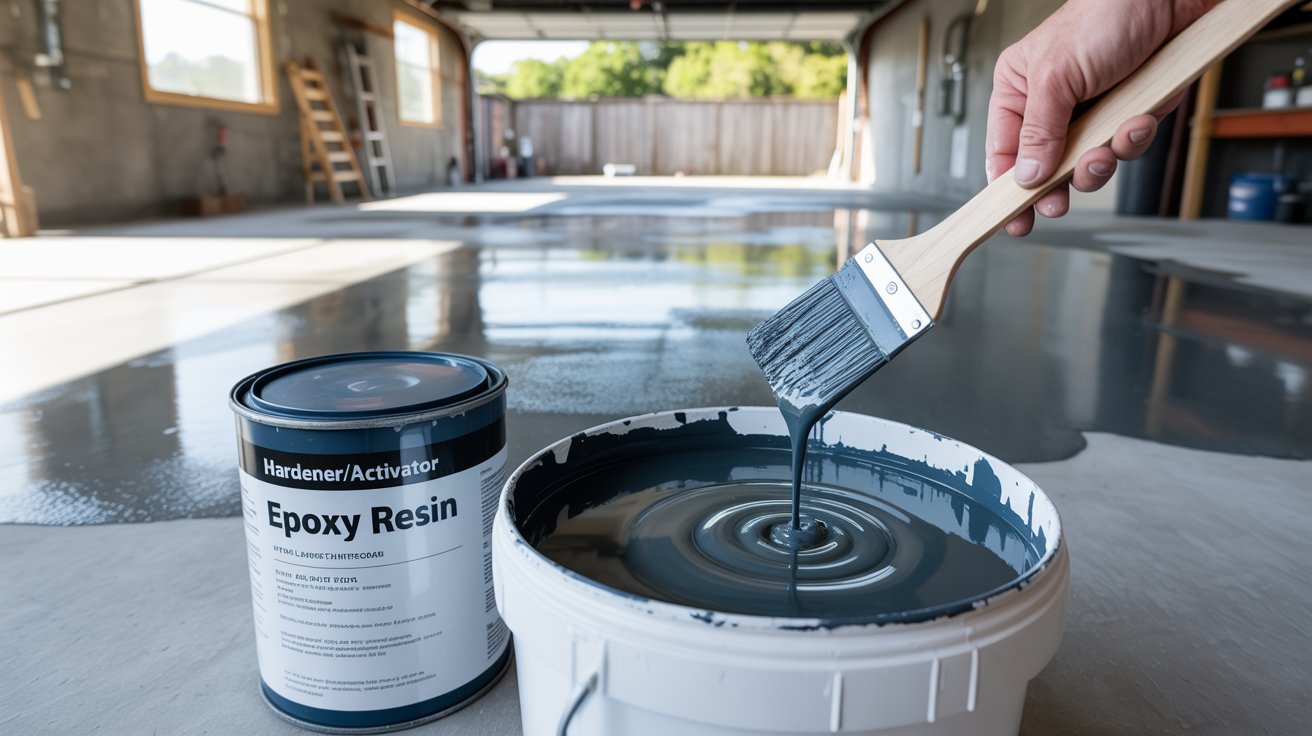
Epoxy paint is a coating that uses epoxy resin or epoxy-based ingredients to create a hard, durable surface after curing.
In a true two-part system, the resin is mixed with a hardener or activator, which starts a chemical reaction that forms the cured coating.
However, the term “epoxy paint” can describe several formulations, including some one-part products. That means the label alone does not always indicate a true two-part epoxy system.
Compared with ordinary paint, a properly selected epoxy coating can provide stronger resistance to wear, stains, moisture, and many chemicals.
The actual performance depends on the product formula, surface, preparation, and application conditions.
What Is Epoxy Paint Used For?
Epoxy paint is mainly used where a painted surface needs more protection from wear, dirt, moisture, or chemical exposure.
- Garage floors: A suitable epoxy floor product can handle regular foot and vehicle traffic.
- Basement and utility floors: It can provide a sealed, easier-to-clean surface when the concrete and moisture conditions are suitable.
- Workshops: Epoxy can help protect floors from dirt, oil, grease, and regular tool or equipment use.
- Warehouses and commercial spaces: Higher-performance systems can handle heavier traffic and demanding work areas.
- Concrete walls: Some products are designed for concrete and masonry walls where chemical or moisture resistance is needed.
- Metal surfaces: Certain epoxy products are made for properly prepared steel or other metal surfaces.
The right formulation depends on the surface, traffic level, moisture, chemicals, temperature, and exposure. Always check the product's technical data sheet before choosing a coating.
If you are wondering what is epoxy paint used for, its main purpose is to create a durable, easy-to-clean surface that can withstand wear, stains, moisture, and many common chemicals.
What Is Epoxy Paint for Concrete?
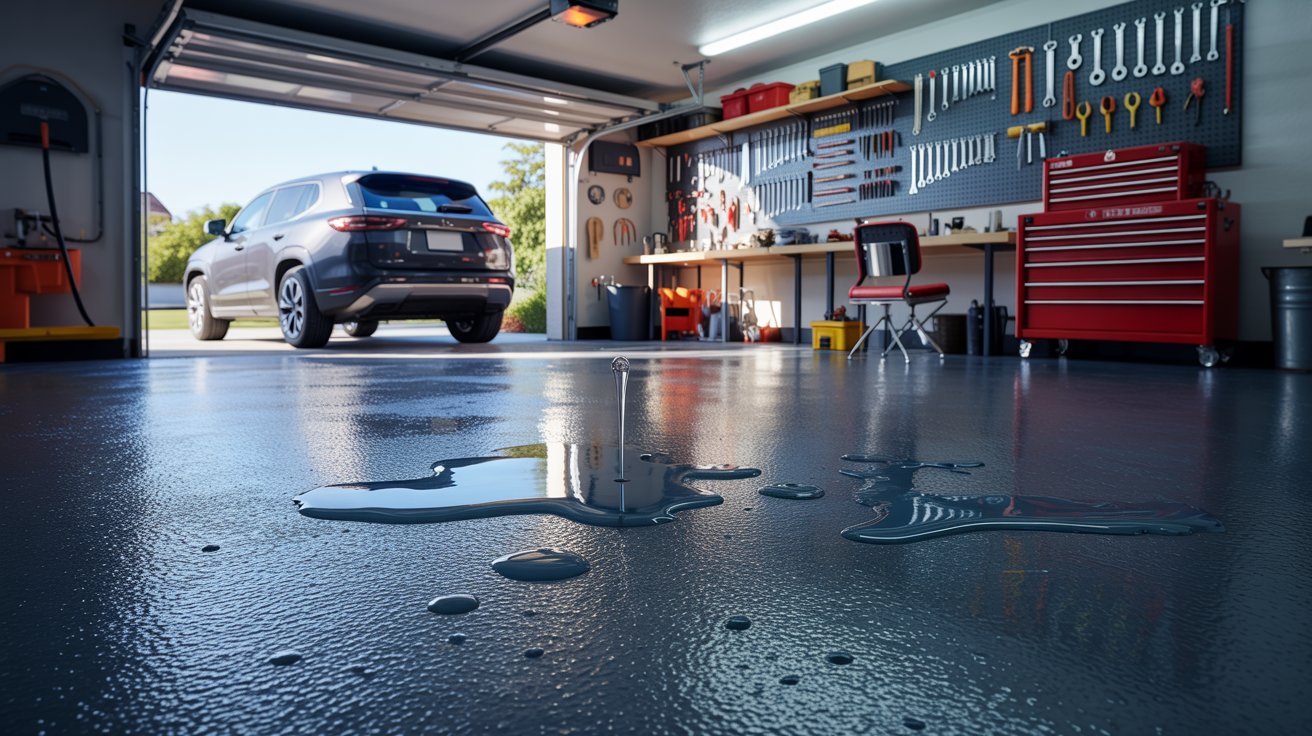
Epoxy paint for concrete is used to protect and seal properly prepared concrete surfaces in areas that receive regular use.
It is common on garage floors, workshops, basements, warehouses, and other high-use floors. Properly prepared concrete gives the coating a clean, sound surface to bond with.
Epoxy systems can resist abrasion, stains, oil, grease, moisture, and some chemical exposure, but performance varies by product. Concrete should be clean, sound, dry, and properly profiled before coating. A suitable surface profile gives the coating enough texture to bond with the concrete.
Existing sealers, curing compounds, grease, old coatings, or other contaminants can interfere with adhesion. Manufacturers may also set specific moisture and temperature limits, so the product data sheet should guide preparation and application.
Is Epoxy Paint Good for Concrete?

Yes, epoxy paint can be a good choice for concrete when the product matches the surface and the concrete is prepared correctly.
It works well when you need better wear, stain, oil, or chemical resistance than ordinary paint can provide.
It may not be the best choice for every slab. Moisture problems, unsuitable existing coatings, movement, outdoor UV exposure, or very demanding industrial conditions may call for another coating system.
Some floors may need a specialized moisture-tolerant primer, polyurethane topcoat, or another system based on the site's conditions.
For garage floors, polyurea and polyaspartic coatings are also alternatives to epoxy. They can offer strong abrasion and stain resistance and may cure faster, which can matter when the floor needs to return to service quickly.
The important point is simple: choose the coating based on the concrete condition and expected use, not just the word “epoxy” on the package.
Types of Epoxy Paint
The main difference between epoxy products is how they are formulated, mixed, and cured.
1. One-Part Epoxy Paint

A one-part epoxy paint is ready to use without mixing a separate hardener. It is generally easier to apply and may suit lighter-duty areas.
Its performance can be lower than that of a properly applied two-part epoxy system, so check the technical data before using it in demanding locations.
2. Two-Part Epoxy
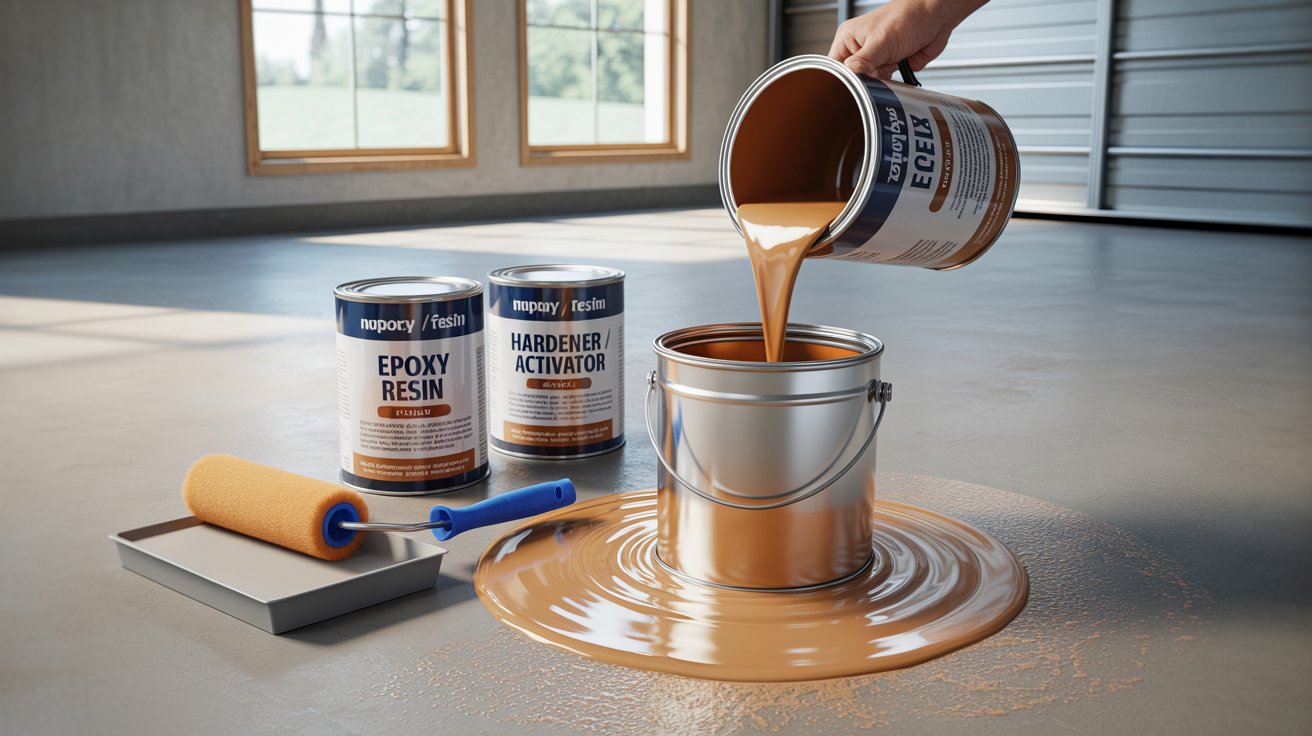
A two-part epoxy contains a resin component and a hardener or activator. You mix the components in the specified ratio before application.
The mixture then cures through a chemical reaction and can form a harder, more durable coating.
3. Water-Based, Solvent-Based, and High-Solids

Epoxy products can also differ by carrier and solid content. Water-based systems may offer easier cleanup and lower odor, while solvent-based products have different application and ventilation requirements.
High-solids systems contain a higher percentage of coating material and are often used for heavier-duty applications.
Epoxy Paint vs. Regular Paint vs. Epoxy Coating
The key difference is how the product is formulated, how it cures, and how much protection it provides.
| Feature | Epoxy Paint | Regular Paint | True Two-Part Epoxy Coating |
| Composition | May be one-part or epoxy-modified | No epoxy resin required | Resin plus hardener or activator |
| Durability | Varies by formula | Generally lower | Generally higher |
| Chemical resistance | Generally better | Limited | High, depending on formula |
| Traffic resistance | Moderate to high, depending on product | Best for light-duty areas | Better for demanding areas |
| Curing | Depends on product | Dries mainly by evaporation | Chemical curing after mixing |
| Application | Usually simpler | Usually simpler | Requires measured mixing and preparation |
| Cleaning | Generally easy | Varies | Generally easy |
| Surface preparation | Moderate to high | Usually less demanding | More extensive |
| Cost | Usually higher than regular paint | Usually lower | Usually higher |
| Typical use | Light to moderate-duty areas | Walls and light-use surfaces | Floors and demanding surfaces |
Simple rule: Choose regular paint for basic coverage, epoxy paint when you need added protection, and a true two-part epoxy coating when higher durability and chemical resistance are required..
Benefits of Epoxy Paint
Epoxy paint can offer several practical advantages when the product and surface are a good match.
- Durable surface: A suitable epoxy system can handle regular wear better than many ordinary paints.
- Strong adhesion: Proper cleaning and surface preparation help the coating bond securely.
- Resistance to stains and chemicals: Many products resist oil, grease, stains, and selected chemicals.
- Easy to clean: A smooth cured surface can make routine cleaning easier.
- Suitable for high-traffic areas: Certain epoxy systems are designed for frequent foot or vehicle traffic.
- Smooth finish: Epoxy can provide a clean, uniform surface when applied correctly.
- Concrete protection: The coating can help reduce surface wear and protect the concrete from common contaminants.
Drawbacks of Epoxy Paint
Epoxy can work well, but it also has limits that you should consider before application.
- Surface preparation takes time: Dirt, grease, weak concrete, old coatings, and moisture can cause adhesion problems.
- Application conditions matter: Temperature, moisture, mixing, and curing conditions can affect the final result.
- Some products have strong odors or VOCs: Check the product information and ventilation requirements before application.
- Wet surfaces can become slippery: A suitable texture or anti-slip additive may be needed.
- Some systems can discolor with UV exposure: Check the product's exterior and UV-resistance information before outdoor use.
- Removal can be difficult: A failed or worn epoxy coating may require mechanical preparation before recoating.
- Higher-quality systems can cost more: Better performance often comes with a higher material and preparation cost.
How to Apply Epoxy Paint to Concrete

Good results start before the first coat. Surface preparation is one of the biggest factors affecting adhesion and coating life.
Step 1: Inspect and Repair the Concrete
Start by checking the concrete for cracks, weak areas, spalling, stains, moisture, and previous coatings. Repair damaged areas with a compatible material before coating. A coating cannot correct serious substrate problems.
The surface should be structurally sound and suitable for the selected product. If moisture is present, find and correct the source before application. Skipping this check can lead to poor adhesion or coating failure later.
Step 2: Remove Oil, Grease, Dirt, and Old Coatings
Concrete must be free from oil, grease, dirt, dust, loose material, and incompatible coatings. Use the cleaning method recommended for the selected product and substrate. Rinse or remove residue as required, then allow the surface to dry.
Old paint or coatings that are loose or unsuitable may need mechanical removal. Even small amounts of contamination can interfere with bonding.
Step 3: Mechanically Profile or Prepare the Surface
Concrete often needs a suitable surface profile so the coating can grip the substrate. Depending on the product and condition, preparation may include grinding, abrasive blasting, scarifying, or another approved method.
The goal is to remove weak surface material and create the texture required by the coating system. Do not choose a preparation method based only on appearance. Follow the manufacturer's surface profile requirements.
Step 4: Meet Moisture and Temperature Requirements
Before application, check the product's limits for concrete moisture, air temperature, surface temperature, and humidity. These requirements vary between products.
Concrete that looks dry may still contain enough moisture to cause problems with some coatings. Manufacturers provide specific testing methods and limits for their systems. Do not apply the coating until the surface meets those requirements. This step can prevent adhesion problems and curing issues.
Step 5: Mix Two-Part Products Correctly
For a two-part epoxy, mix the resin and hardener using the exact ratio stated by the manufacturer. Do not add extra hardener because you think it will make the coating cure faster.
Use the specified mixing method and only mix an amount that can be applied within the product's working time. Incorrect ratios or poor mixing can affect curing and final performance.
Step 6: Apply the Recommended Coats
Apply the coating using the method, coverage rate, and number of coats listed in the product instructions. Avoid applying a thicker or thinner layer simply to change the appearance.
Some systems require a primer or additional coat for the intended service conditions. Keep the application area clean while the coating is wet. Follow the specified recoat window so each layer can bond properly to the next.
Step 7: Allow the Coating to Cure
Do not treat drying as the same as full curing. A surface may feel dry before it has reached the required strength for heavy use.
Follow the manufacturer's instructions for foot traffic, vehicle traffic, equipment, water exposure, and chemical contact. Keep the area protected during the curing period. Giving the coating enough time to cure helps it reach the performance stated for the selected system.
Is Epoxy Paint Right for Your Project?
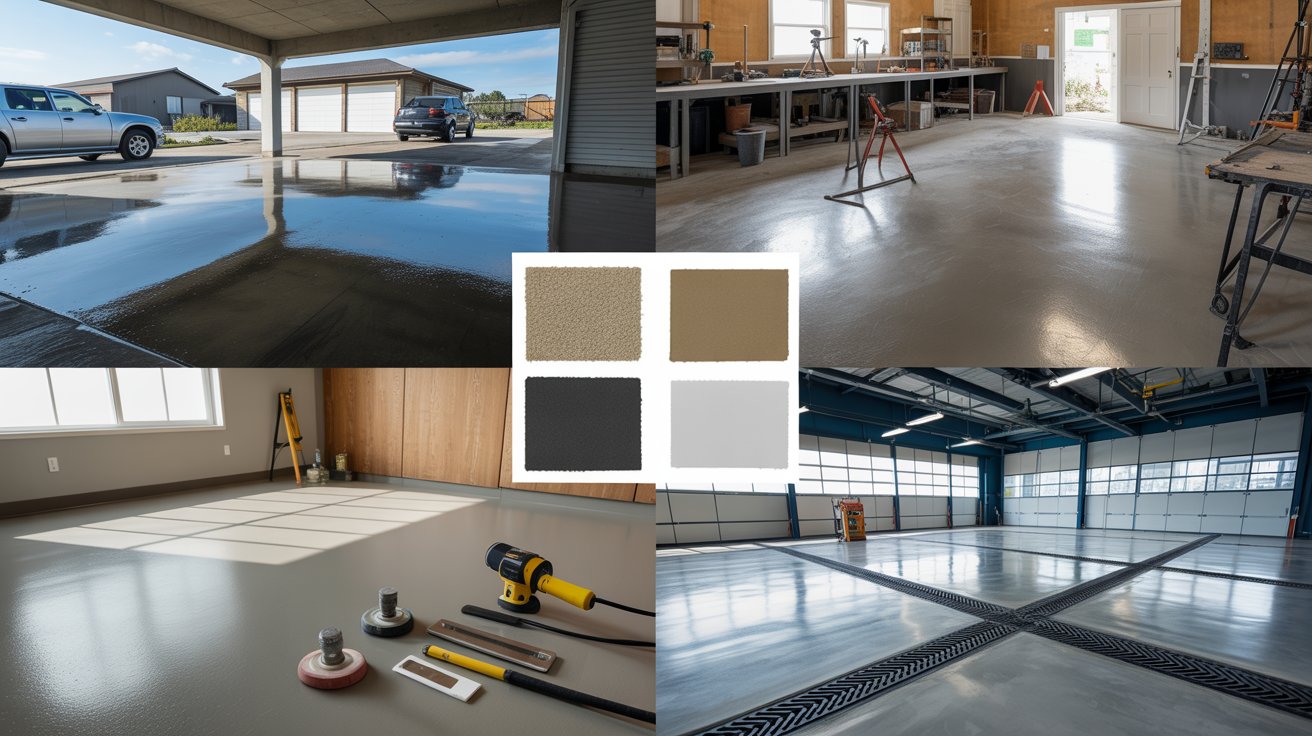
Epoxy paint may be right for your project if you need a harder, easier-to-clean surface and the product matches your substrate and exposure. It can make sense for garages, workshops, utility areas, and other concrete spaces that receive regular use.
I would look at four things before buying: the surface condition, expected traffic, moisture level, and chemical exposure. If the concrete has ongoing moisture problems or the area faces severe outdoor exposure, another coating system may be a better fit.
Also check whether the product is one-part or two-part, what preparation it requires, and how long it needs to cure. For a demanding garage or commercial floor, compare epoxy with alternatives such as polyurea or polyaspartic systems before making a final choice.
A lower-cost paint may be enough for light use, while a stronger epoxy system can make more sense for demanding areas.
Conclusion
Choosing a floor coating can feel confusing when several cans use the word epoxy. What is epoxy paint? It is a coating designed to provide more protection than many ordinary paints, but the actual performance depends on the formula and preparation.
If I were choosing one, I would read the technical data before looking at the color or price. Check the surface, moisture, traffic, and chemical exposure first. Then choose the product that fits those conditions.
Have you used epoxy paint on concrete? Share what worked for you, or check our related coating guides for more practical tips.
Frequently Asked Questions
How long does epoxy paint last?
Epoxy paint can last several years when applied to properly prepared surfaces and maintained according to the product instructions.
Can epoxy paint be applied over old paint?
Yes, but only if the existing coating is sound, compatible, and properly cleaned and prepared for epoxy.
Can epoxy paint be used outdoors?
Some epoxy products can be used outdoors, but UV exposure can cause discoloration, so check the product’s exterior-use rating.
How long should you wait before walking on epoxy paint?
The waiting time varies by product, temperature, and humidity, so follow the manufacturer’s stated foot-traffic cure time.