

Picking the right paint feels confusing when terms like latex, acrylic, and oil-based keep getting mixed up.
Most people ask one simple question:is latex paint water based or oil based?
I've painted walls, trim, and exterior surfaces across dozens of projects, and I know how one wrong choice leads to peeling, poor adhesion, or a costly redo.
In this article, you'll get a clear breakdown of each paint type, a side-by-side comparison, and a simple guide to picking the right one.
We cover latex paint, acrylic paint, oil-based paint, key differences, common mistakes, and expert tips. By the end, you will know exactly which paint fits your surface and your project.
Latex Paint (Water-Based Paint Explained)
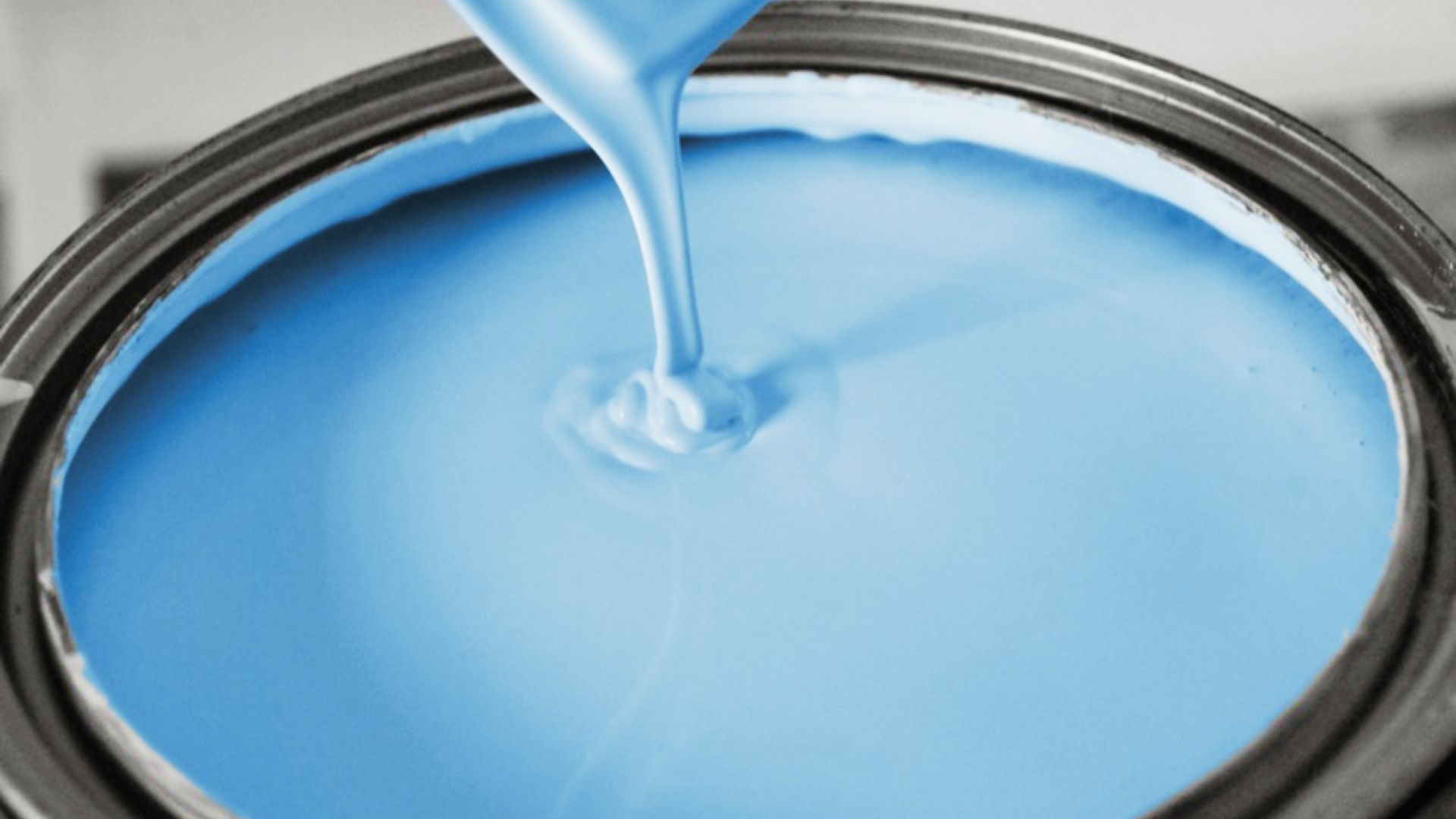
Latex paint is water-based and uses water as its main carrier. The name can be misleading since it contains no natural rubber latex.
It dries fast, has a low odor, and cleans up with just soap and water. Its binder is usually a synthetic polymer like vinyl or a basic acrylic blend.
It works well for interior walls, ceilings, and dry areas. It is affordable and beginner-friendly but less durable in high-moisture or high-traffic spaces.
Cold temperatures below 50°F can also affect how it cures and bonds to surfaces.
Acrylic Paint (Stronger Water-Based Alternative)

Acrylic paint is also water-based but uses a 100% acrylic polymer binder, making it stronger and more flexible than standard latex.
It resists UV rays, moisture, and temperature changes, which makes it a reliable choice for exterior surfaces.
It bonds well to wood, concrete, and previously painted areas with proper prep. Cleanup is still easy with soap and water.
The trade-off is cost since acrylic paint is priced higher than basic latex. For any surface that faces harsh conditions or heavy daily use, acrylic consistently outperforms standard latex over time.
Oil-Based Paint (Traditional Durable Paint Type)

Oil-based paint uses natural or synthetic oil, most often alkyd, as its binder.
It dries slowly, sometimes taking 8 to 24 hours between coats, but that slow dry time allows it to self-level and produce a hard, smooth, glossy finish.
It is highly scratch-resistant and bonds well to bare wood and metal. The downsides are real: strong fumes, high VOC levels, and cleanup requiring mineral spirits instead of water.
It is not practical for large interior walls but remains the go-to choice for trim, doors, and cabinets where a tough, lasting finish matters most.
Comparison Table: Latex vs Acrylic vs Oil Paint
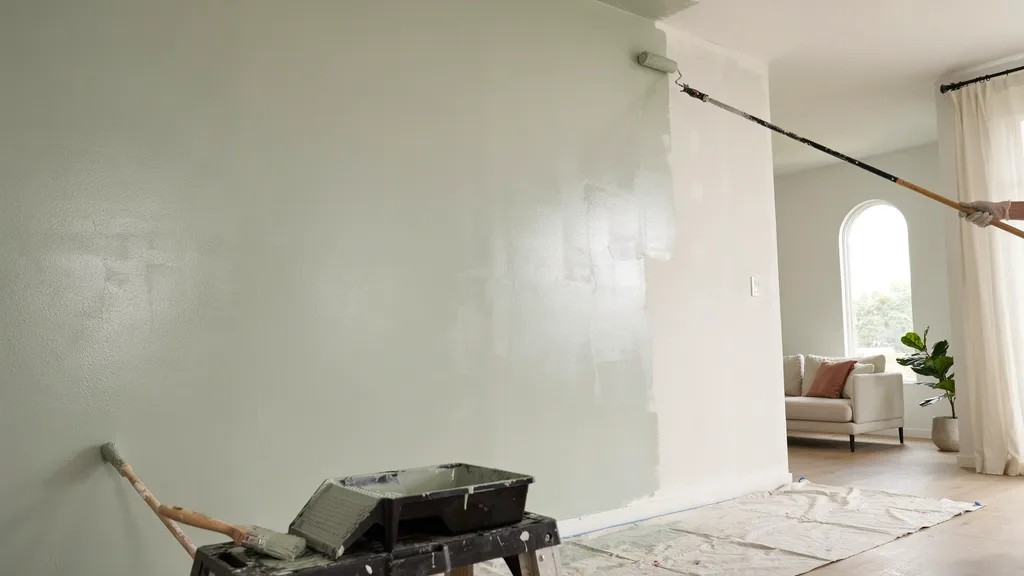
Not sure which paint type suits your project? This table breaks it down clearly so you can decide fast.
| Feature | Latex Paint | Acrylic Paint | Oil-Based Paint |
| Base Type | Water-based | Water-based | Oil-based |
| Drying Time | Fast | Fast | Slow |
| Odor | Low | Low | Strong |
| Durability | Medium | High | Very High |
| Flexibility | Medium | High | Low |
| Adhesion | Good | Excellent | Excellent |
| Cleanup | Soap & water | Soap & water | Solvents required |
| Best Use | Interior walls & ceilings | Exterior & multi-surface use | Trim, doors, cabinets |
| VOC Levels | Low | Low | High |
| Cost | Low | Medium | High |
Each paint type has its place. Matching the right one to your surface from the start saves you time, money, and the frustration of redoing the job later.
Is Latex Paint Water Based or Oil Based?

This is one of the most searched questions in the paint category, and the answer is straightforward.
Clear Answer: Latex Paint Is Water-Based
Latex paint is water-based. Water is its main carrier, it cleans up with soap and water, dries fast, and produces low odor.
The word "latex" simply refers to a type of water-based paint with a synthetic polymer binder, not a separate paint category.
Why People Get Confused Between Latex and Oil Paint
The confusion comes from the name.
Latex sounds like its own material, and both paint types can look similar once dry, especially in flat finishes, making it hard to tell them apart without knowing what was applied before.
How to Identify Water-Based vs Oil-Based Paint on Surfaces
Oil-based paint feels harder and tends to yellow over time in low-light areas, while water-based paint holds its color and stays more flexible.
Checking the original paint can label is the quickest and most reliable way to confirm the type.
Simple Test to Check Paint Type Before Repainting
Rub a cotton ball soaked in rubbing alcohol on a small painted area.
If paint transfers onto the cotton ball, it is water-based. If nothing comes off, it is most likely oil-based.
Which Paint Is Best for Your Project?
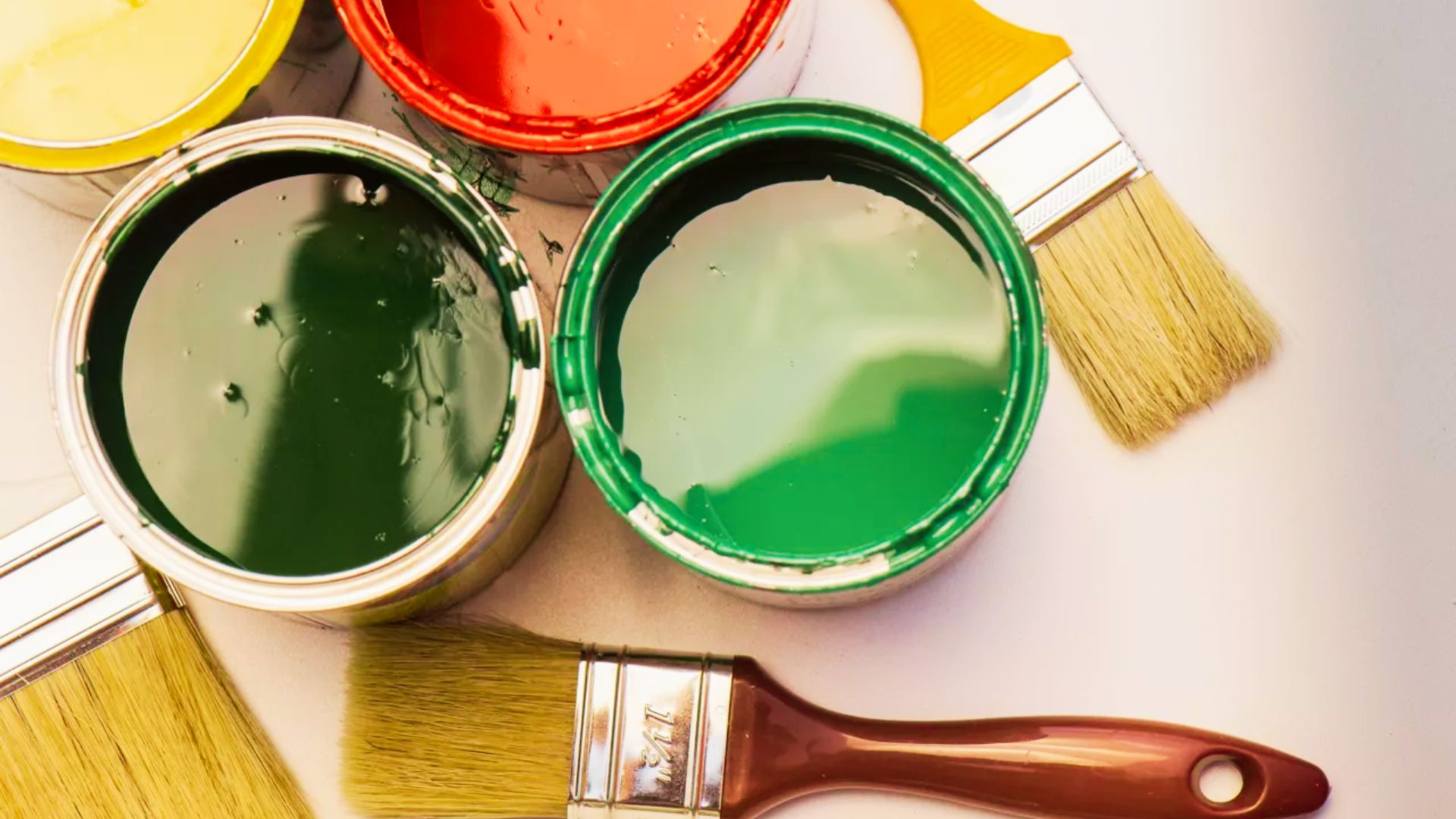
The right paint depends on what surface you are working on and what conditions it faces.
Best Paint for Interior Walls and Ceilings
Latex paint is the most practical choice for interior walls and ceilings. For high-traffic areas like hallways or children's rooms, a water-based acrylic formula with better washability works best.
Best Paint for Exterior Surfaces
Acrylic paint handles UV exposure, rain, and temperature swings better than latex. A 100% acrylic exterior paint gives the best long-term results without frequent repainting.
Best Paint for Wood, Trim, and Cabinets
Oil-based paint gives the hardest and smoothest finish on wood trim, doors, and cabinets. High-quality acrylic paints now offer a similar hard finish with faster dry times if you want to skip the fumes.
Quick Recommendation Guide Based on Use Case
Interior walls and ceilings need latex paint. Exterior walls and siding work best with acrylic. Trim, doors, and cabinets suit oil-based or high-quality acrylic.
Bathrooms and high-moisture areas call for mildew-resistant acrylic. Metal surfaces do well with oil-based or rust-inhibiting acrylic paint.
Expert Tips for Choosing the Right Paint
Small decisions in the planning stage make a big difference in the final result.
- Always match paint type to the surface and environment before buying.
- Test the existing surface with rubbing alcohol before switching paint types.
- Use low-VOC or zero-VOC paints for any indoor project to protect air quality.
- Buy a slightly more durable paint upfront to avoid frequent repainting later.
- Never skip primer, especially when switching from oil-based to water-based paint.
Conclusion
Now you know that latex paint is water-based, acrylic offers stronger performance, and oil-based paint wins on hard, glossy finishes.
Matching the right paint to your surface from the start saves you time, money, and frustration. Check the existing surface, pick the right type, and never skip primer.
If this guide helped you make a confident decision, share it with someone planning a paint project. Drop your questions in the comments and we will help you out.
Frequently Asked Questions
Is latex paint water based or oil based?
Latex paint is water-based and uses water as its main carrier.
Is latex paint the same as acrylic paint?
No. Both are water-based, but acrylic paint is more durable and flexible due to its 100% acrylic binder.
Can you paint latex over oil-based paint?
Yes, but only after applying a proper bonding primer to the existing surface first.
Which is better, latex or oil-based paint?
Latex is better for most interior projects, while oil-based paint is preferred for high-durability surfaces like trim and cabinets.
Is water-based paint better than oil-based paint?
Water-based paint is easier to apply, safer indoors, and quicker to dry. Oil-based paint is more durable and better for surfaces that face heavy wear.