

Painting is older than written language. It has colored wars, shaped cultures, and decorated some of the most famous buildings in the world.
In this blog, you will find facts about painting that most people have never heard of. From caves to the White House, each fact tells a story.
I have spent time researching the history and science behind paint. This article breaks it all down in simple, clear terms.
Here is what you will find inside:The oldest paintings known to humans How colors once had political power Why mixing paint matters more than you think
What Makes Painting So Fascinating?
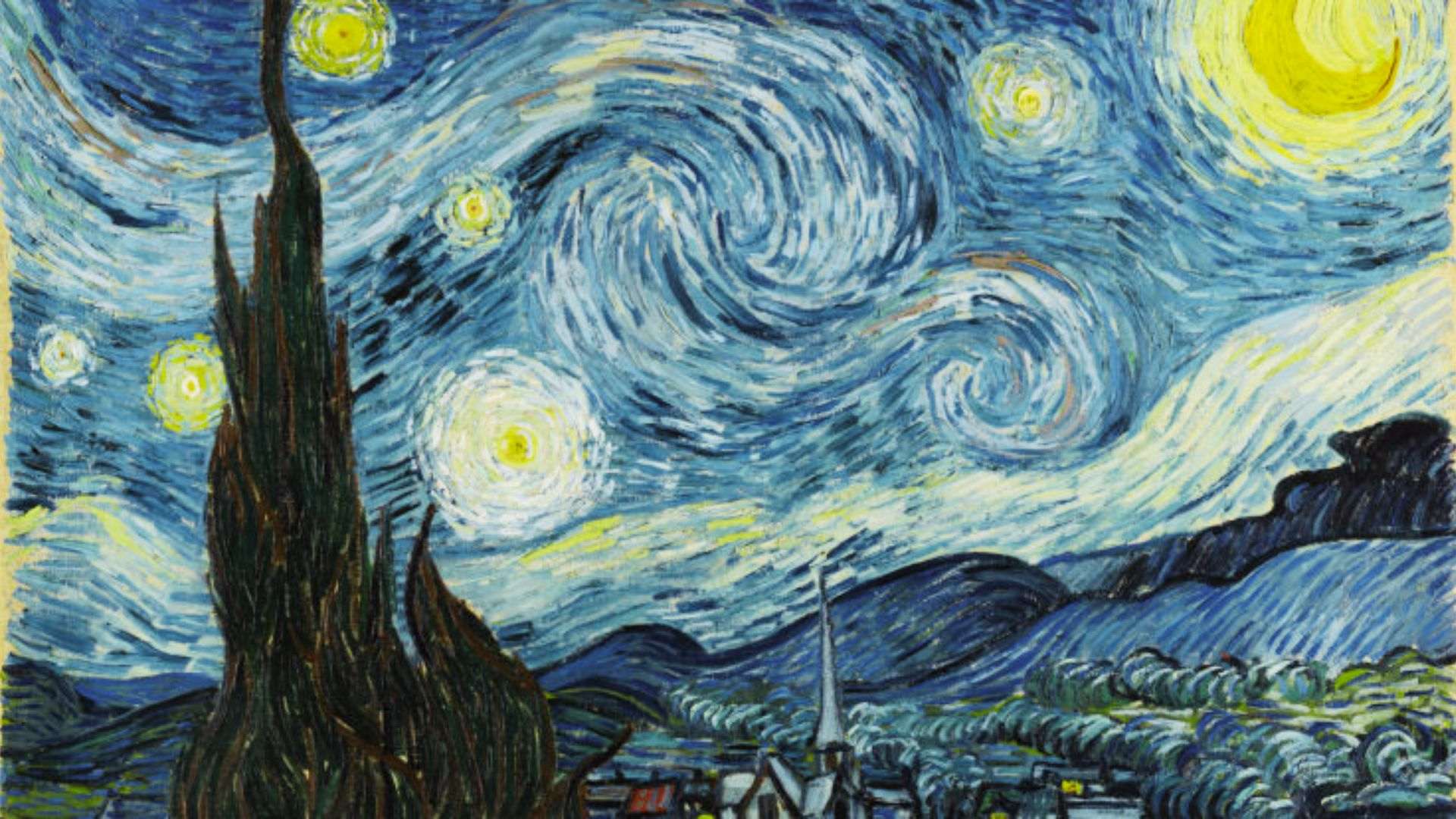
Painting connects the past and the present in ways most people never stop to think about.
Painting is not just about color on walls. It carries history. It holds meaning. And it has been part of human life for tens of thousands of years.
Think about this. Before people had words to write, they had paint. They used it to tell stories, mark places, and express emotion.
Paint has been used in wars, churches, royal courts, and everyday homes. It has been made from snails, eggs, blood, and rocks. That is what makes painting so fascinating. It is history you can see.
19 Facts About Painting You Didn't Know Before (Fun Facts About Painting)
Most people think of paint as something on walls or canvas. But there is so much more to it.
1. Cave Paintings Are Over 30,000 Years Old
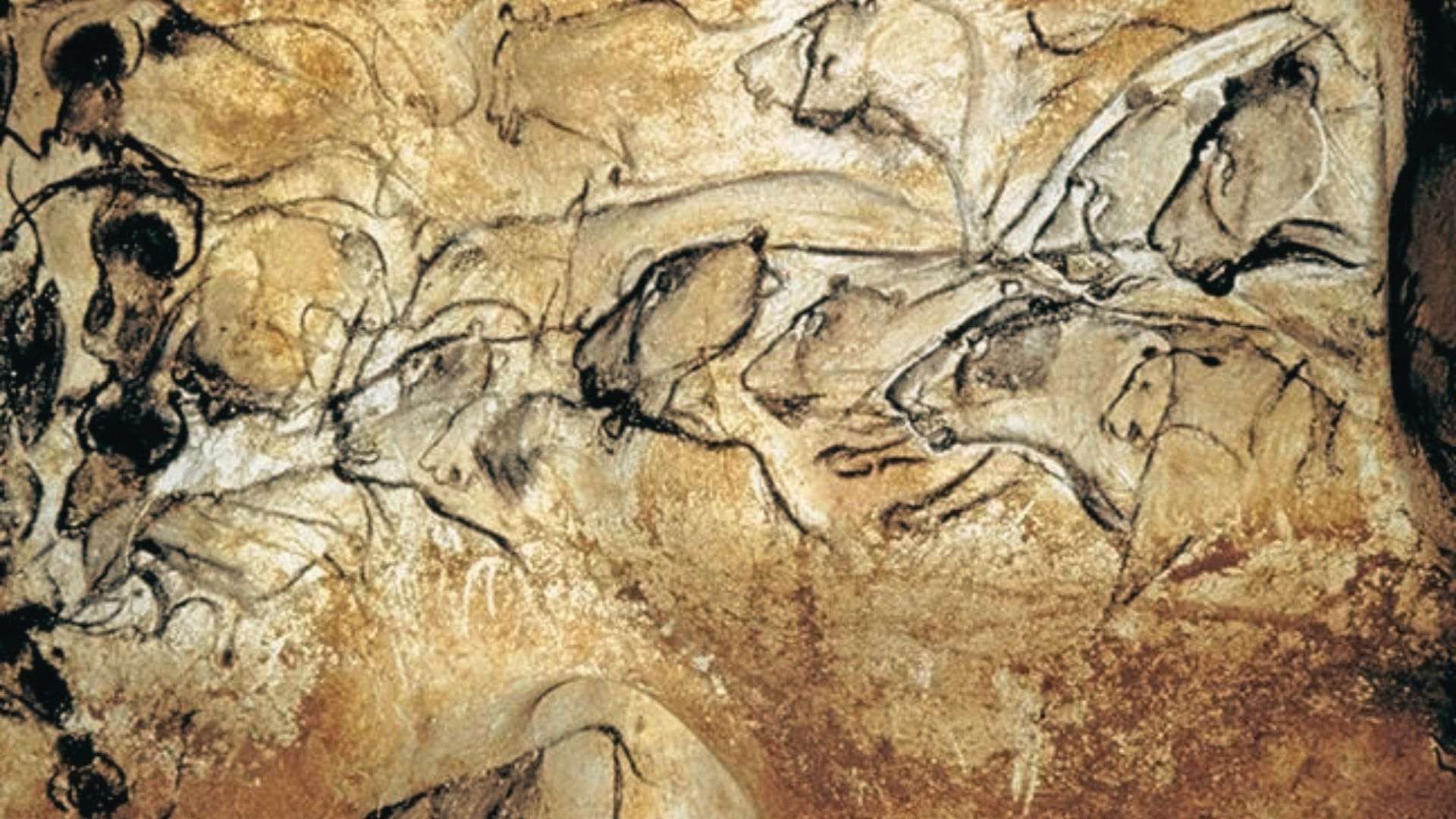
Some of the oldest cave paintings found are more than 30,000 years old. Early humans made them with purpose, showing animals, hands, and daily life scenes.
2. Early Humans Used Bone Spray Tools
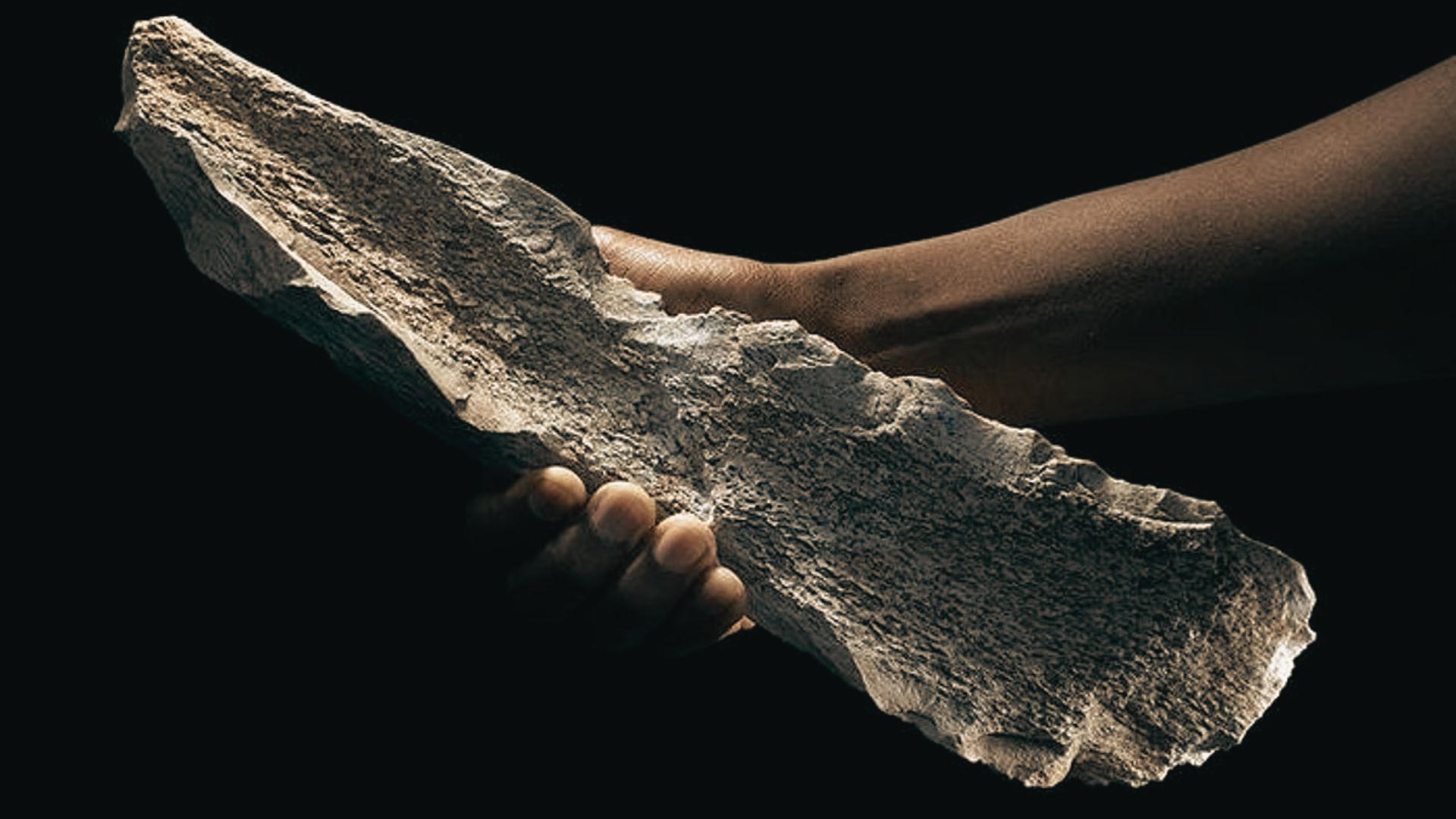
Early humans blew pigment through hollow bones to create shapes on cave walls. This is one of the earliest spray techniques, used long before modern spray cans existed.
3. Ancient Paint Used Natural Materials
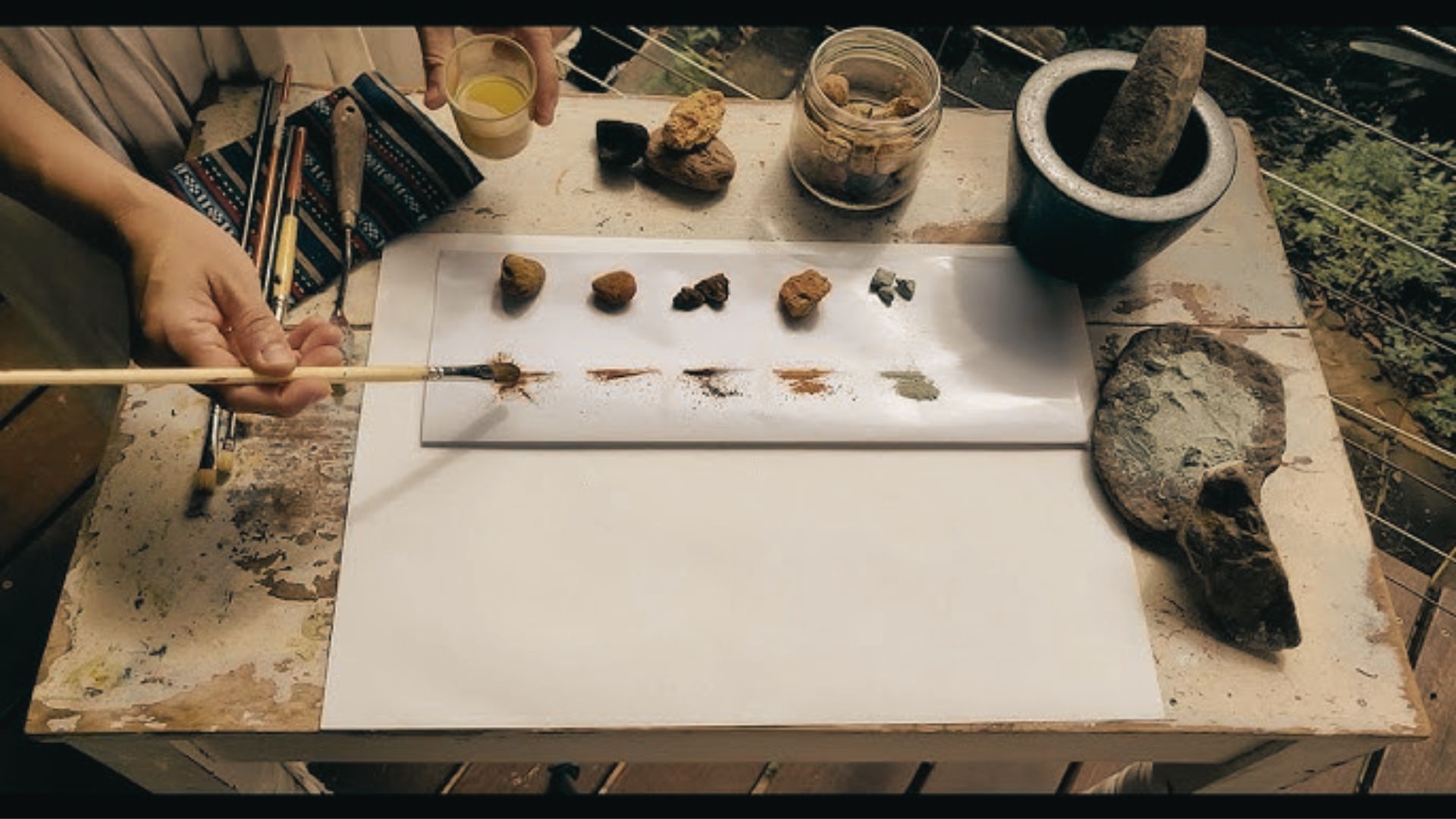
People made paint from crushed berries, charcoal, clay, and colored rocks. These natural materials gave early paintings their earthy tones still visible in caves today.
4. Purple Was Once More Valuable Than Gold

In ancient times, purple was incredibly rare and costly. Only kings, emperors, and high priests were allowed to use it. At its peak, purple dye cost more than gold by weight.
5. Tyrian Purple Came From Sea Snails

Tyrian purple was made from a specific species of sea snail. Thousands of snails were needed to produce just a small amount of dye, making it a symbol of royalty across many civilizations.
6. Painting Was Once an Olympic Event

Between 1912 and 1948, the Olympic Games included art competitions. Painting was one of the categories, and medals were awarded just like in physical events.
7. Sistine Chapel Took 4 Years
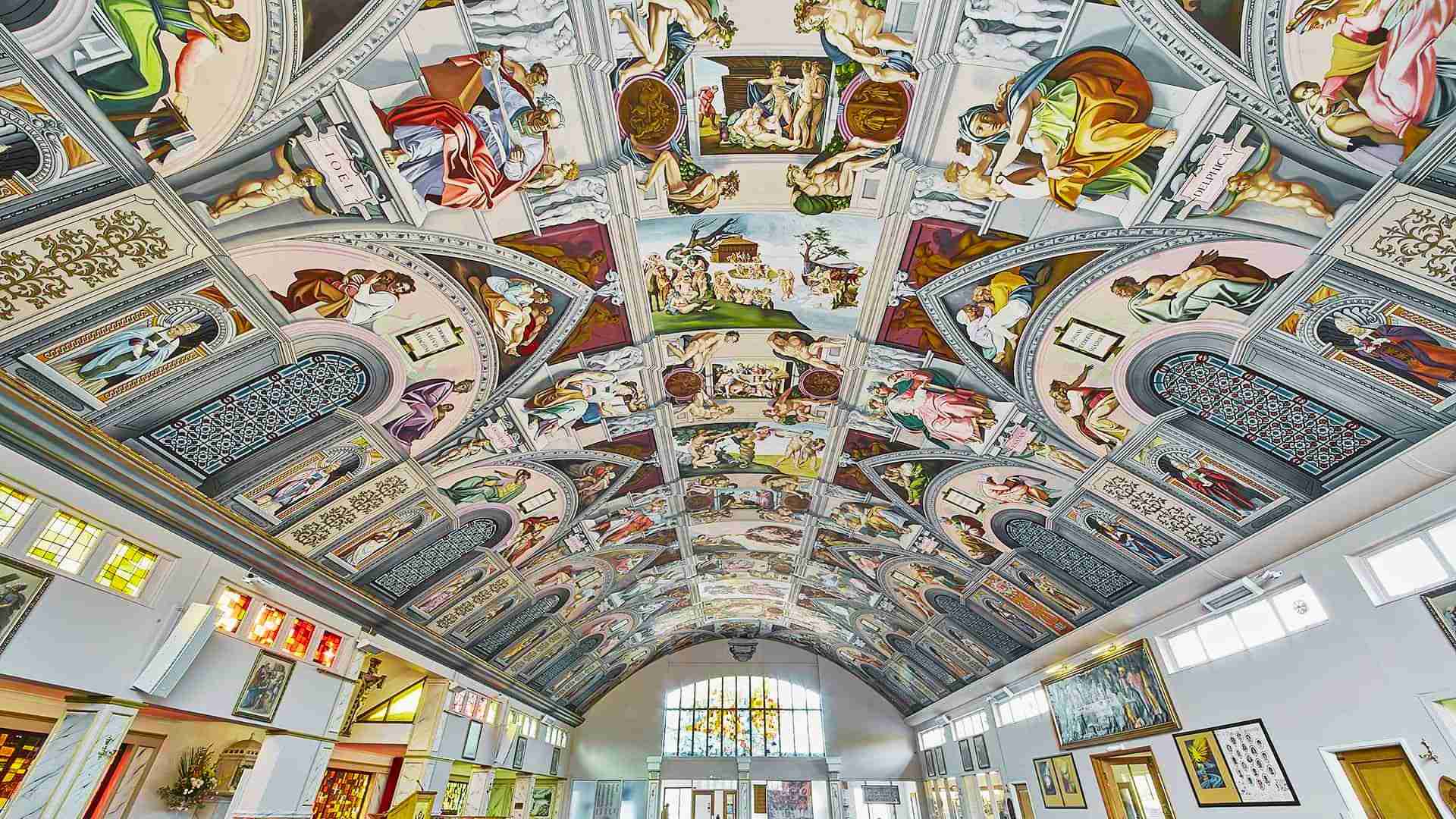
Michelangelo painted the Sistine Chapel ceiling between 1508 and 1512. He worked on scaffolding, looking up for hours each day, covering over 5,000 square feet of surface.
8. Restoration Took 20 Years

Cleaning and restoring the Sistine Chapel ceiling took about 20 years. When finished in 1994, people were shocked to see how bright and vivid the original colors actually were.
9. White House Was Painted for Protection

The White House was first painted white in 1798. The paint contained lime, which helped protect the stone exterior from moisture and harsh weather conditions.
10. Modern Paint Cans Started in 1866

The first ready-to-use paint in a can was introduced in 1866. Before this, people mixed their own paints at home from raw ingredients, which was time-consuming and messy.
11. Spray Paint Created Graffiti Culture

When aerosol spray paint became widely available in the mid-20th century, it gave rise to graffiti art. Young people in cities used it to create large-scale artwork on walls and public surfaces.
12. Color Meanings Vary Across Cultures

White means celebration in many Western countries but is worn during mourning in parts of Asia. Red means luck in China but signals danger in other contexts. Color is not universal.
13. Black Can Symbolize Life in Some Traditions

In ancient Egypt, black was connected to the fertile soil of the Nile and represented life and renewal. This shows that color meaning is shaped by culture and history, not just common perception.
14. Humans See More Shades of Green
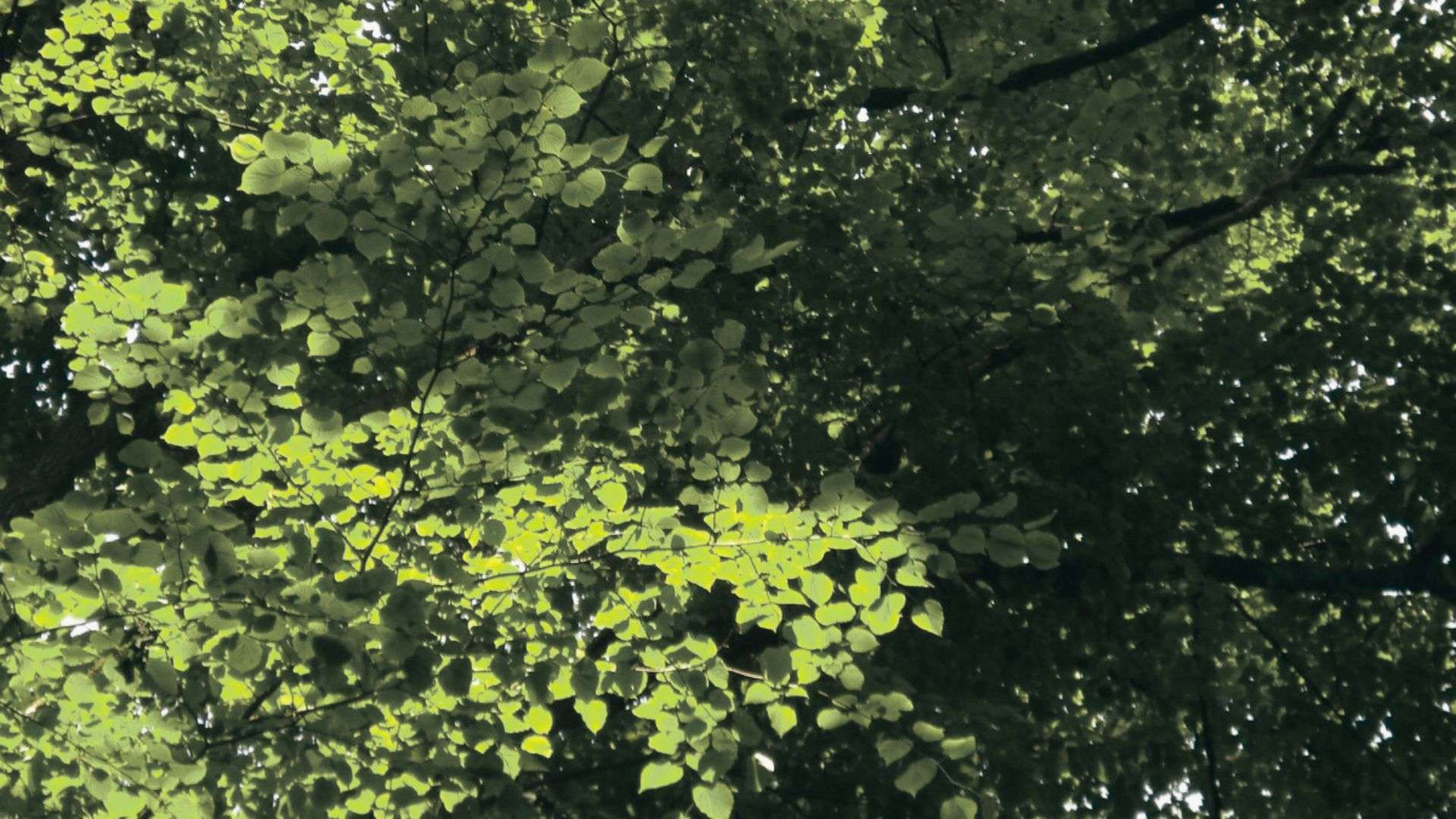
The human eye can see more shades of green than any other color. This is linked to our ancestors needing to spot differences in plants and vegetation for survival.
15. Ancient Paint Used Eggs and Blood

Some of the earliest paints were made using egg whites, egg yolks, and animal blood as binding agents. Egg tempera was widely used in European art during the medieval period.
16. Monks Preserved Manuscripts With Paint

In medieval Europe, monks used detailed painted illustrations to decorate religious manuscripts. These hand-painted pages were created with gold, silver, and vivid pigments and have survived for hundreds of years.
17. Wall Texture Affects Paint Usage

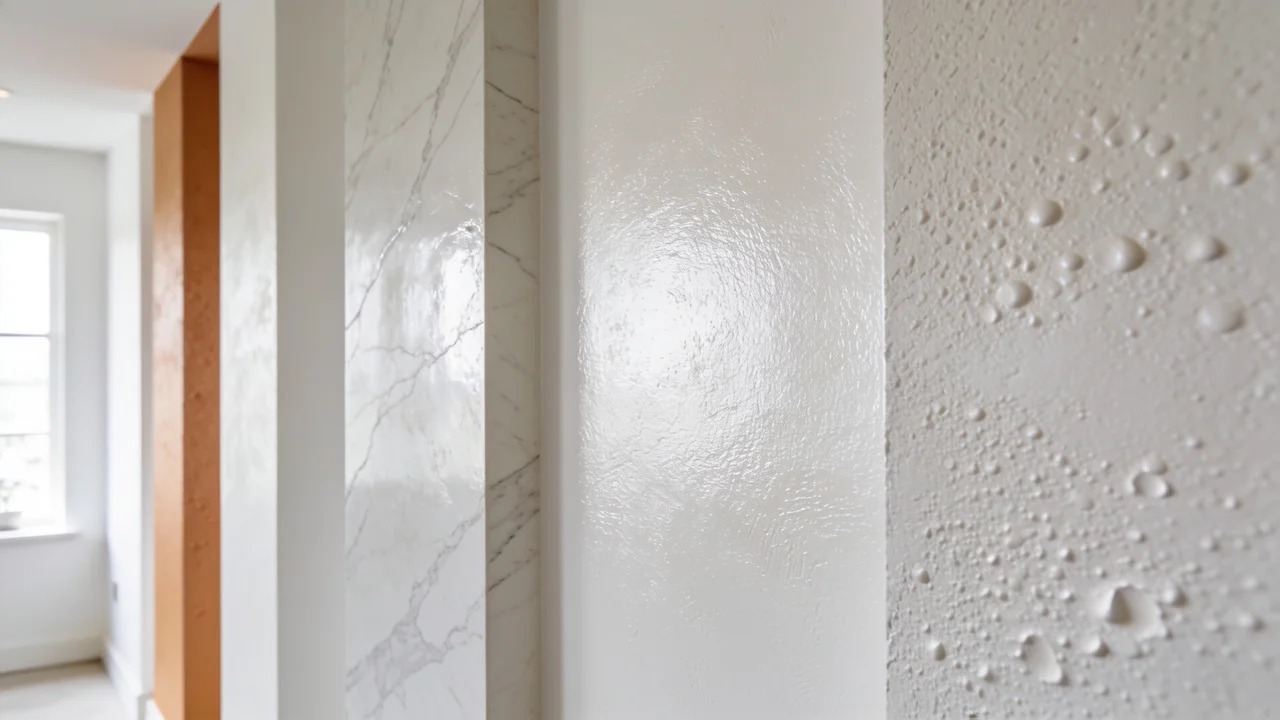
Rough wall surfaces can absorb up to 30 percent more paint than smooth ones. This is why professionals always plan carefully and recommend buying extra paint for textured walls.
18. Lead Paint Was Banned in 1978
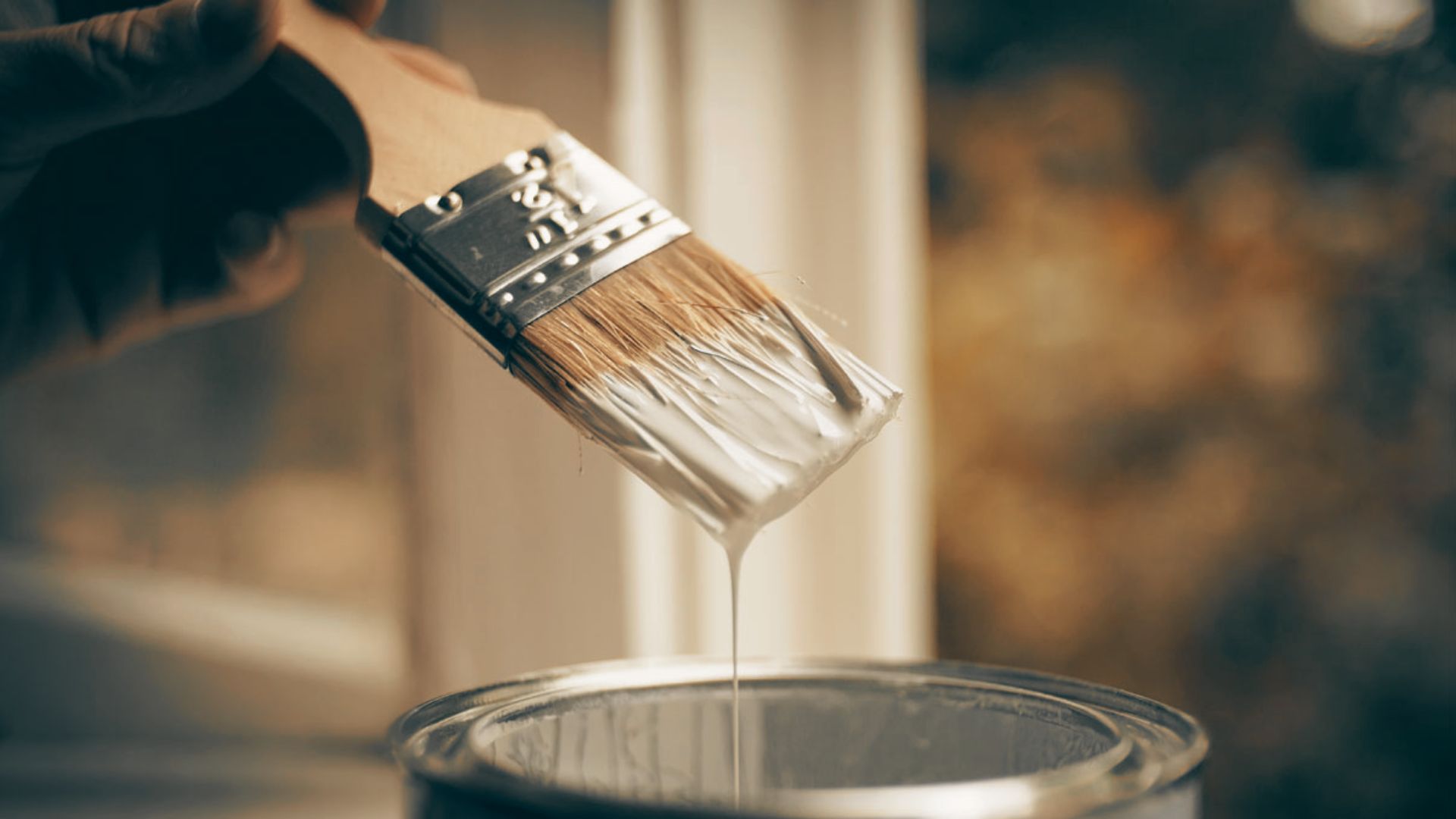
Lead-based paint was common in homes for many years. After research showed serious health risks, especially for children, the United States banned lead paint for residential use in 1978.
19. Mixing Paint Ensures Color Consistency

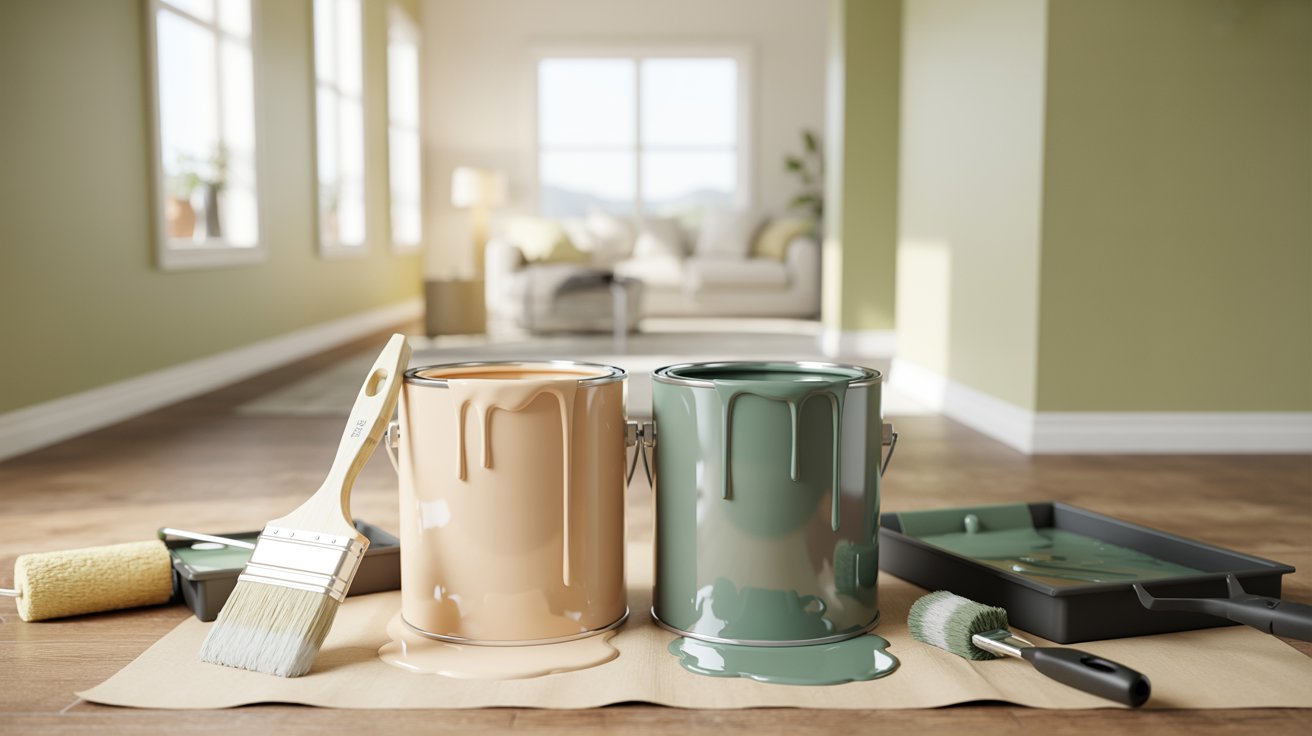
Slight differences in shade can occur between paint batches. Painters mix all cans together in one large container before starting. This process, called boxing the paint, keeps color consistent throughout.
How Painting Has Evolved Over Time

Painting has come a long way from cave walls to modern homes and skyscrapers.
From Natural Pigments to Synthetic Paints
Thousands of years ago, people crushed rocks and plants to make color. Today, chemists produce synthetic pigments that are brighter, more stable, and far easier to use.
Evolution of Brushes, Tools, and Techniques
Early painters used sticks, fingers, and hollow bones. Over centuries, tools improved to include rollers, spray guns, and precision applicators that changed what was possible.
Shift From Handmade Art to Industrial Production
Paint was once made by hand in small batches. The industrial revolution changed this, making paint affordable and accessible for ordinary people everywhere.
How Modern Technology Improved Paint Durability
Modern paints resist moisture, heat, UV rays, and mildew. Some specialty paints last 15 to 20 years without fading, far longer than anything used in the past.
Tips for Better Painting Results
A few smart habits before and during painting can make a big difference in the final look.
- Test your color on a small wall section before committing. Let it dry fully first.
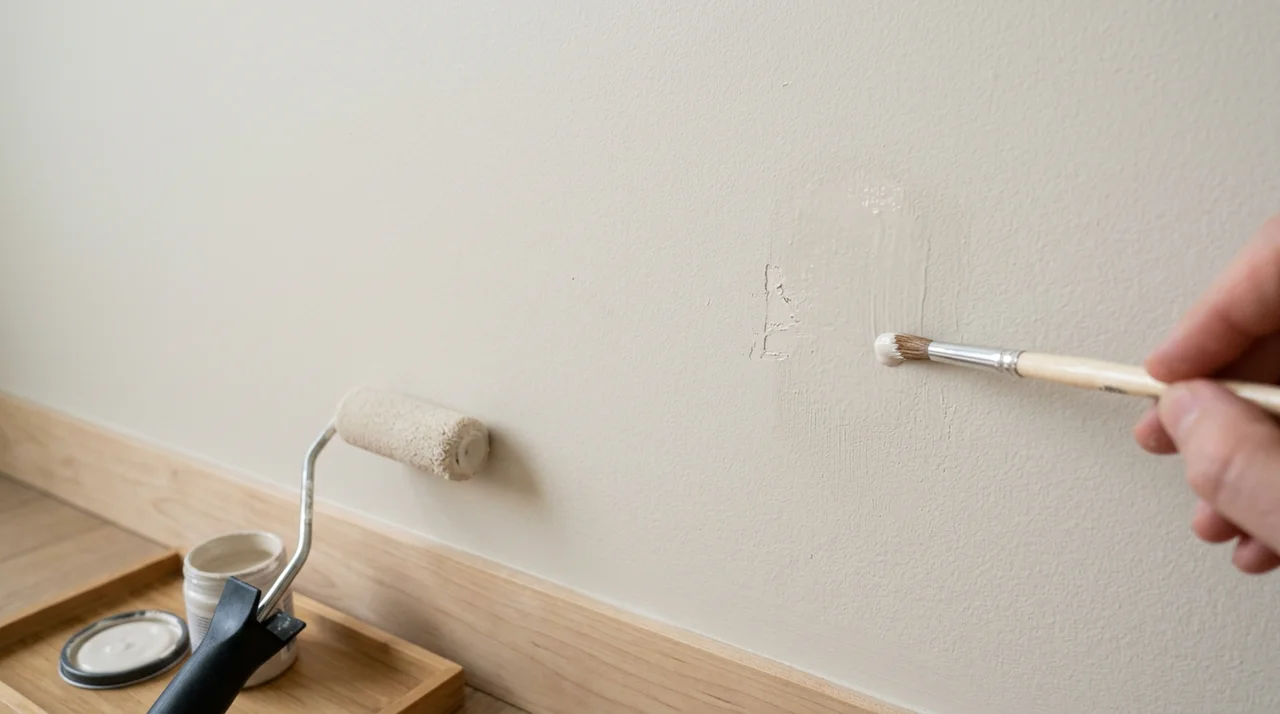
- Always apply primer before painting for better adhesion and fewer coats needed.
- Mix all paint cans together in one bucket to keep color consistent throughout.
- Check your wall color at different times of day as lighting changes how shades look.
- Buy extra paint for textured walls since rough surfaces absorb significantly more.
Conclusion
I never thought much about paint until I started looking into its history. Now I see it completely differently. Paint is not just a product.
It is a story that goes back over 30,000 years. From cave walls to the Sistine Chapel to the home I live in, paint has been part of human life in ways most of us never think about.
These facts about painting changed how I look at color and history. Share this with someone who loves art. Drop a comment below and tell me which fact surprised you most.
Frequently Asked Questions
What Are Some Fun Facts About Painting?
Painting was once an Olympic event, cave paintings are over 30,000 years old, and purple dye once cost more than gold.
Why Is Painting Important in History?
Painting helped people record history and share ideas long before written language existed. It has shaped cultures across thousands of years.
What Was Ancient Paint Made Of?
Ancient paint was made from crushed rocks, plant extracts, animal blood, and egg yolk mixed into pigments.
How Does Paint Affect Mood and Psychology?
Blue tones bring calm, red increases energy, and yellow lifts mood. Colors strongly shape how people feel in a space.
Why Do Cultures See Colors Differently?
Color meanings are shaped by history and tradition. A color meaning celebration in one culture may mean mourning in another.