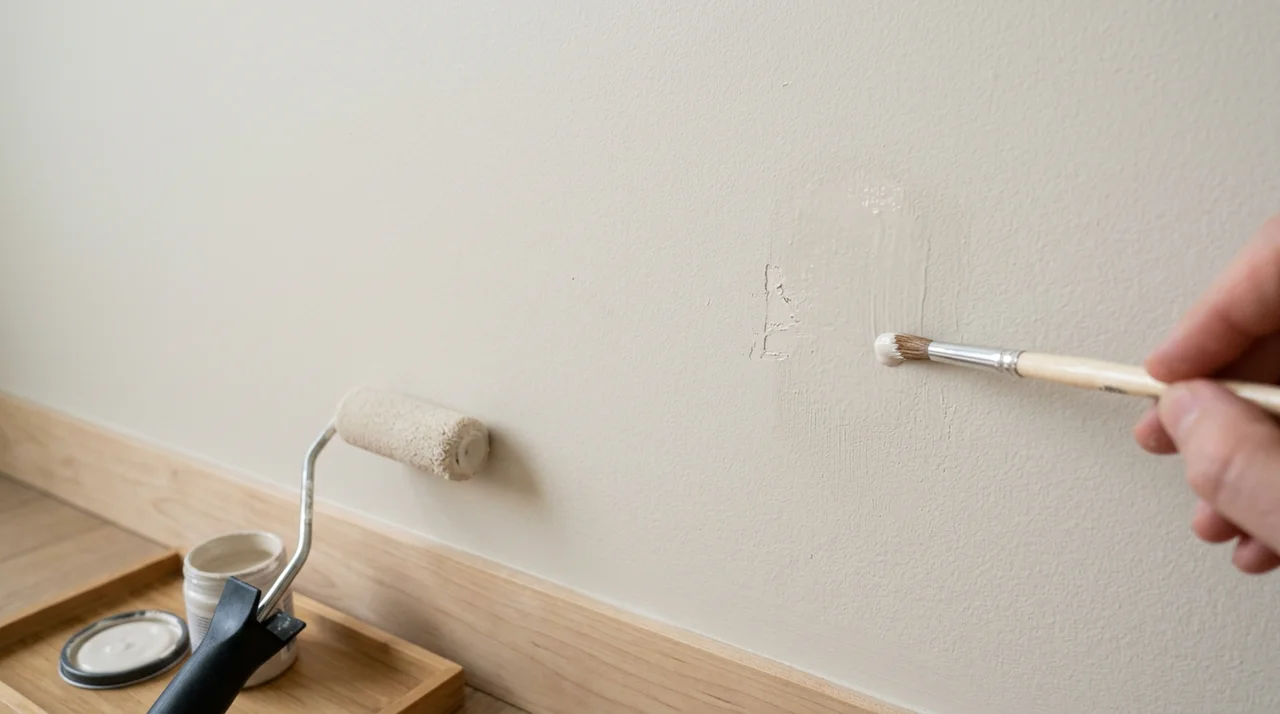


Picking the right wall finish is not as simple as it looks. Walk into any home improvement store and you will find dozens of drywall texture options staring back at you. It can get overwhelming fast.
This guide breaks down 19 drywall texture options, from basic smooth finishes to bold artistic designs.
You will learn what each one looks like, where it works best, and how to choose the right one for your space.
I have been researching and writing about home finishing for years, so the information here is practical and reliable.
We will cover textures, selection tips, and expert advice. Let us get started.
What Are Drywall Texture Options?
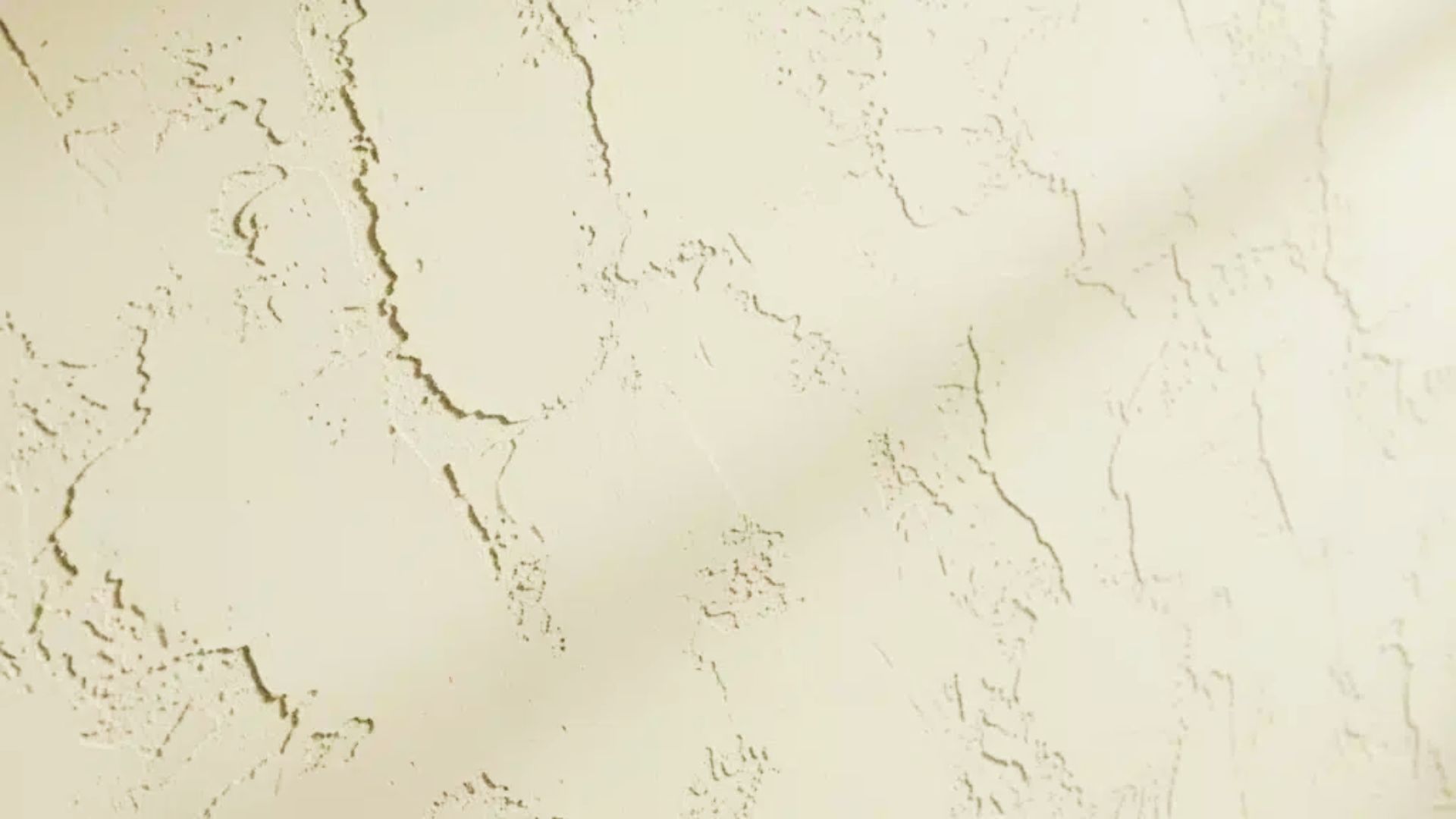
After drywall is installed, the surface is plain and flat. Most homeowners do not leave it that way.
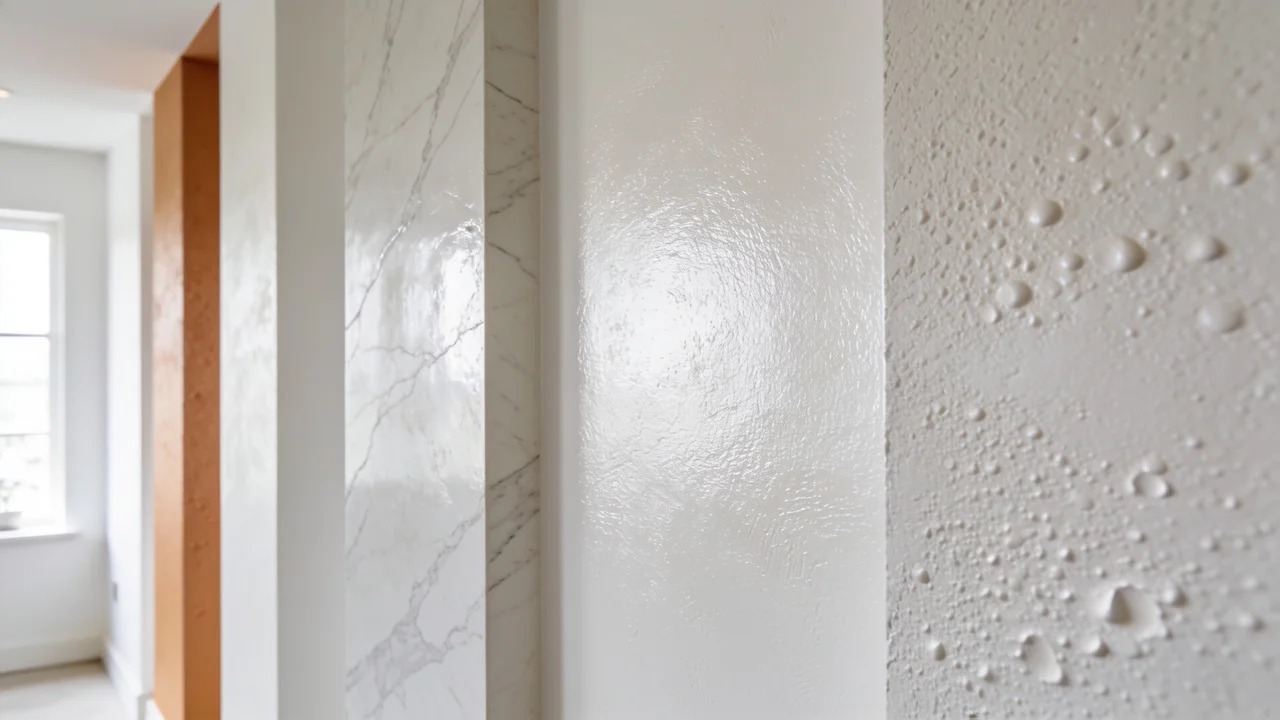
Drywall texture options are the different surface finishes applied to walls and ceilings using joint compound, spray tools, or hand tools.
These finishes serve two purposes. They hide surface flaws, seams, and imperfections. They also add visual depth to plain walls.
Textures range from very light to heavy and bold. Some are sprayed on with a machine. Others are applied by hand using brushes or trowels.
The finish you choose changes how a room feels. Knowing your options helps you make a smarter decision for your home.
19 Drywall Texture Options You Can Choose From
Choose the right finish by knowing what each drywall texture option looks like and where it works best.
1. Smooth Drywall Texture
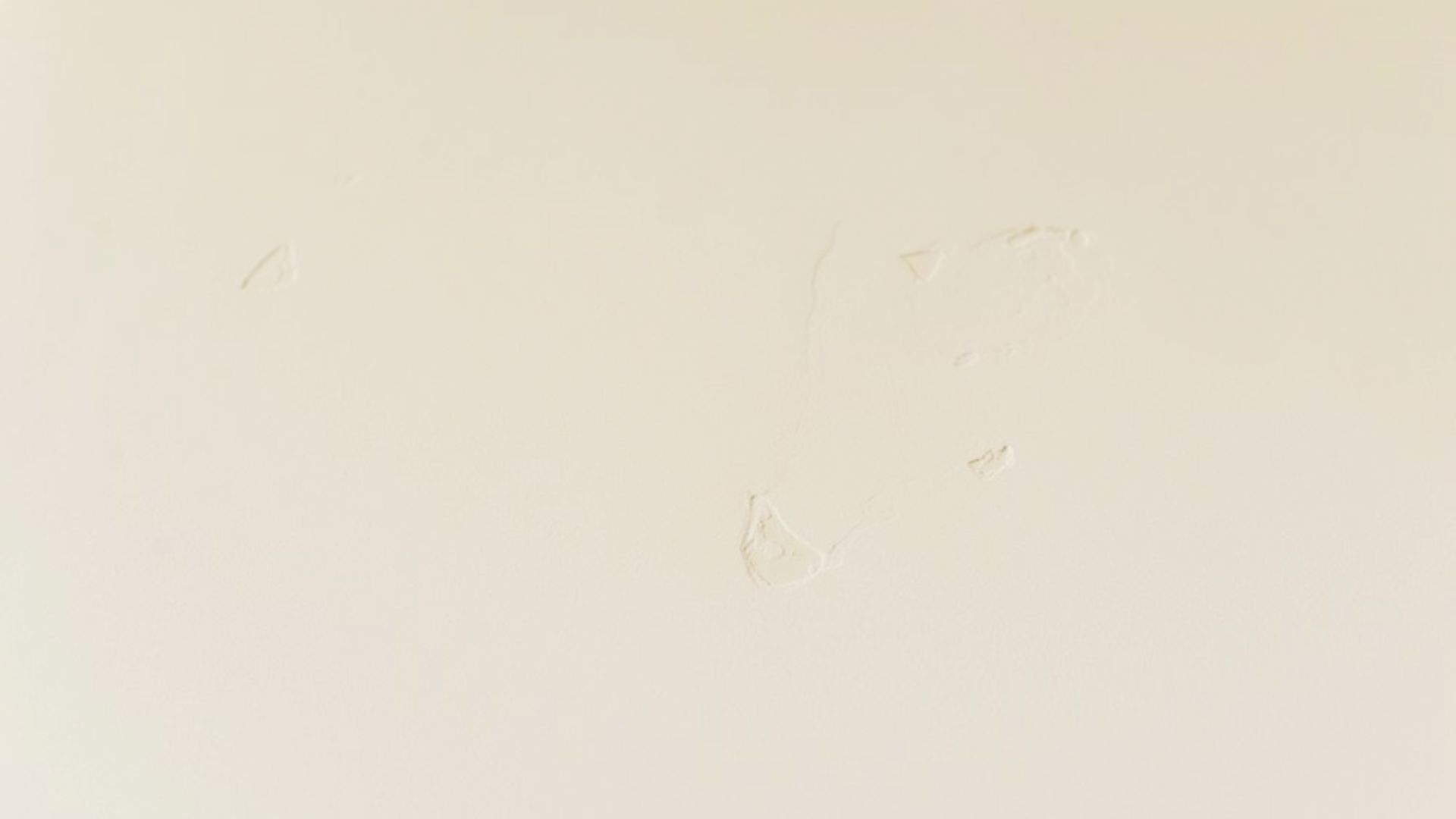
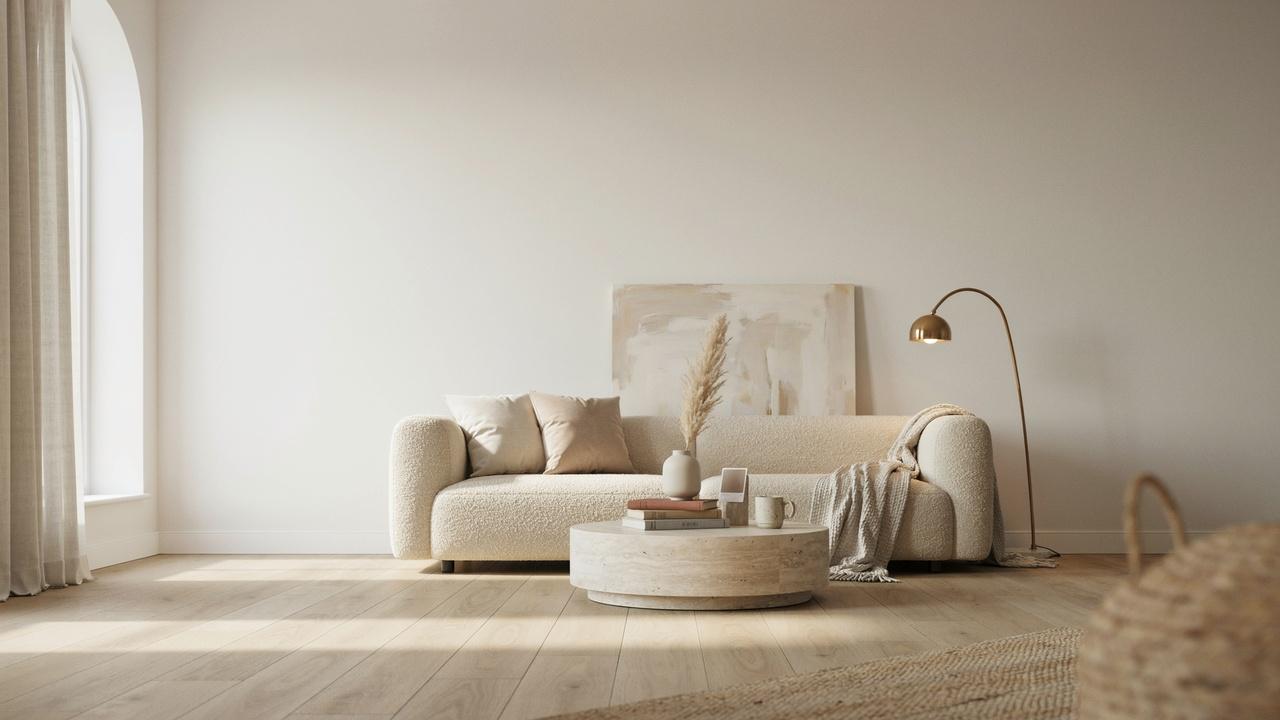
The wall is sanded and finished until completely flat with no pattern. It works best in modern spaces but requires perfect surface prep since it shows every flaw.
2. Popcorn Drywall Texture

This rough, bumpy finish was popular in older homes and is mostly used on ceilings. It hides flaws well but collects dust and is considered outdated by most homeowners today.
3. Orange Peel Texture
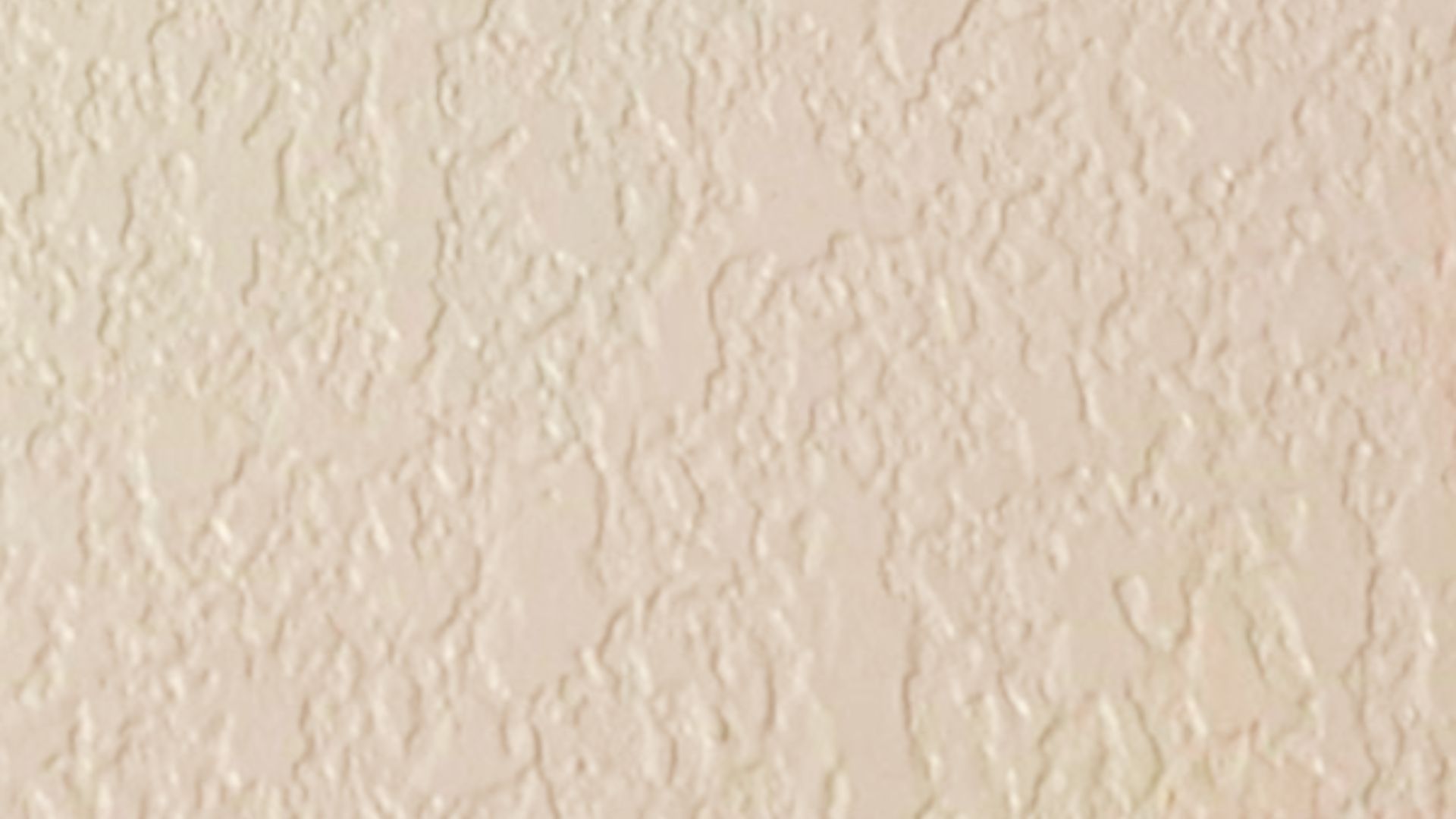
This subtle, rounded bumpy pattern looks like orange skin and is one of the most common finishes in American homes. It is sprayed on and works well in almost any room.
4. Knockdown Texture

Joint compound is sprayed on and then lightly flattened with a trowel before drying. This creates a random, mottled finish that hides imperfections well and is very common in newer homes.
5. Skip Trowel Texture
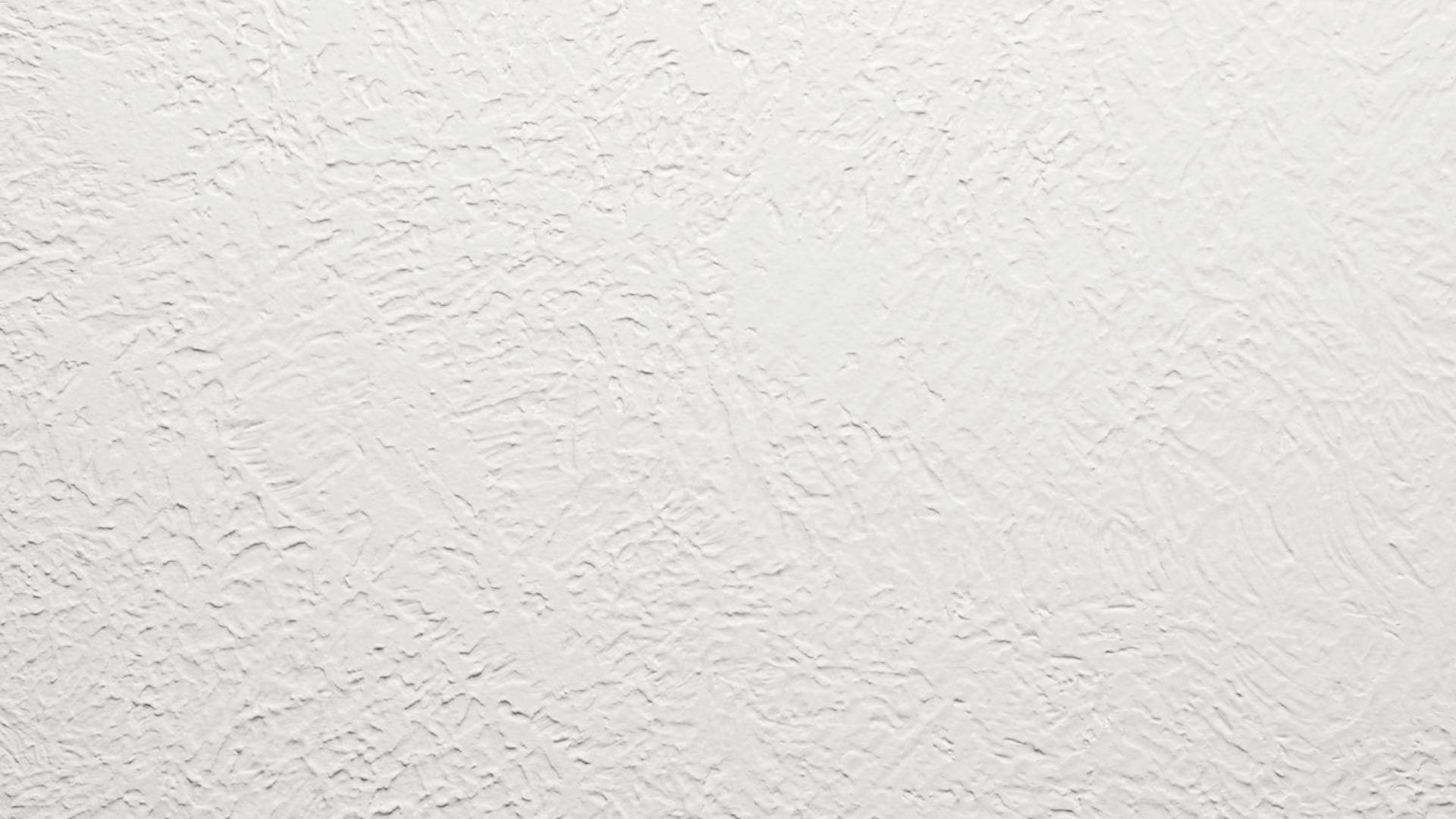
A trowel is used to spread thin layers of compound in a random pattern across the wall. The result is a layered, irregular look that usually requires a professional to apply evenly.
6. Lace (Spanish Lace) Texture
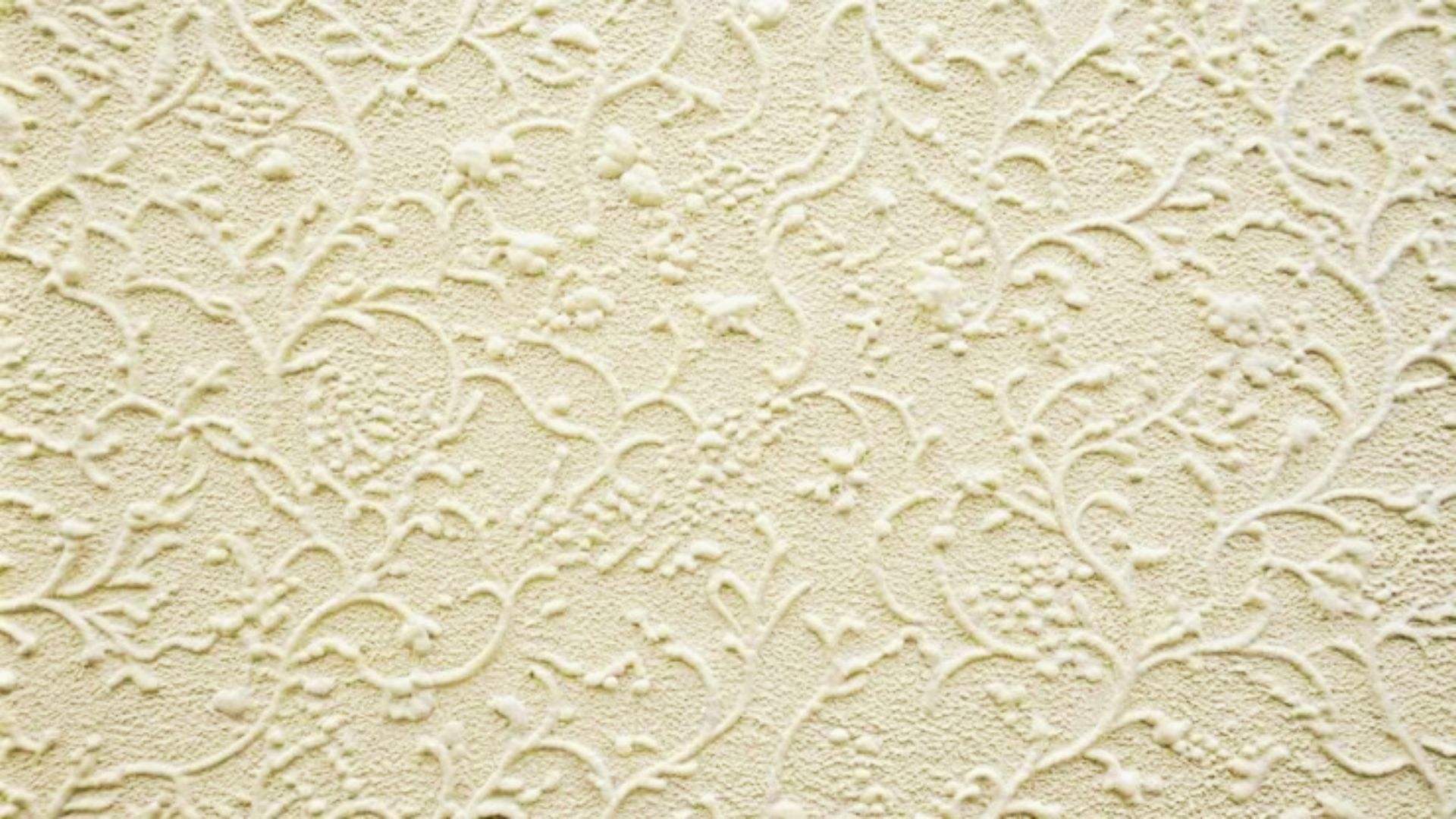
A base coat is applied and then partially wiped away to create a soft, lacy pattern. It is a traditional finish often seen in older and Spanish-style homes.
7. Sand Swirl Texture
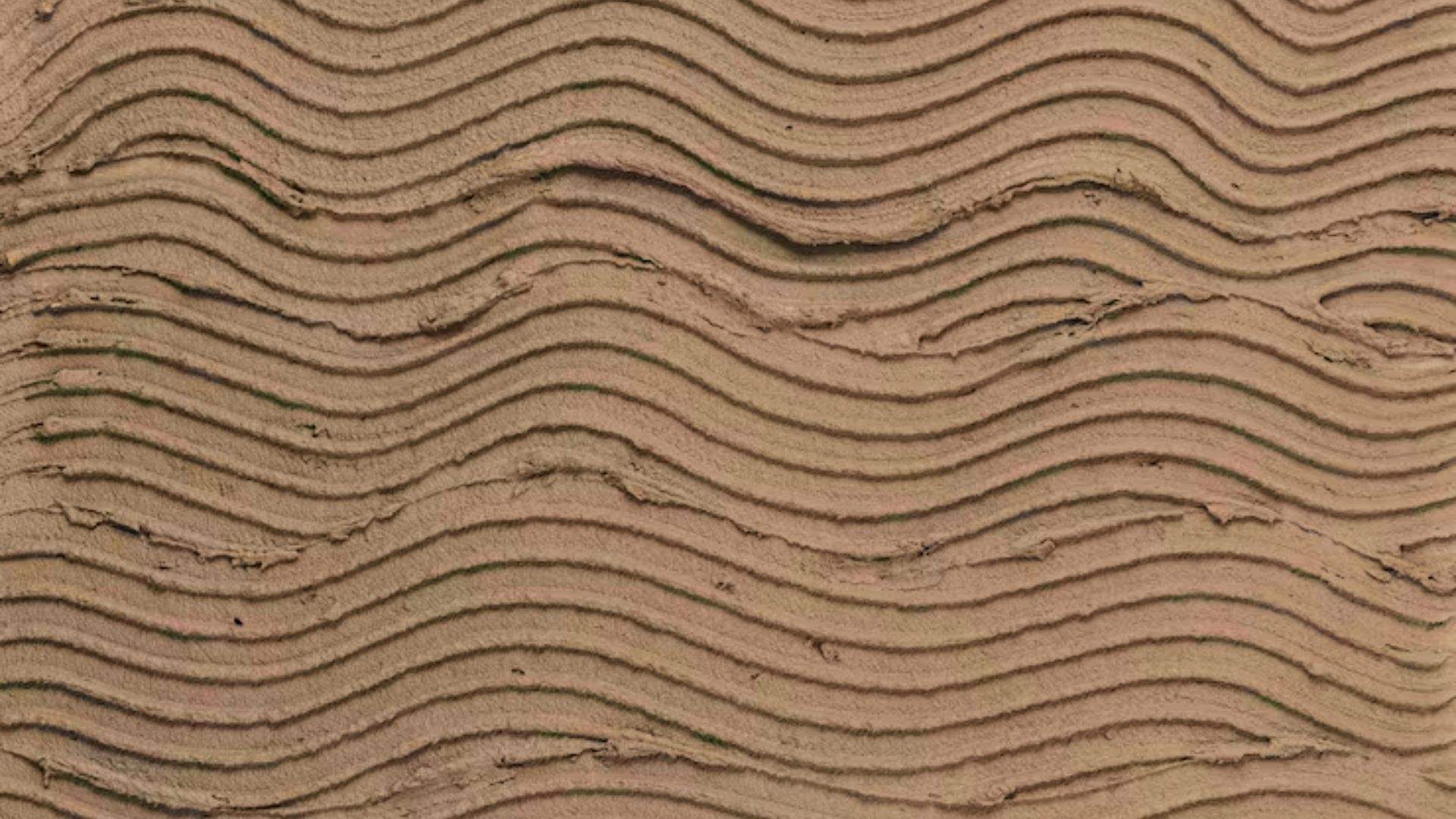
A brush dipped in sand-mixed compound creates overlapping circular swirl patterns on the wall. It is decorative and works well in bathrooms and kitchens.
8. Rosebud Texture
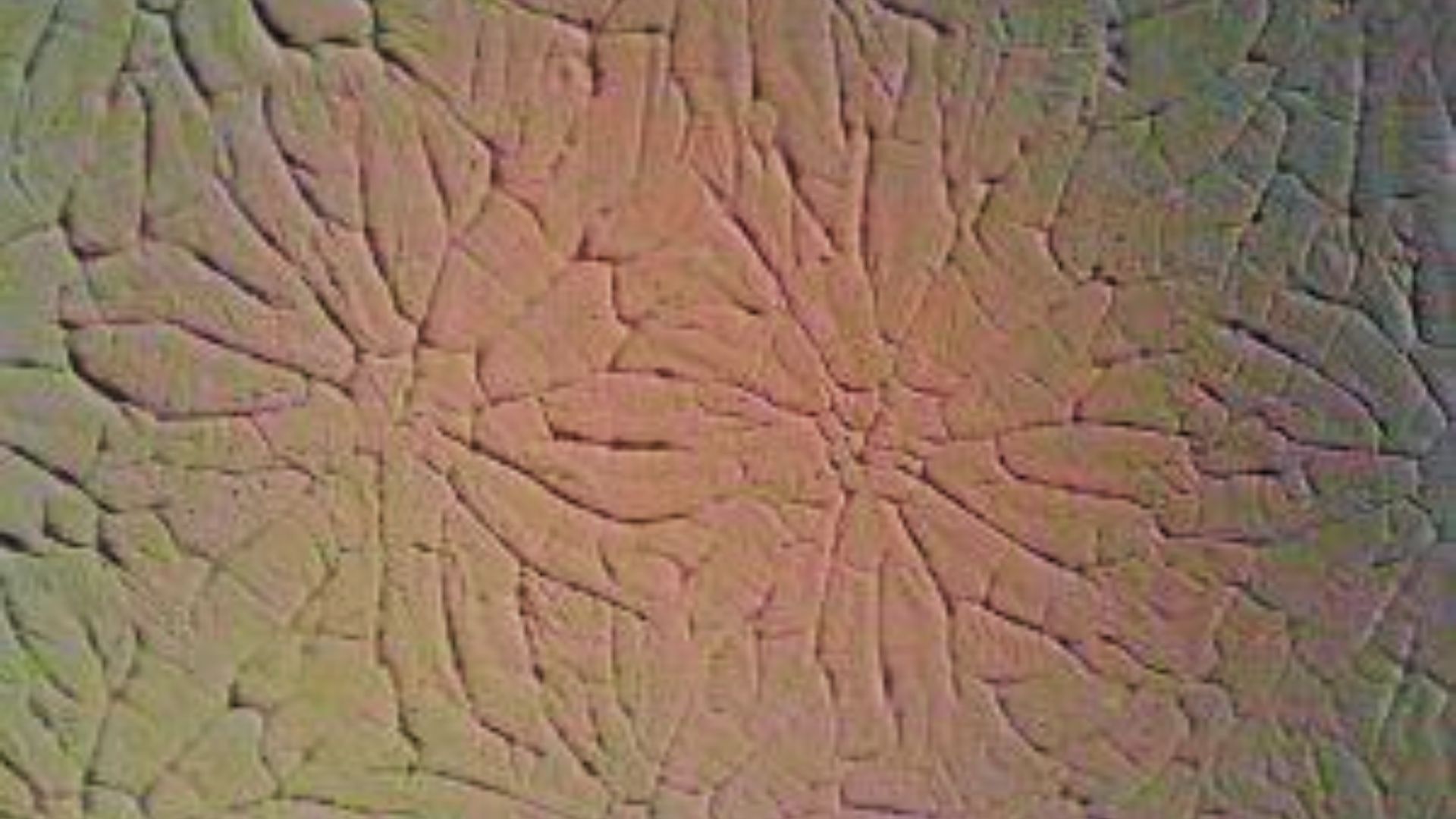
A stipple brush is pressed into the compound and pulled away to create small raised peaks that resemble rosebuds. It is mostly used on ceilings and has a heavy, dramatic look.
9. Stomp Brush Texture
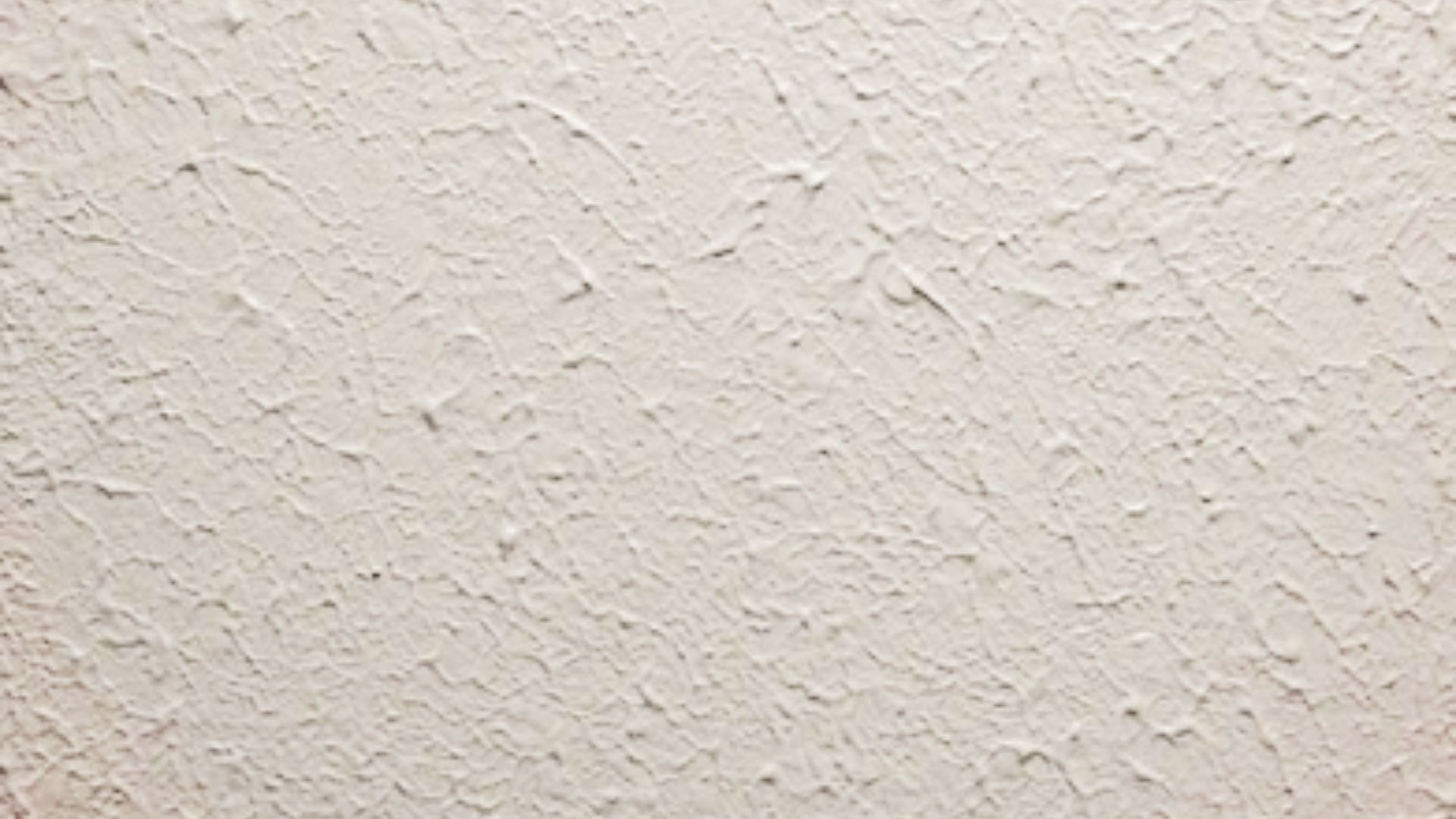
A large stomp brush is pressed into the compound and pulled away to create bold raised patterns. It is best used on ceilings or accent walls rather than throughout an entire room.
10. Fish Scale / Comb Texture
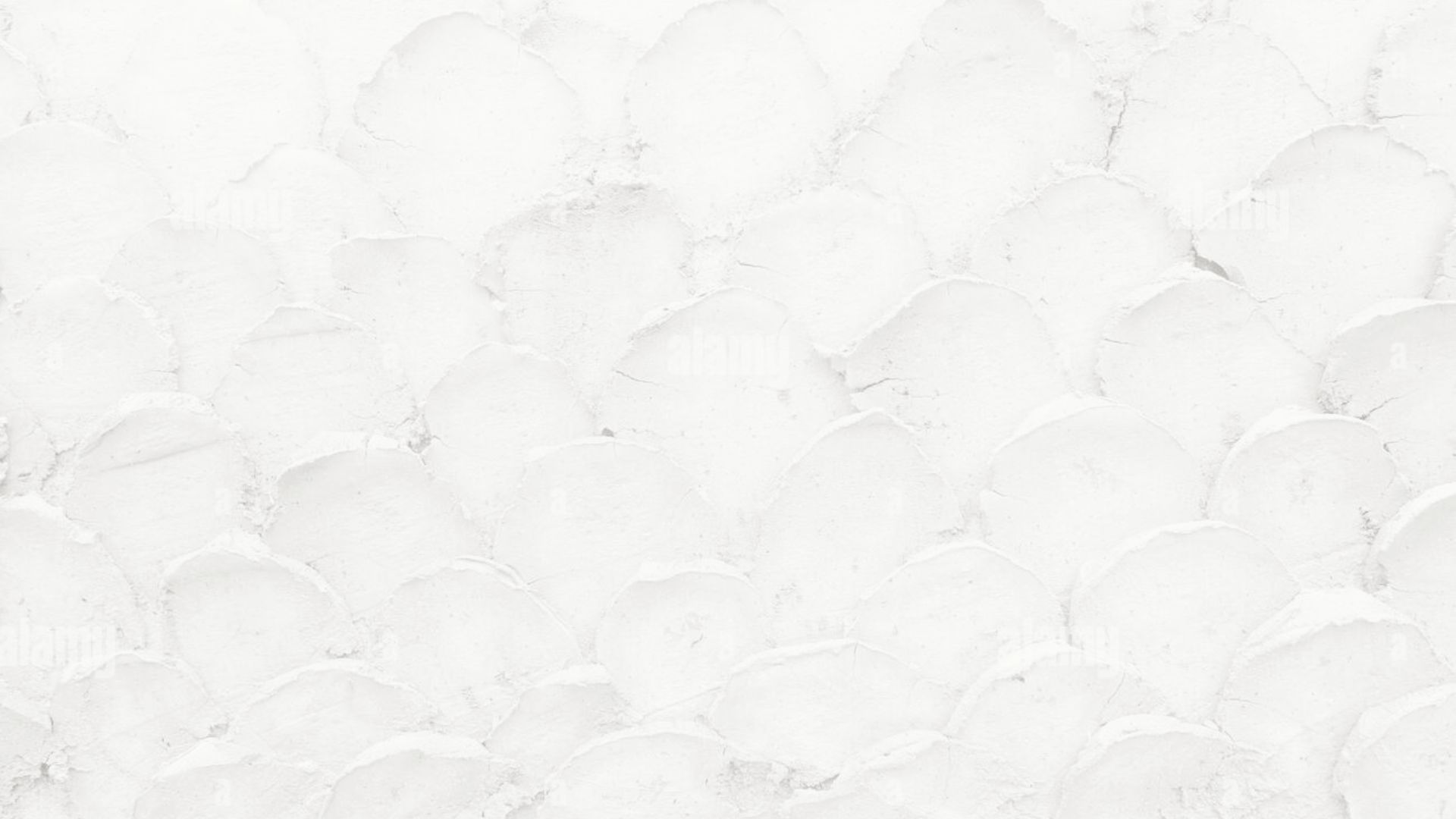
A comb tool is dragged through wet compounds to create half-circle or wave patterns that look like fish scales. It works well as a decorative accent wall finish.
11. Venetian Plaster Texture
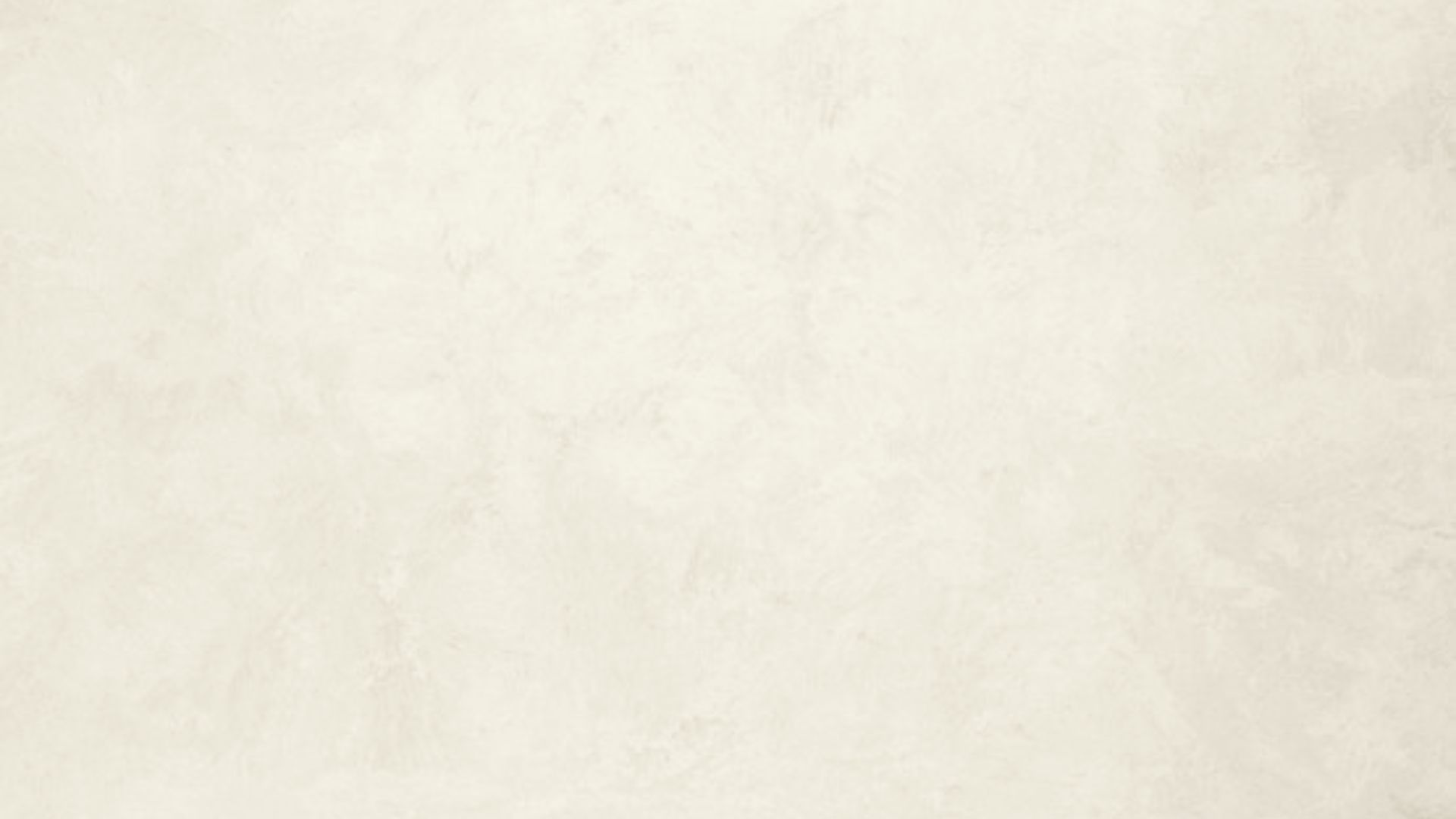
Plaster mixed with marble dust is applied in thin layers and polished to a smooth, glossy finish. It gives walls a rich, high-end look but costs more and needs a skilled applicator.
12. Stipple Texture
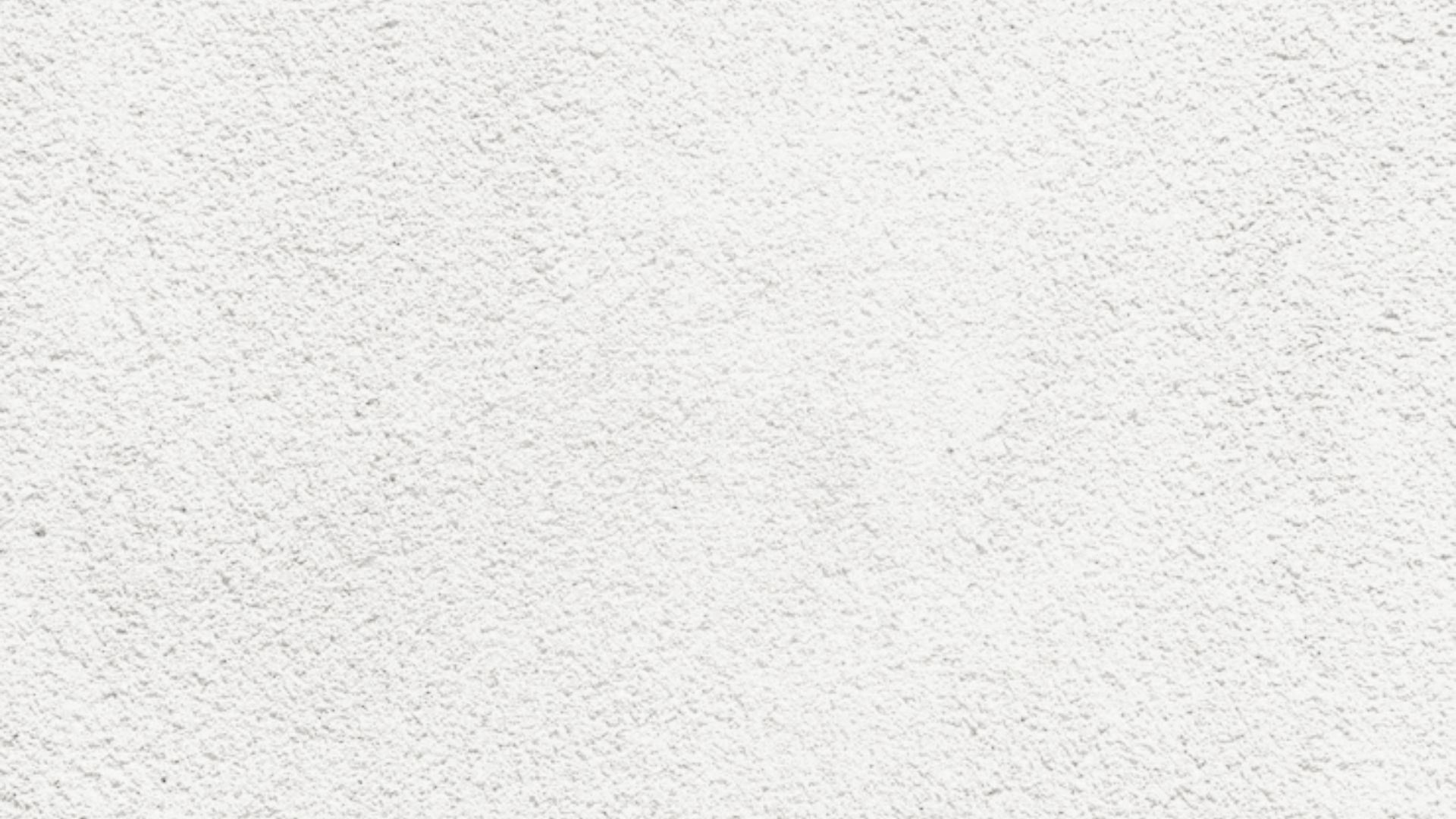
A brush or roller dabbed into a compound creates small raised marks across the surface. It is one of the easier textures to apply by hand and works on both walls and ceilings.
13. Spray Sand Texture

Compound mixed with fine sand is sprayed onto the wall to create a gritty, rough finish. It is very durable and works well in high-traffic areas like hallways and entryways.
14. Hawk and Trowel Texture
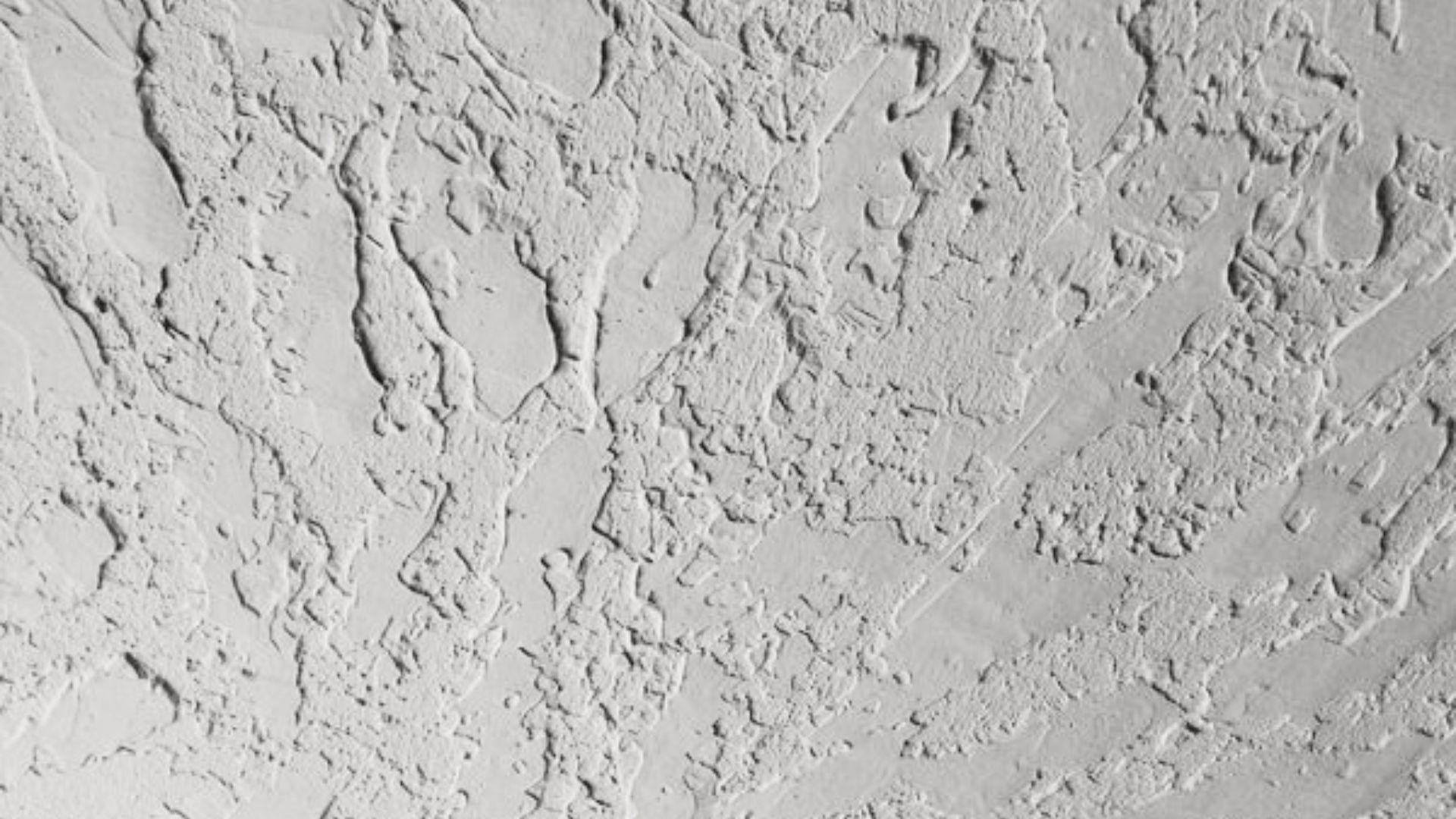
A professional hand-applied finish where compound is spread with a trowel to create an organic, layered look with visible trowel marks. It is popular in high-end and custom homes.
15. Tree Bark Texture
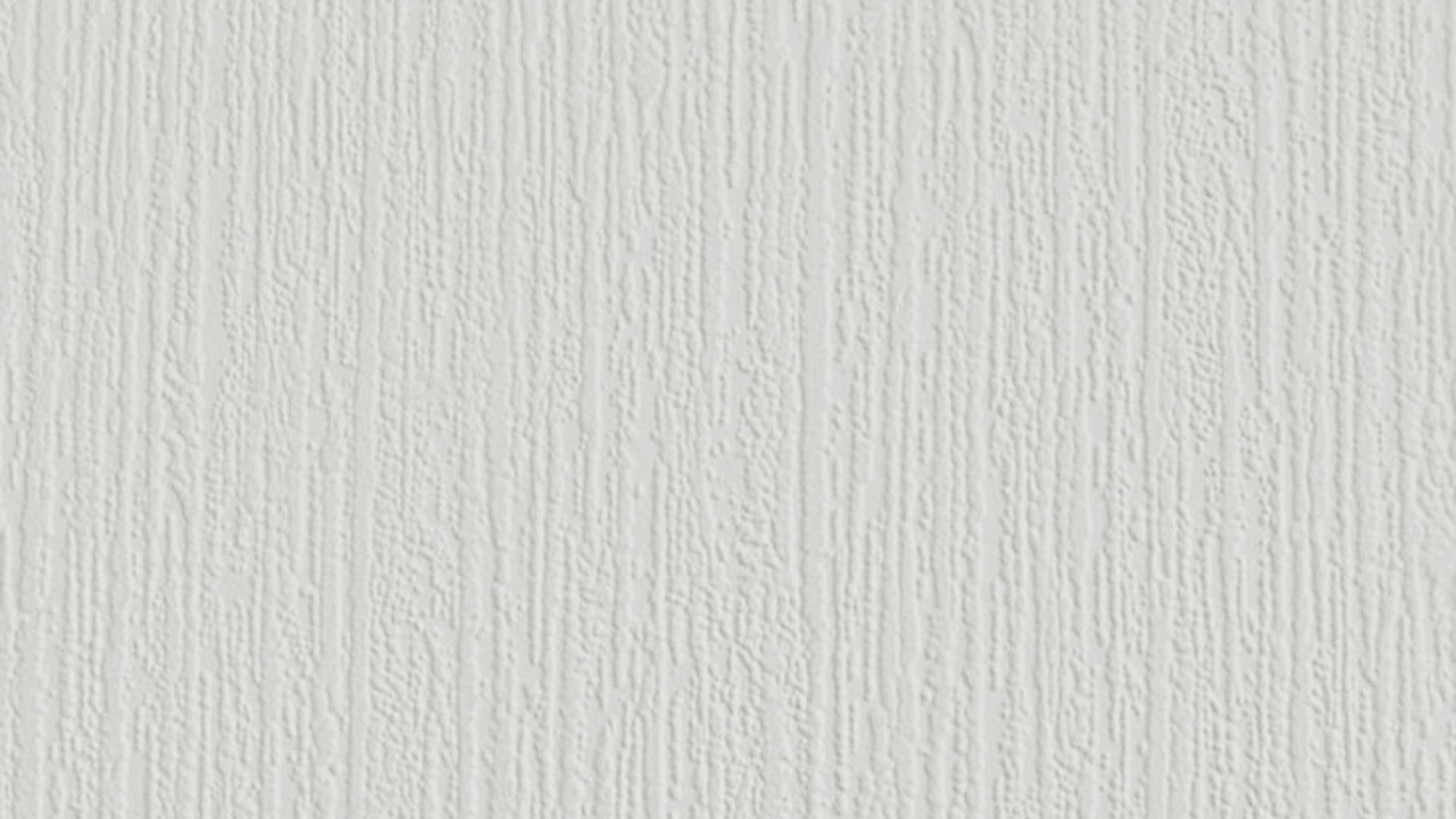
Deep, irregular grooves and ridges are created to mimic the look of rough tree bark. It is a bold finish that suits rustic or cabin-style interiors best.
16. Bas-Relief Texture
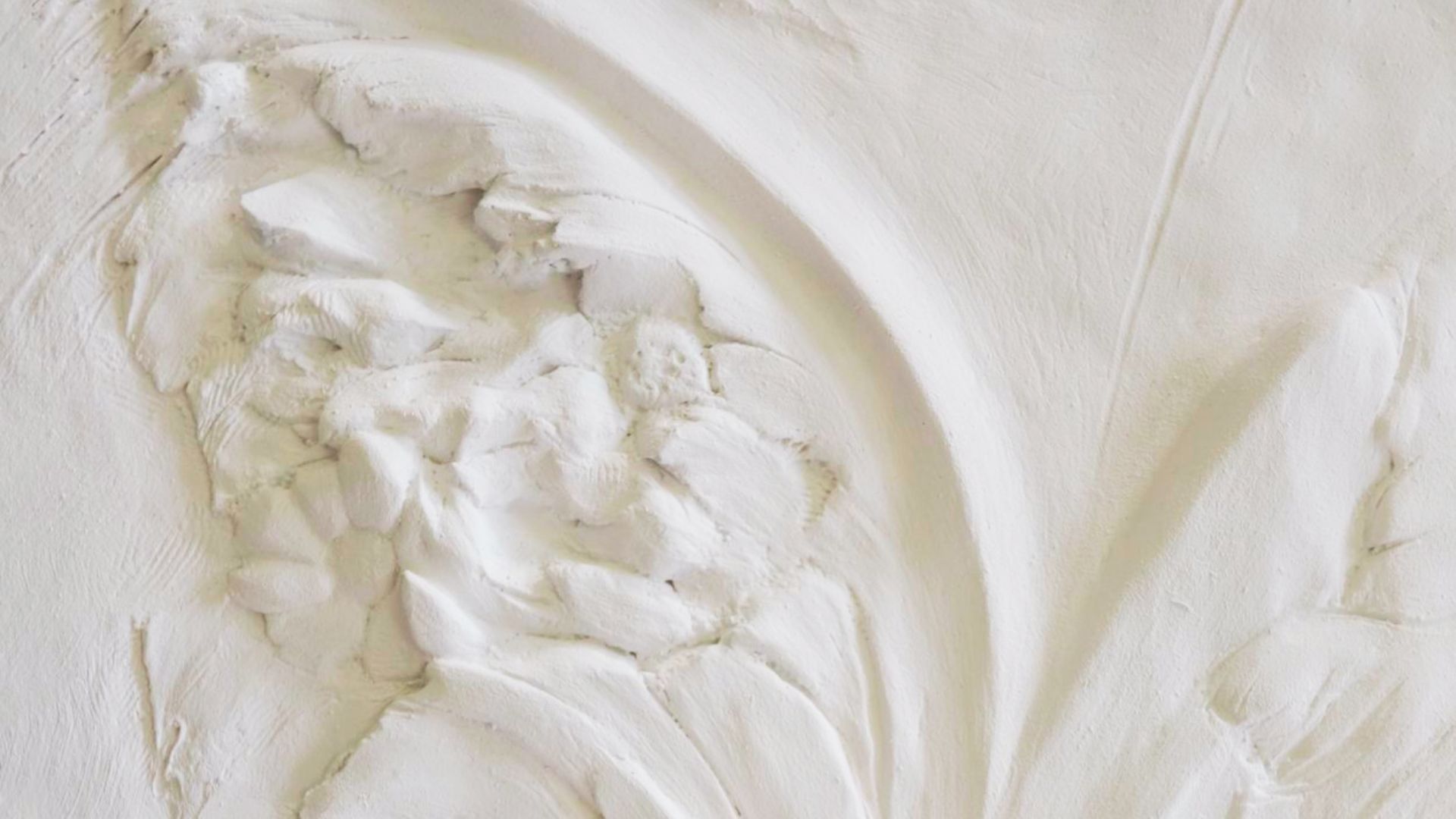
Raised patterns are built into wet compounds to create a sculpted, carved surface look. It is a very artistic finish used in luxury homes and feature walls.
17. Santa Fe Texture
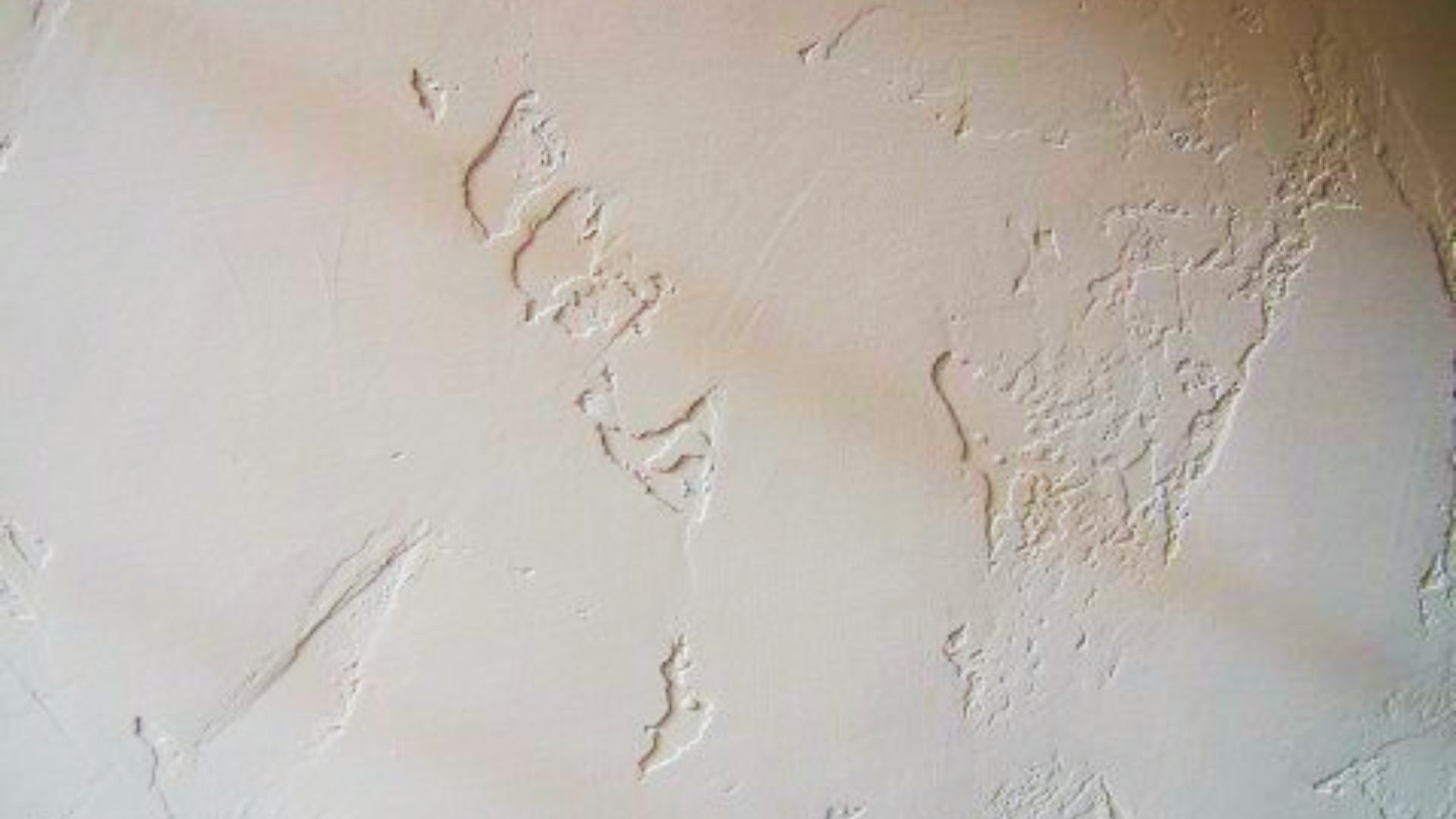
A trowel is used in overlapping strokes to create a warm, layered, earthy finish influenced by adobe-style homes. It works well in rustic and southwestern interiors.
18. Modern Minimal Texture Variations
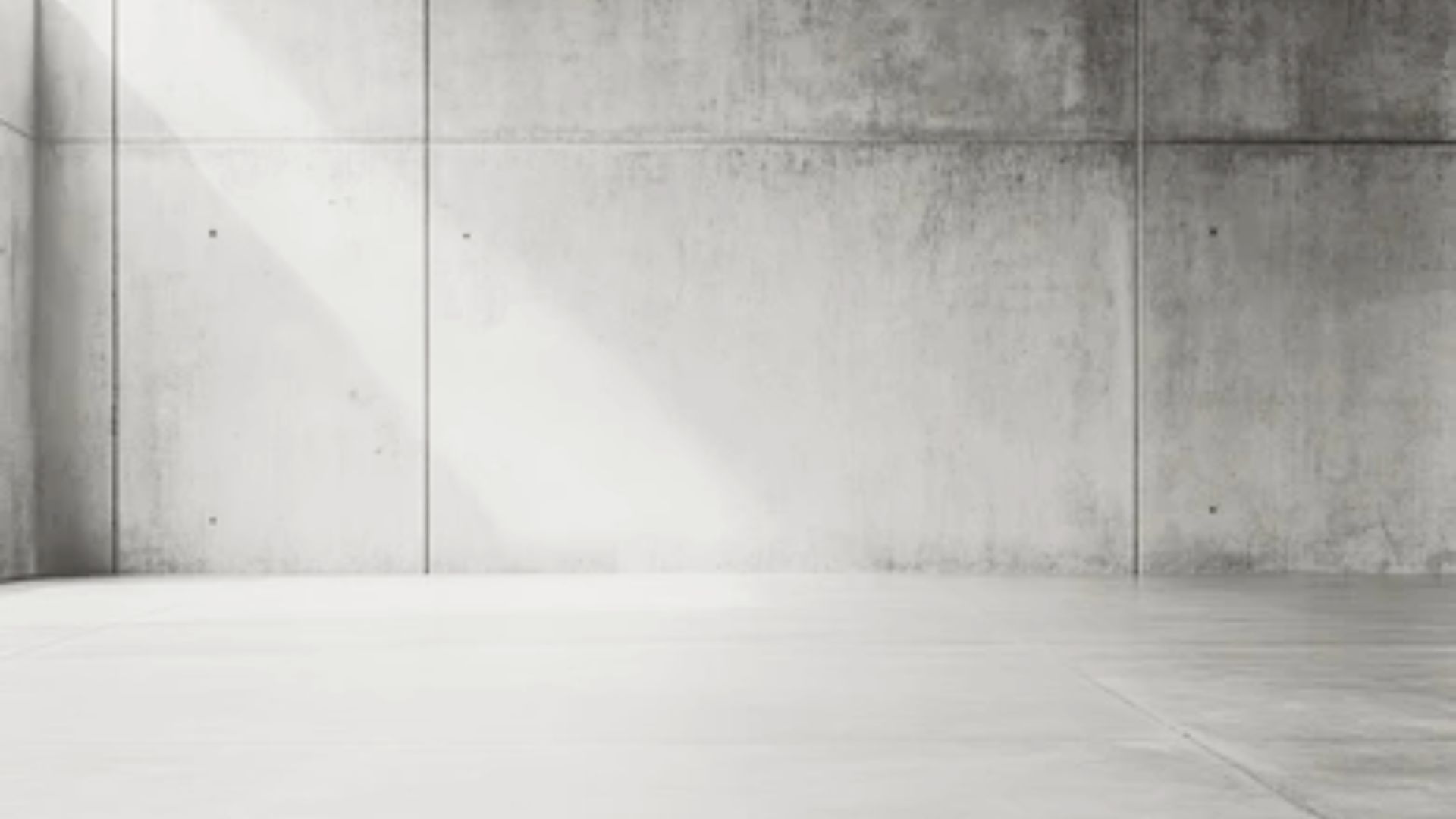
Very light finishes that sit between smooth and slightly textured add just a hint of depth without a strong visible pattern. They suit contemporary spaces that need a clean, simple look.
19. Custom Artistic Drywall Texture Designs
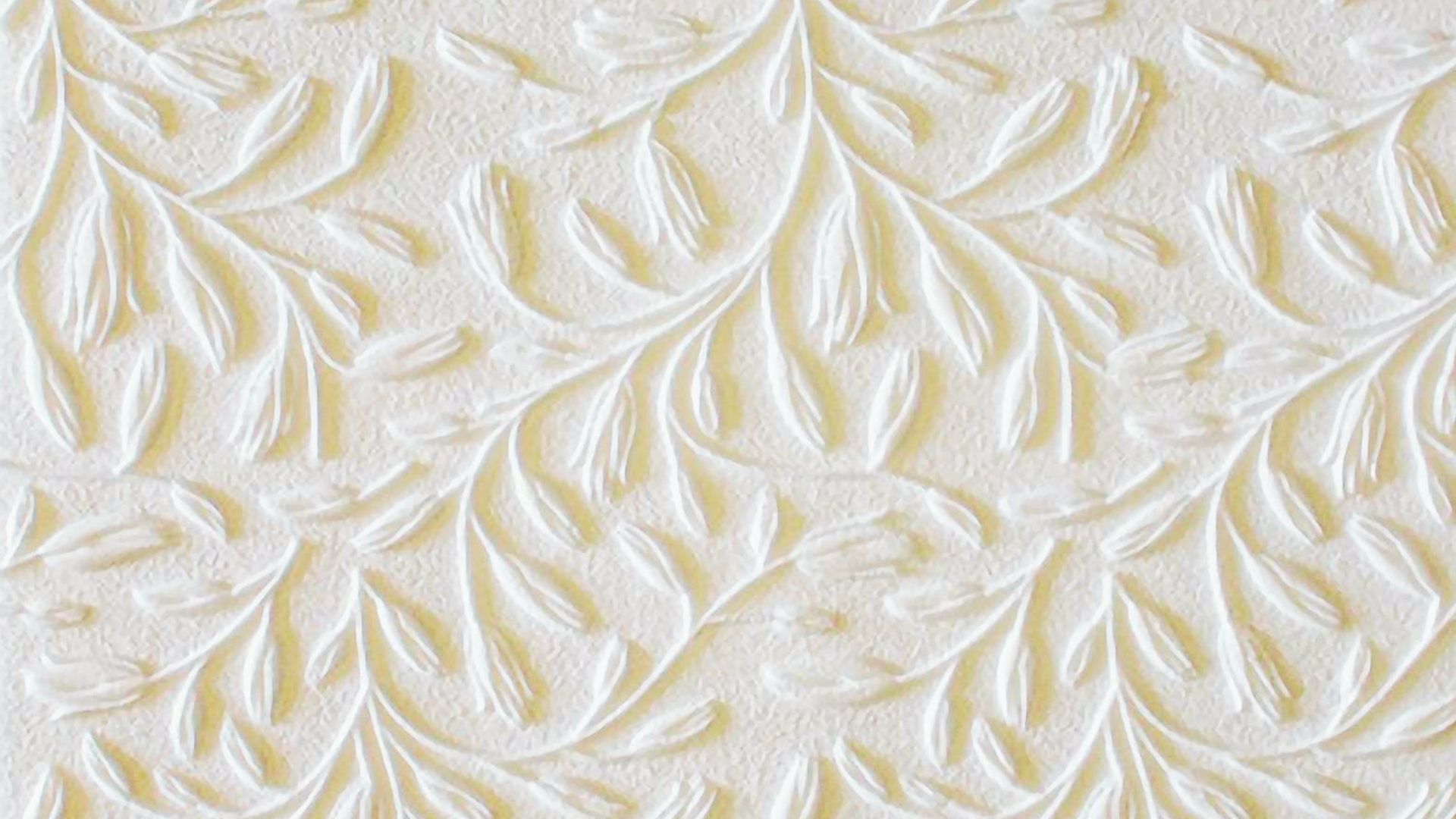
Skilled plasterers create completely custom wall textures including geometric patterns and hand-carved designs. These are a big investment and are best used on a single accent wall.
How to Choose the Best Drywall Texture Options for Your Home
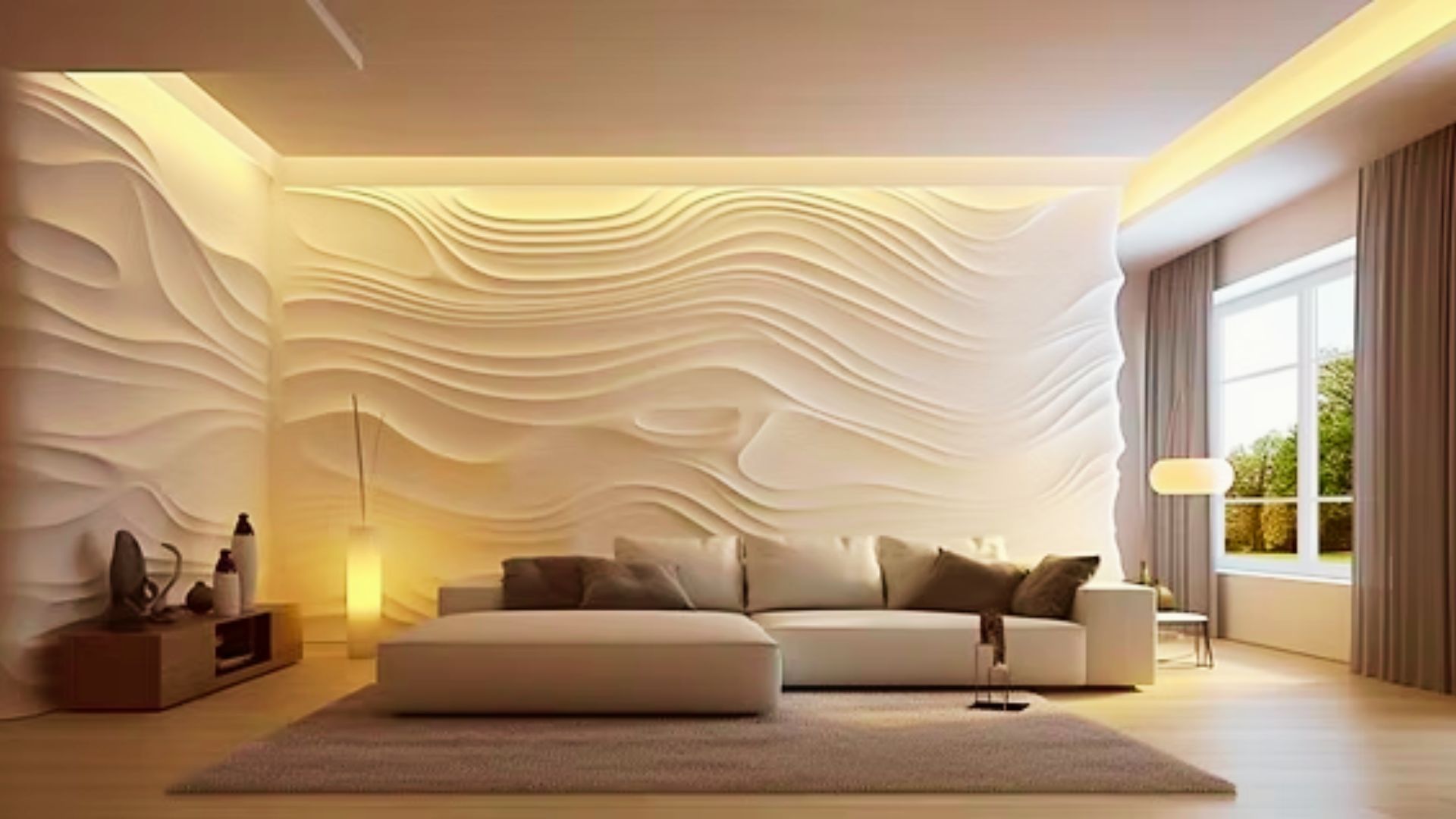
The right texture depends on your room, your lifestyle, and the look you want to achieve.
Based on Room Type (Living Room, Bedroom, Ceiling, etc.)
Living rooms suit knockdown, bedrooms work with orange peel, and ceilings handle stomp brush well. Bathrooms and kitchens need durable finishes like spray sand.
Based on Lighting and Room Size
Heavy textures cast shadows under direct light and make small rooms feel closed in. Stick to lighter finishes in smaller spaces.
Based on Maintenance and Cleaning Needs
Smooth and orange peel textures are the easiest to wipe clean. Heavy textures trap dust and are harder to maintain.
Based on Interior Style (Modern vs Traditional vs Luxury)
Modern homes suit smooth finishes, traditional homes handle skip trowel or Santa Fe, and luxury spaces work best with Venetian plaster or hawk and trowel.
Expert Tips for Choosing Drywall Texture Options
A few smart choices before you start can save you time, money, and regret later.
- Test a small patch on the wall before finishing the entire room.
- Avoid heavy textures in small rooms as they make the space feel tight.
- Match the texture to the room function and how much cleaning it will need.
- Always check how the texture looks under both natural and artificial light.
- Keep bold textures to accent walls rather than all four walls in a room.
Conclusion
Choosing from all the drywall texture options out there does not have to be stressful.
Once you know your room, your lighting, and how much maintenance you want, the right finish becomes clear.
I always tell people to test before committing. A small patch on the wall tells you more than any photo online ever could. Now it is your turn.
Which texture are you thinking about? Drop a comment below or share this post with someone planning a home project.
Frequently Asked Questions
What is the most popular drywall texture option?
Orange peel is one of the most widely used finishes in American homes. It is easy to apply, hides wall flaws well, and suits most interior styles.
Which drywall texture is easiest to maintain?
Smooth and orange peel textures are the easiest to clean. They can be wiped down quickly and repainted without much prep work.
Can drywall texture be changed later?
Yes, it can. Light textures can be skimmed over, while heavy textures may need sanding or a new drywall layer before applying a fresh finish.
What texture is best for modern homes?
Smooth, orange peel, and minimal textures work best. They keep walls clean and simple, which fits well with modern furniture and open floor plans.
How long does drywall texture last?
Drywall texture can last for decades when applied correctly. Most finishes only need attention if the wall gets damaged or you want a new look.