

Found an old can of spray paint in your garage and wondered if it is still good to use?
You are not alone. Many people ask if spray paint expires, how long it lasts, and if old cans are safe to use.
The answer is not always simple. Some cans still work after many years, while others can give poor results or even become unsafe.
Knowing what signs to look for can save you time and prevent a ruined paint job.
In this guide, you will learn how long spray paint usually lasts, how to tell if it has gone bad, how to test an old can, and the best ways to store and dispose of spray paint.
Can Spray Paint Become Too Old to Use?
Most cans stay usable for several years, but the paint and propellant inside can slowly break down over time.
Storage conditions play a big part in how long a can lasts. A can kept in a cool, dry place often works much longer than one left in high heat or freezing temperatures.
Even after the printed shelf life, some cans still work if they were stored properly.
How Long Does Spray Paint Last?
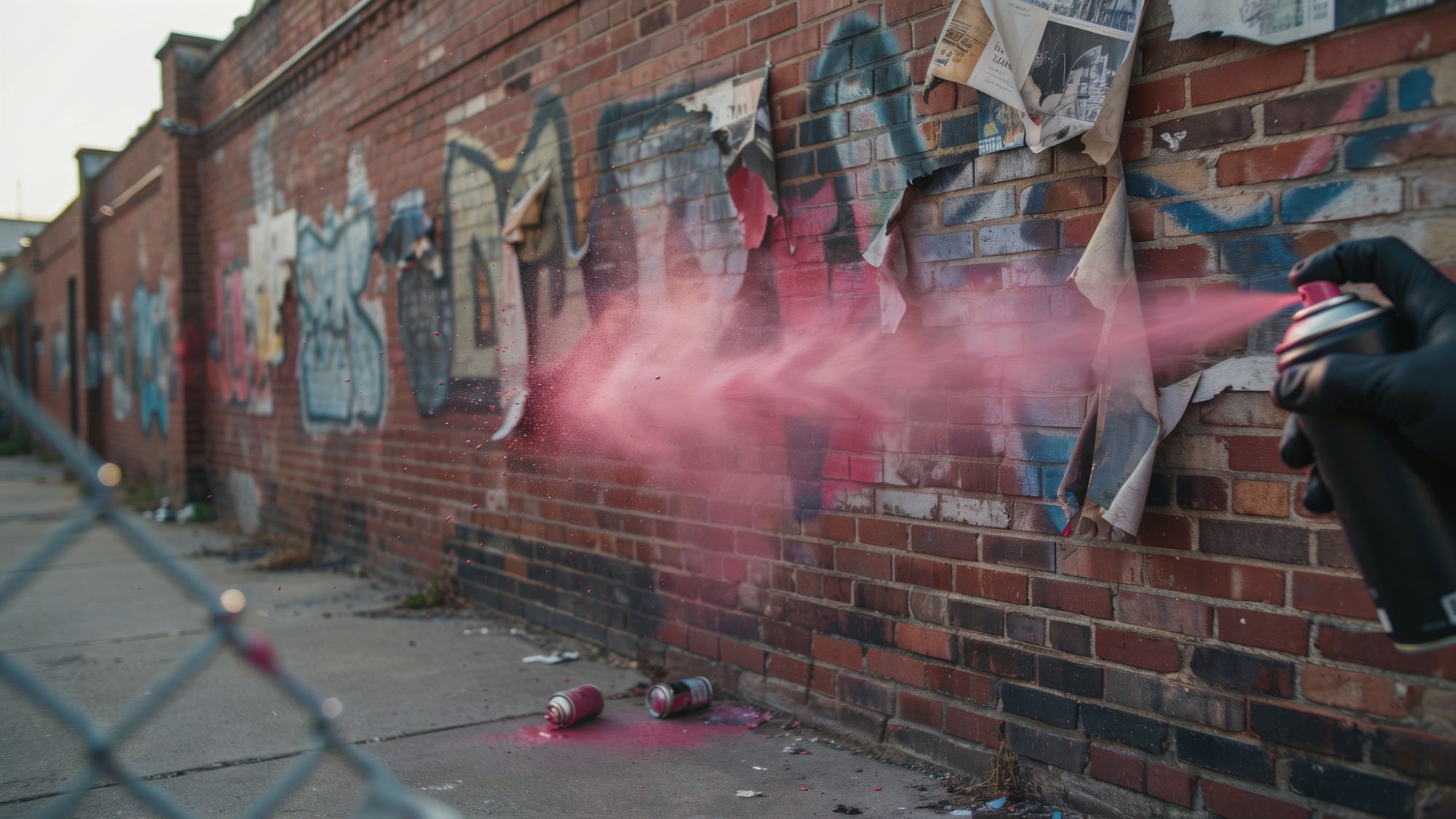
Spray paint can last for years when stored correctly.
Many brands suggest using it within a few years for the best results. Heat, cold, and poor storage can shorten its usable life.
Shelf Life of Unopened Spray Paint Cans
Most unopened spray paint cans remain usable for about two to ten years, depending on the brand and formula.
The paint and propellant stay sealed inside, which helps keep the contents stable. Cans stored in a cool and dry place often last longer than the printed shelf life and may still spray properly after several years.
How Long Does Spray Paint Usually Stay Usable?
An opened can can still last for years if the nozzle is cleaned and the can is stored correctly.
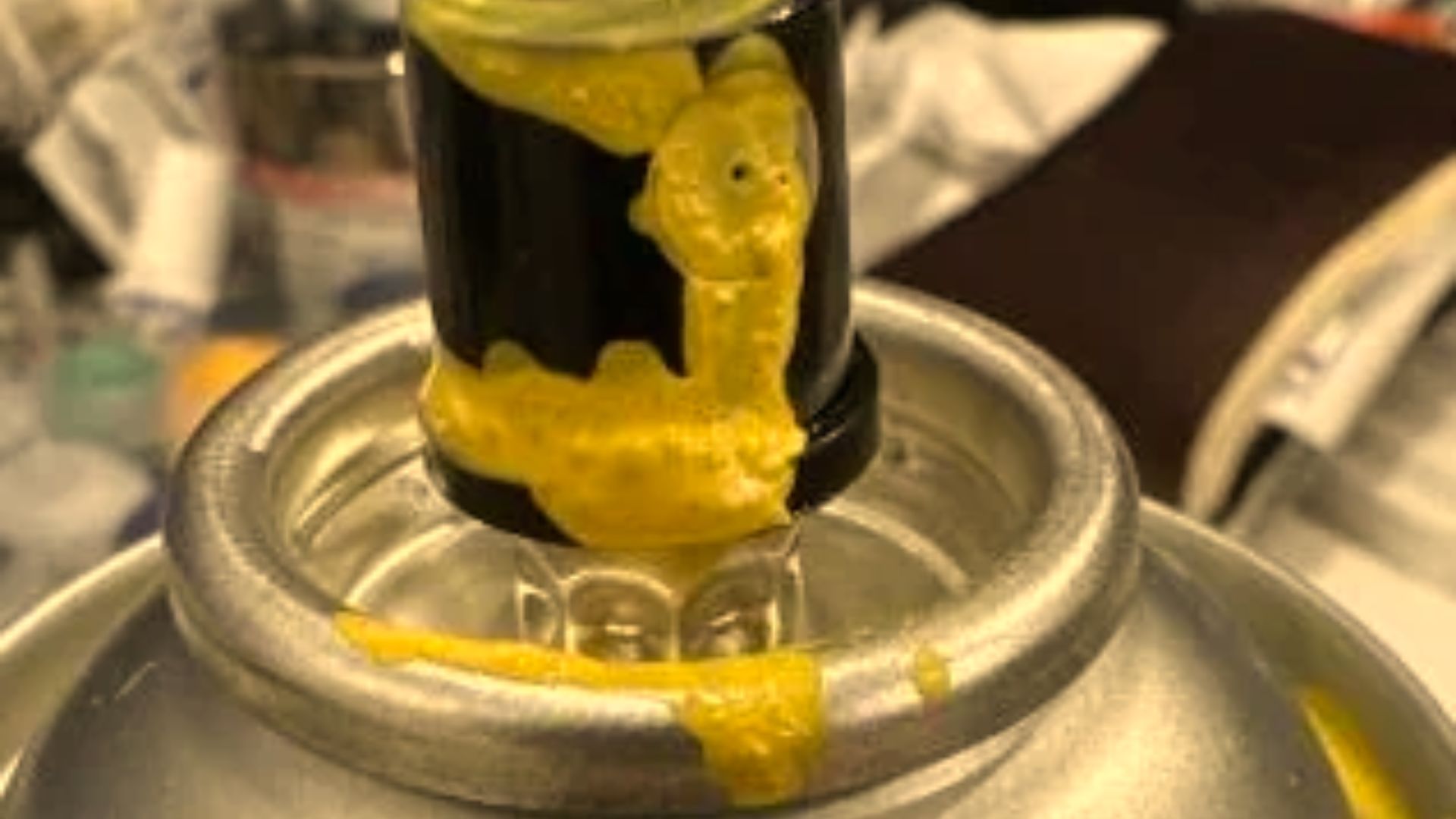
The biggest problem is usually a clogged nozzle rather than spoiled paint. If air enters the can through damage or poor storage, the paint quality can decline and spraying may become uneven.
Why Does Some Spray Paint Last Longer than Others?
Different formulas have different shelf lives. Paint quality, pigments, and the type of propellant all affect how long a can stays usable.
Storage conditions also make a major difference. A well-made can stored indoors often lasts much longer than a cheaper product left in a hot garage or shed.
What Affects the Shelf Life of Spray Paint?
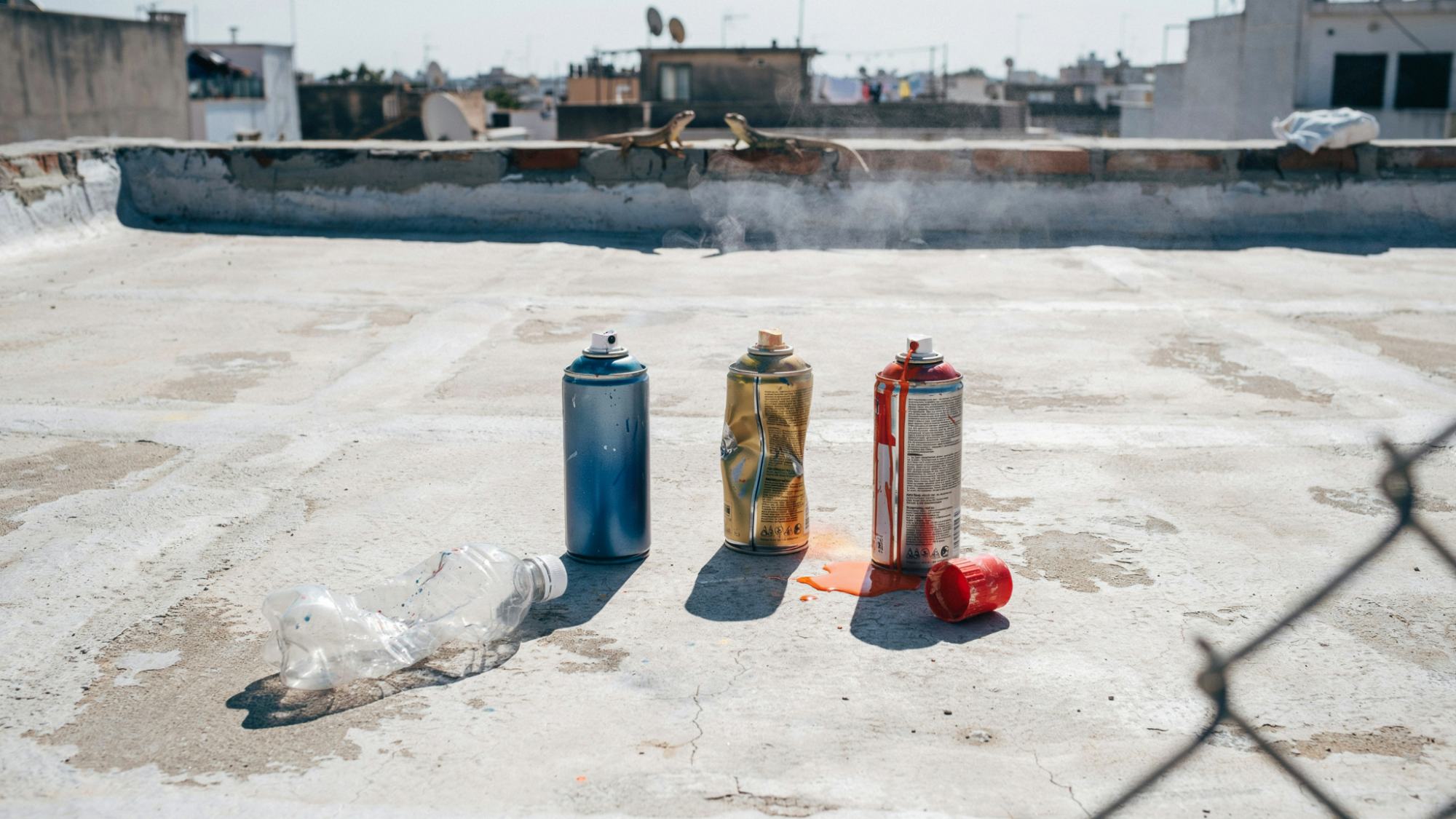
Several factors can shorten or extend the life of spray paint.
Temperature, moisture, and direct sunlight can affect both the paint and the can itself. Proper storage helps keep spray paint in good condition for much longer.
Storage Temperature
Spray paint lasts longer when stored at moderate temperatures.
High heat can increase pressure inside the can and may damage the paint. Freezing temperatures can cause ingredients to separate and affect the spray pattern and finish.
Humidity and Moisture
Moisture can cause the outside of the can to rust over time.
Rust may weaken the can and create safety concerns. Damp storage areas can also increase the chance of nozzle problems and damage labels, making expiration information hard to read.
Direct Sunlight and Heat
Direct sunlight can make the can become very hot.
Heat may change the paint's consistency and raise the pressure inside the container. Long periods of heat exposure can reduce performance and may make old cans unsafe to store.
Damage to the Spray Nozzle
A clogged or damaged nozzle can make a good can seem expired.
Dents, leaks, and severe rust can also affect performance and safety. Physical damage may let air or moisture affect the contents and reduce the chance of getting an even spray.
How Often the Can Has Been Used
Frequent use increases the chance of paint drying in the nozzle.
Cans that are used often may also collect paint residue around the spray tip. Cleaning the nozzle after each use helps the can stay usable for a longer period.
How Can You Tell if Spray Paint Has Gone Bad?
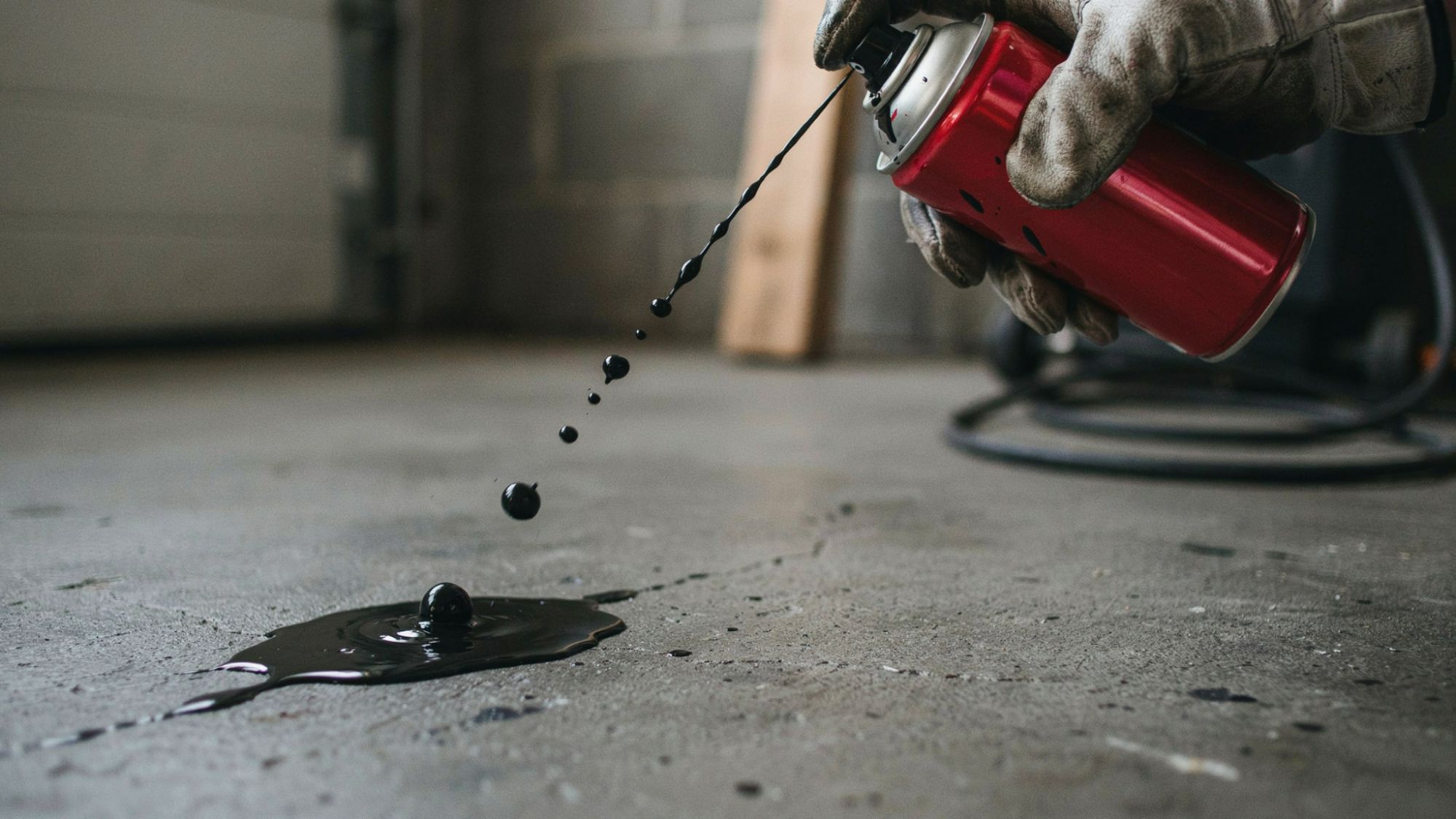
These common signs can help you decide if a spray paint can is still safe to use before starting your project.
- Clumps or spits: Thick blobs instead of a fine mist often mean the paint no longer mixes well. Clean the nozzle and test the can before using it.
- Weak spray: Short bursts or uneven coverage may point to low pressure or a blocked nozzle. This can leave rough results.
- Does not mix after shaking: If the paint stays thick after shaking for one to two minutes, it may no longer work as expected.
- Wrong color or finish: Paint that dries sticky, dull, or a different color than expected is often too old to use.
- Can is damaged: Rust, leaks, or large dents can affect both safety and spray performance. Avoid using damaged cans.
Can You Still Use Expired Spray Paint?
Yes, some expired spray paint cans still work if they were stored in a cool and dry place.
Old paint can have problems with color, coverage, and drying time. Test the paint on cardboard first and do not use cans that are leaking, rusted, or damaged.
When Does An Old Can May Still Work?
An old can may still be usable if it sprays evenly and the paint looks normal during a test.
The can should have no leaks, deep rust, or major dents. Many people use older cans successfully after shaking them well and testing them on scrap material first.
When Is It Better To Throw The Can Away?
It is better to throw the can away if it leaks, has severe rust, or does not spray after proper shaking.
Paint that spits in thick blobs or dries poorly should also be discarded. Using badly aged paint can ruin the surface and waste time and materials.
Risks Of Painting With Old Spray Paint
Old spray paint can cause uneven coverage, poor adhesion, and color differences.
The finish may dry slowly or stay sticky for longer than expected. In some cases, old and damaged cans may also present safety concerns if they have become weak from rust or long periods of heat exposure.
How to Test an Old Can of Spray Paint Before Using it?
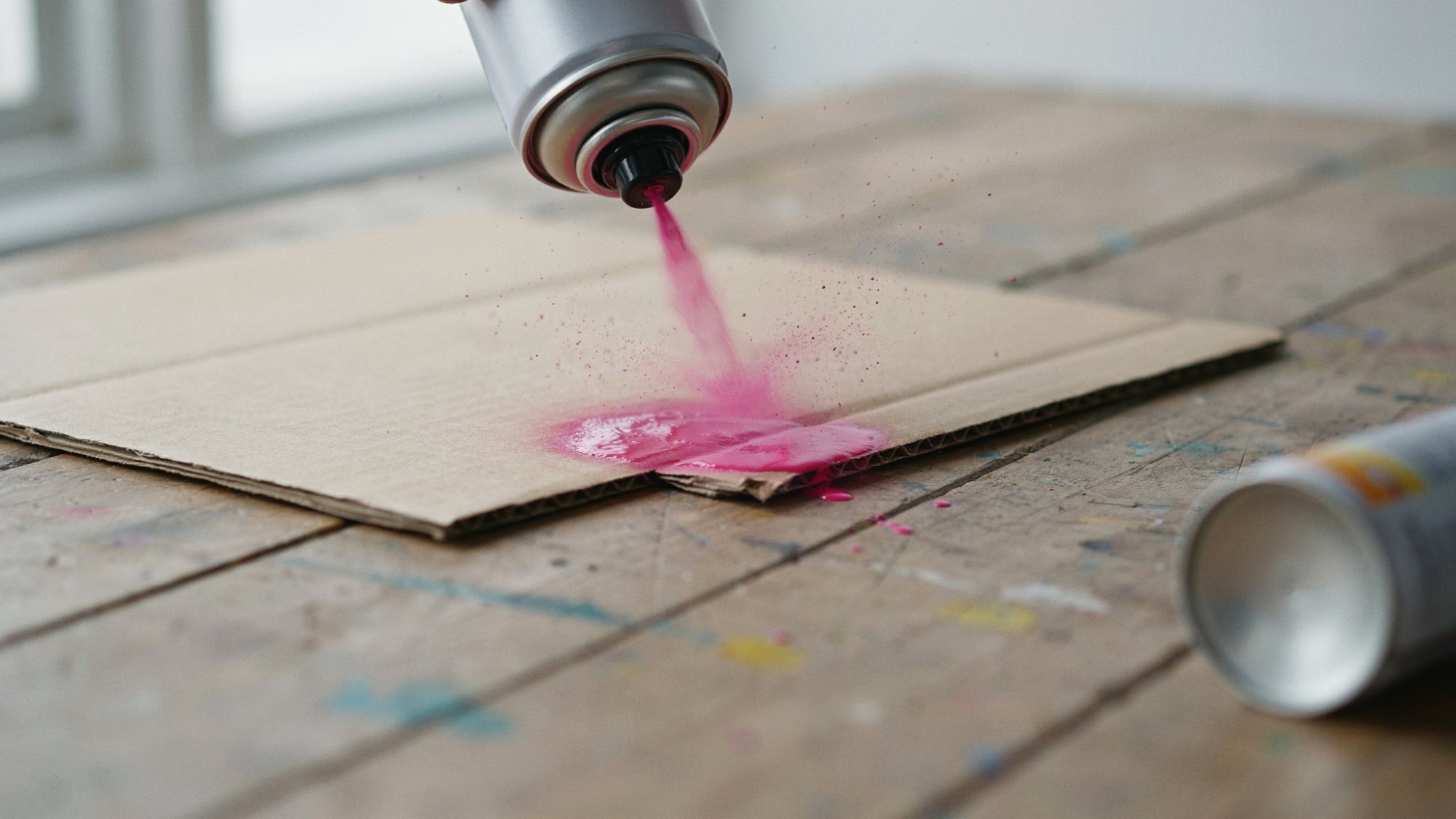
Testing an old can only takes a few minutes.
It can help you avoid poor results and wasted effort. A simple test can show if the paint is still usable.
Shake The Can For The Right Amount Of Time
Shake the can for at least one to two minutes or follow the instructions on the label.
You should hear the mixing ball moving freely inside. Proper shaking helps mix the ingredients again and gives you a better idea of whether the paint can still perform properly.
Spray On Cardboard Or Scrap Material First
Always test the spray on cardboard, wood scraps, or another spare surface.
This helps you check the spray pattern before painting your project. If the paint comes out smoothly and evenly, the can may still be in usable condition despite its age.
Check Coverage, Color, And Drying Time
Look closely at how the paint covers the surface and how long it takes to dry.
The color should match what you expect, and the finish should look even. Poor coverage, wrong color, or slow drying are signs that the paint has likely gone bad.
How to Store Spray Paint So it Lasts Longer?
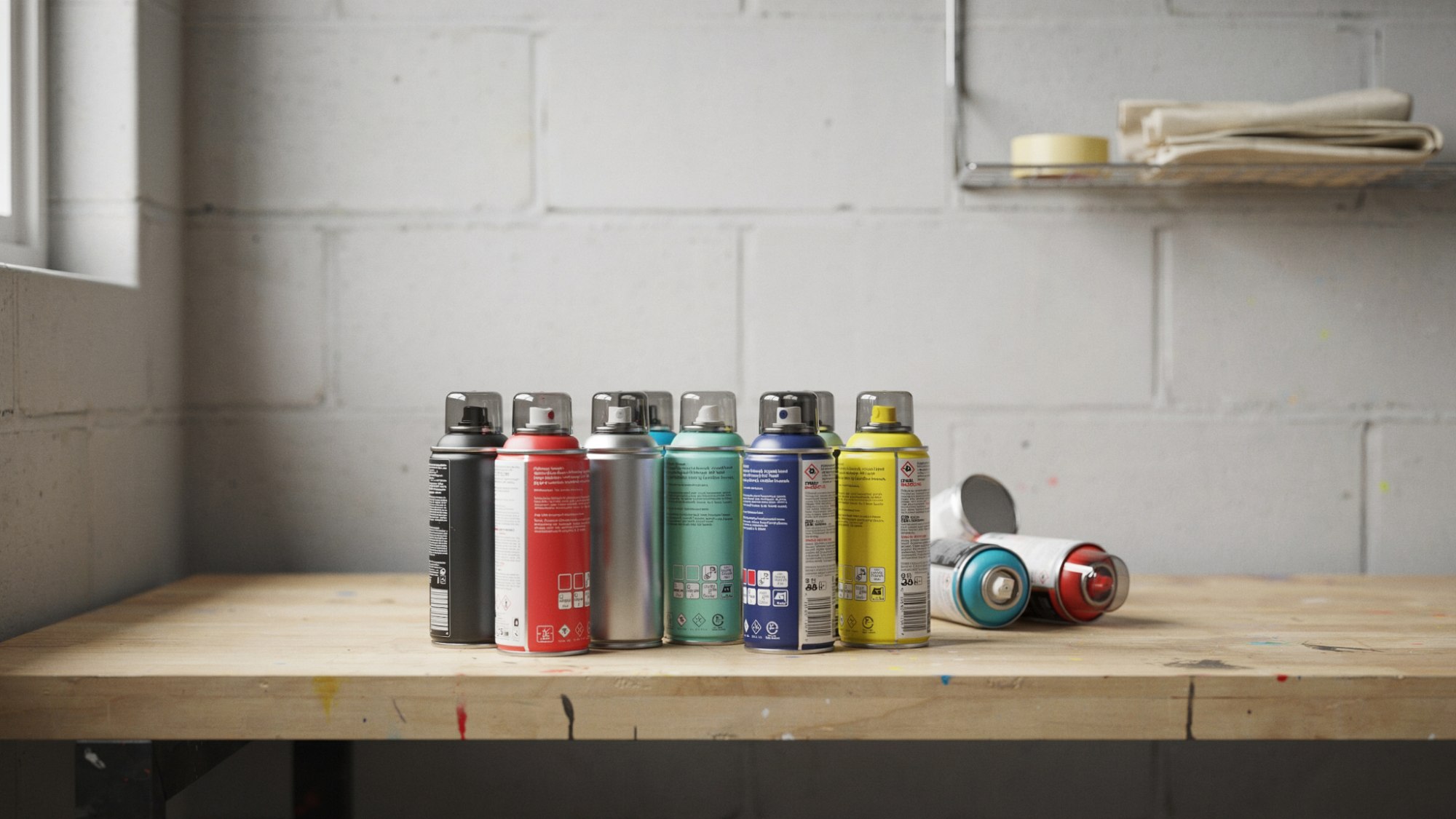
Simple storage habits can help keep spray paint in good condition for a longer time.
- Keep it in a cool, dry place: Indoor storage with steady temperatures helps protect the paint and lowers the chance of rust.
- Keep it out of direct sunlight: Too much heat can affect the can and the paint inside. A shaded area is a better choice.
- Clean the nozzle after use: Spray the can upside down until only gas comes out. This helps prevent clogs.
- Store the can upright: An upright position helps protect the valve and lowers the chance of leaks.
- Avoid very hot or freezing places: Extreme temperatures can affect the paint and reduce how well it sprays later.
Can Spray Paint Cans Explode Or Become Unsafe With Age?
Spray paint cans are pressurized containers.
Age alone does not make them explode, but poor storage can create safety concerns. Heat, severe rust, and physical damage are the main problems to watch for.
How Does Heat Affect Old Spray Paint Cans?
Heat increases pressure inside spray paint cans.
Long periods of high temperatures can weaken older containers and affect paint quality. For safety, keep cans away from direct sunlight, heaters, vehicles, and any place that becomes extremely hot.
Warning Signs That A Can Is Unsafe
Do not use cans that are leaking, badly rusted, swollen, or heavily dented.
Damage like this can weaken the metal and increase risks. A damaged can should be handled carefully and kept away from heat and open flames.
Safe Ways To Handle Old Cans
Store old cans upright in a cool and dry place and keep them away from heat sources.
Handle rusty or damaged cans carefully and avoid puncturing them. If you are unsure about a can's condition, contact your local waste service for disposal guidance.
Should You Keep or Replace an Old Can of Spray Paint?
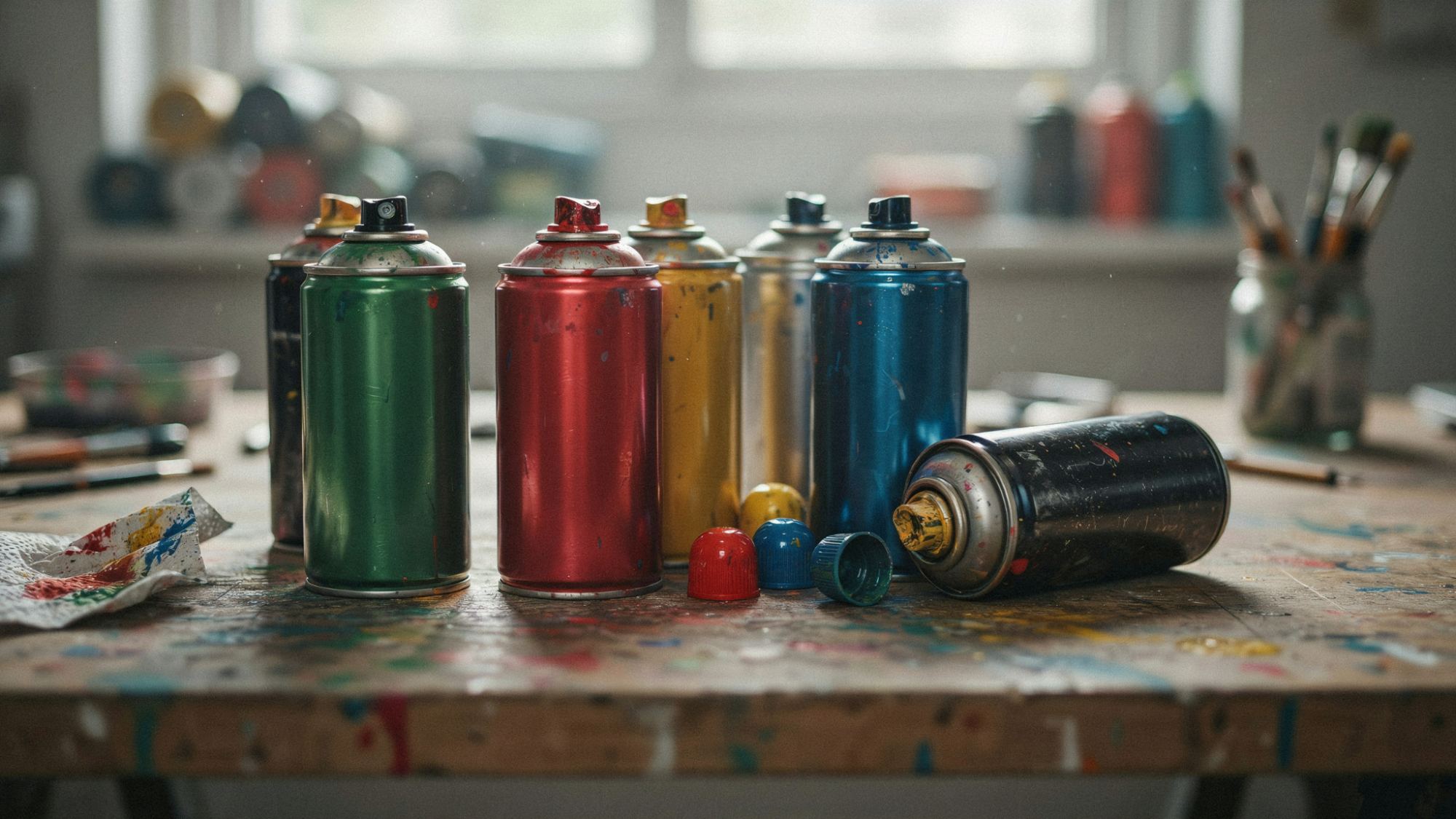
You do not need to throw away every old can of spray paint.
Many cans still work years after the printed shelf life if they were stored properly and pass a test spray. Keep the can if it sprays evenly, dries normally, and shows no signs of damage.
Replace it if the paint spits, has changed color, sprays poorly, or the can is rusted, leaking, or badly dented. Testing the paint first is the safest way to decide.
Conclusion
Spray paint does expire, but an old can is not always useless.
The most important thing to remember is to test the paint before using it on your project. A quick spray on cardboard can save time and prevent a poor finish.
If this guide helped you, please share it with others or leave a comment below and tell us about your experience with old spray paint cans.
Frequently Asked Questions
Does spray paint expire if it has never been opened?
Yes. Unopened spray paint can expire, but many cans still work after several years if stored in a cool and dry place.
Can expired spray paint still be used?
Sometimes. Test the paint on cardboard first and use it only if it sprays evenly and dries normally.
How do I know if my spray paint has gone bad?
Look for clumps, weak spraying, changes in color, leaks, or heavy rust on the can. These are common warning signs.
Can spray paint cans explode when they get old?
Age alone does not make a can explode. Heat, severe rust, and damage to the can create the biggest safety risks.
How long does spray paint usually last?
Most spray paint lasts between two and ten years, depending on the brand and storage conditions. Proper storage can help it stay usable longer.