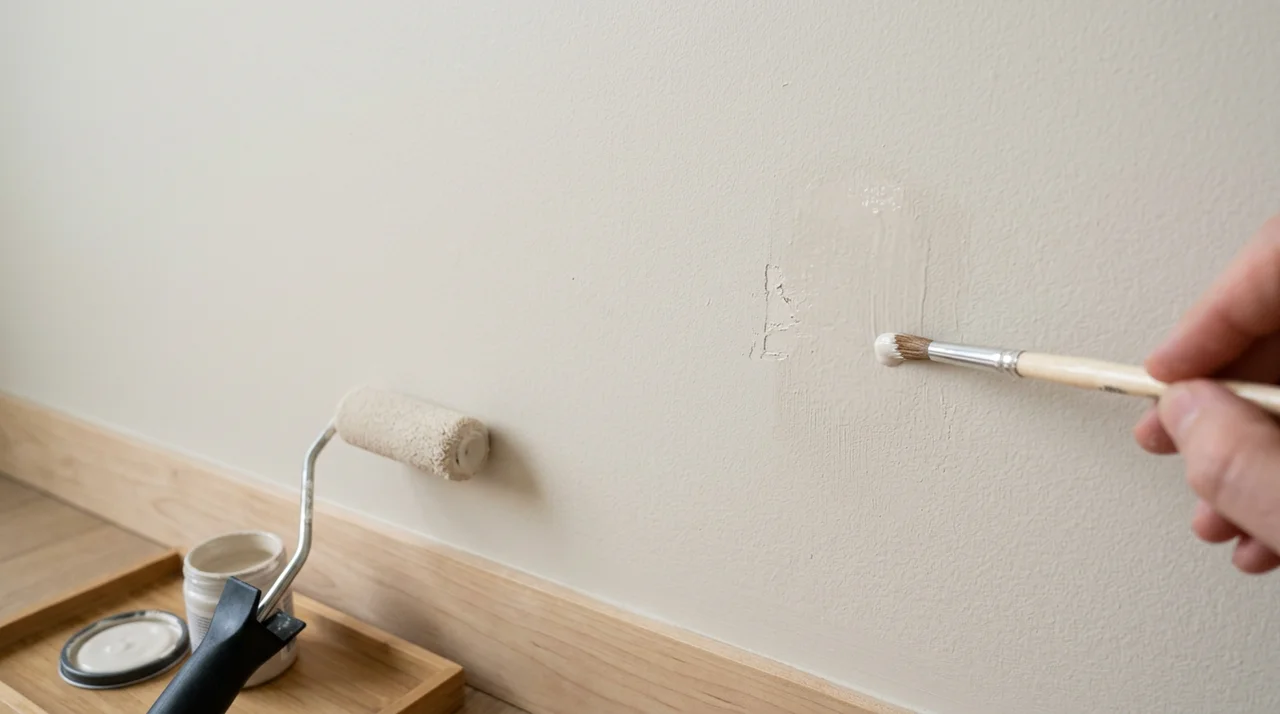


Bathrooms face constant exposure to steam, moisture, and condensation. Over time, these conditions can lead to mold spots, mildew stains, peeling paint, and walls that look worn long before they should.
Choosing the right paint can help prevent many of these problems.
This guide covers the 11 Best Mold and Mildew Resistant Paint for Bathrooms, explains what makes bathroom paint different, and shows how to choose the right option for your space.
Paint performance depends on more than the label on the can. Finish type, ventilation, surface preparation, and humidity levels all play a role.
This guide focuses on practical information that homeowners, renters, and DIY painters can use when planning a bathroom painting project.
What Makes a Paint Mold and Mildew Resistant
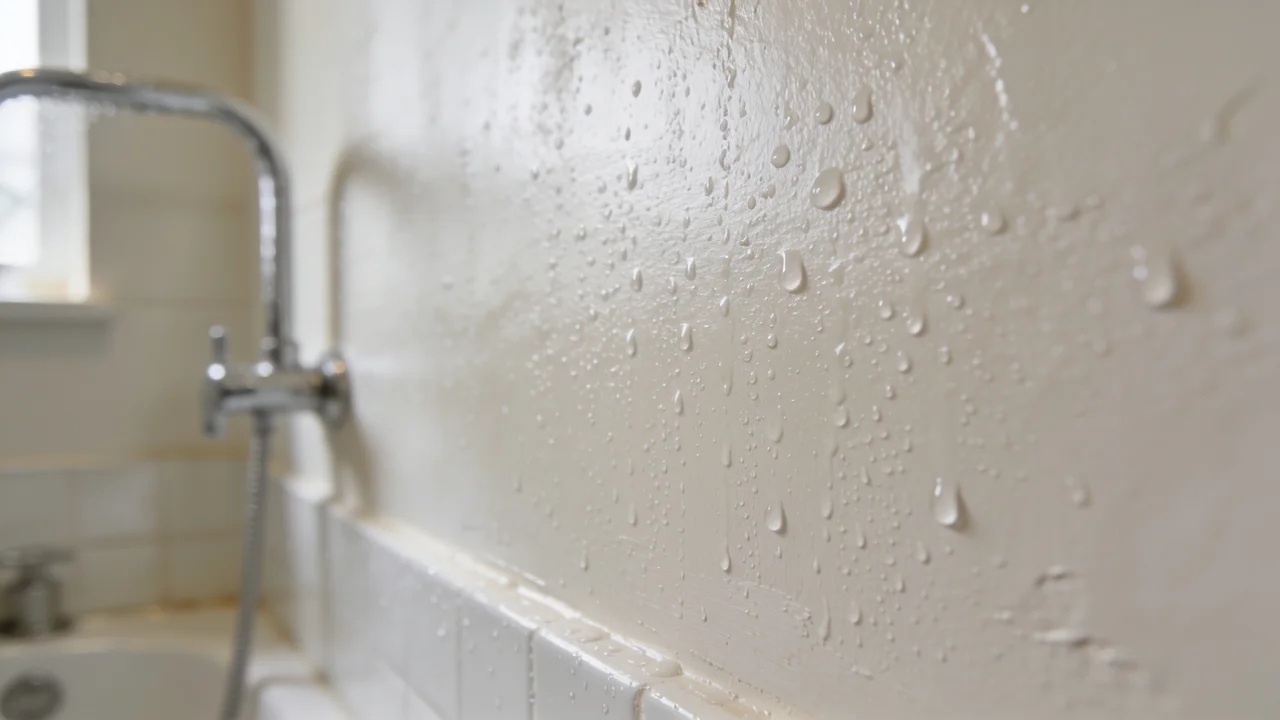
Mold and mildew resistant paints are designed to handle moisture better than standard interior wall paints.
Bathrooms create a challenging environment because warm air, steam, and condensation often stay trapped on walls and ceilings.
When moisture remains on surfaces, mold spores can begin growing and leave stains behind. To reduce this risk, many bathroom paints use acrylic latex formulas and protective additives that help resist mold growth on the paint film.
Strong adhesion also helps prevent peeling and blistering caused by humidity. Products such as Benjamin Moore Aura Bath & Spa, Zinsser Perma-White, and Sherwin-Williams Duration Home are specifically designed for these conditions.
Standard wall paint often lacks the durability needed for repeated exposure to moisture, making it more likely to fail over time in full bathrooms with showers or tubs.
Proper ventilation and moisture control still remain important for long-term results.
11 Best Mold and Mildew Resistant Paint for Bathrooms
These paints are among the most trusted choices for handling moisture, humidity, and daily bathroom use.
1. Benjamin Moore Aura Bath & Spa
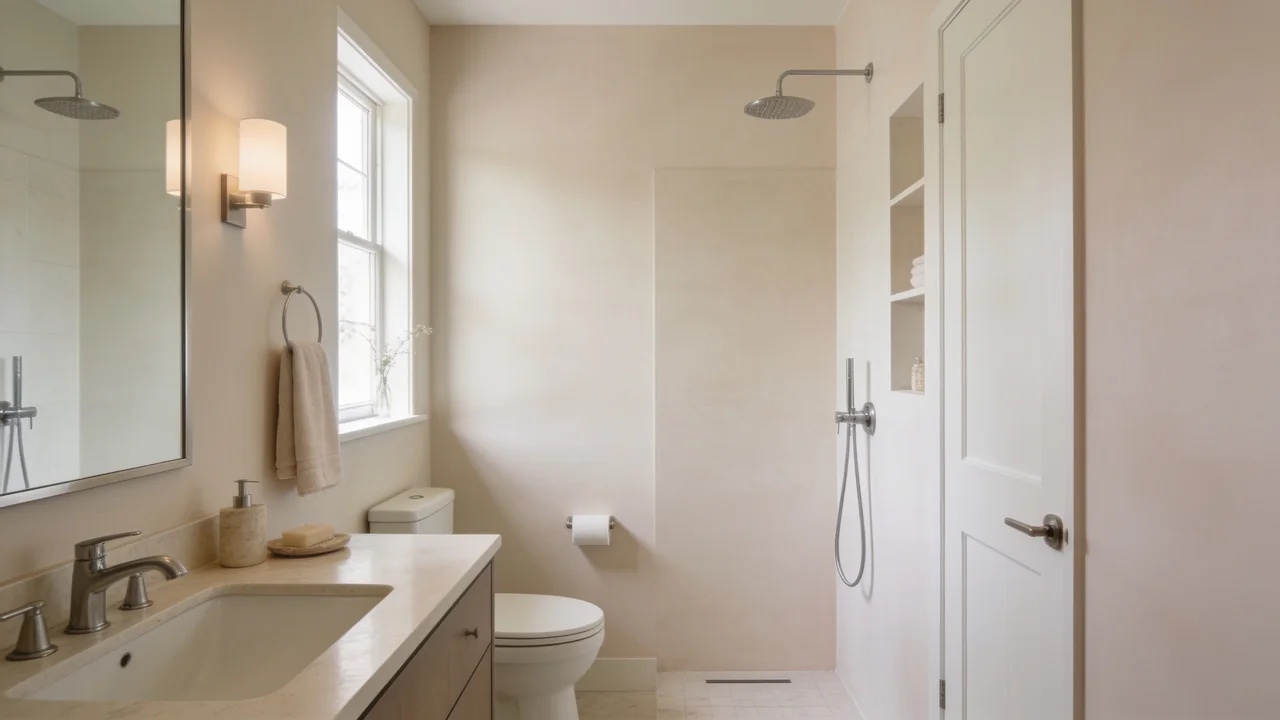
Benjamin Moore Aura Bath & Spa is designed specifically for humid environments.
It uses a mildew-resistant acrylic formula and offers a matte finish that remains washable. The paint is known for strong color retention and excellent coverage.
It works particularly well in bathrooms that experience frequent steam from showers. Its Color Lock technology also helps the finish stay consistent over time.
2. Zinsser Perma-White
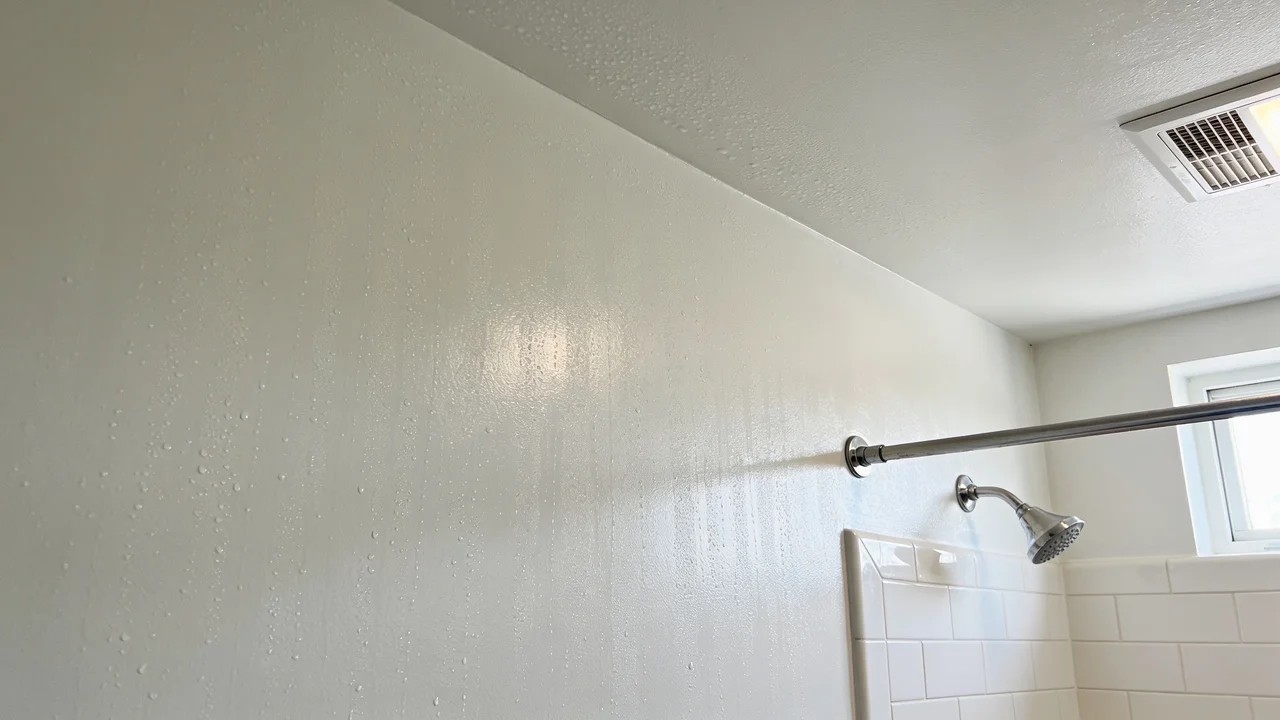
Zinsser Perma-White is one of the most recognized products for mold and mildew protection.
It contains additives that help resist fungal growth on the paint film and performs well on walls, ceilings, and other moisture-prone surfaces.
Many homeowners choose it for bathrooms with limited ventilation or recurring moisture issues.
3. Sherwin-Williams Duration Home
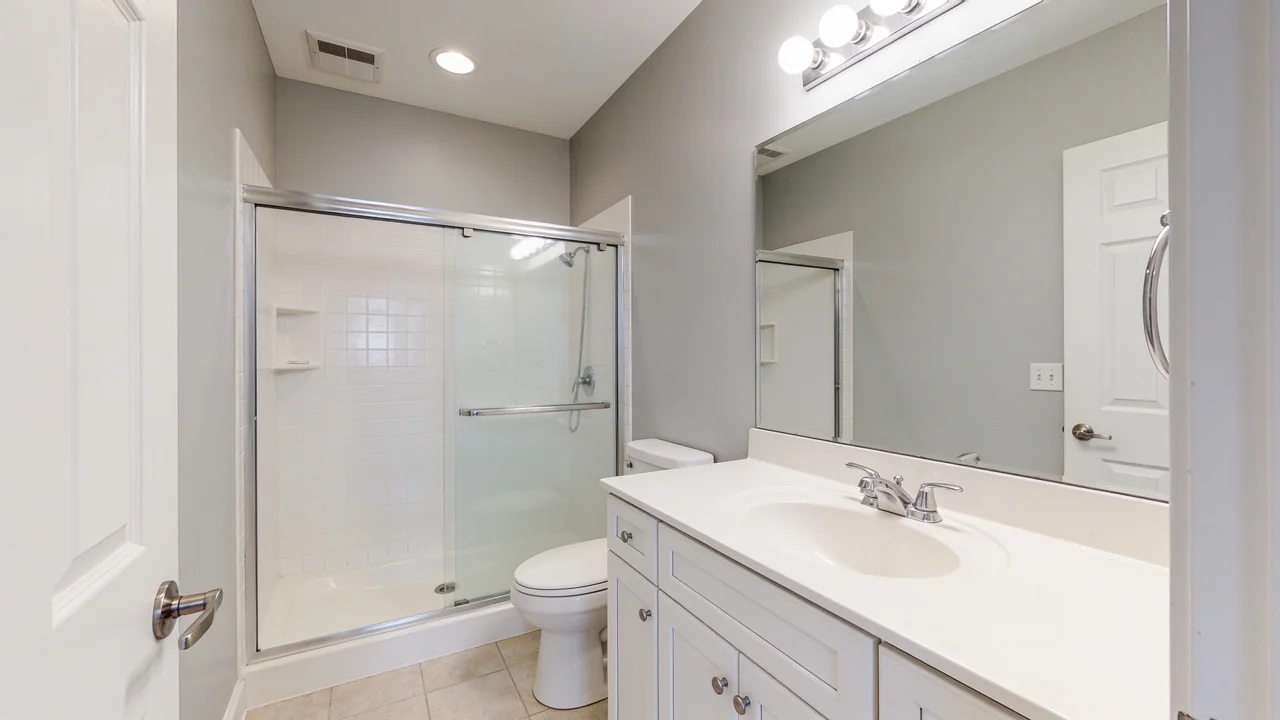
Sherwin-Williams Duration Home combines moisture resistance with strong washability. The paint creates a durable finish that handles frequent cleaning and daily wear.
It is a popular choice for family bathrooms where walls are exposed to regular humidity and occasional splashes.
4. Sherwin-Williams Emerald
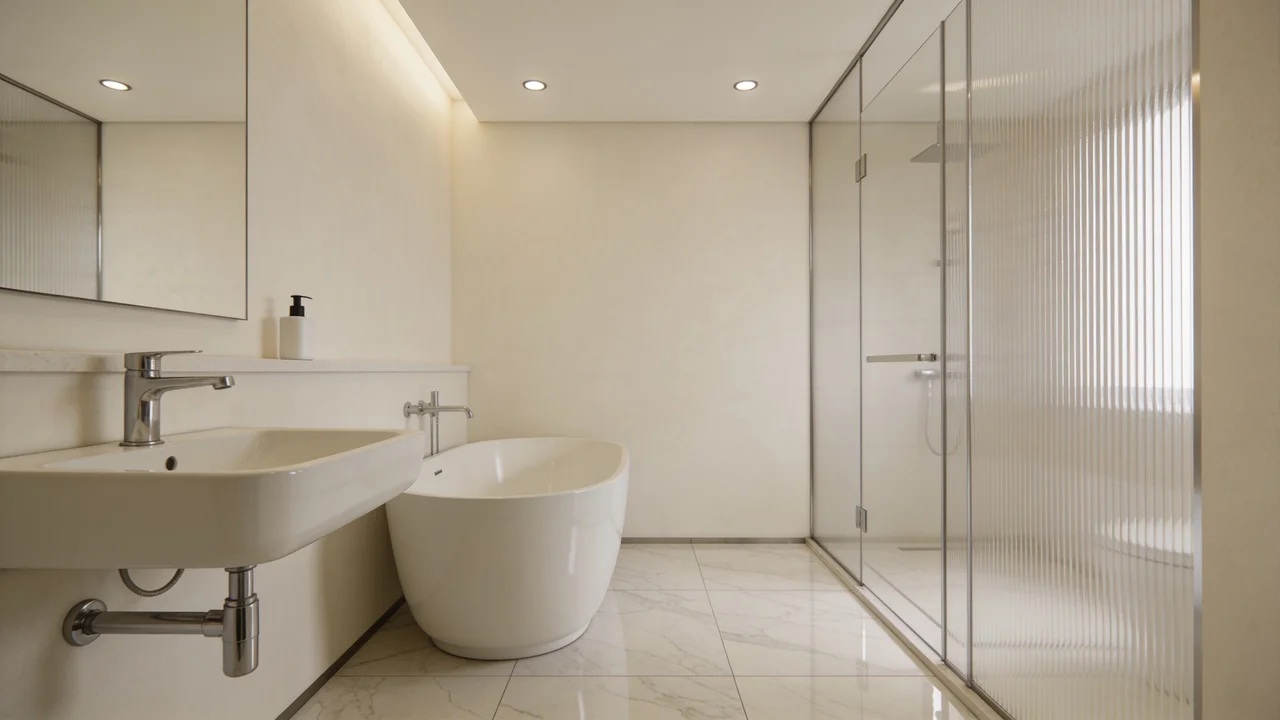
Sherwin-Williams Emerald is a premium interior paint known for durability and stain resistance. Its finish stands up well to repeated cleaning, making it suitable for busy bathrooms.
Homeowners often choose it when they want long-lasting performance along with a wide range of color options.
5. Benjamin Moore Regal Select
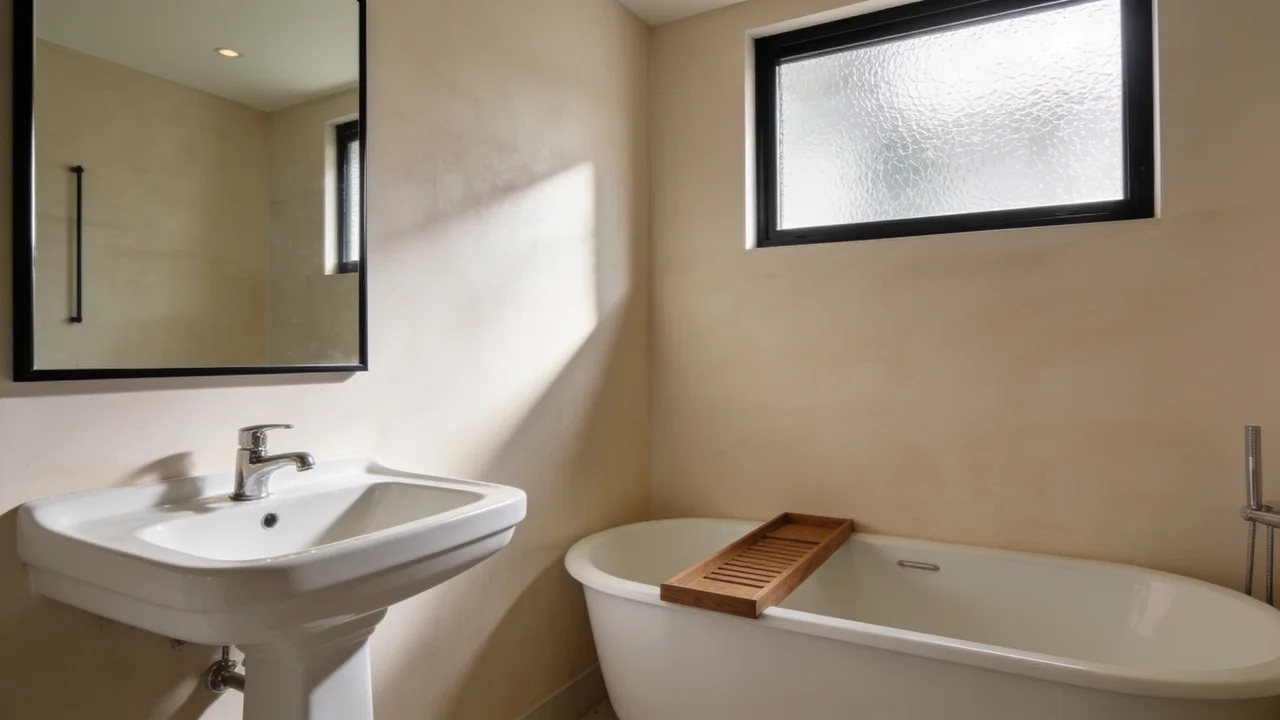
Benjamin Moore Regal Select offers good coverage, dependable washability, and moisture resistance.
While not exclusively a bathroom paint, it performs well in humid spaces when paired with proper ventilation.
It is often selected for bathrooms where durability and appearance are equally important.
6. Behr Premium Plus

Behr Premium Plus provides solid bathroom performance at a more affordable price point.
Its mildew-resistant coating helps protect painted surfaces, while the acrylic formula offers good adhesion and coverage.
It is a practical option for homeowners completing bathroom updates on a budget.
7. Behr Ultra Scuff Defense
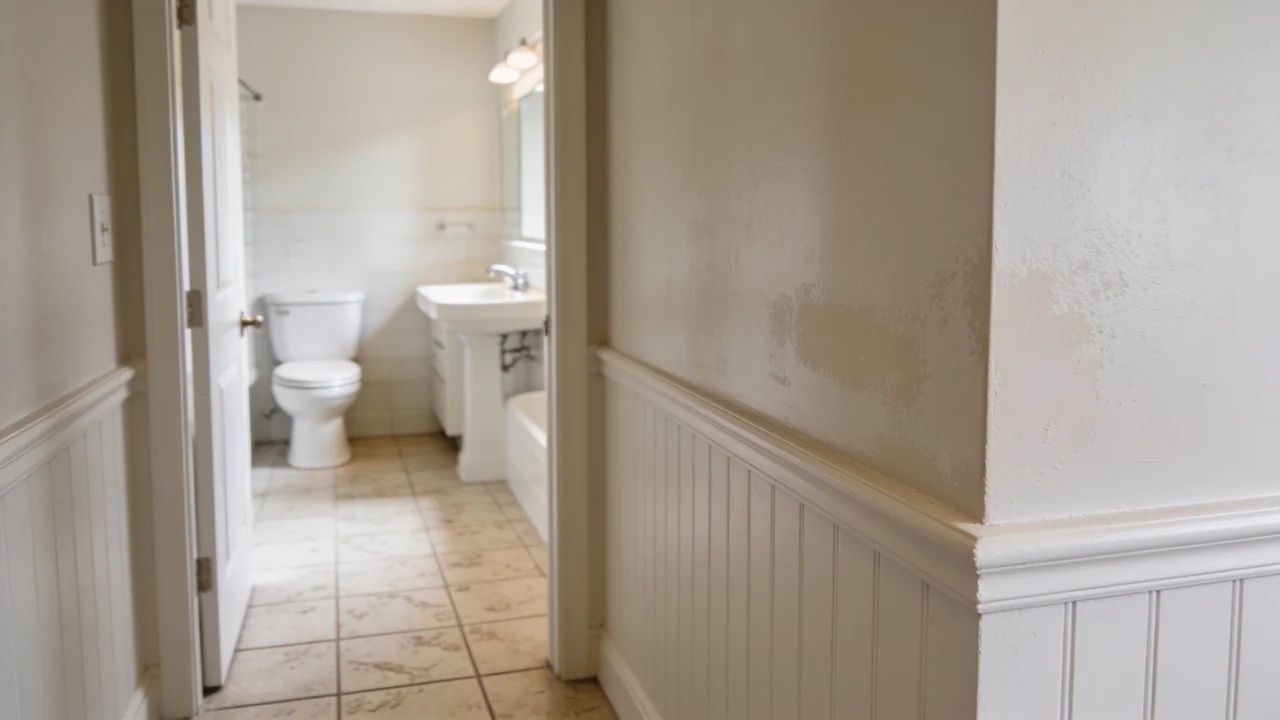
Behr Ultra Scuff Defense combines moisture resistance with extra durability.
The paint resists marks and scuffs better than many standard interior paints, making it useful for high-traffic bathrooms. It also performs well in homes with children or frequent wall cleaning.
8. PPG Diamond Interior Paint
PPG Diamond Interior Paint is valued for its smooth application and easy maintenance. The paint levels well during application and creates a finish that handles normal bathroom humidity.
It is often recommended for DIY projects because it is forgiving to work with.
9. Valspar Signature

Valspar Signature offers a durable coating with good stain resistance and washability. The paint performs well in bathrooms with moderate humidity and provides reliable coverage.
Many homeowners appreciate its balance between performance and cost.
10. Glidden Premium

Glidden Premium is an economical choice for bathroom painting projects. Its mildew-resistant properties and washable finish help it hold up better than basic interior paints.
It can be a suitable option for guest bathrooms or powder rooms.
11. Rust-Oleum Watertite

Rust-Oleum Watertite is commonly used in areas exposed to significant moisture.
While often associated with basement applications, it can also help address moisture-related concerns in bathrooms.
It provides an extra layer of protection in spaces where damp conditions are common.
How to Choose the Best Mold and Mildew Resistant Paint for Bathrooms
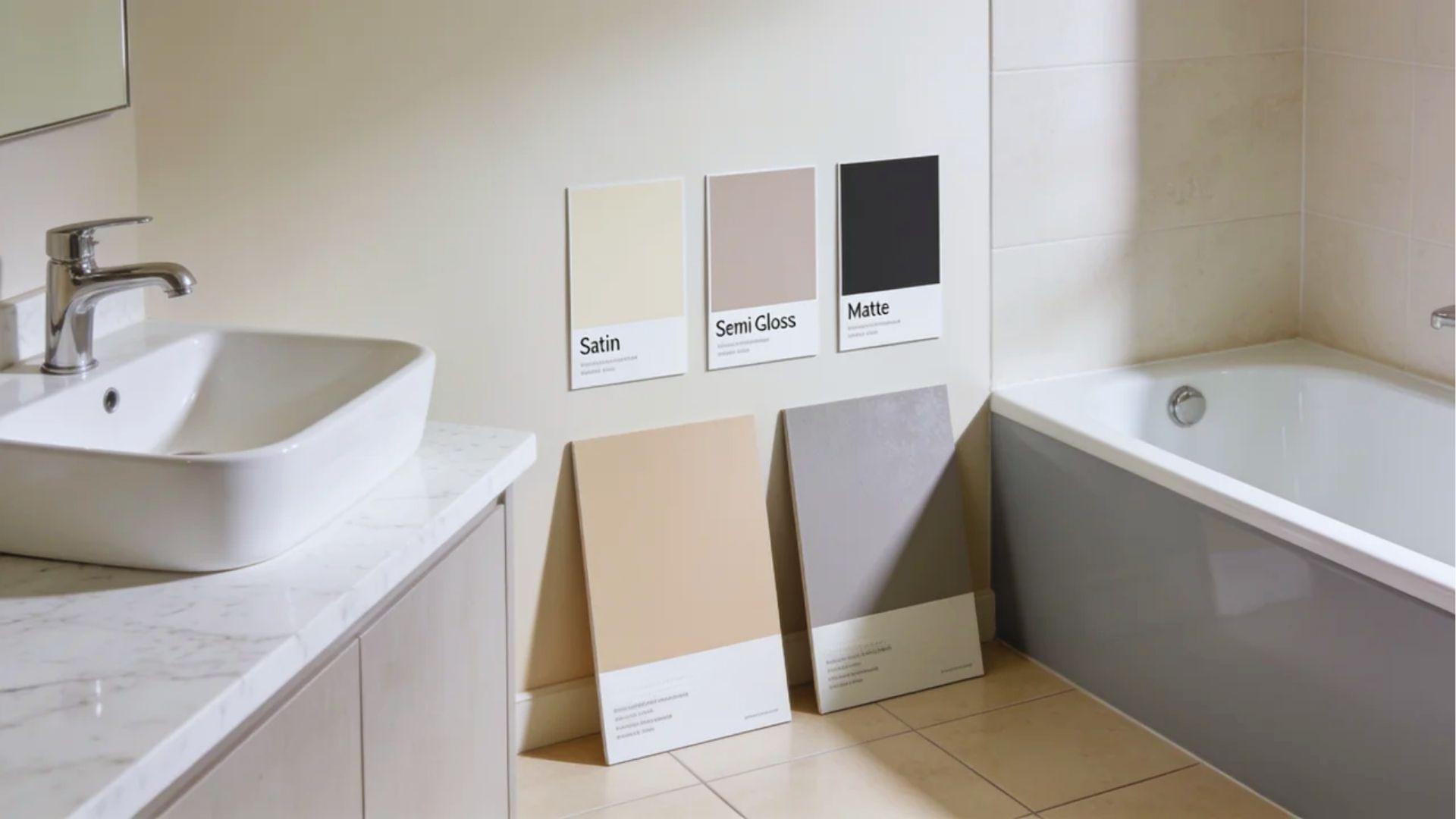
Selecting the right bathroom paint involves more than comparing brands.
Start by choosing an appropriate finish. Satin finish remains the most popular option because it balances moisture resistance and appearance.
Semi-gloss finish offers even greater protection and is easier to clean. Consider how much humidity your bathroom experiences and whether an exhaust fan is present.
Acrylic latex paint generally performs better than oil-based products in humid spaces. Durability also matters because bathroom walls require regular cleaning.
Review coverage rates, maintenance needs, and long-term performance before purchasing. A paint that costs slightly more upfront may last longer and require fewer touch-ups over the years.
Common Bathroom Painting Mistakes
A few common mistakes can shorten the life of even the best bathroom paint.
Painting Over Existing Mold
Painting directly over mold rarely solves the problem. Existing growth can continue spreading beneath the paint film and eventually show through again.
Cleaning affected surfaces and using a mold killing primer when needed helps create a stable foundation before painting. Addressing the moisture source is equally important for long-term success.
Choosing the Wrong Finish
Flat finishes generally absorb moisture more easily and are harder to clean.
Bathrooms usually perform better with satin or semi-gloss finishes because they resist moisture and allow easier maintenance.
Choosing the wrong sheen can lead to staining, discoloration, and premature paint failure.
Skipping Surface Preparation
Proper preparation helps paint bond correctly to walls and ceilings. Dirt, soap residue, and old peeling paint can prevent good adhesion.
Washing surfaces, repairing damaged areas, and applying primer when necessary creates a smoother finish and improves durability.
Ignoring Ventilation Issues
Even the best paint cannot overcome constant moisture exposure. Bathrooms without adequate ventilation often develop condensation that stays on surfaces for long periods.
Using an exhaust fan and improving airflow helps protect paint, reduce humidity, and limit mold growth.
Tips for Preventing Mold After Painting
Good maintenance habits help painted bathroom walls stay cleaner and last longer.
- Run the bathroom exhaust fan during showers and leave it running afterward to reduce humidity and remove moisture from the air.
- Wipe excess water from walls, mirrors, and shower areas regularly to limit condensation buildup that encourages mold growth.
- Keep windows open when possible to improve airflow and help damp surfaces dry faster after bathing or showering.
- Clean painted walls with mild soap and water occasionally to remove residue that can trap moisture and support mildew growth.
- Inspect painted surfaces each year for peeling, discoloration, or recurring moisture problems and repaint affected areas before damage spreads.
Conclusion
Choosing the right mold and mildew resistant paint for bathrooms can make a significant difference in how well your walls handle moisture, steam, and daily use.
Products designed for humid spaces offer better protection against peeling, staining, and mildew growth than standard interior paints.
Pairing quality paint with proper ventilation, moisture control, and routine maintenance helps create longer-lasting results.
Use the information in this guide to compare options and select the best fit for your bathroom.
If you found this guide helpful, leave a comment, share it with others, or explore more home improvement content.
Frequently Asked Questions
Can Mold Resistant Paint Be Used On Bathroom Ceilings?
Yes. Many mold resistant paints are suitable for ceilings and can help reduce mildew growth in areas exposed to frequent steam and condensation.
How Long Should Bathroom Paint Cure Before Showering?
Most paints dry quickly, but full curing often takes several days. Check the manufacturer's instructions before exposing freshly painted walls to heavy moisture.
Is Primer Necessary Before Painting A Bathroom?
Primer is recommended on repaired surfaces, stained areas, bare drywall, and walls that previously had mold or mildew problems.
Can Bathroom Paint Help Reduce Condensation?
Paint cannot stop condensation by itself. Proper ventilation, airflow, and humidity control are needed to reduce moisture buildup effectively.
Are Mold Resistant Paints Safe For Small Bathrooms?
Yes. Many modern acrylic latex paints have low odor and low VOC formulas, making them suitable for small enclosed bathroom spaces.