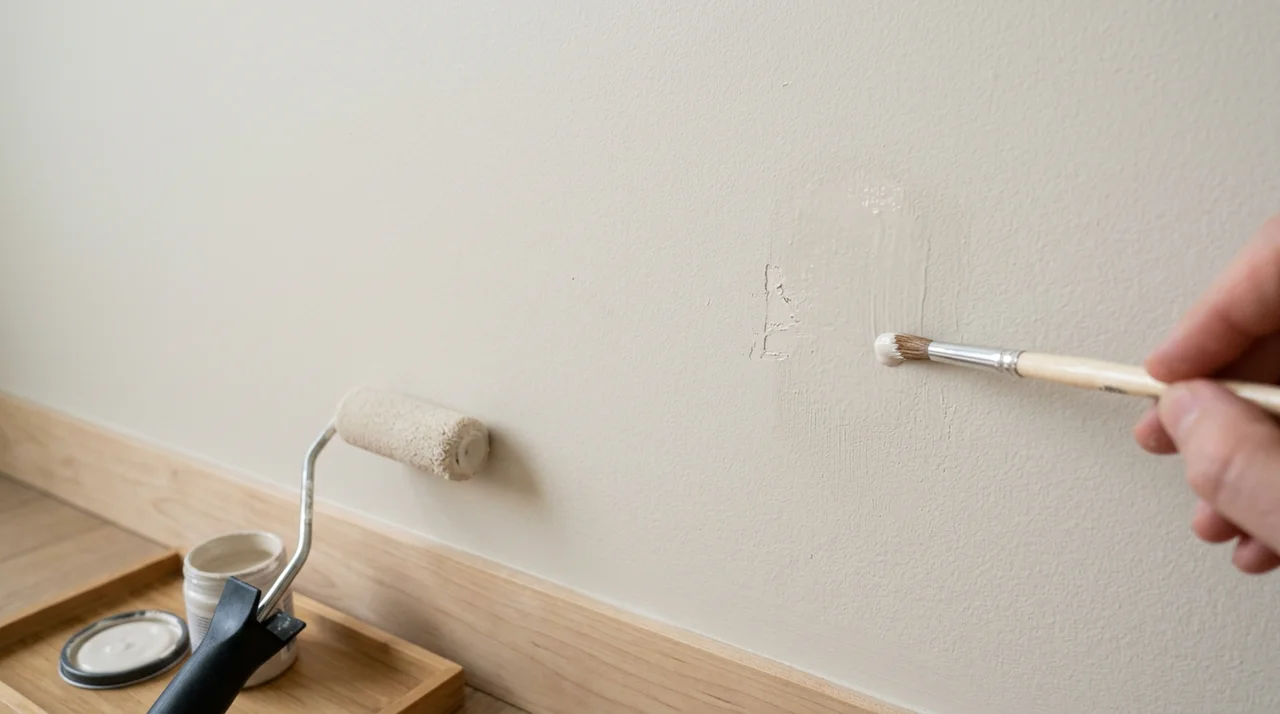


Picking the right paint for doors and trim is harder than it looks. I’ve grabbed the wrong finish before and ended up with a scuffed door just months later.
In this guide, I’ll walk you through the best paints, the right finish, and how to get a smooth result every time. I’ve done the research so you don’t have to guess.
I’ve helped hundreds of homeowners pick the right paint, and these are the picks I keep coming back to.
What Is the Best Paint for Doors and Trim?

Doors and trim take a beating every day. They get touched, bumped, and cleaned constantly. Regular wall paint just isn’t built for that. It chips and scuffs fast.
Trim paint dries harder, holds up to scrubbing, and looks cleaner on woodwork. I learned this the hard way after using wall paint on my front door and watching it peel within a year.
The three things that matter most are durability, adhesion, and finish. Look for enamel or urethane-based formulas. They stick better, last longer, and clean up easier.
7 Best Paints for Doors and Trim
These are the top paints I’d recommend based on performance, user feedback, and real-world results.
1. Benjamin Moore Advance (Best Overall)
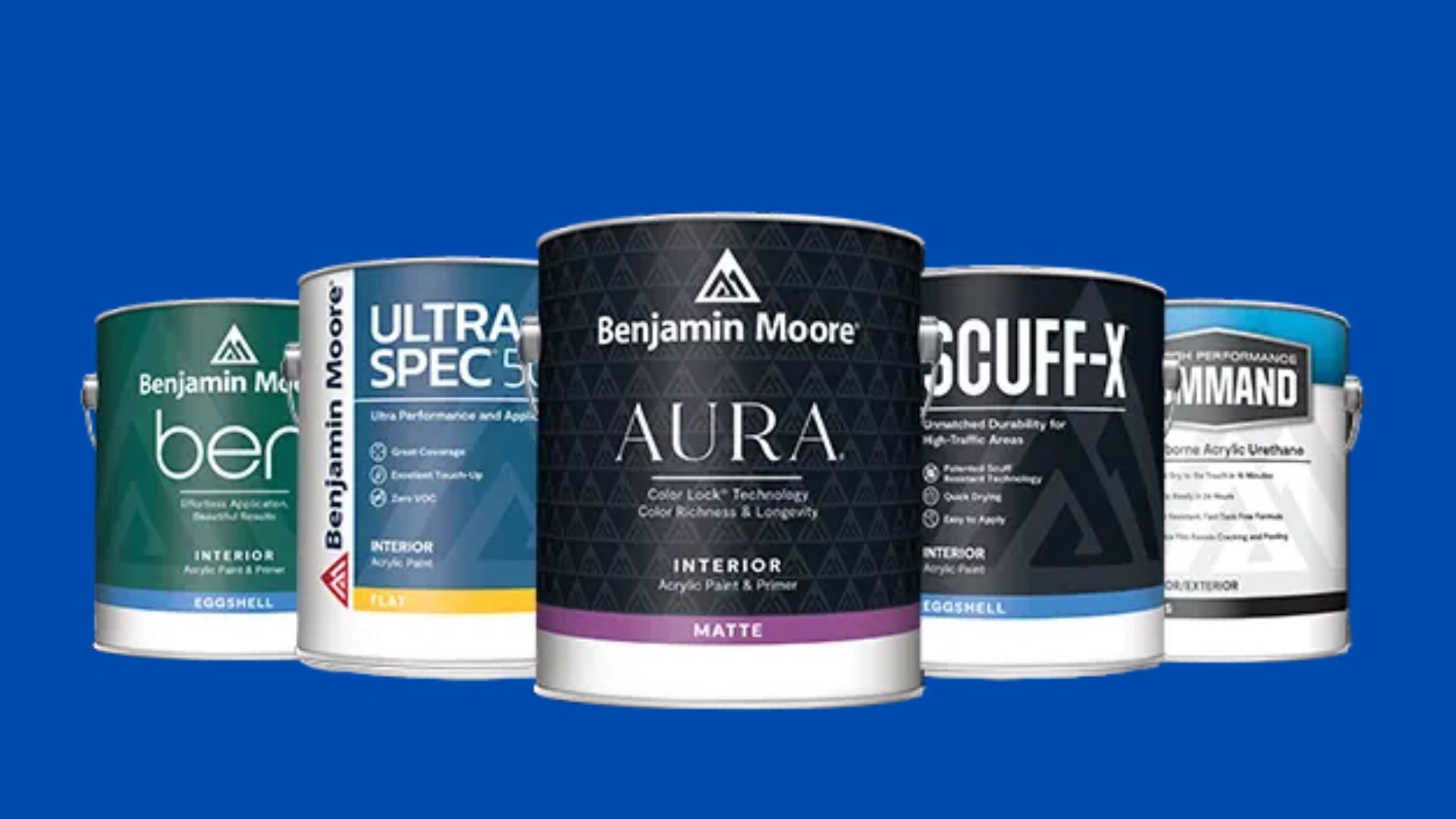
Benjamin Moore Advance is one of the most talked-about trim paints out there, and it earns that reputation. It’s a waterborne alkyd paint, which means it applies like latex but dries to a hard, smooth finish similar to oil-based paint.
It levels out very well, which reduces brush marks significantly. The finish looks professional even when you’re doing it yourself. It does take longer to dry between coats (around 16 hours), so plan ahead.
Best for: Homeowners who want a top-tier finish and don’t mind waiting a bit between coats.
2. Sherwin-Williams Emerald Urethane (Best for Durability)
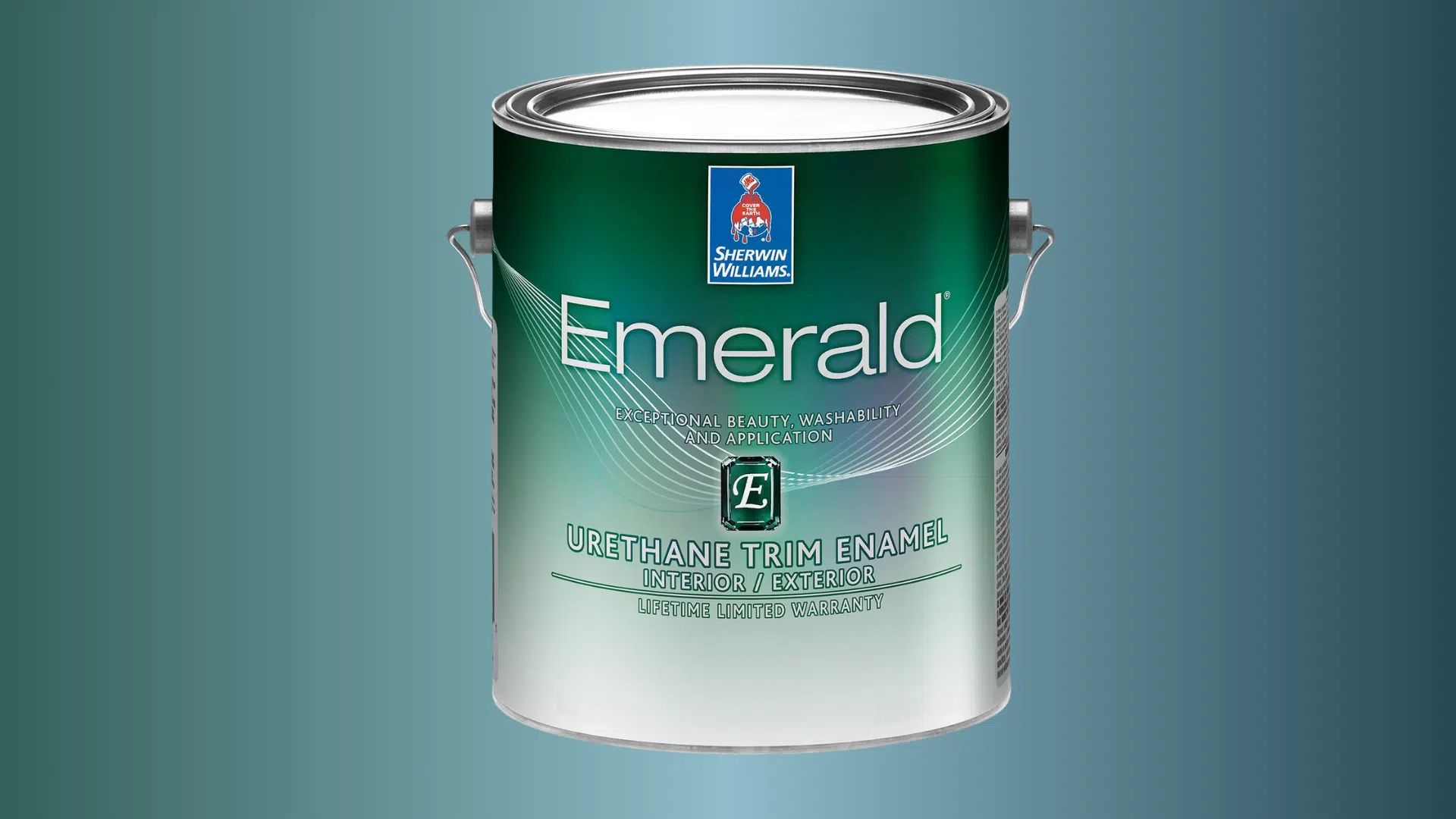
If durability is your top concern, Emerald Urethane is hard to beat. It’s a waterborne urethane alkyd that dries very hard and resists scuffs, stains, and scratches better than most trim paints on the market.
It holds up in high-traffic areas like front doors, mudroom trim, and kids’ room woodwork. It’s also self-leveling, so it goes on smooth with a brush or roller. The price is on the higher end, but the long-term performance makes it worth it for busy households.
Best for: High-traffic homes, front doors, and anyone who wants paint that lasts for years.
3. INSL-X Cabinet Coat (Best for Smooth Finish)
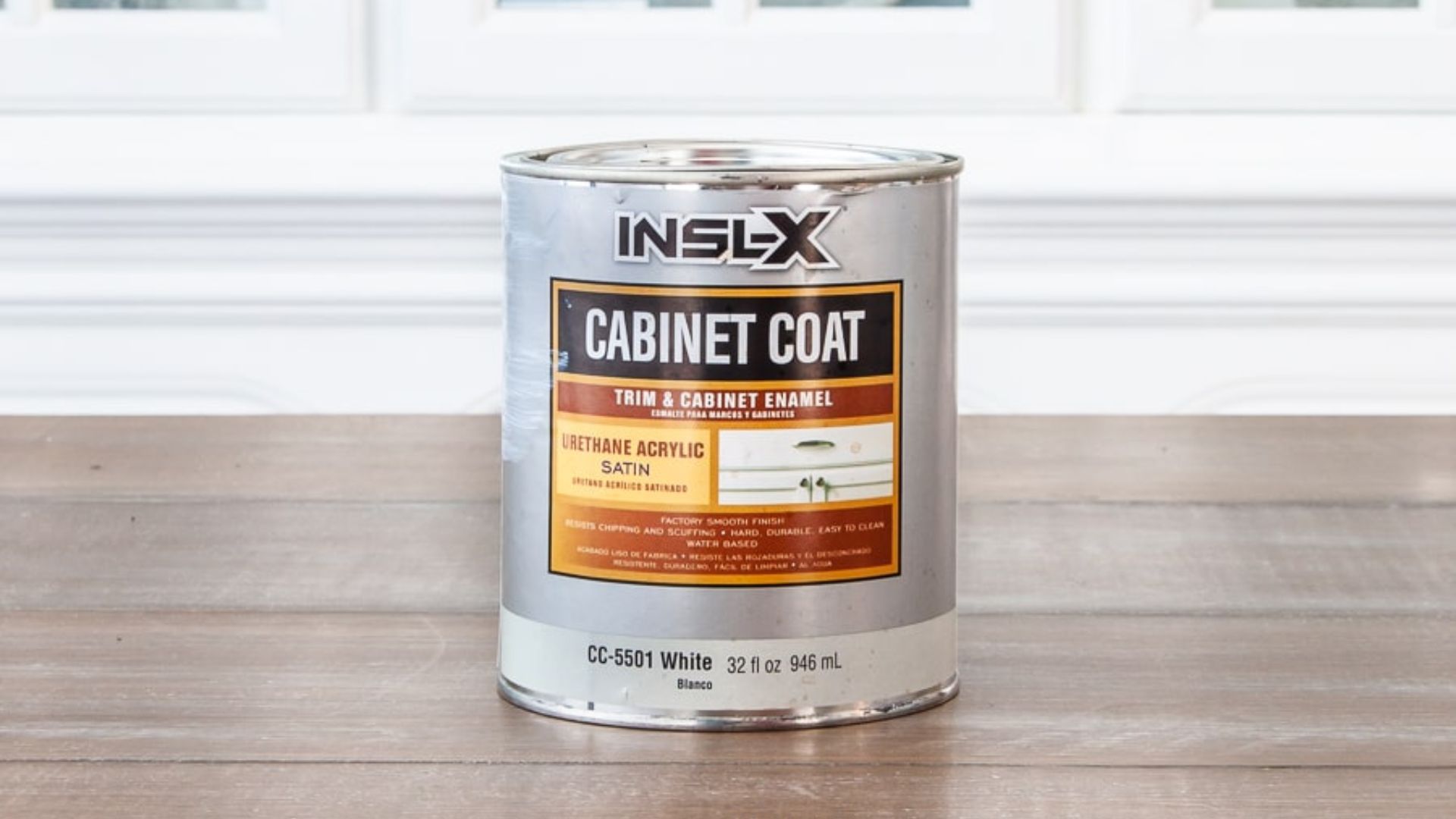
INSL-X Cabinet Coat is designed for cabinets, but it works beautifully on trim and doors too. It dries to a hard, factory-like finish that looks clean and professional. The self-leveling formula really does minimize brush strokes.
It’s a waterborne alkyd, so cleanup is easy and the smell is minimal compared to oil-based options. The coverage is excellent and it holds up well to wiping and general wear.
Best for: Anyone who wants that smooth, sprayed-on look without using a sprayer.
4. Behr Urethane Alkyd Enamel (Best Budget Option)
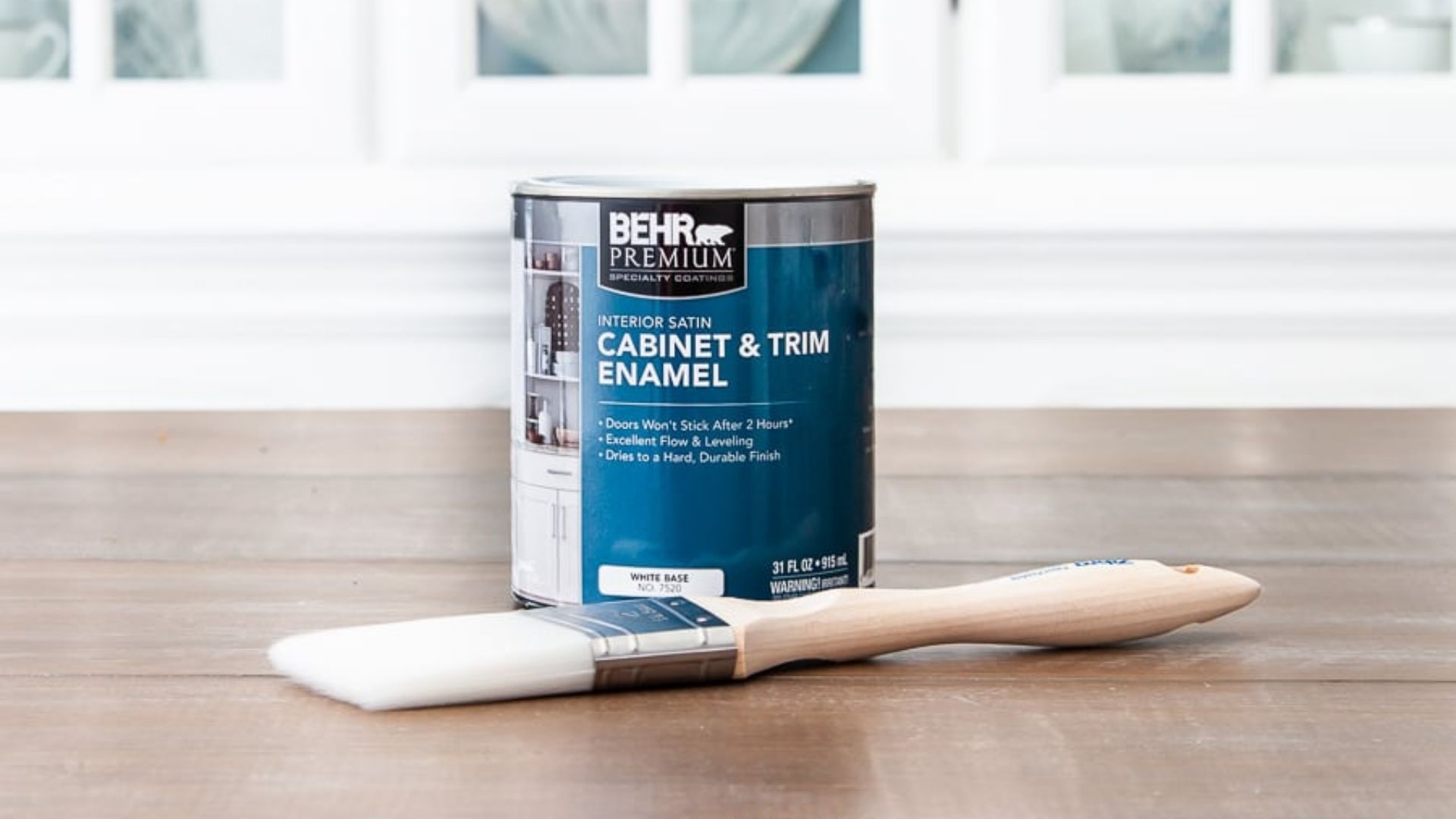
Behr’s Urethane Alkyd Enamel gives you solid durability and a smooth finish at a price that’s much easier on the wallet. It performs far above what you’d expect at this price point.
It dries hard, cleans up with water, and is available at Home Depot, making it easy to grab locally. It’s not as self-leveling as Benjamin Moore Advance, so you’ll need to watch your brush technique. But for the price, it’s a great option.
Best for: Budget-conscious DIYers who still want a durable, quality result.
5. PPG Manor Hall Semi-Gloss (Best Value for Money)
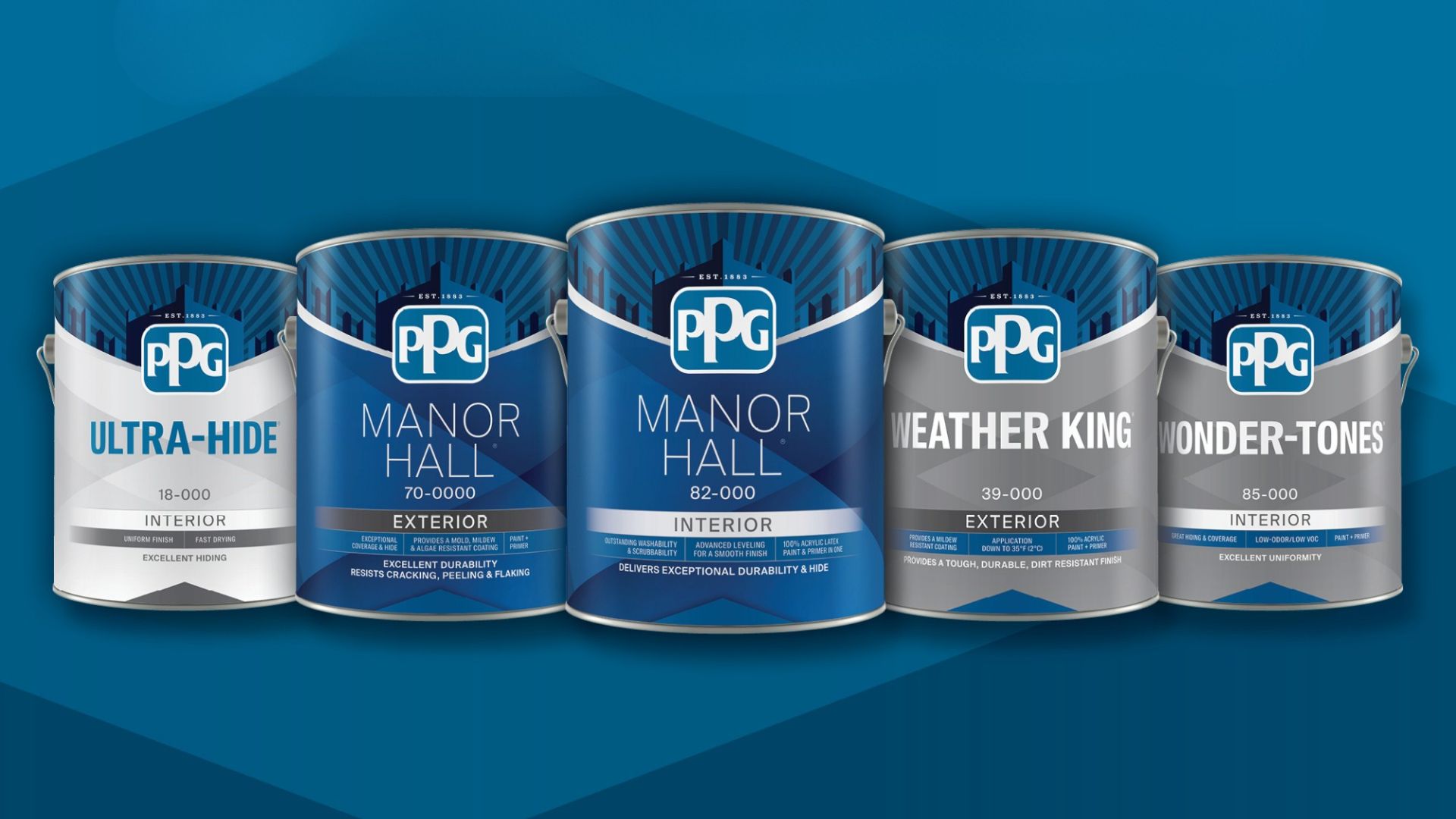
PPG Manor Hall is a dependable semi-gloss latex paint that performs consistently well. It covers in two coats, dries relatively quickly, and gives a clean semi-gloss sheen that works well on both doors and trim.
It’s not as premium as Benjamin Moore or Sherwin-Williams, but it hits a nice middle ground between price and performance. It cleans up easily and holds up well over time with normal use.
Best for: Homeowners who want a reliable everyday option without spending top dollar.
6. Farrow & Ball Modern Eggshell (Best for Designer Finish)
Farrow & Ball is known for its rich, deep colors and this paint delivers a soft eggshell sheen that looks incredible on interior trim and doors. If you’re after a certain color that no other brand quite nails, this is the one.
That said, it’s the most expensive option on this list by a wide margin. And because the sheen is lower (eggshell vs semi-gloss), it’s slightly harder to clean than other options. But if the look matters most, you won’t be disappointed.
Best for: Design-focused homeowners who want standout color with a soft, refined finish.
7. Valspar Cabinet & Furniture Enamel (Best for Fast Drying)
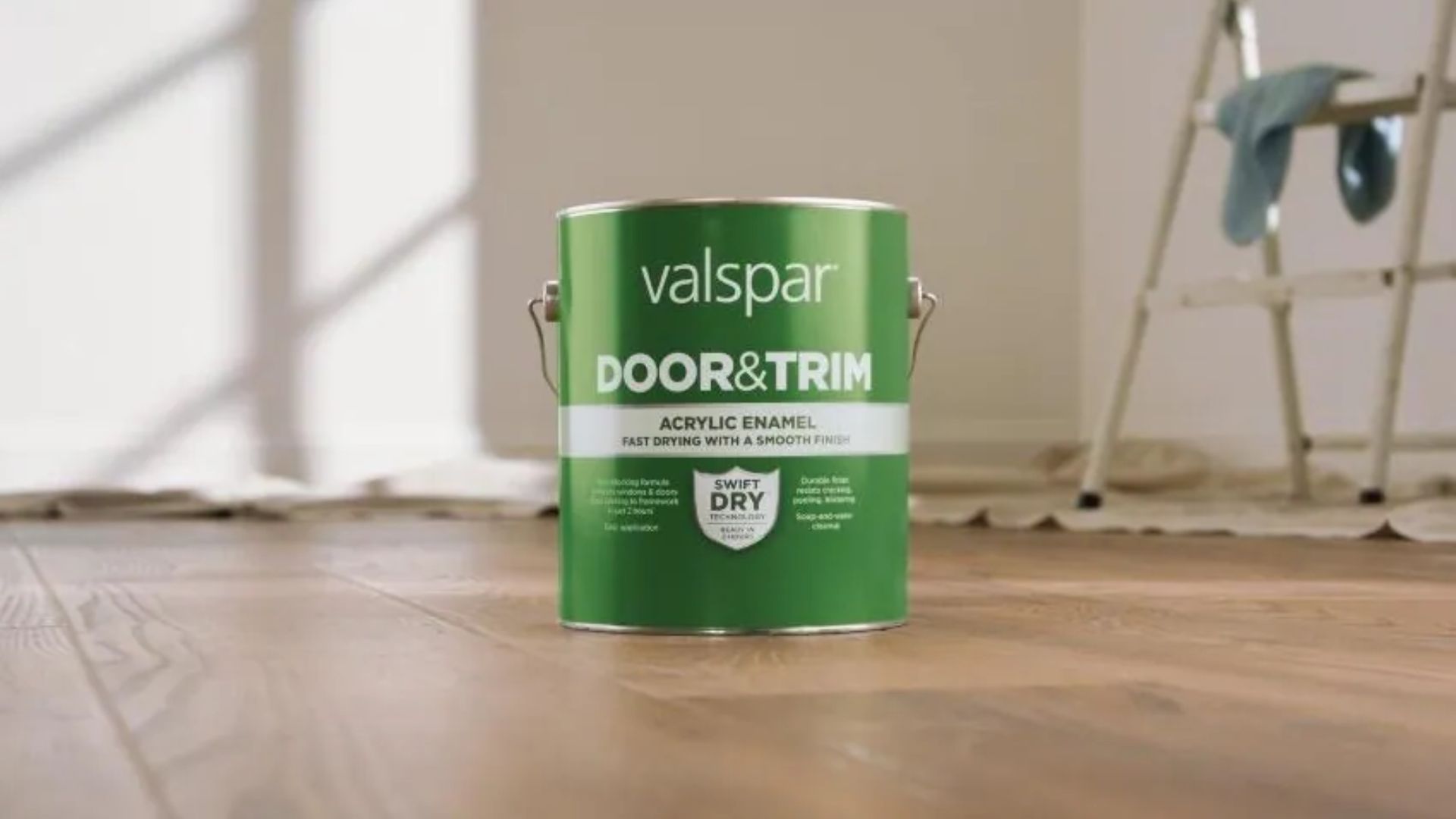
Valspar’s Cabinet & Furniture Enamel dries faster than most alkyd-based trim paints, which is a big deal when you want to get through multiple coats in a day. It dries hard, cleans up with water, and gives a smooth, durable finish.
It’s a solid all-rounder that works well on doors, trim, and furniture. Valspar’s formula levels nicely with a good quality brush, making it a practical choice for DIYers who want to move quickly without sacrificing finish quality.
Best for: DIYers who want fast drying times and a clean finish.
Common Mistakes to Avoid
Small mistakes during prep or application can ruin an otherwise good paint job. Here’s what to watch out for:
- Using wall paint instead of trim paint. Wall paint doesn’t dry as hard and won’t hold up to daily wear on doors and trim.
- Skipping surface prep. Paint won’t stick well to a dirty or slick surface, so clean and sand before you start.
- Applying thick coats. Thick coats cause drips and brush marks, so always apply two thin coats instead.
- Not sanding between coats. A light pass with 220-grit sandpaper helps each coat lay down smoother.
- Rushing dry time. Applying the next coat too soon leads to peeling and uneven coverage.
Conclusion
I’ve repainted more doors than I can count, and the one thing I always come back to is this: the right paint makes everything easier.
My personal go-to is Benjamin Moore Advance. It just works. For tight budgets, Behr Urethane Alkyd Enamel is a solid pick. And for heavy traffic, Sherwin-Williams Emerald Urethane holds up like nothing else.
Prep well, take your time between coats, and you’ll be surprised at the results. Drop a comment and let me know which one you’re going with.
Frequently Asked Questions
What is the best paint for interior doors and trim?
Benjamin Moore Advance is widely considered the best overall option for interior doors and trim. It levels well, dries hard, and gives a smooth, professional-looking finish that holds up over time.
Should I use satin or semi-gloss paint on trim?
Semi-gloss is the more practical choice for most trim because it cleans up easily and handles daily contact well. Satin is a good option if your trim has imperfections you want to soften visually.
Do I need to prime before painting doors and trim?
Not always, but priming is strongly recommended on bare wood, surfaces with stains, or when switching between oil and water-based paints. Priming improves adhesion and helps the topcoat cover more evenly.
Can I use the same paint on doors and trim?
Yes. Most trim paints work well on both doors and trim. Just make sure the finish is appropriate (semi-gloss or satin) and that the formula is a durable enamel or alkyd-based product rather than regular latex wall paint.
How many coats of paint does trim need?
Two coats is the standard for most trim projects. Sand lightly between coats for the best result. If you’re covering a dark color or bare wood, a primer coat plus two topcoats may be needed.