

So you've got a PVC board sitting around, and you're wondering if paint will actually stick to it. I get that question a lot, and it's a fair one to ask before you grab a brush.
Here's what this article covers. You'll learn what a PVC board is, how to prep it the right way, and which primer and paint actually work on it.
I'll also walk you through the painting steps so you don't waste time or money on a coat that peels in a month.
I've worked on enough plastic trim and board projects to know where people go wrong. Most failed paint jobs come down to skipped prep, not bad paint.
By the end, you'll know exactly what to buy and how to apply it. No guesswork, just a clear plan that fits your project.
Understanding PVC Board and Its Paintability
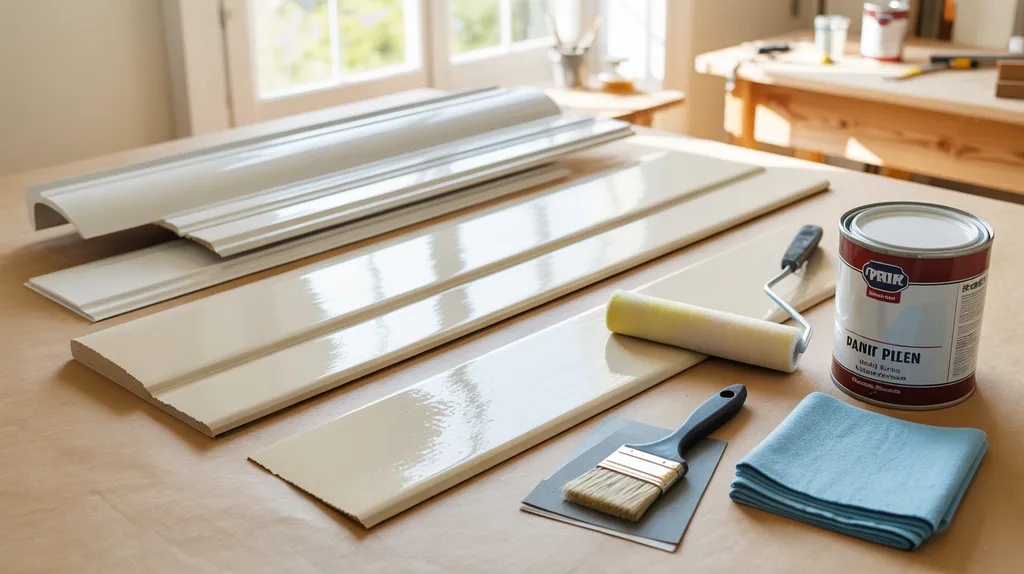
PVC board is a plastic material, not wood. It's made from polyvinyl chloride, the same stuff used in pipes and siding.
People use it for trim, fascia boards, and outdoor signs because it doesn't rot or warp like wood does over time.
Can you paint it? Yes, you can. But there's a catch. PVC has a smooth, slick surface, and paint needs something to grip onto.
Bare PVC doesn't give it much to hold. You can't just open a can and start brushing. The board needs prep first, or your paint job won't last more than a season.
So why bother? Painting a PVC board lets you match it to nearby wood trim or blend it into a painted wall or fence.
It also covers up factory color that has faded or yellowed over the years. Done right, painted PVC holds color well and resists peeling for a long time.
The work upfront is what makes that payoff real.
Why Proper Preparation Matters Before Painting
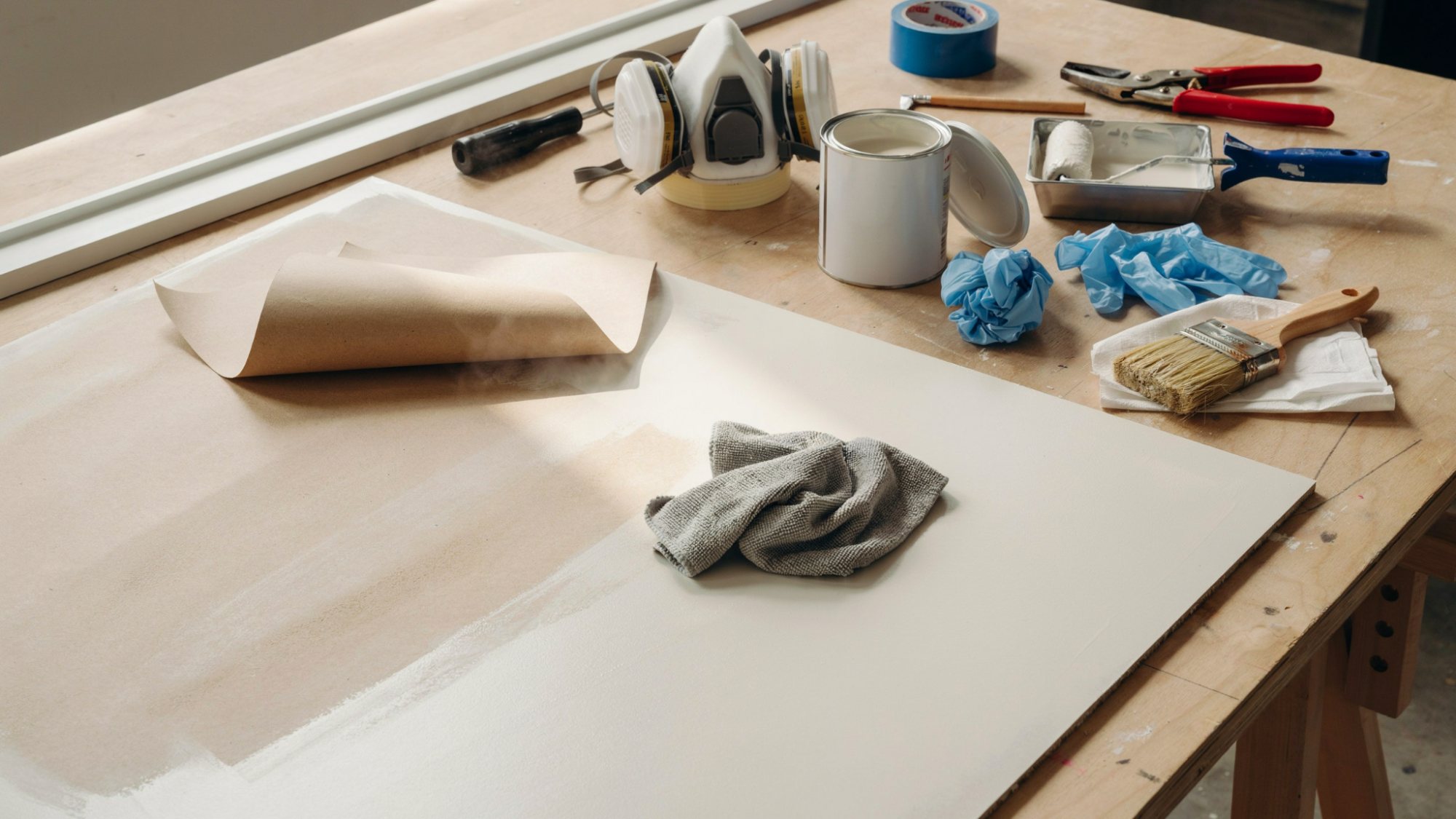
I won't sugarcoat this part. Preparation is the step most people rush, and it's the reason most paint jobs on PVC fail early.
Common challenges show up fast. The surface is glossy.
It repels paint instead of soaking it in. Dust, grease, and mildew can sit on the board without you noticing, and any of that under a coat of paint will cause bubbling or peeling within weeks.
Surface preparation fixes this by giving paint something to bite into. Light sanding scuffs up that slick finish. Cleaning removes oils and grime.
Together, they help primer and paint bond to the board instead of just sitting on top of it.
For tools and materials, keep it simple. You'll want mild soap and water, a soft sponge, fine grit sandpaper (around 220 grit), a tack cloth or microfiber rag, a bonding primer made for plastic, and exterior or plastic-rated paint. That's the full list. Nothing fancy, nothing expensive.
How to Prepare PVC Board for Painting
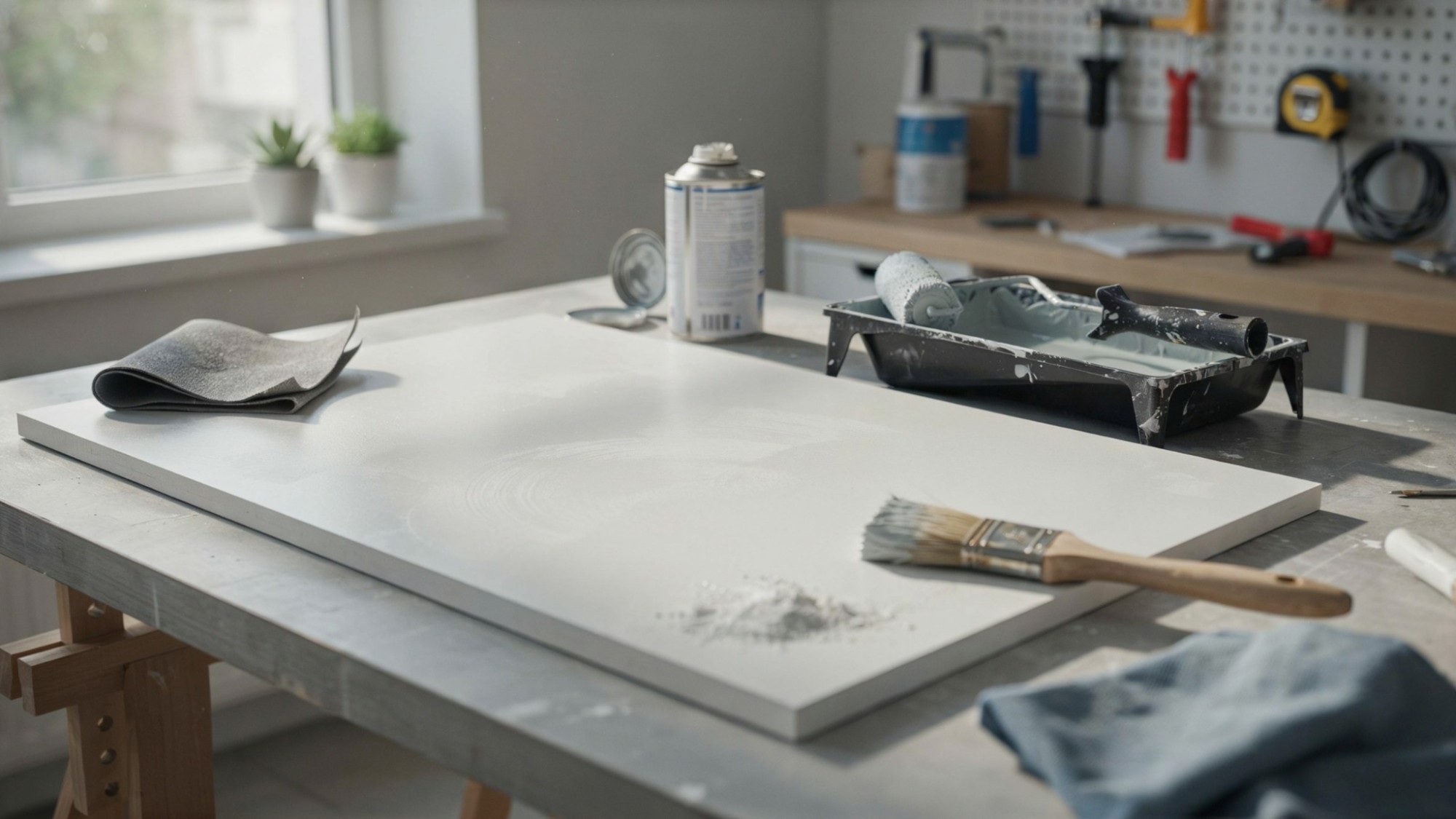
Clean the Surface Thoroughly
Start by washing the board with mild soap and water. Wipe away dirt, dust, and any grease. Let it dry fully before you touch sandpaper to it.
A wet board won't sand evenly, and any leftover grime will trap itself under your primer.
Sand the PVC Board for Better Adhesion
Use fine grit sandpaper, around 220 grit, and go over the whole surface in light, even strokes. You're not trying to remove material.
You're just scuffing the shine off so paint has something to grip. A dull, slightly rough finish is exactly what you want.
Remove Dust and Residue Before Painting
Sanding leaves behind fine dust, and that dust will ruin your paint job if it's still there when you prime.
Wipe the board down with a tack cloth or a damp microfiber rag. Check corners and edges twice. They hold onto dust longer than flat areas do.
Choosing the Right Primer for PVC Board
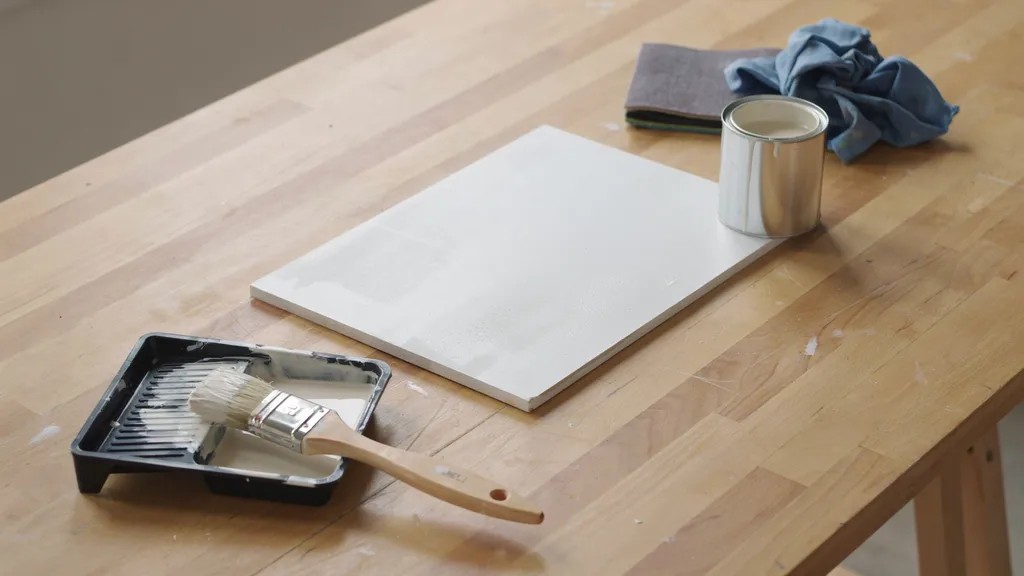
A bonding primer made for plastic gives paint something to grip, so check the label and skip it only if your paint already includes one.
Do You Need a Primer for PVC Board?
In most cases, yes. PVC is non-porous, which means paint has nothing to soak into.
A bonding primer made for plastic gives the paint a surface it can actually hold onto, and it cuts down the chances of peeling later.
Types of Primers Suitable for PVC Surfaces
Look for primers labeled for plastic or vinyl. Acrylic bonding primers work well for most indoor and outdoor PVC projects.
Some oil-based primers also bond well, but check the label first since not every oil-based formula is made for plastic surfaces.
When You Can Skip the Primer
A few paints made specifically for plastic already include bonding agents, so a separate primer isn't always needed. Check the can.
If it says "no primer needed" for plastic or PVC, you can skip that step and go straight to painting.
Selecting the Best Paint for PVC Board
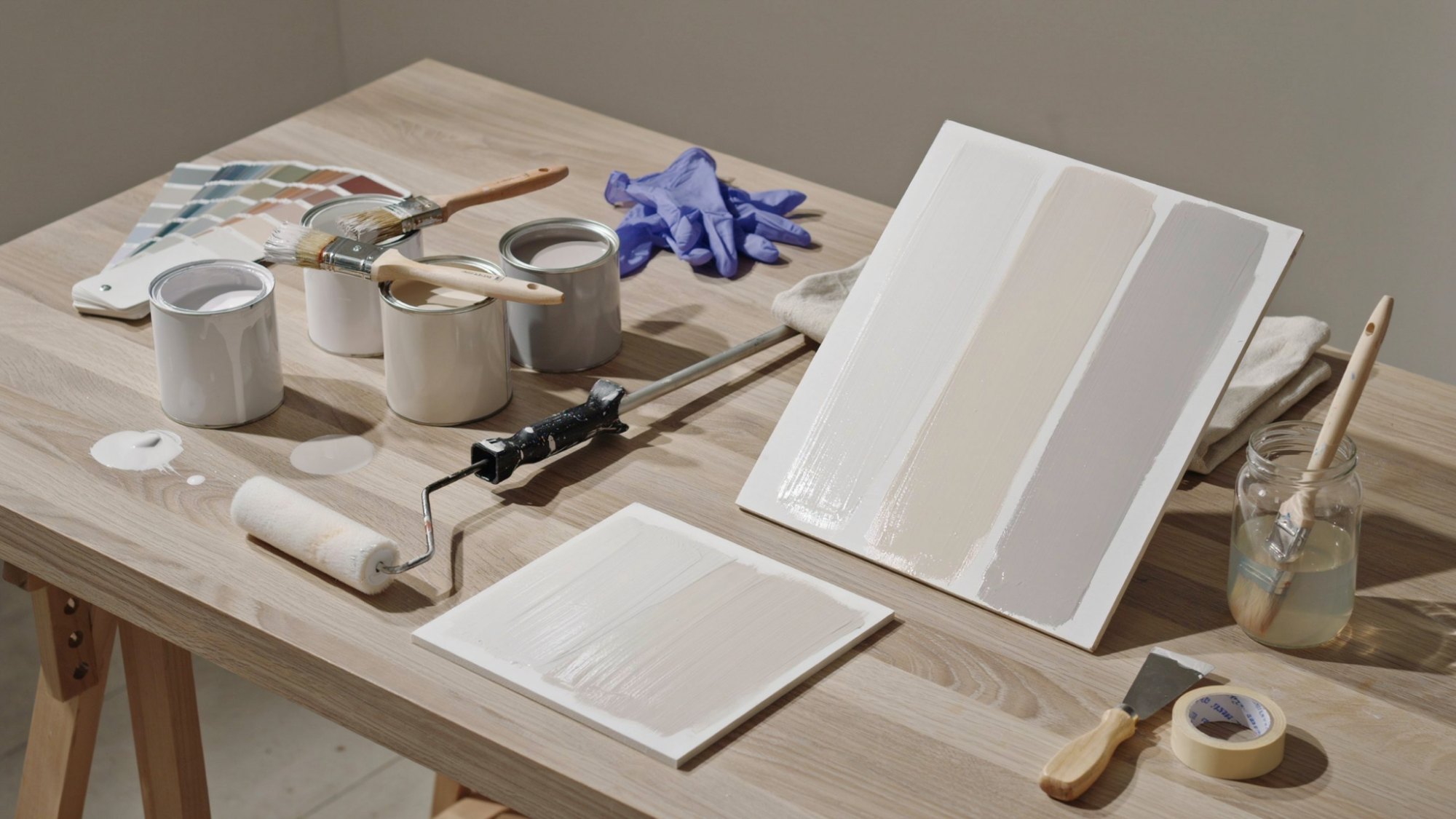
Pick a paint labeled for plastic or PVC that can flex with the material and match it to the finish and setting your board needs, indoor, outdoor, matte, or glossy.
Paints Designed for Plastic Surfaces
Look for paint labeled for plastic, vinyl, or PVC.
These formulas flex with the material instead of cracking, which matters since PVC expands and contracts with temperature changes more than wood does.
Spray Paint vs. Brush-On Paint
Spray paint gives a smoother, more even finish and works fast on flat boards. Brush-on paint gives you more control, which helps on edges or detailed trim.
Either one works as long as it's rated for plastic.
Factors to Consider When Choosing Paint
Think about where the board will sit. Indoor or outdoor. Think about the finish you want—matte, satin, or glossy.
And think about flexibility, since a paint that stays rigid will crack faster on a material that shifts with heat and cold.
Step-by-Step Guide to Painting PVC Board
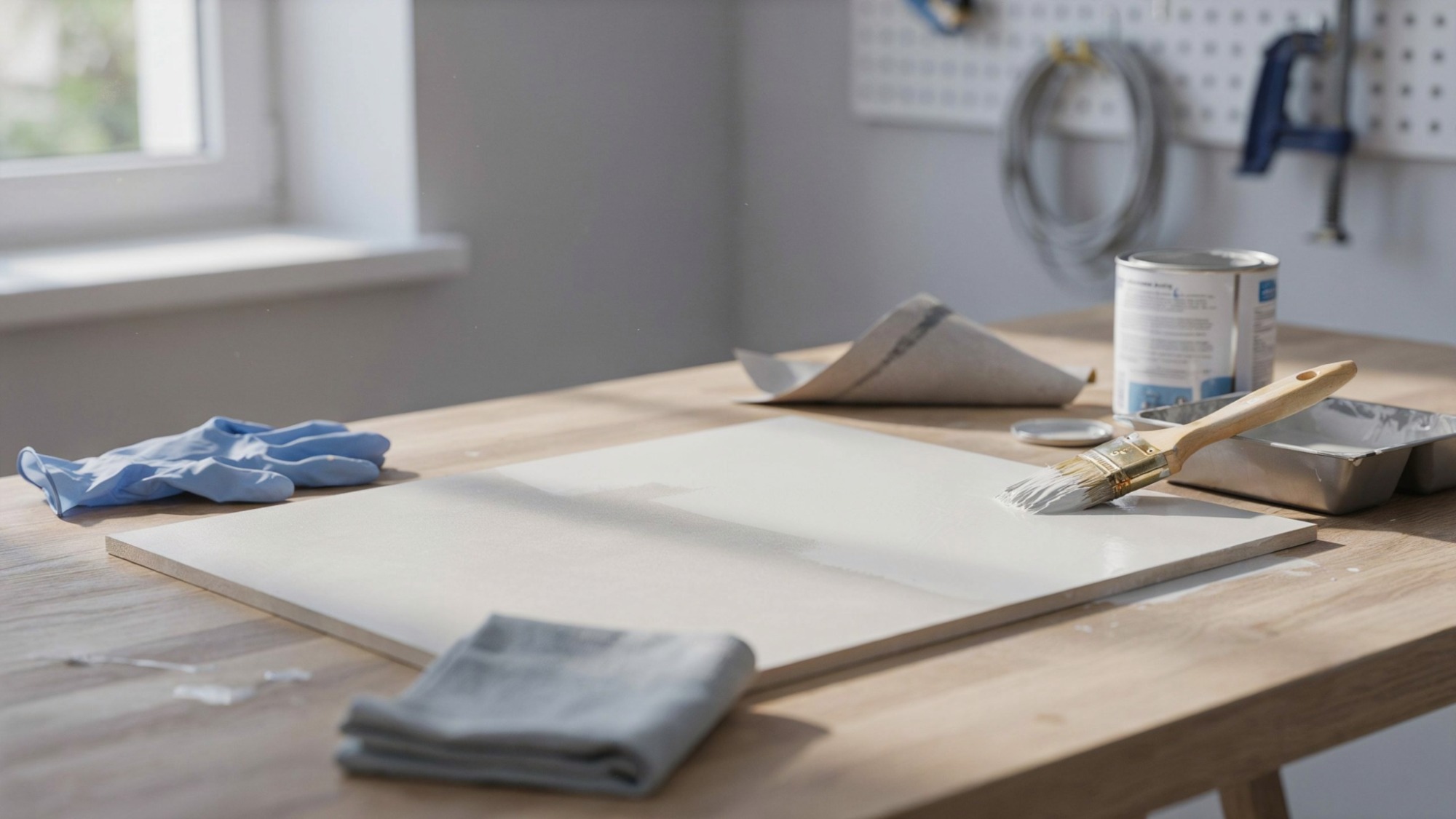
Prime evenly, paint in thin coats, let each one dry fully, and add extra coats until coverage looks even.
Apply Primer Evenly
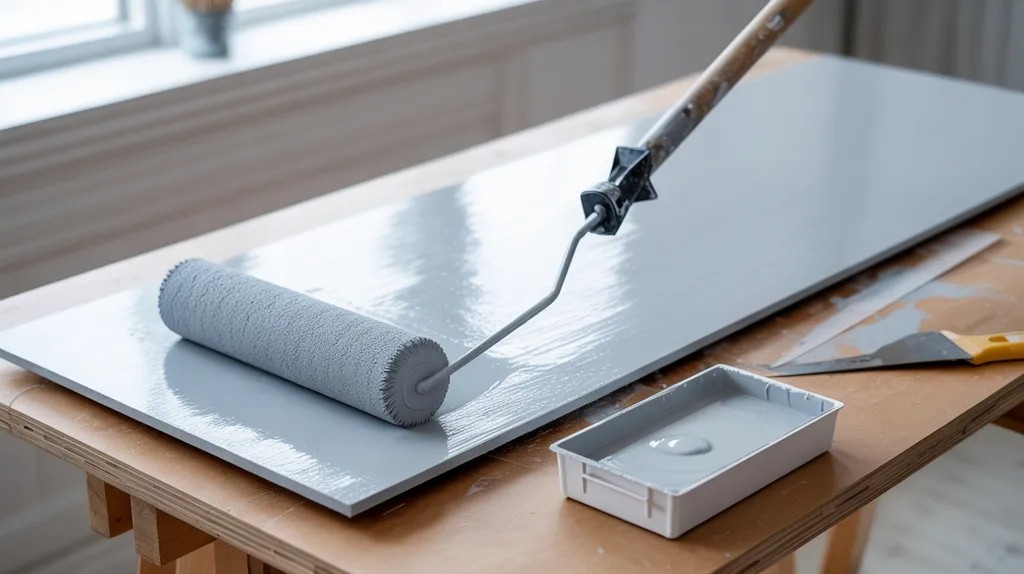
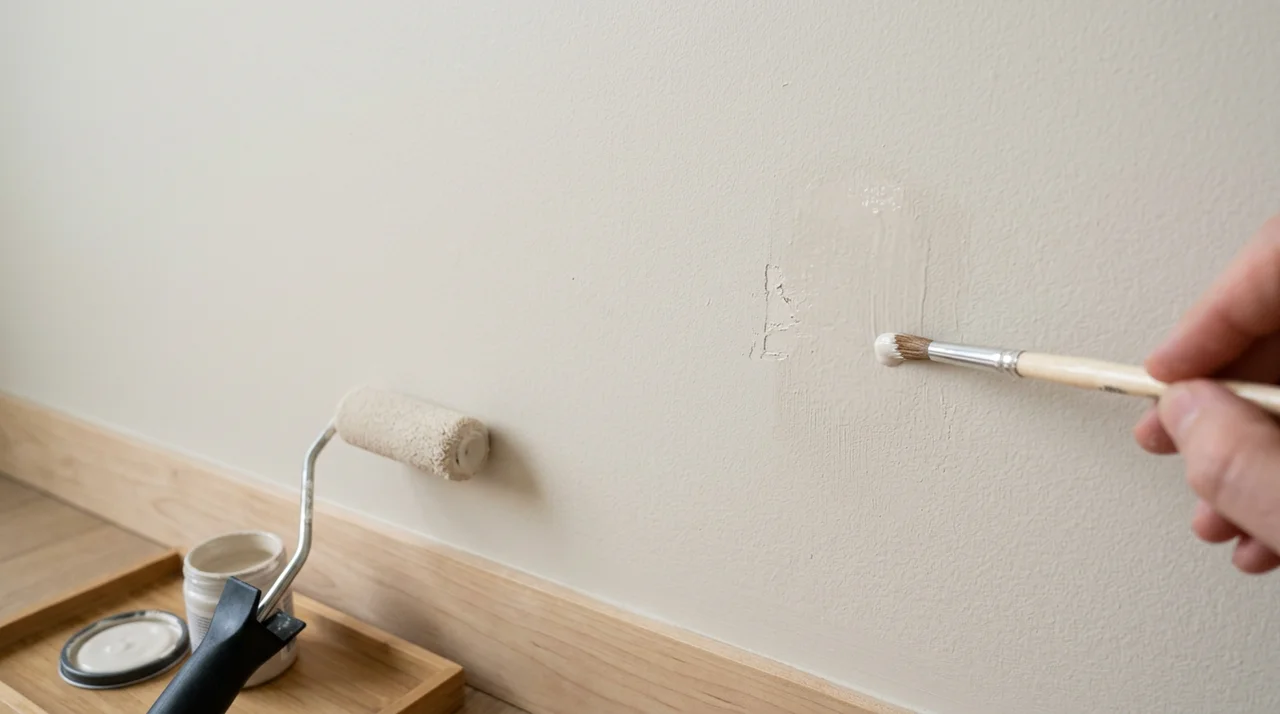
Use a brush or roller and cover the whole board in one thin, even layer. Skip the thick globs. A thin coat dries faster and bonds better than a heavy one.
Use Thin Coats of Paint
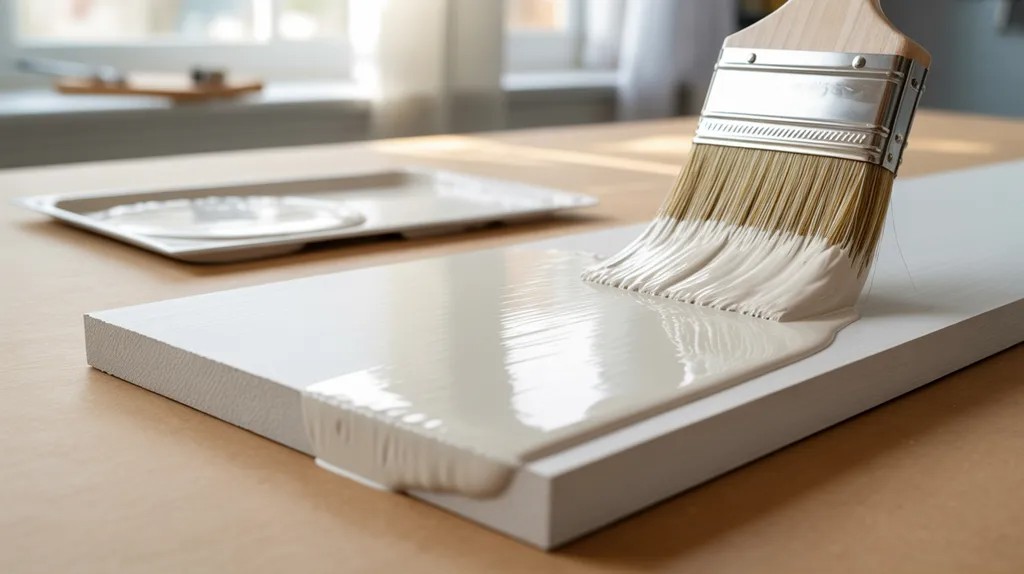
Thin coats beat thick ones every time on PVC. A heavy coat takes longer to dry and is more likely to drip, sag, or peel later.
Allow Proper Drying Time Between Coats
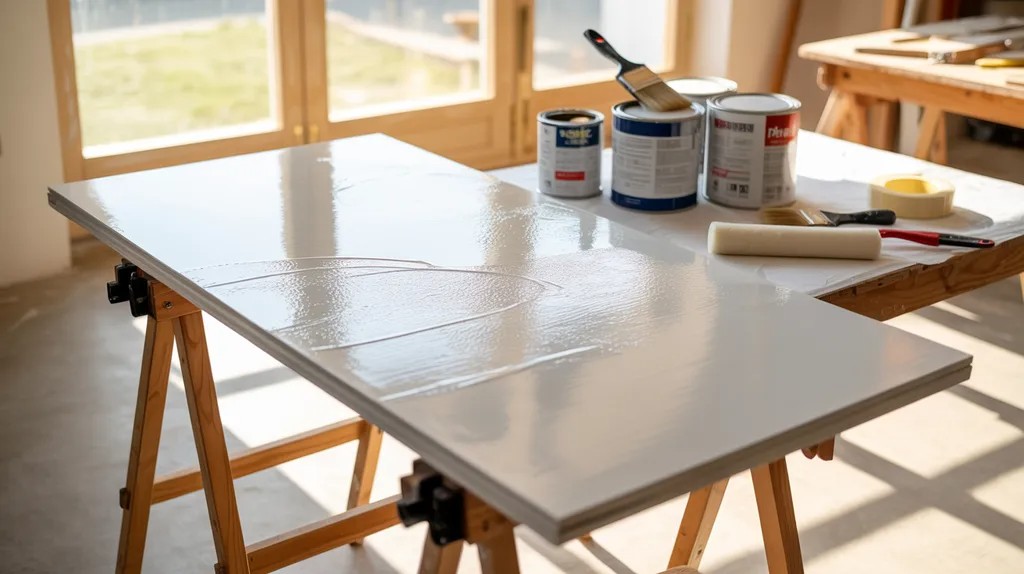
Check the can for dry times, and don't rush this part. Painting over a tacky coat will cause the layers to lift or wrinkle.
Apply Additional Coats for Full Coverage
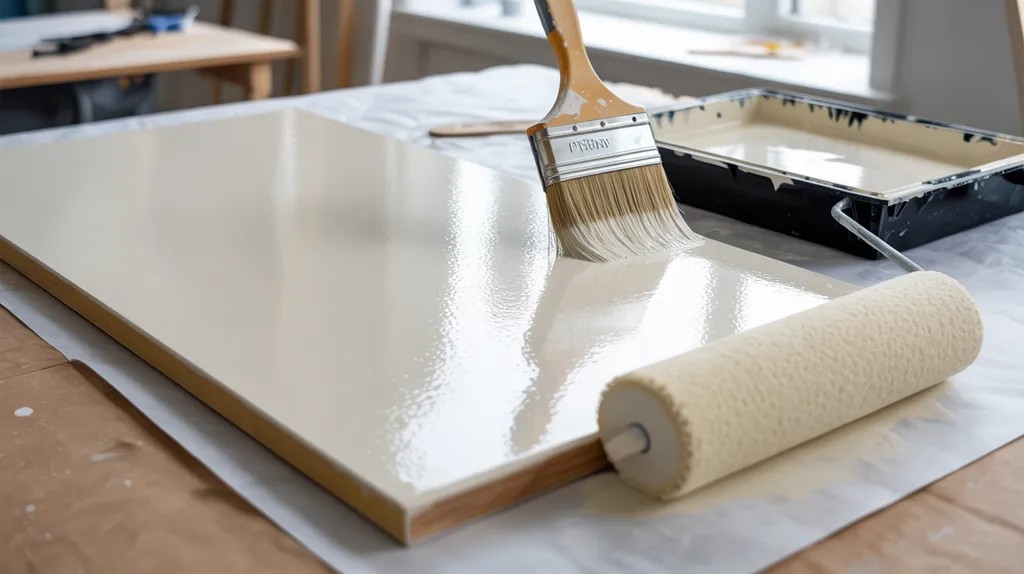
Most PVC boards need two to three coats for full, even coverage. Let each one dry fully, then check under good light before adding the next.
Tips for Achieving a Durable Finish
A few simple precautions can make your painted PVC board look better and last much longer.
- Sand the Surface Properly: Light sanding helps the primer and paint bond more effectively to the smooth PVC surface.
- Remove All Dust Before Painting: Wipe away sanding residue and debris to prevent an uneven or weak paint finish.
- Allow Adequate Drying Time: Let each coat dry completely before applying the next to avoid peeling, bubbling, or cracking.
- Protect the Board During Curing: Keep the painted PVC away from excessive moisture and heavy use until the paint has fully cured.
- Apply a Protective Topcoat: A clear topcoat designed for plastics can improve resistance to scratches, weather exposure, and everyday wear.
Indoor and Outdoor PVC Board Painting Tips
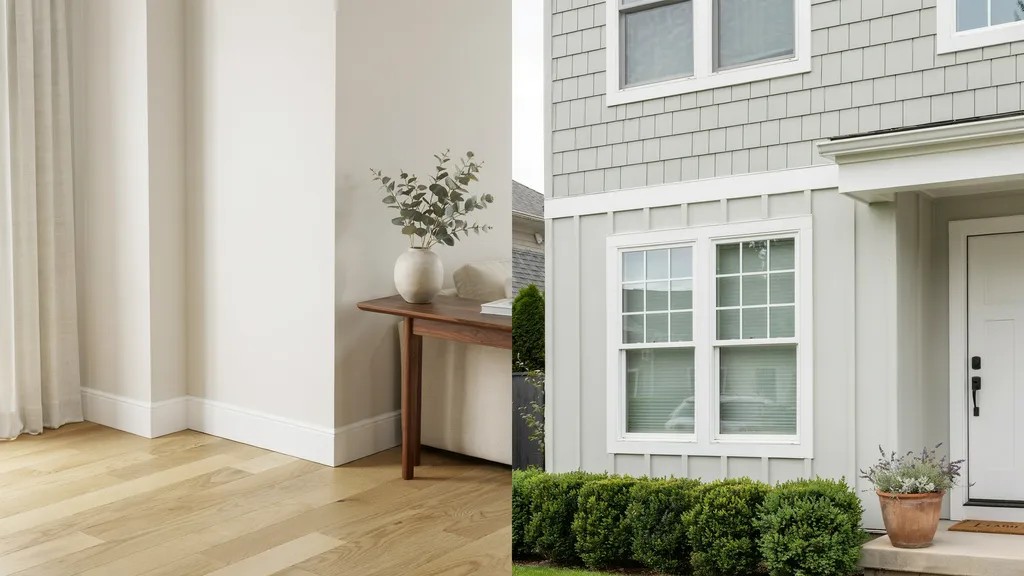
Indoor PVC needs ventilation and full drying time, while outdoor PVC needs weather-resistant paint and the right conditions to cure properly.
Painting Interior PVC Boards
Indoor boards deal with less weather stress, so you have more freedom with paint type. Stick to a well-ventilated room and let each coat dry fully before moving furniture back into place.
Painting Exterior PVC Boards
Outdoor boards need paint rated for exterior use. They face sun, rain, and temperature swings, so a flexible, weather-resistant formula matters more here than indoors.
Weather Considerations for Outdoor Projects
Paint on a dry day with mild temperatures. Avoid painting in direct, harsh sun or high humidity, since both can affect how the paint dries and bonds to the surface.
Common Mistakes to Avoid When Painting PVC Board
Avoiding these common errors can help you achieve a smoother finish and improve the longevity of your paint job.
- Skipping surface preparation. This is the most common mistake. Skipping cleaning or sanding almost always leads to peeling within weeks or months.
- Using the wrong paint type. Regular wall or wood paint doesn't flex the way PVC needs it to. It cracks and peels faster than paint made for plastic.
- Applying thick coats of paint. Thick coats look like they'll cover better, but they dry slower and crack more. Thin, even coats win every time.
Conclusion
I've painted my share of PVC trim over the years, and the lesson never changes. Prep makes or breaks the job.
If you clean, sand, prime, and paint in thin coats, your PVC board will hold up for years, not months.
I know tackling a project like this can feel like a lot at first. But take it one step at a time, and you'll get a finish you're happy with.
Try it on your next board, and let me know how it goes in the comments. If this helped, share it with someone working on the same project.
Frequently Asked Questions
Can You Paint PVC Board Without Sanding?
You can, but it's risky. Without sanding, paint has a harder time gripping the surface, and it tends to peel sooner.
What Is the Best Primer for a PVC Board?
A bonding primer labeled for plastic or vinyl works best. It gives paint something solid to hold onto.
How Long Does a Painted PVC Board Last?
With proper prep and the right paint, a painted PVC board can last several years, even outdoors, before it needs a touch-up.
Can Painted PVC Board Be Used Outdoors?
Yes, as long as you use exterior-rated, plastic-friendly paint. It needs to handle sun, rain, and temperature shifts without cracking.
Does PVC Board Need a Topcoat After Painting?
It's not required, but a clear protective topcoat adds extra durability against scuffs, weather, and everyday wear.