

Spoiler: you can, but there's a right way to do it.
Can you put oil based paint over latex? Yes, you can. But skipping the prep work will cost you later.
In this blog, I'll walk you through why oil and latex don't naturally bond, how to prep your surface the right way, which primers actually work, a simple step-by-step process, and common mistakes to avoid.
I've researched this thoroughly so you don't have to guess. This guide gives you clear, honest answers on painting trim, cabinets, or doors that you can trust and act on today.
Can You Really Paint Oil Over Latex?
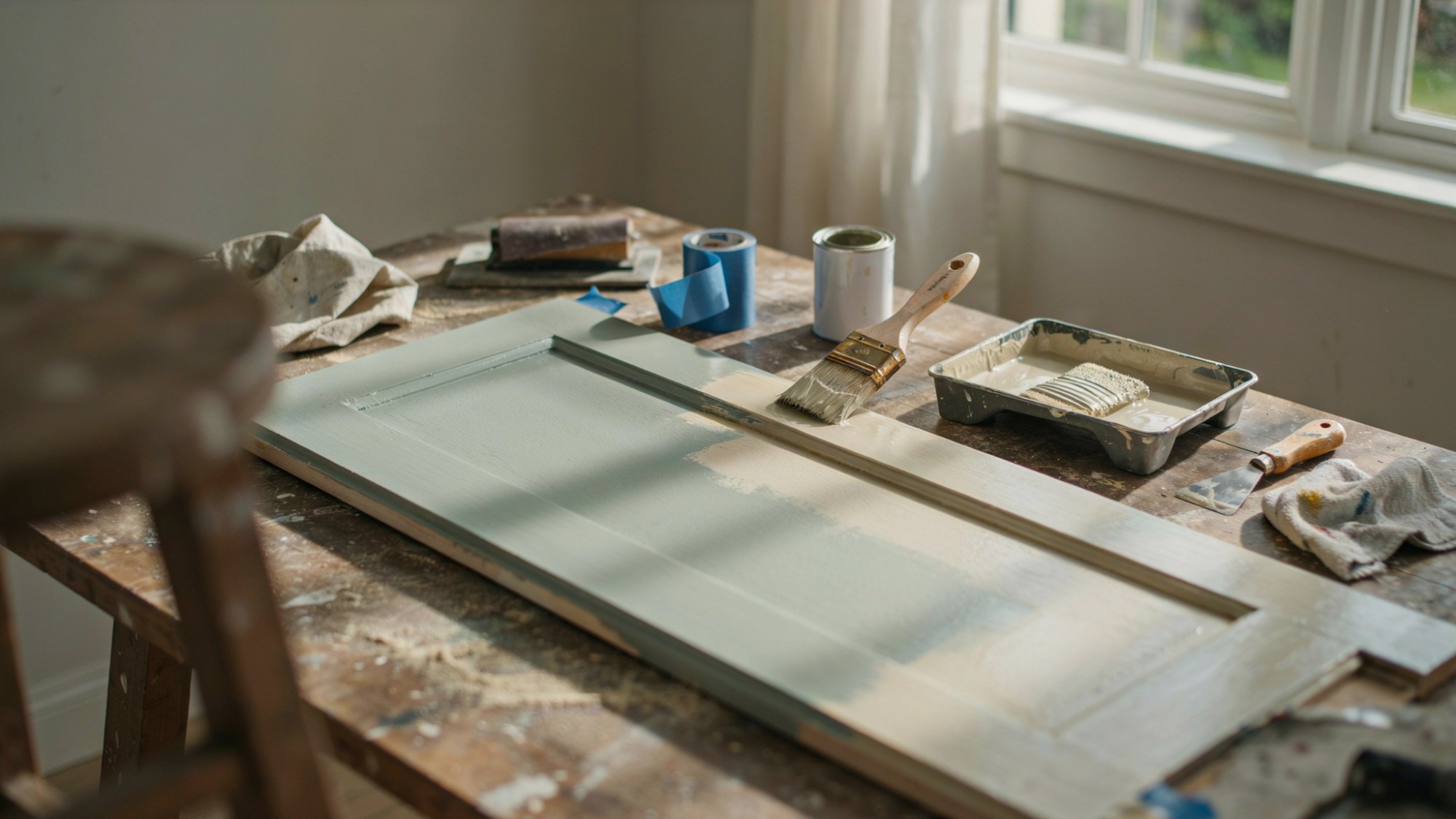
Short Answer: Yes, but proper preparation is important.
Let me be straight with you. You can put oil based paint over latex, but "can" comes with conditions.
Skip the prep, and the paint won't stick, will peel within weeks, and will look uneven.
Do it right, and this works.
Clean the surface. Sand it down. Use a bonding primer, it's the handshake between two materials that don't naturally bond.
Prep is everything. Don't rush it.
Why Oil-Based Paint Does Not Bond Directly to Latex
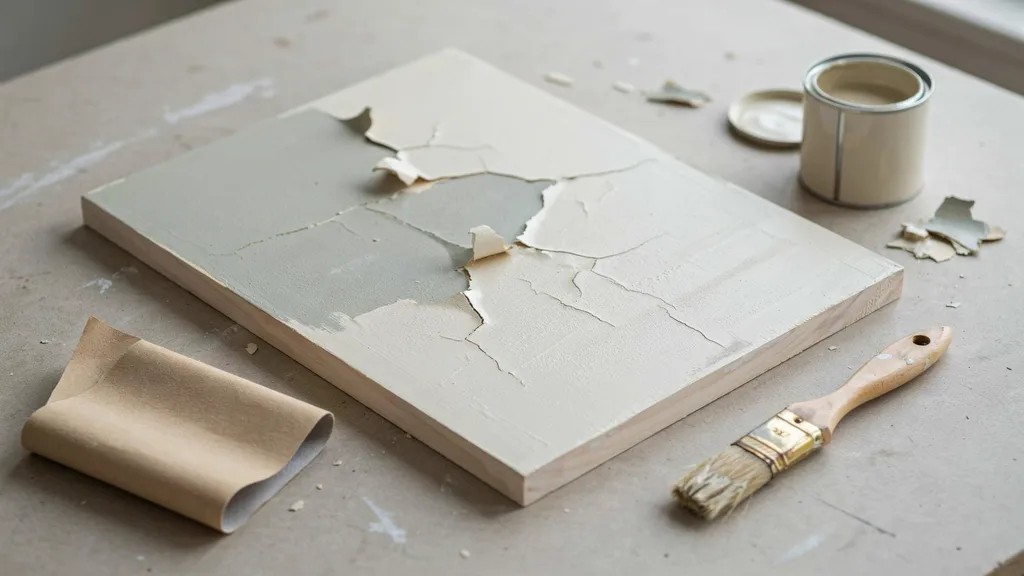
Here's where things get a little technical. Oil and latex paints are made from completely different materials.
When you try to apply one over the other without prep, they don't stick together the way you'd hope.
Chemical Differences Between Oil and Latex Paint
Latex paint is water-based. It's made with acrylic or vinyl resins that dry by evaporation. As the water leaves, the paint film forms. It stays slightly flexible even after drying.
Oil-based paint is solvent-based. It dries through a chemical process called oxidation. As it cures, it becomes hard and rigid.
These two materials cure differently. One stays flexible. One goes rigid. When layered together without a bridge, that difference causes problems over time.
Lack of Surface Adhesion on Latex Finishes
Dried latex paint has a smooth, slightly glossy surface. Oil-based paint has nothing to grip onto.
Think of it like trying to stick tape to a wet surface. It might hold for a moment, but it won't last.
Sanding breaks that smooth layer and gives the new paint something to hold onto. This step isn't optional.
How Solvents Affect Latex Paint
Oil-based paints and primers contain strong solvents. When applied directly over latex, those solvents can soften the latex underneath. This causes bubbling, wrinkling, or separation.
That's why you need a compatible primer between the two layers. It acts as a barrier and a bonding agent at the same time.
How to Prepare Latex Paint for an Oil-Based Topcoat
This section is where the project actually starts. Get this right, and everything else follows easily.
Step 1: Clean the Surface
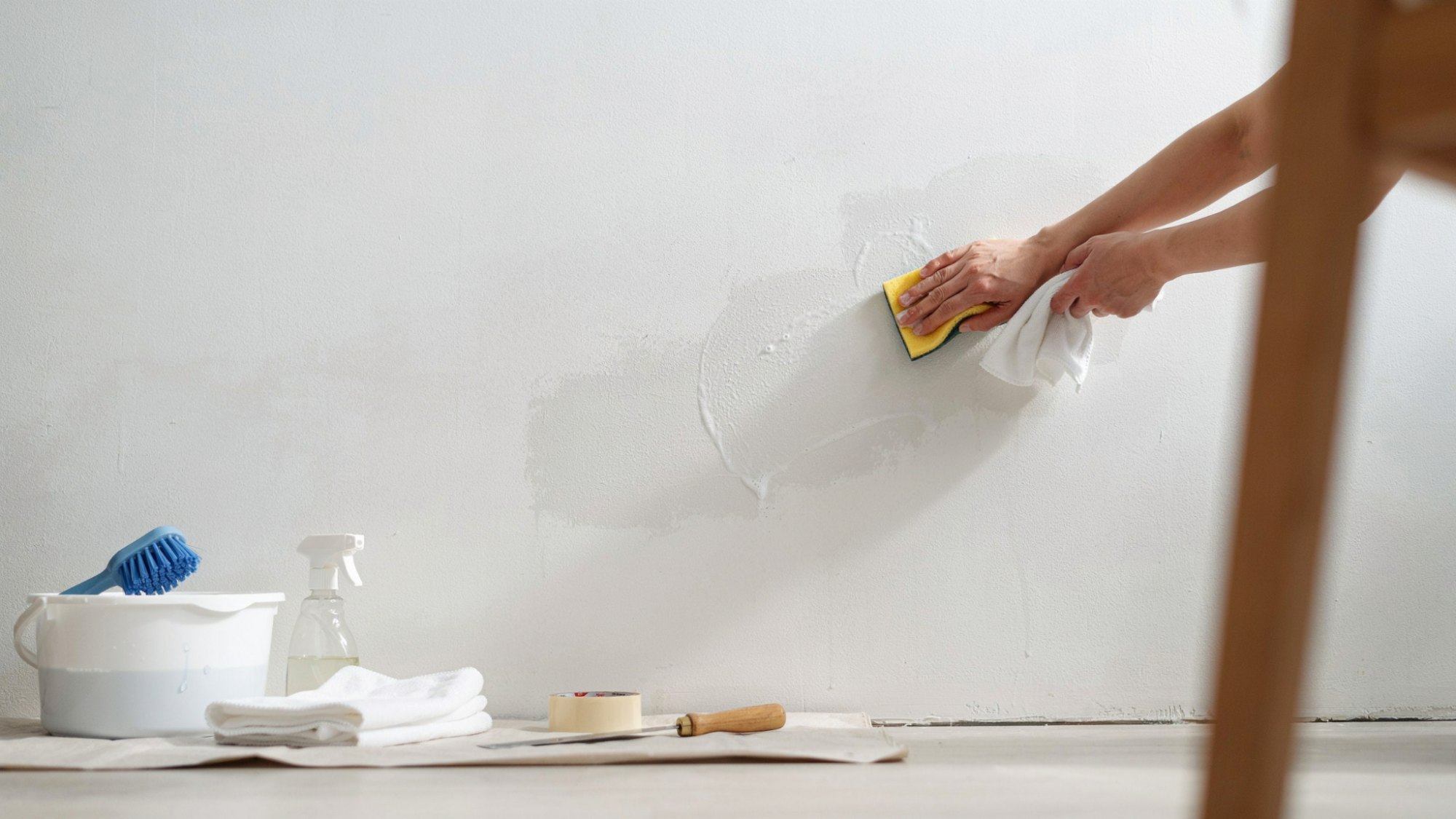
Use a degreaser or a mild TSP solution. Scrub away any dirt, grease, or residue. Let it dry fully before moving on.
Step 2: Sand the Surface

Use 120 to 150-grit sandpaper. You're not stripping the paint. You're just scuffing the surface so the primer has something to grip. Sand in small circular motions, or with the grain on wood.
Step 3: Wipe Away Dust

After sanding, the surface is covered in fine dust. Use a tack cloth or a damp rag to clean it off. Dust under paint causes bumps and weak spots.
Step 4: Let Everything Dry
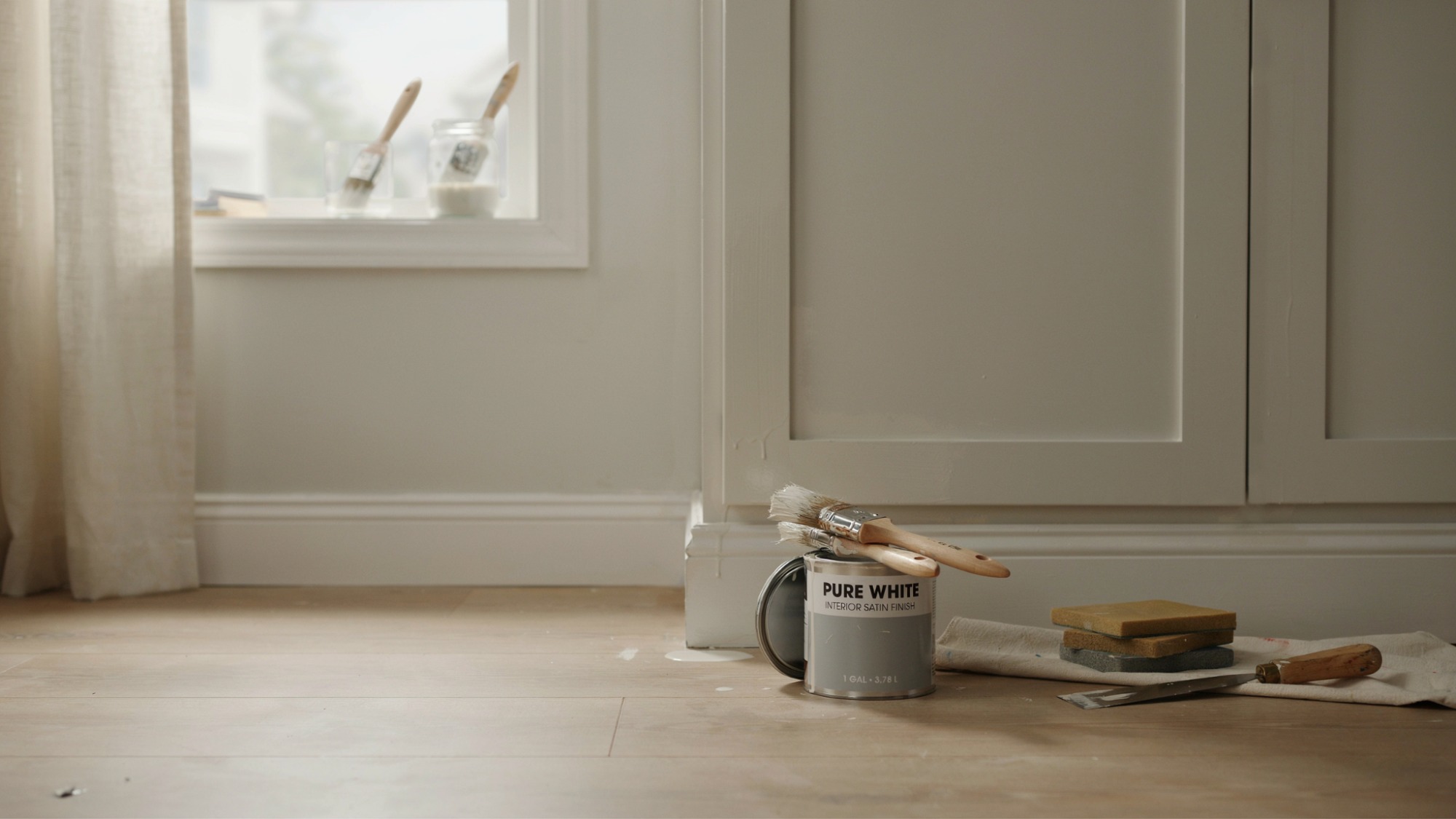
Before you prime, the surface needs to be completely dry. Even a little moisture can affect adhesion.
These steps don't take long. But they make a massive difference in how well the final coat holds up.
Choosing the Right Primer for Oil-Based Paint Over Latex
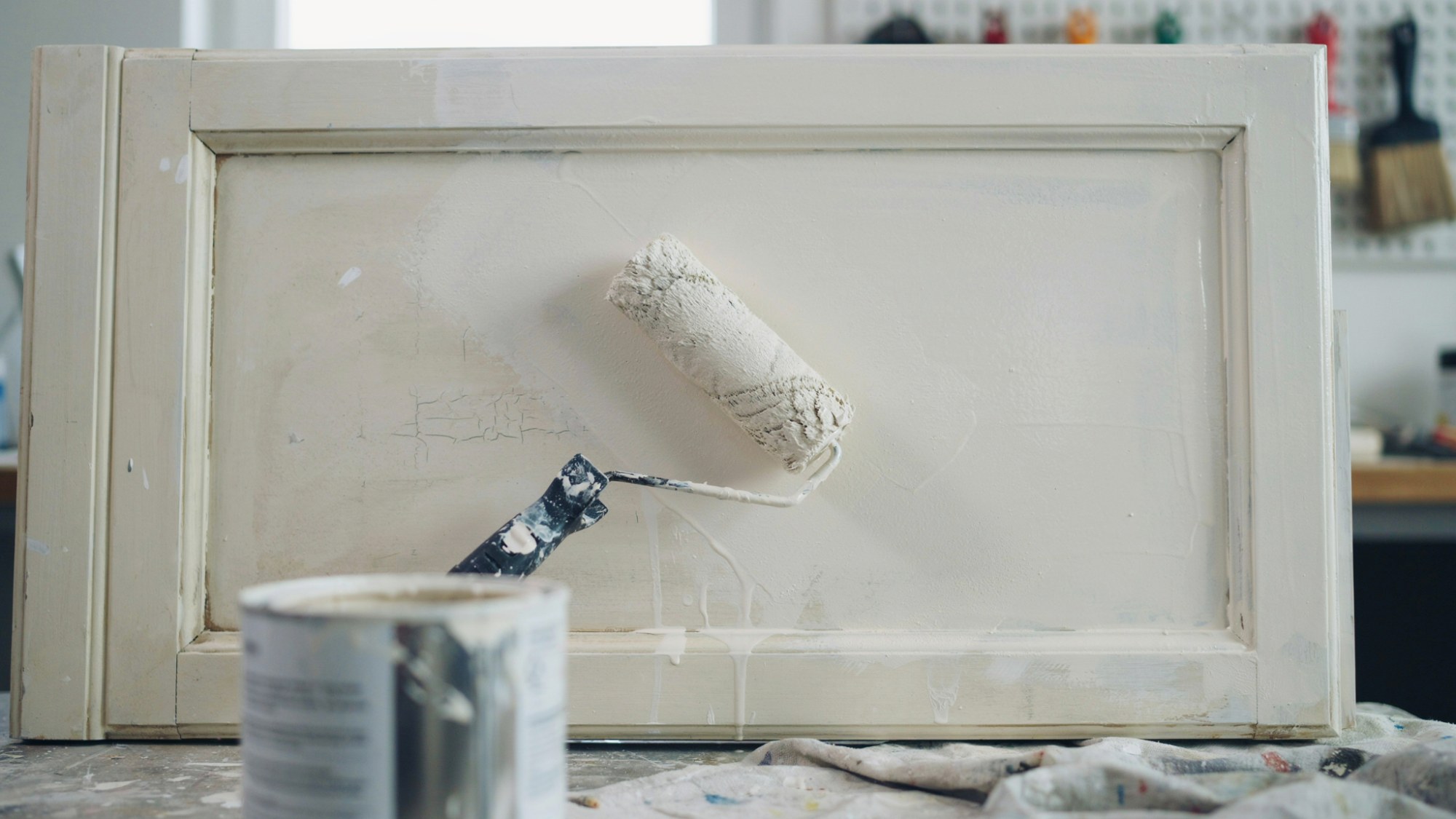
Not all primers work the same way. For this job, you need one that bonds to latex and gives oil-based paint a surface it can grip.
Alkyd (Oil-Based) Primer
This is a reliable choice. Alkyd primers bond well to latex surfaces after sanding and create a solid foundation for oil-based topcoats.
They take longer to dry, usually 8 to 24 hours. But the bond they create is strong and long-lasting.
Shellac-Based Primer
Shellac primers are fast-drying and extremely adhesive. They work on almost any surface, including previously painted latex.
They're especially useful when the surface has stains, odors, or peeling issues. One coat blocks most problems before you paint.
The downside: they have a strong smell and require denatured alcohol for cleanup.
Specialized Bonding Primers
These are products made specifically for tricky adhesion situations. They grip latex surfaces without requiring heavy sanding and bond well to oil-based topcoats.
Brands like Zinsser and Kilz make reliable bonding primers. Look for labels that say "high adhesion" or "bonding primer."
Step-by-Step Process for Painting Oil-Based Paint Over Latex
Here's the full process in order. Follow each step, and you'll get a finish that lasts.
Step 1: Clean the Surface
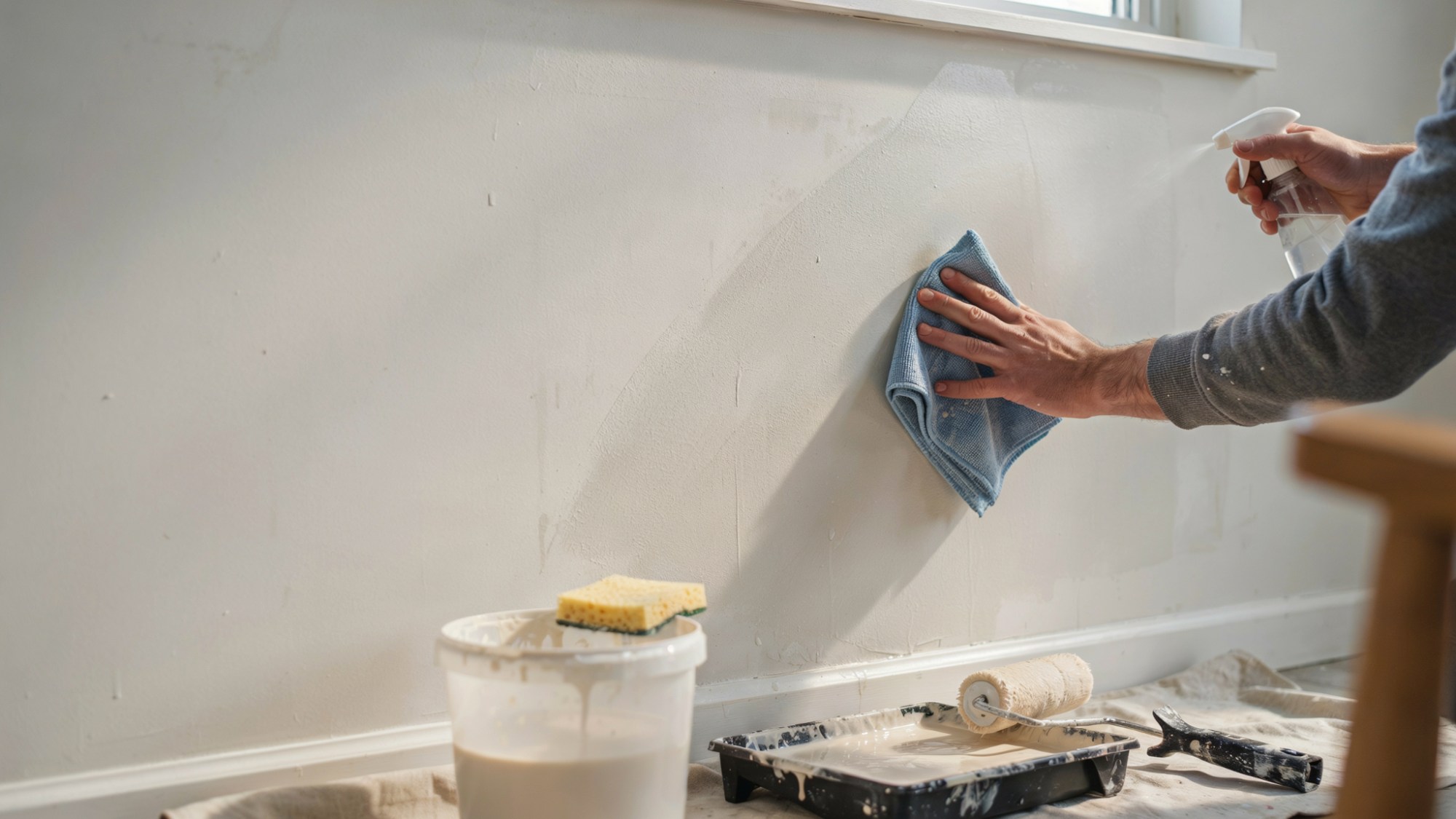
Mix a degreaser with warm water. Scrub the surface with a sponge or cloth. Pay extra attention to areas near stoves, sinks, or heavily handled spots like door frames.
Rinse with clean water. Let it dry completely.
Step 2: Sand the Existing Latex Paint

Use 120 to 150-grit sandpaper. Sand the entire surface lightly. You want a dull, scuffed finish, not bare wood or drywall.
Wipe away all dust with a tack cloth.
Step 3: Apply a Bonding Primer

Choose one of the primers listed above. Apply a thin, even coat using a brush or roller. Cover the full surface including edges.
Let it dry according to the label. Most oil-based and shellac primers need at least 8 hours.
Step 4: Apply the Oil-Based Paint
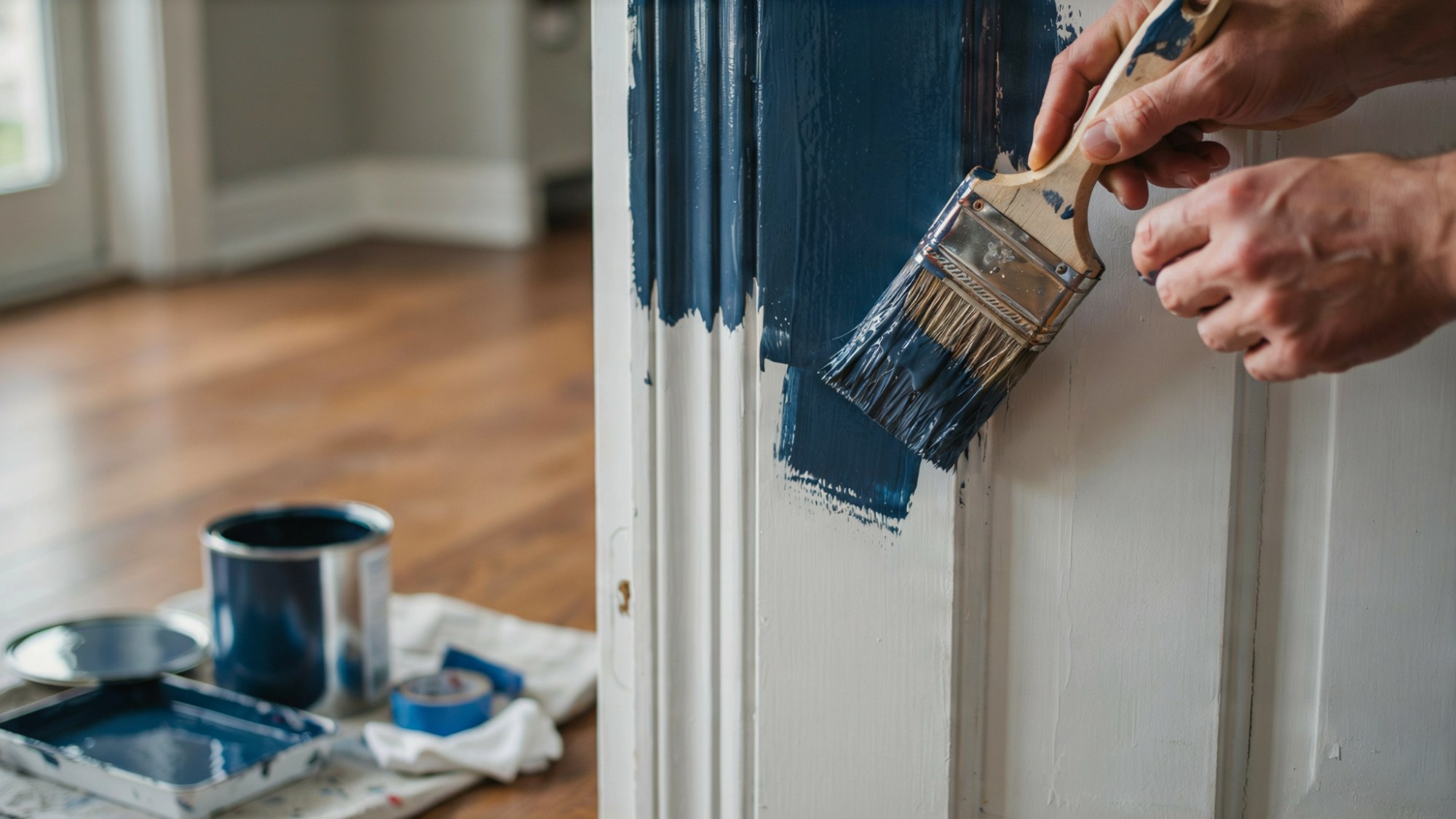
Stir the paint thoroughly before use. Apply the first coat using a quality brush or roller. Work in smooth, even strokes.
Let the first coat dry fully, usually 24 hours, before applying a second coat.
Step 5: Allow Proper Drying and Curing Time

Drying and curing are not the same thing. Paint may feel dry to the touch in 24 hours, but full curing can take up to 7 days for oil-based products.
Avoid scrubbing or placing heavy objects against the surface during this time.
Best Surfaces for Applying Oil-Based Paint Over Latex
Oil-based paint is not ideal everywhere. But in certain spots, it genuinely outperforms latex.
Trim and Moldings

Trim takes a lot of bumps and scrapes. Oil-based paint holds up better here. The hard finish resists chipping and stays clean longer.
Interior and Exterior Doors

Doors are touched constantly. They need a durable, washable finish. Oil-based paint handles that well. It also levels out nicely, so brush marks are less visible.
Kitchen and Bathroom Cabinets

Grease, steam, and moisture are hard on cabinets. Oil-based paint creates a tough barrier that wipes clean easily and resists moisture better than most latex finishes.
Can You Switch Back to Latex Paint Later?

Yes, you can go back to latex. But, like everything else in this guide, it requires the right prep work.
Preparing an Oil-Painted Surface for Latex
Oil-based paint dries hard and non-porous. Latex won't bond to it without help. You'll need to sand the surface first, just like you did before applying the oil-based coat.
Use 120 to 150-grit sandpaper. Scuff the entire surface. Wipe away all dust.
Common Mistakes to Avoid
Even with good intentions, these mistakes can ruin an otherwise solid paint job.
Skipping the Primer Coat
This is the biggest one. No primer means no bond. The oil-based paint will lift, peel, or crack, sometimes within days.
Always prime. No exceptions.
Painting Over Glossy Latex Without Sanding
Gloss is the enemy of adhesion. If the latex surface is shiny, the primer has nothing to grip. Sand it dull before you prime.
Ignoring Cleaning and Degreasing
Grease and dirt act like a barrier between the old paint and the new coat. Even a clean-looking surface can have invisible residue. Always degrease first.
Rushing Drying and Curing Times
Impatience causes more paint failures than almost anything else. Applying a second coat too soon traps solvents underneath. The result is soft, sticky, or bubbled paint.
Read the label. Follow the dry times. It's worth the wait.
Conclusion
Painting oil based paint over latex is absolutely doable. I've done it myself on cabinets and trim, and when you follow the right steps, the results hold up for years.
The key? Clean first, sand second, prime always.
Don't skip steps to save time. That's where most projects go wrong.
If you found this guide helpful, drop a comment below and tell me what surface you're working on.
Or share this post with someone who's about to pick up a paintbrush. I'd love to know how your project turns out.
Frequently Asked Questions
Will Oil-Based Paint Peel Over Latex?
Yes, it will peel if the surface is not properly prepared. Sanding and priming are the two steps that prevent this from happening.
Can I Paint Latex Over Oil-Based Paint Later?
You can. Sand the oil-based surface first, then apply a bonding primer before your latex coat. This gives the new paint a surface it can grip.
Is a Bonding Primer Always Necessary?
In most cases, yes. Bonding primer bridges the gap between two chemically different paints. Skipping it significantly increases the chance of adhesion failure.
Do I Need to Sand Every Latex Surface Before Painting?
Yes, especially if the latex has a gloss or semi-gloss finish. Sanding creates texture that helps the primer and paint bond properly.
How Long Should Primer Dry Before Applying Oil Paint?
Most primers need 8 to 24 hours of dry time. Always check the product label. Applying oil-based paint over wet or under-cured primer leads to soft, unstable finishes.