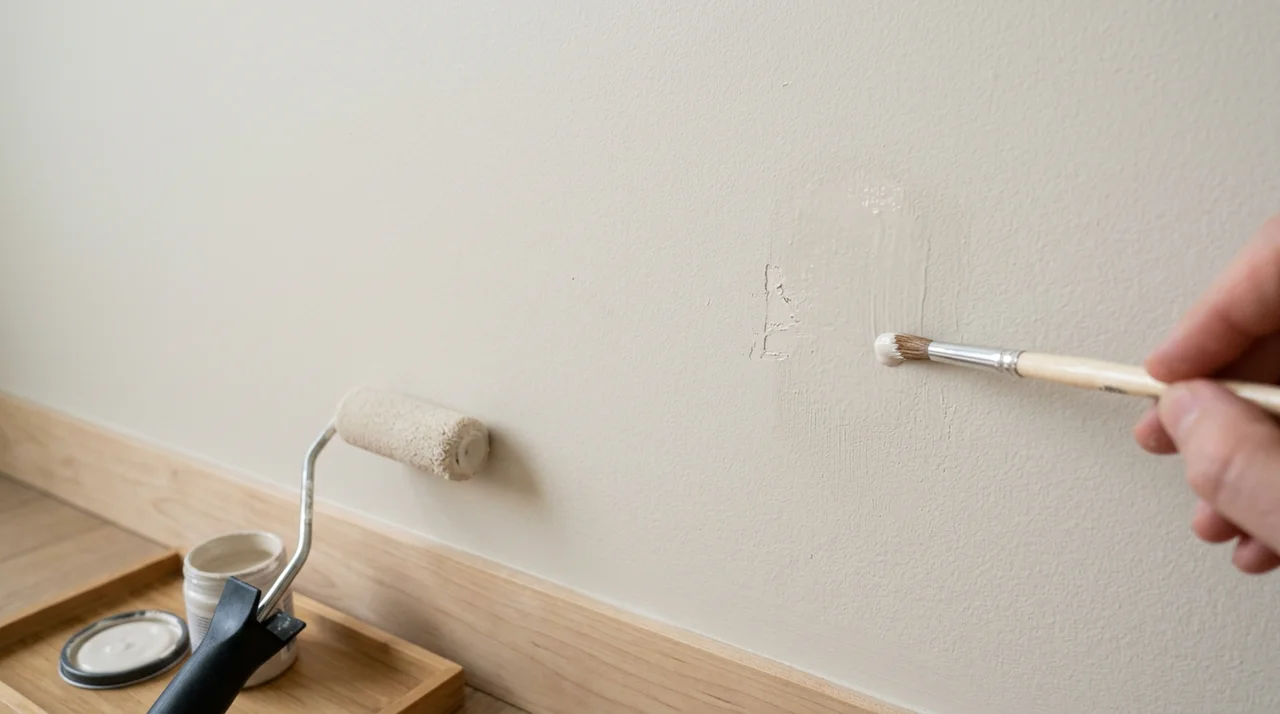


Interior paint isn't made for outdoor exposure. It lacks the UV inhibitors, mold resistance, and flexibility that exterior formulas contain.
Sun fades it quickly, rain causes peeling, and temperature swings crack the finish often within a single season.
Exterior paint, by contrast, is engineered to expand and contract with changing conditions and resist moisture and mildew over time.
Using interior paint outside isn't just a cosmetic issue. The surface underneath is left vulnerable once the paint fails, which can mean rot, rust, or structural damage depending on the material.
The leftover can in your garage isn't a shortcut, it's a setup for repainting sooner than necessary. Buy the right product for the job.
Quick Overview of Using Interior Paint Outside
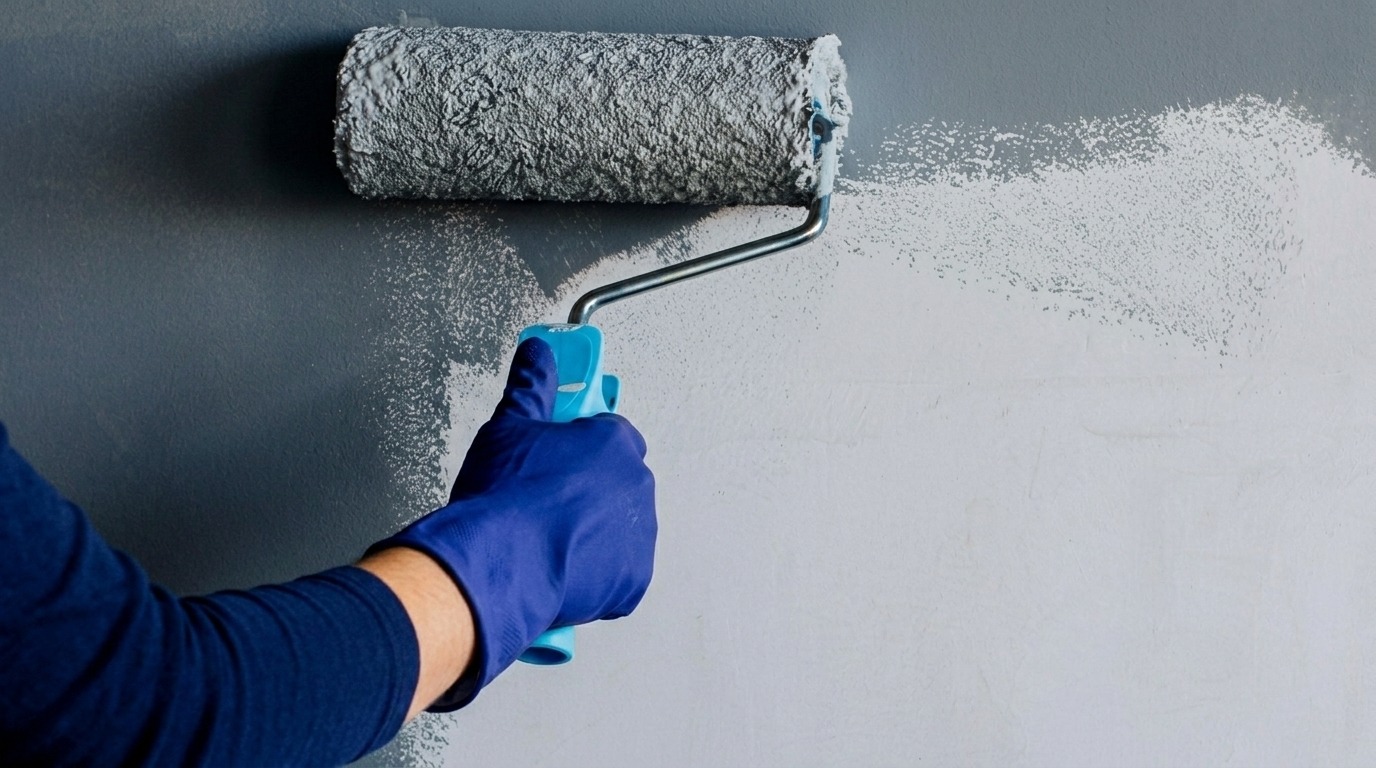
Interior paint is made for indoor walls in stable, controlled conditions. It handles normal room temperatures and low moisture well.
But outside, everything changes. Sunlight fades the color. Rain softens the film. Heat and cold cause it to crack and peel.
Most paint professionals agree that using interior paint outside is a short-term fix that leads to bigger problems.
If you are on a tight budget, there are a few limited situations where it may hold briefly, but for any surface that faces real weather, it is simply not the right product.
Can You Use Interior Paint Outside? Expert Answer Explained
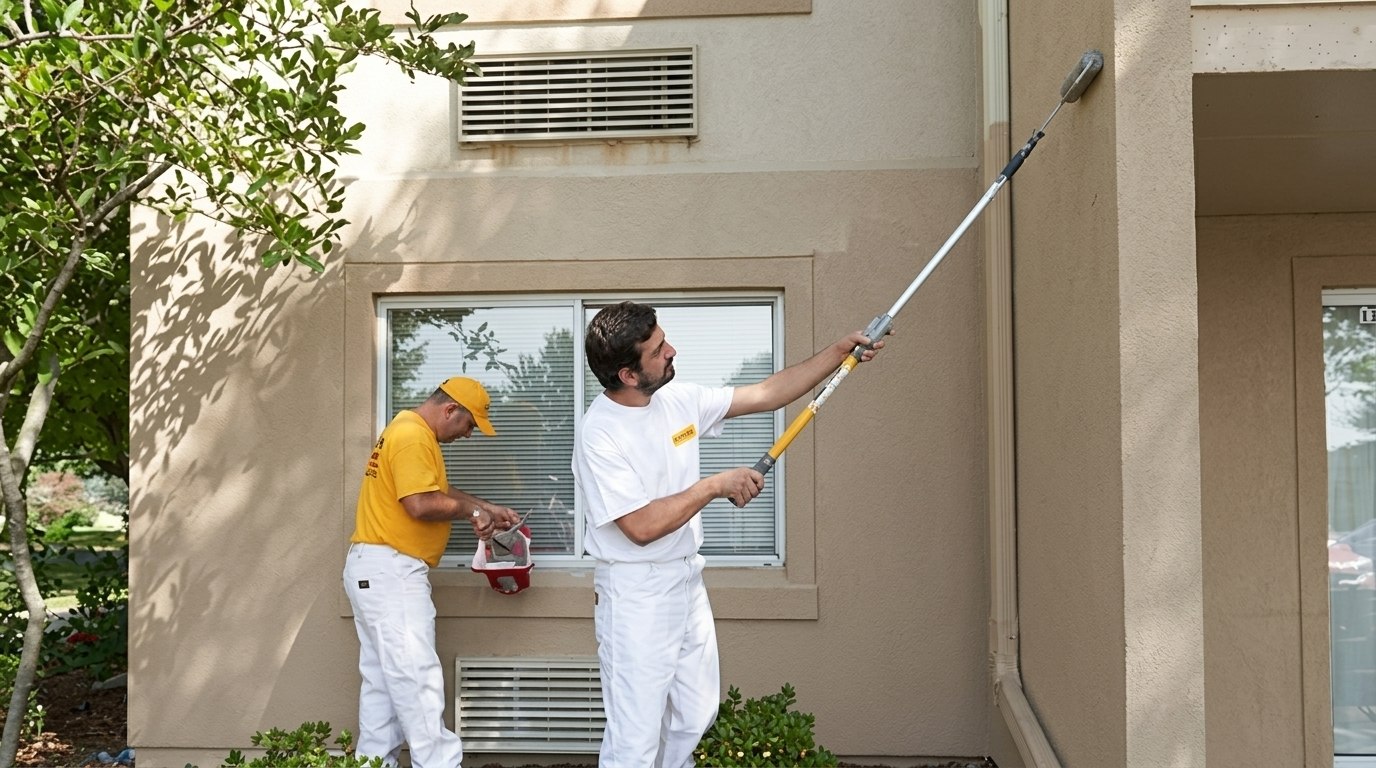
Experts are clear on this. Interior paint is not built for outdoor use, and here is why that matters.
Direct Expert Answer
Professionals and manufacturers agree the answer is no. Interior paint is not formulated to handle sun, rain, or temperature swings the way outdoor surfaces demand.
Why Interior Paint Falls Short Outside
It uses softer binders and simpler additives suited for flat, dry, indoor walls. Outside, those same qualities make it crack, fade, and fail fast.
Key Difference Between Indoor and Outdoor Exposure
Indoor walls face almost no stress. Outdoor surfaces deal with UV rays, moisture, and temperature changes every single day, and interior paint simply cannot keep up with that.
Why Experts Advise Against Using Interior Paint Outside
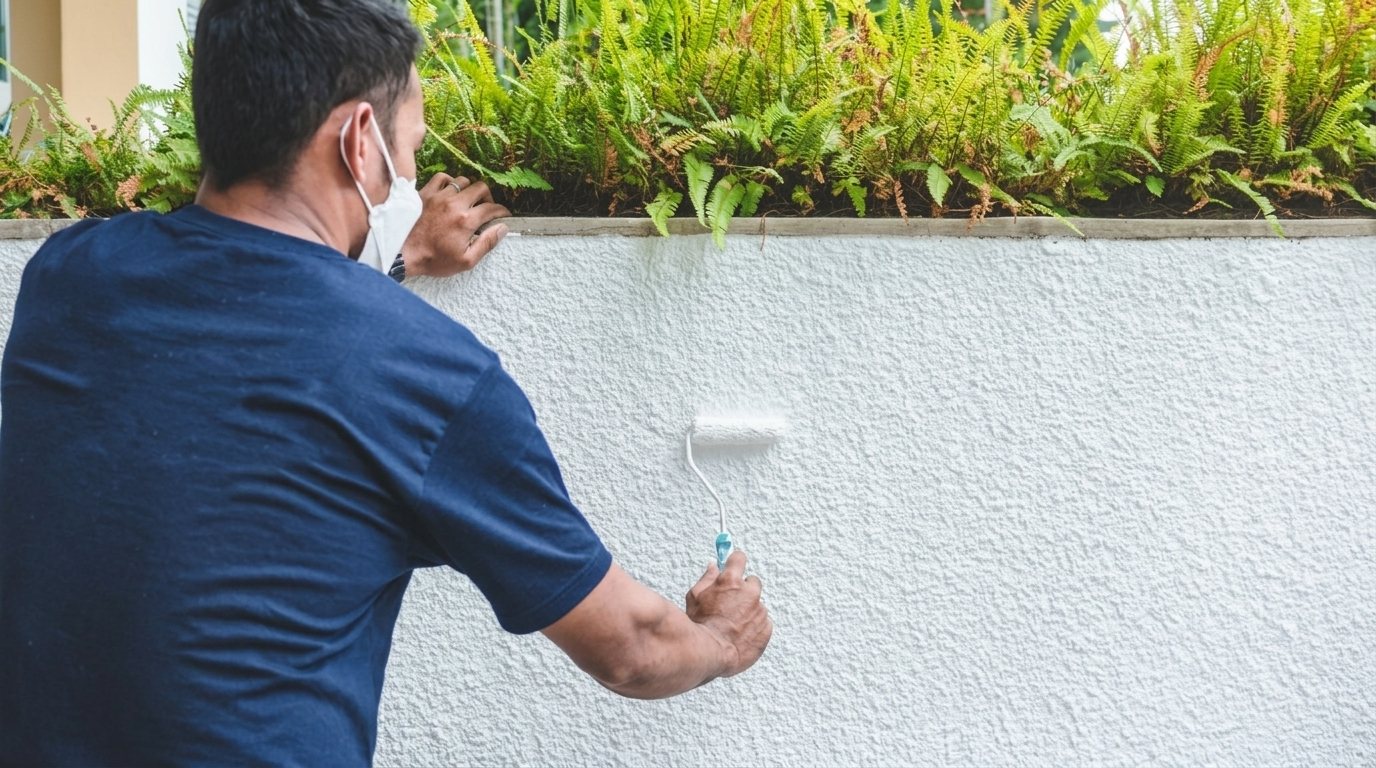
Paint professionals and manufacturers agree on this. Interior paint outdoors is a setup for early failure.
What the Industry Says
Major brands like Sherwin-Williams, Benjamin Moore, and Behr all label their interior paints for indoor use only.
This reflects real differences in how each product is chemically made, not just a label warning.
What Interior Paint Lacks
Interior paint has no UV-resistant additives and no flexible binders to move with expanding surfaces.
Without these, it cracks, fades, and allows mildew to grow when moisture gets in.
How Exterior Paint Is Built Differently
Exterior paint uses acrylic polymers, UV absorbers, and mildewcides that interior paint simply skips.
These ingredients are what give it the strength to handle outdoor conditions year after year.
Long-Term Performance Gap
A solid exterior paint job lasts 7 to 10 years. Interior paint outside starts showing wear in 6 to 12 months, which means more time, more money, and more effort redoing the same job.
Key Differences Between Interior and Exterior Paint

These two paints look similar in the can but behave very differently once applied to a surface.
UV Protection and Sunlight Resistance
Exterior paint contains UV stabilizers that slow fading and protect the film from sunlight.
Interior paint has none of these, so color fades fast and the surface turns powdery outdoors.
Weather Resistance (Rain, Heat, Cold, Humidity)
Exterior paint holds up against rain, heat, cold, and humidity without softening or cracking.
Interior paint starts breaking down even in mild outdoor conditions within just a few weeks.
Paint Composition (Binders, Pigments, Additives)
Exterior paints use strong, flexible 100% acrylic binders and UV-stable pigments.
Interior paints use softer binders and less stable pigments that fade quickly under sunlight.
Surface Flexibility and Expansion Behavior
Exterior paint stretches and contracts with surfaces as temperatures change.
Interior paint is rigid, so it cracks when wood, concrete, or metal moves beneath it.
VOC Levels and Safety Standards (Indoor vs Outdoor Use)
Interior paint is made with lower VOC levels to keep indoor air safe. Exterior paint carries higher VOC content, which is fine in open air but not suitable for indoor use.
What Happens If You Use Interior Paint Outside?
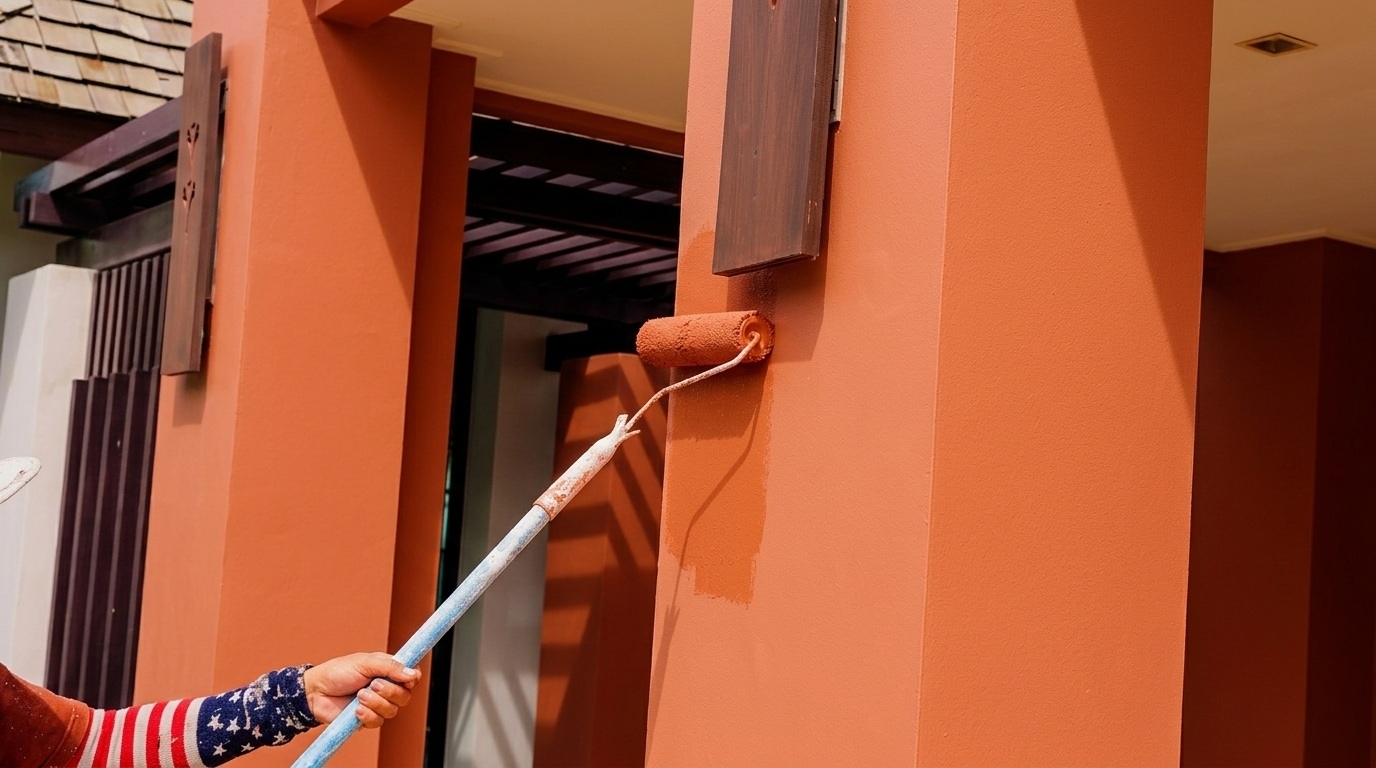
Using interior paint outside does not fail all at once. It fades, cracks, and peels slowly until the surface looks worse than it did before.
Common Failures You Will See
Fading is usually the first sign. Within a few months, the color loses its brightness, and a white powdery coating called chalking appears on the surface.
After that, cracking and peeling begin as the film breaks apart.
Poor Adhesion in Real Conditions
Interior paint loses its grip on outdoor surfaces over time. Dust, moisture, and temperature shifts weaken the bond, and the paint starts pulling away, especially on wood and metal.
Short Lifespan and Frequent Repainting
Most interior paints used outside need attention within a year. In harsh climates, failure can happen in just a few months, turning a one-time project into a repeated task.
Higher Cost Over Time
What seems like a budget move ends up costing more when you factor in repainting every season.
Buying the right paint from the start is always the more affordable choice long term.
Can Interior Paint Work Outside With Sealant?

A sealant helps, but it does not turn interior paint into exterior paint. Here is what it actually does.
The Expert Reality Check
Some people apply a clear topcoat over interior paint hoping to protect it outdoors.
Paint professionals say this adds a thin layer of protection but does not fix the core problem underneath.
What Sealants Actually Do
A sealant slows moisture from getting in but cannot stop fading or cracking under sunlight.
The paint underneath still has no UV resistance and no flexible binders, so it will break down regardless.
When It Might Work Temporarily
A sealant may extend the life of interior paint by a few months in sheltered, low-exposure spots like a covered porch or a shaded wall.
For any surface directly exposed to weather, it is not enough.
Better Alternatives Instead of Using Interior Paint Outside

There are much better options available that actually do the job right the first time.
Exterior Acrylic and Latex Paints
100% acrylic exterior paint is the most recommended choice for outdoor surfaces.
It stays flexible, resists UV rays, handles moisture, and lasts for years without the constant upkeep.
Weather-Resistant Primers and Coatings
A weather-resistant exterior primer applied before painting makes a big difference on bare wood or metal.
It improves adhesion and moisture resistance significantly before the topcoat goes on.
Hybrid Interior and Exterior Paint Options
Some brands offer hybrid paints that work well in semi-exposed areas like covered patios or shaded garage walls.
These are a solid middle-ground option but not a replacement for full exterior paint in harsh conditions.
Why Exterior Paint Is Worth the Investment
Exterior paint costs a bit more upfront but lasts 7 to 10 years.
Interior paint outside may need repainting in 6 to 12 months, so choosing the right product always saves money and effort over time.
When Should You Never Use Interior Paint Outside?
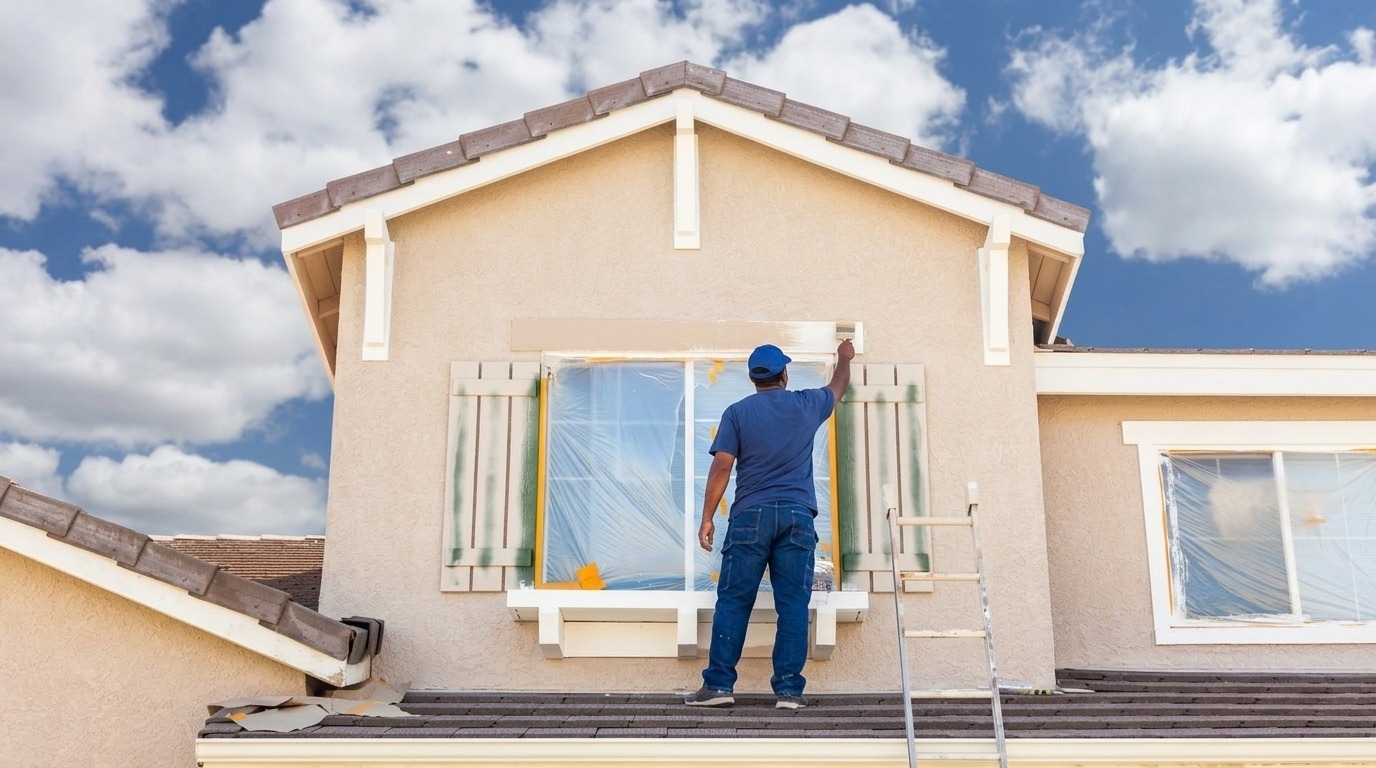
Some situations leave no room for shortcuts. Interior paint will fail quickly in these conditions.
Highly Exposed Surfaces
Exterior walls, fences, front doors, outdoor furniture, and decks face direct sun, rain, and wind every single day.
Interior paint breaks down fast on these surfaces, and no amount of prep work changes that.
Harsh Climates
Areas with intense heat, heavy rain, freezing winters, or coastal salt air are the worst conditions for interior paint.
These environments demand a product formulated to handle constant stress, and interior paint is not that product.
Long-Term Exterior Projects
For any project where you want the paint to last more than one season, interior paint is the wrong call.
There is no workaround that gives it the durability exterior paint provides.
Expert Tips for Using Interior Paint Outside
Using interior paint outdoors is never ideal, but these tips can help it last a little longer.
- Prep the surface clean, sand, and apply an exterior-grade primer before painting.
- Seal it with a UV-resistant clear topcoat rated for outdoor use.
- Apply at least two coats plus a clear final layer for maximum protection.
- Stick to shaded or covered areas away from direct sun and rain.
- Plan to repaint within 6 to 12 months and touch up early signs of damage.
Conclusion
Honestly, I get it. You have paint left over, and you do not want to buy more. I have been there too.
But using interior paint outside almost always leads to more work, not less. It fades, peels, and cracks faster than you expect.
My advice? Invest in a good exterior paint once and save yourself the hassle of repainting every season. Your surfaces will thank you for it.
If this helped you, drop a comment below and let me know what project you are working on. I would love to hear about it.
Frequently Asked Questions
Can you use interior paint outside on wood or furniture?
Not recommended interior paint cracks as wood expands and contracts with temperature changes.
Can you use interior paint outside if sealed properly?
A sealant helps slightly but interior paint still lacks UV resistance and will fade and crack over time.
How long does interior paint last outside?
Around 6 to 12 months in sheltered conditions, but just weeks in direct sun or heavy rain.
What is the best paint for exterior surfaces?
100% acrylic exterior paint flexible, UV-resistant, and moisture-resistant. Use rust-inhibiting paint for metal.
Is there any paint that works both inside and outside?
Yes, hybrid paints work well in semi-exposed areas but are not suitable for harsh weather exposure.