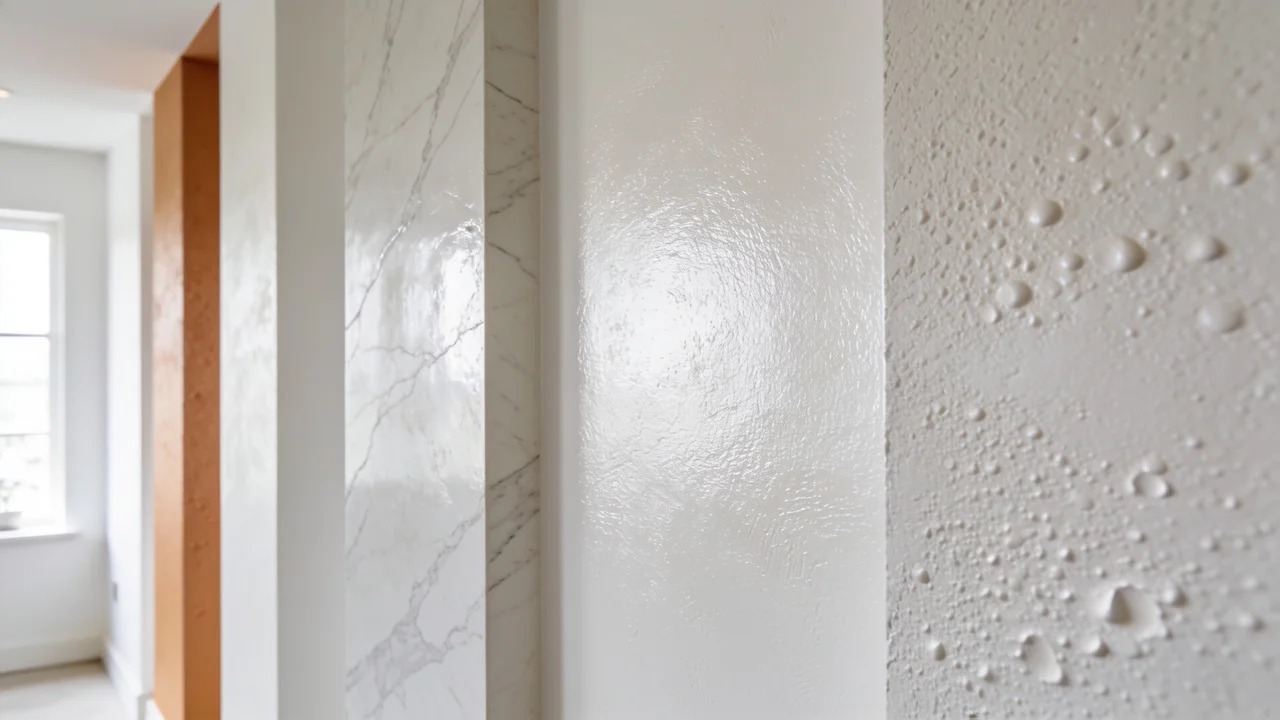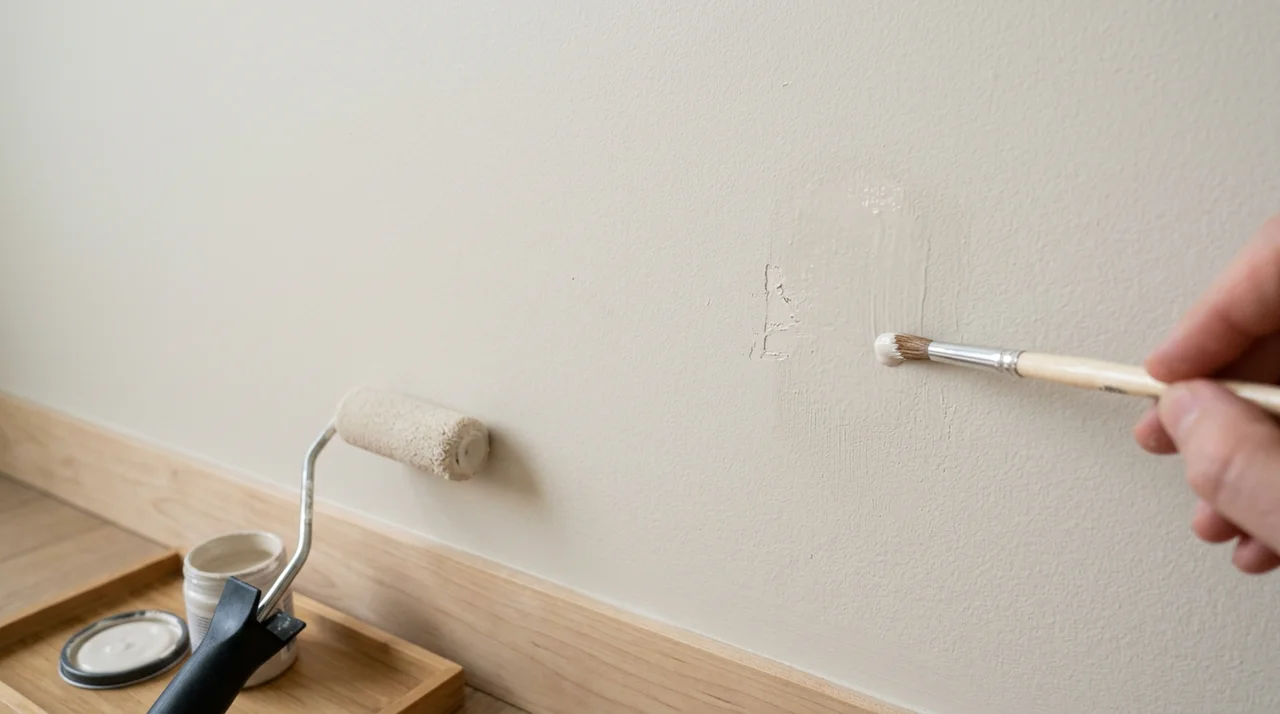


Picking the wrong paint for your ceiling or walls is a common mistake. And it can cost you time, money, and a messy finish.
I have been there. Standing in the paint aisle, wondering if it even matters which one I use.
It does.
In this guide, I will walk you through everything you need to know about ceiling paint and wall paint. We will cover their differences, finishes, application tips, and when you can actually swap one for the other.
By the end, you will know exactly which paint to use and why.
With years of hands-on painting experience, this guide keeps things simple and practical.
What Is Ceiling Paint?
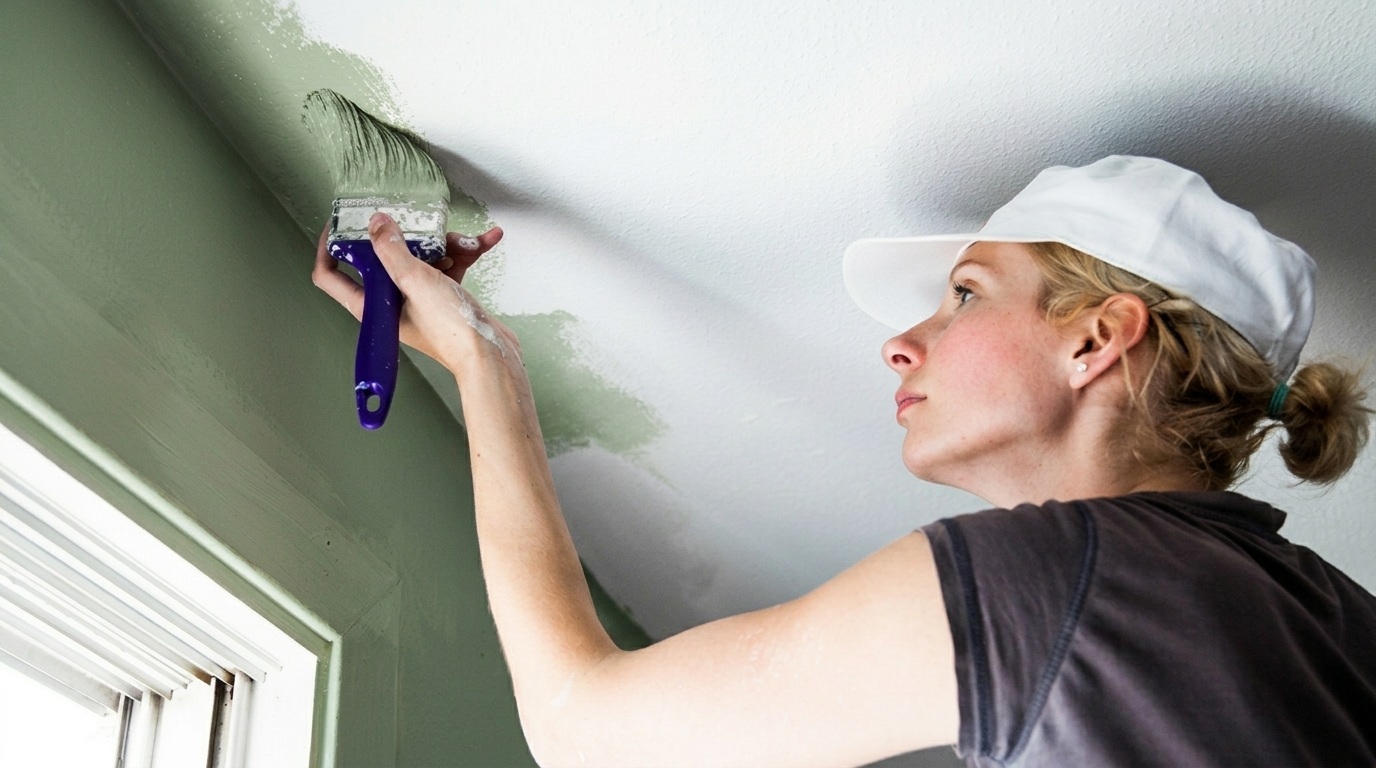
Ceiling paint is made specifically for overhead surfaces. It has a thick formula that reduces dripping while you work above your head.
It dries to a flat, ultra-matte finish. This helps hide surface flaws like cracks and uneven texture. Since ceilings are rarely touched, the paint does not need to be highly durable or washable.
Most ceiling paints come in white or off-white shades. It usually covers in just one coat, which saves time and effort during the job.
What Is Wall Paint?
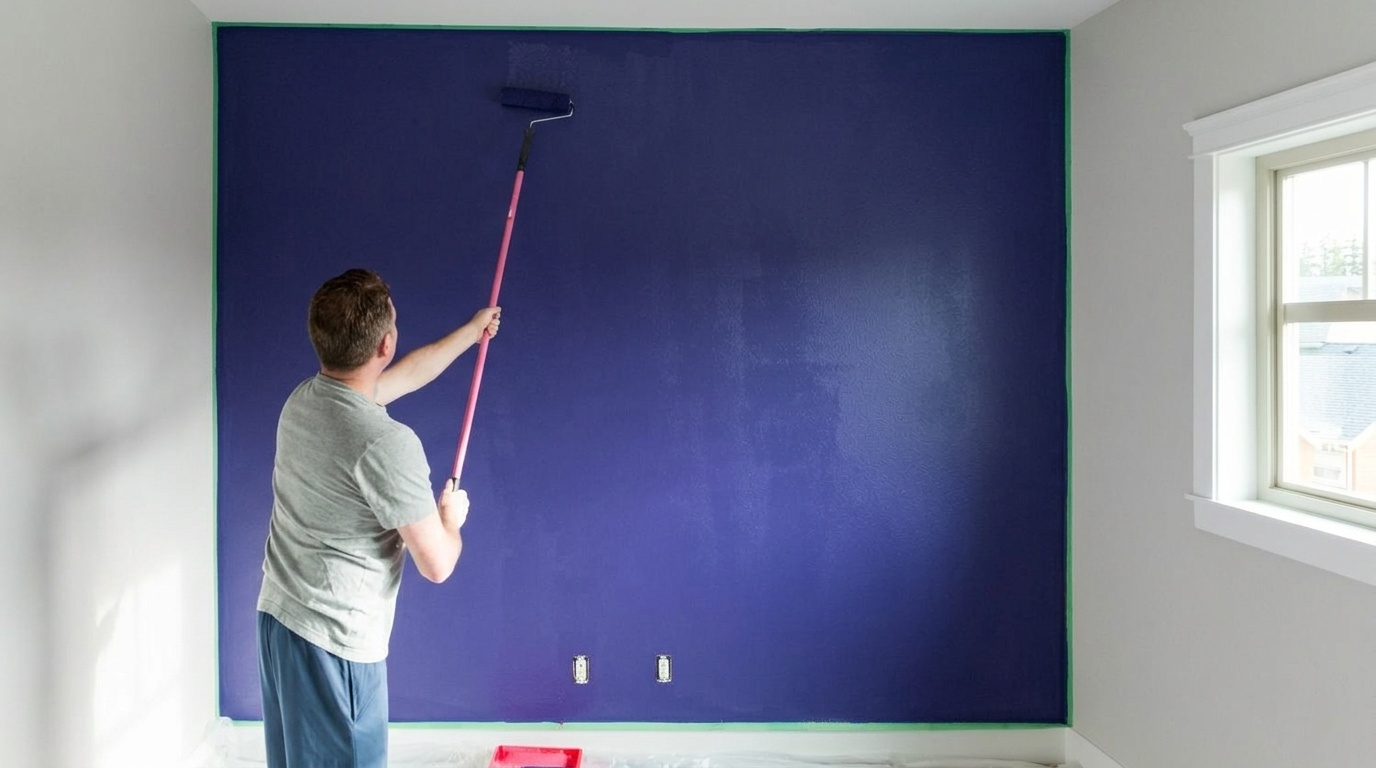
Wall paint is built for surfaces that face daily contact, cleaning, and wear.
It comes in a wide range of finishes, from flat to high gloss. Each finish suits different rooms and needs. The formula is resin-rich, making it durable and easy to clean. You can wipe off marks and scuffs without damaging the surface.
Wall paint also comes in hundreds of colors, giving you full control over the look of your room. Most wall paint jobs need two coats for solid, even coverage.
Ceiling Paint vs Wall Paint Differences (Comparison Table)

Knowing the key differences between these two paints helps you make the right choice for every surface in your home.
| Feature | Ceiling Paint | Wall Paint |
| Composition | Thicker, high viscosity, more filler-based | Thinner, resin-rich for durability |
| Finish | Flat / ultra-matte | Multiple finishes (flat to high gloss) |
| Light Reflection | Minimizes glare, hides imperfections | Reflective depending on sheen |
| Durability | Low durability, not meant for scrubbing | High durability, washable and stain-resistant |
| Drip Resistance | High (ideal for overhead surfaces) | Lower (more prone to dripping) |
| Color Options | Limited, mostly whites and neutrals | Wide range of colors |
| Application Area | Ceilings only | Interior walls |
| Coats Required | Usually 1 coat | Typically 2 coats |
Each paint is made for a specific surface, and using the right one saves you time, effort, and a lot of touch-up work later.
Ceiling Paint vs Wall Paint Differences in Real Use
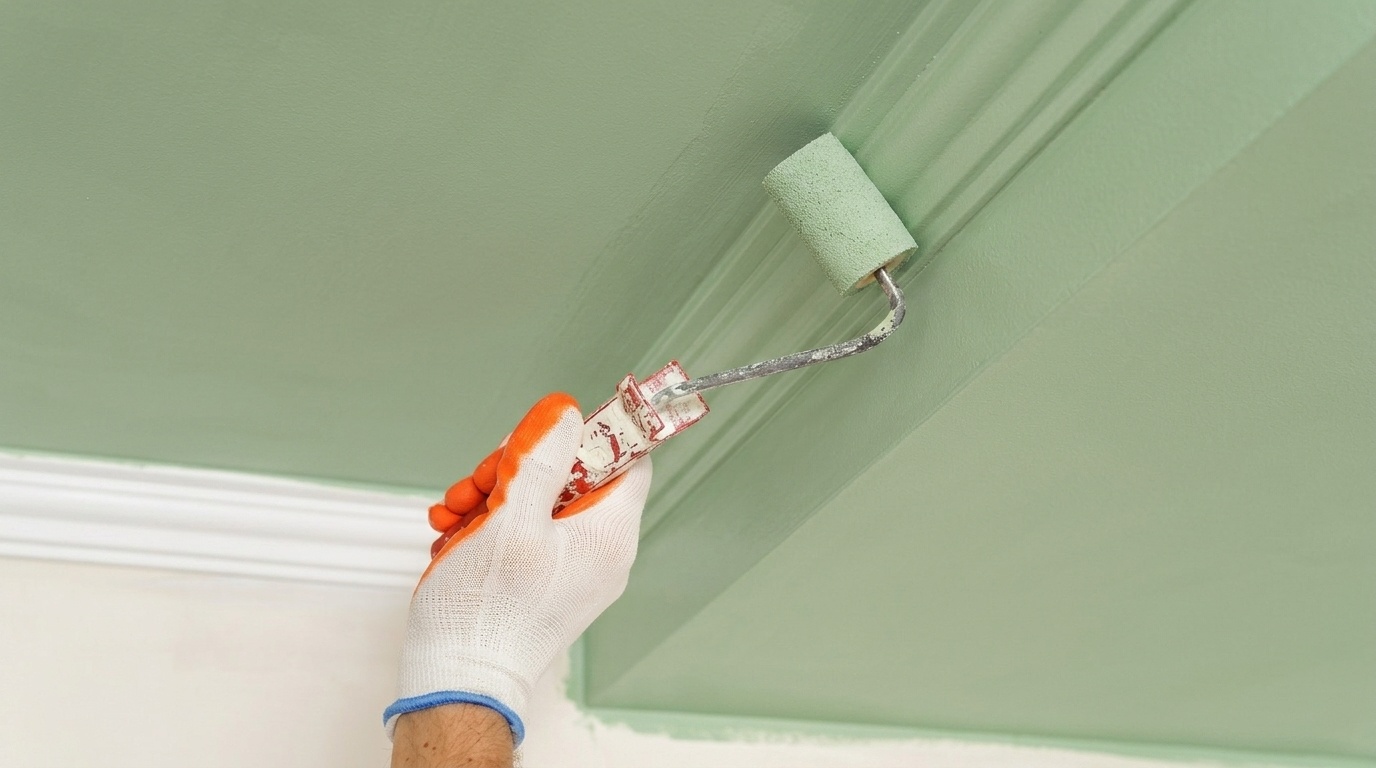
Knowing the specs is one thing. Seeing how they perform in real situations is another.
Ceiling Paint vs Wall Paint Difference in Performance
Ceiling paint does one job well:covering overhead surfaces with minimal dripping.
Wall paint handles far more, including daily scuffs, splashes, and regular cleaning, without losing its finish.
Ceiling Paint vs Wall Paint Difference in Finish Quality
Ceiling paint gives a flat, non-reflective finish that keeps flaws out of sight.
Wall paint offers more control, from soft matte to bold high-gloss, letting you shape how a room looks and feels.
Ceiling Paint vs Wall Paint Difference in Application Ease
Ceiling paint is thick and clings to the roller, making overhead work cleaner and faster with just one coat.
Wall paint spreads smoothly on vertical surfaces but needs two coats and a steadier hand for even results.
Ceiling Paint vs Wall Paint Difference in Application Techniques
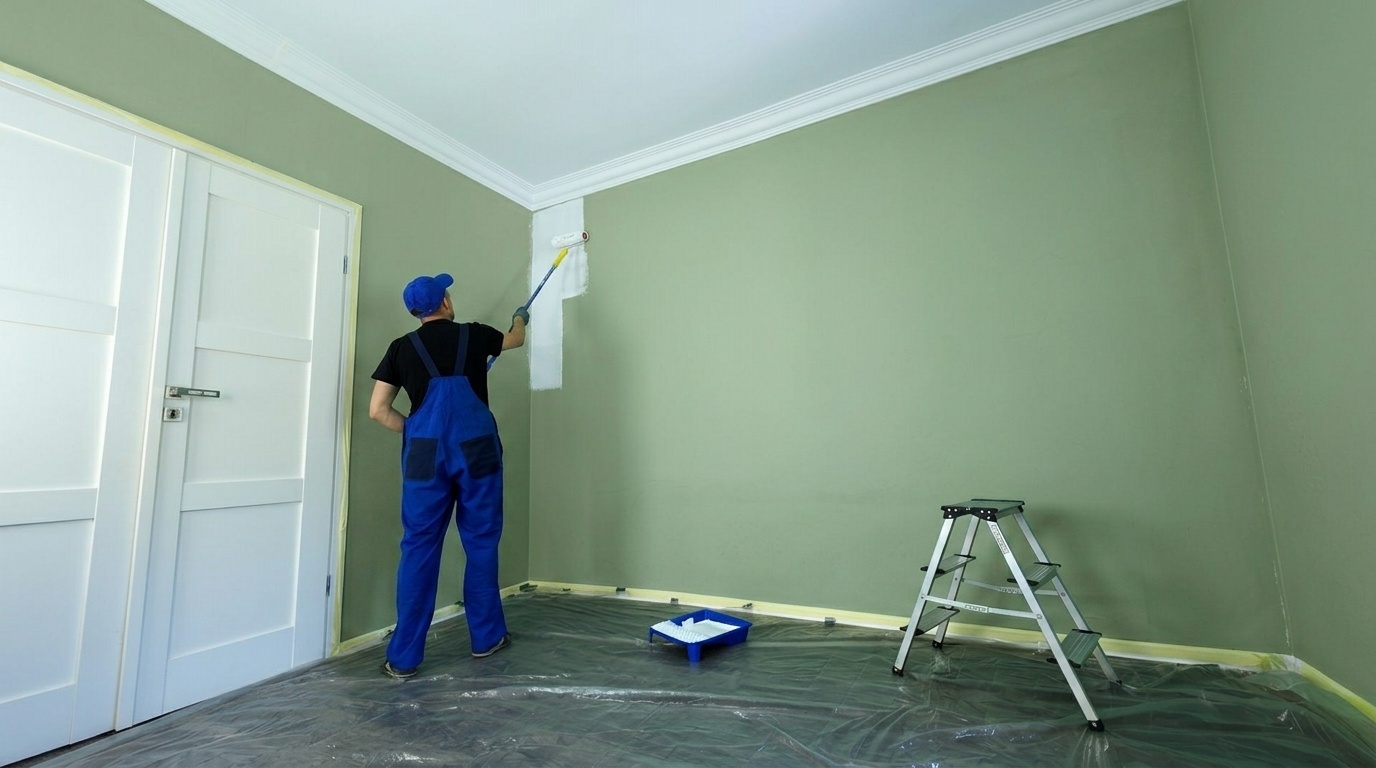
How you apply paint matters just as much as the type you choose.
How to Apply Ceiling Paint (Tools, Roller Tips, and Best Practices)
Use an extension roller with a thick nap and cut in edges with a brush before rolling.
Work in small sections, keep a wet edge, and apply one steady coat without overloading the roller.
How to Apply Wall Paint for Smooth and Even Coverage
Cut in corners and edges with a brush first, then roll in a W or M pattern for even spread.
Let the first coat dry fully before applying the second to avoid streaks and uneven patches.
Can You Use Wall Paint on Ceiling or Ceiling Paint on Walls?

Many people ask this question, and the short answer is: technically yes, but it is usually not a good idea.
What Happens When You Use Wall Paint on Ceilings
Wall paint drips more when applied overhead and its sheen can highlight every crack and bump on the ceiling.
The result often needs multiple coats and still may not look as clean as proper ceiling paint.
What Happens When You Use Ceiling Paint on Walls
Ceiling paint cannot be washed, so marks and stains stick around for good.
It also struggles in humid spaces like kitchens and bathrooms, where it can peel or turn patchy over time.
When It Is Acceptable to Use the Same Paint
In low-traffic or utility spaces like garages and storage rooms, using the same flat paint on both surfaces is fine.
For living areas, bedrooms, and kitchens, always use the paint made for that specific surface.
Ceiling Paint vs Wall Paint: Which One Should You Choose?

The right choice depends on where you are painting and what you need from the paint.
Best Choice Based on Function and Space
Use ceiling paint on all ceilings and match your wall paint finish to the room.
Eggshell or satin works well in living areas, while semi-gloss is the better pick for kitchens, bathrooms, and high-traffic spots.
Best Choice Based on Maintenance Needs
Wall paint with a higher sheen is easier to clean and holds up longer on vertical surfaces.
Ceiling paint needs almost no upkeep since ceilings are rarely touched, and a good coat can last for years.
Tips for Best Painting Results
Small habits and the right prep work can make a big difference in how your paint job turns out.
- Fill cracks and sand surfaces smooth before you start painting.
- Always use primer on new drywall or over stains for better coverage.
- Cut in edges with a brush before rolling the main surface.
- Use the right roller nap for your surface and do not overload it.
- Let each coat dry fully before applying the next one.
Conclusion
I made the mistake of using wall paint on my ceiling once. The drips were everywhere and the finish looked wrong.
That one job taught me to always use the right paint for the right surface. Ceiling paint belongs on ceilings. Wall paint belongs on walls.
Match your finish to the room, prep well, and the results will speak for themselves. If this guide helped you, drop a comment below and tell me what room you are painting next.
Frequently Asked Questions
Is ceiling paint different from wall paint?
Yes. Ceiling paint is thicker with a flat finish made for overhead surfaces. Wall paint is more durable, comes in multiple finishes, and handles daily cleaning and wear much better.
Can wall paint be used on ceilings?
You can, but it is not ideal. Wall paint drips more overhead and its sheen can make ceiling flaws more visible. Ceiling paint gives a cleaner result on overhead surfaces.
Which lasts longer, ceiling paint or wall paint?
Wall paint lasts longer on walls because it handles scrubbing and daily contact well. Ceiling paint lasts fine on ceilings since those surfaces are rarely touched or cleaned.
What finish is best for ceilings and walls?
Flat or ultra-matte works best for ceilings. For walls, eggshell or satin suits living areas while semi-gloss is better for kitchens, bathrooms, and trim.
How many coats does ceiling paint need compared to wall paint?
Ceiling paint is usually covered in one coat. Wall paint typically needs two coats for solid, even coverage across the surface.