

If you've got a can of paint sitting in your garage and you're not sure if it's still good, this article is for you.
Paint does have a shelf life. But it's not as simple as a "use by" date on a food label. A lot depends on the type of paint, how it was stored, and how long it's been sitting there.
I've worked with paint long enough to know what good paint looks and smells like, and what to do when it's past its best.
By the end, you'll know exactly what to do with that old can. No guessing needed.
Does Paint Actually Expire?

Yes, paint does expire. Most people don't think about it until they're standing in front of an old can wondering if it's worth using.
The short answer is that paint can last anywhere from one to ten years depending on the type and how it was stored. Unopened cans last longer than opened ones.
Temperature changes, air exposure, and moisture are the main things that shorten a paint's life. Using expired paint is not just a waste of time.
It can lead to poor coverage, bad texture, and a finish that peels faster than it should. Knowing when paint is still good saves you money and a lot of frustration.
How Long Does Paint Last Before It Goes Bad?
The shelf life of paint varies quite a bit depending on the type. Here is a general breakdown to help you figure out where your can stands.
Latex and Water Based Paint
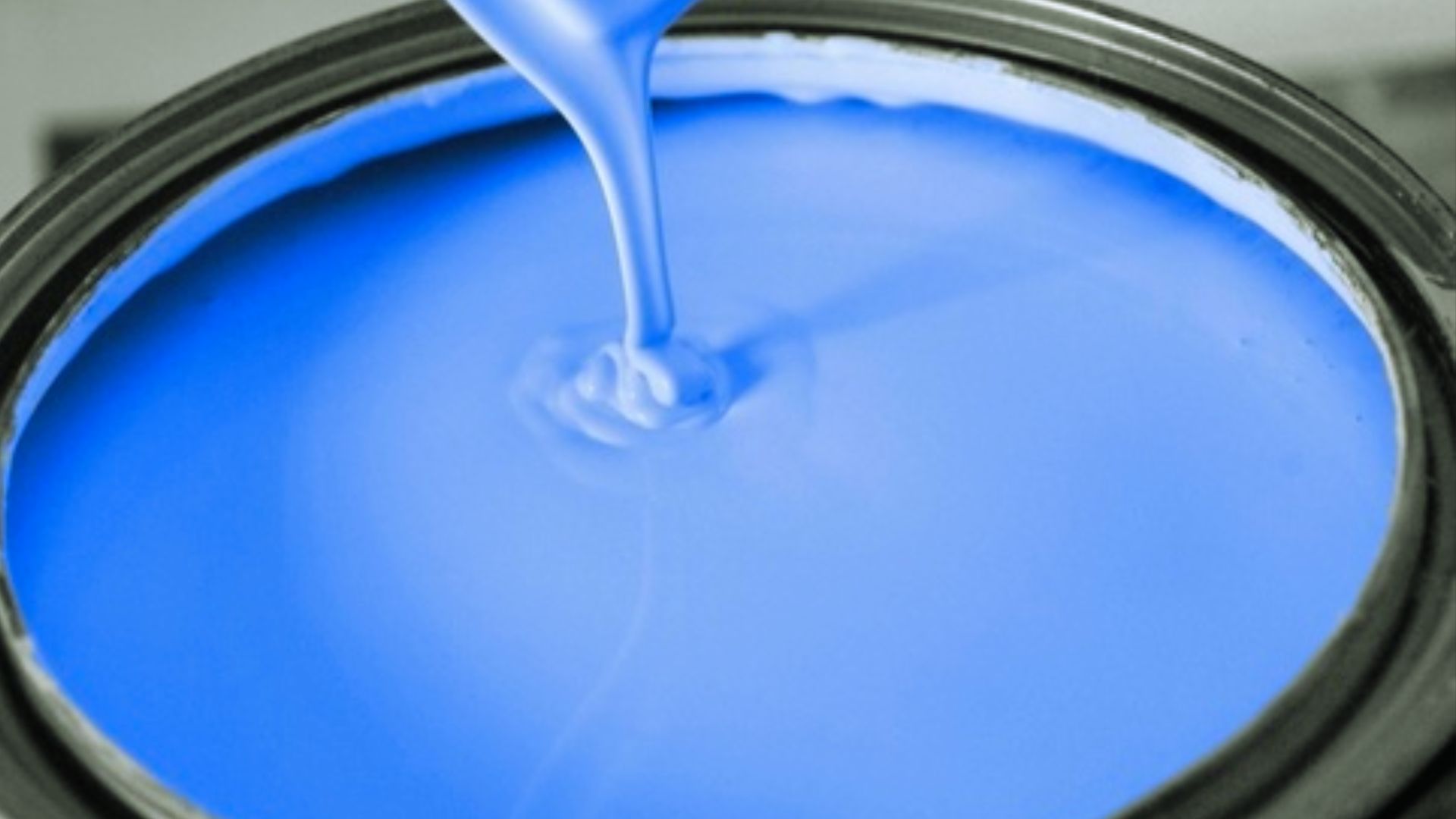
Latex paint is the most common type used in homes. An unopened can of latex paint can last up to ten years if stored correctly.
Once opened, you're looking at two to five years before it starts to degrade.
The key factors are air exposure and temperature. If the lid was not sealed properly after use, the paint will dry out and form a thick skin on top much faster.
Oil Based Paint
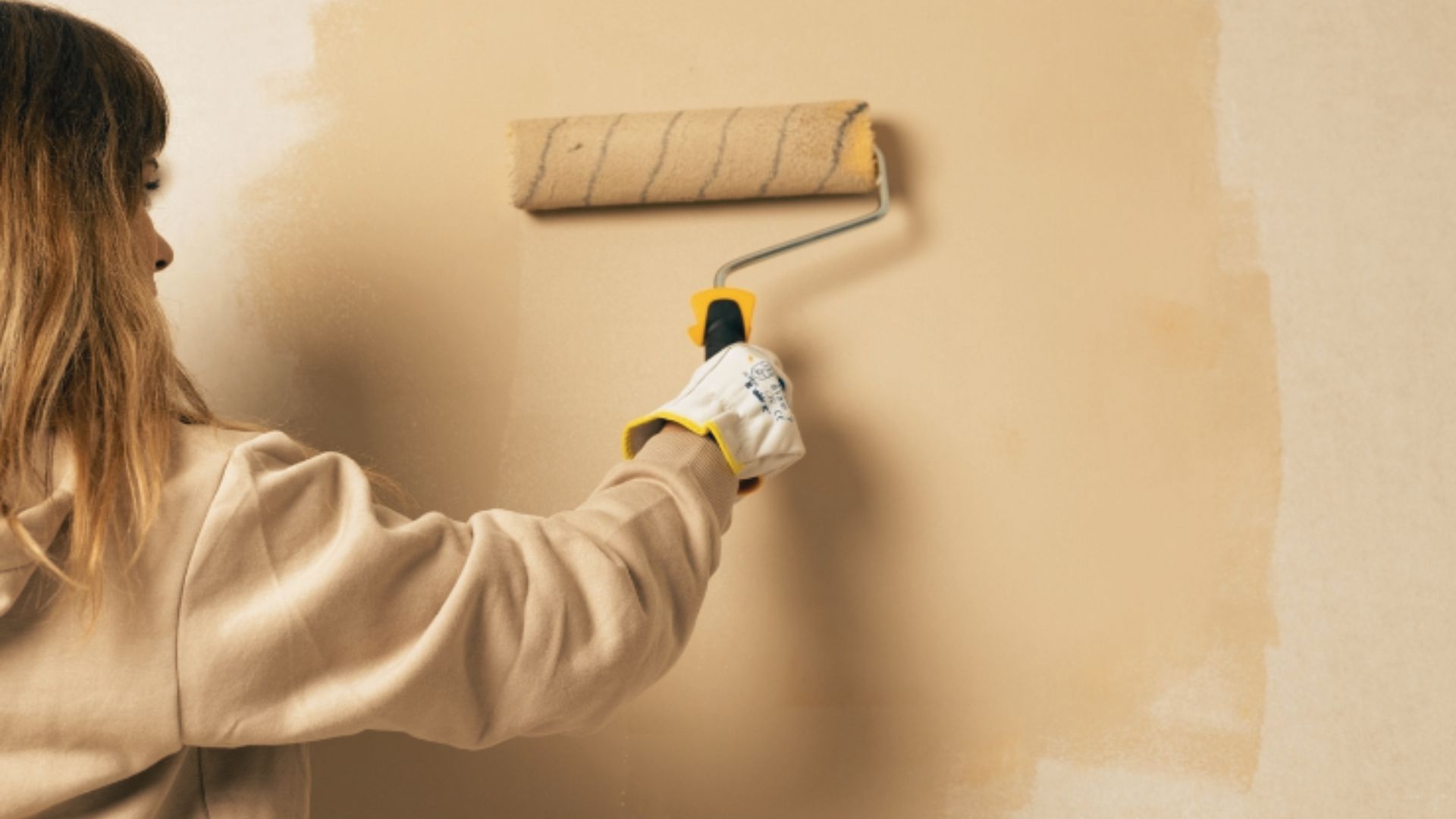
Oil based paint has a longer shelf life than latex. Unopened cans can last up to fifteen years. Once opened, you have around five years before the quality starts to drop.
Oil based paint is more sensitive to temperature changes though. Freezing temperatures can permanently damage the consistency even in sealed cans.
Chalk Paint and Specialty Paints
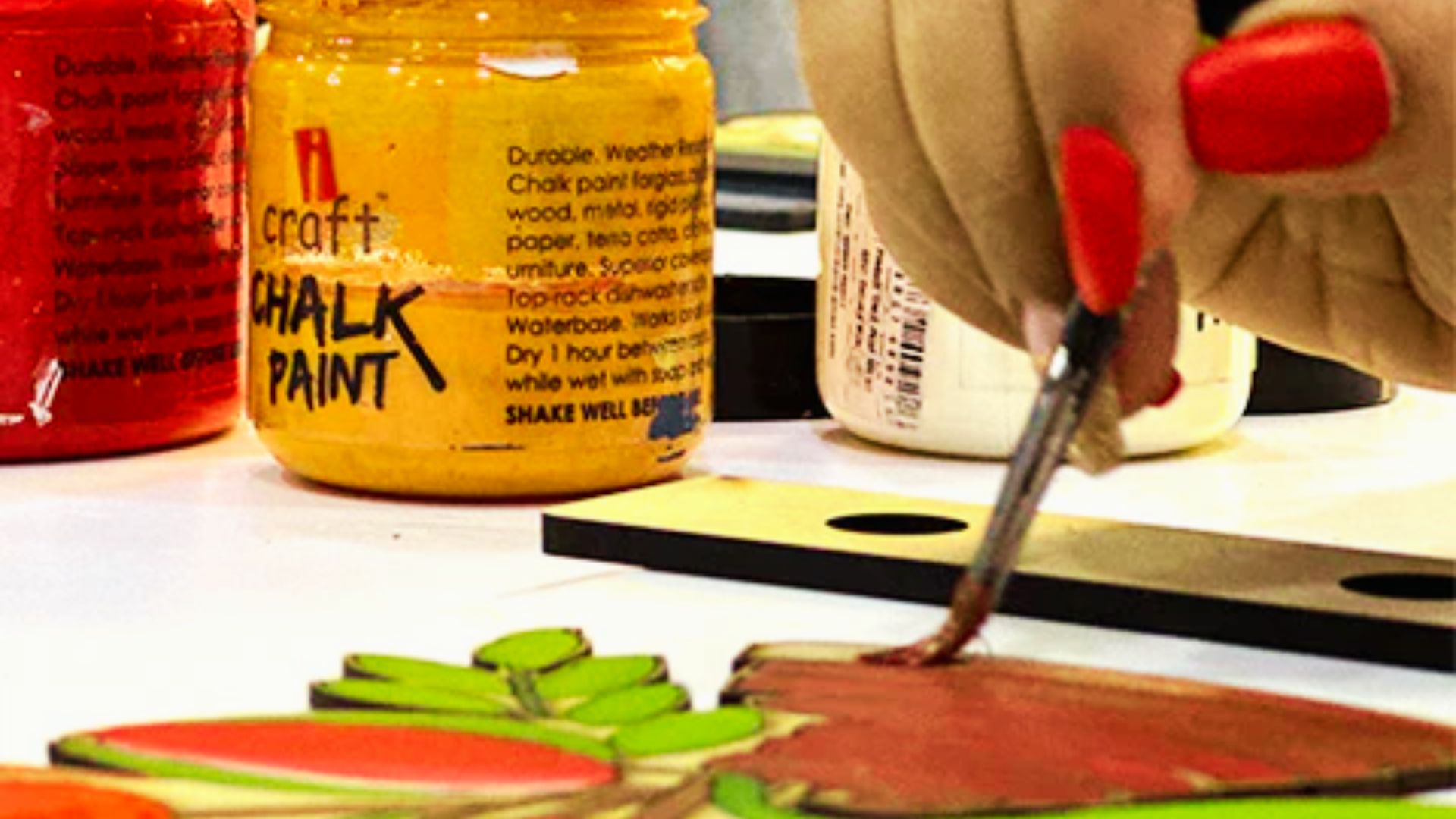
Chalk paint and other specialty paints tend to have a shorter shelf life, usually around one to three years.
These paints are more prone to drying out and separating. Always check the manufacturer's guidelines on the label for these types.
How to Tell If Paint Has Gone Bad?
You don't always need to know the age of a can to figure out if the paint is still usable. Your senses will tell you most of what you need to know.
The Smell Test

Good paint has a mild chemical smell. Bad paint smells sour, rotten, or like something has gone off.
If you open a can and the smell makes you step back, that's a clear sign the paint has spoiled. This is especially common with latex paint that has been exposed to bacteria over time.
The Texture Test
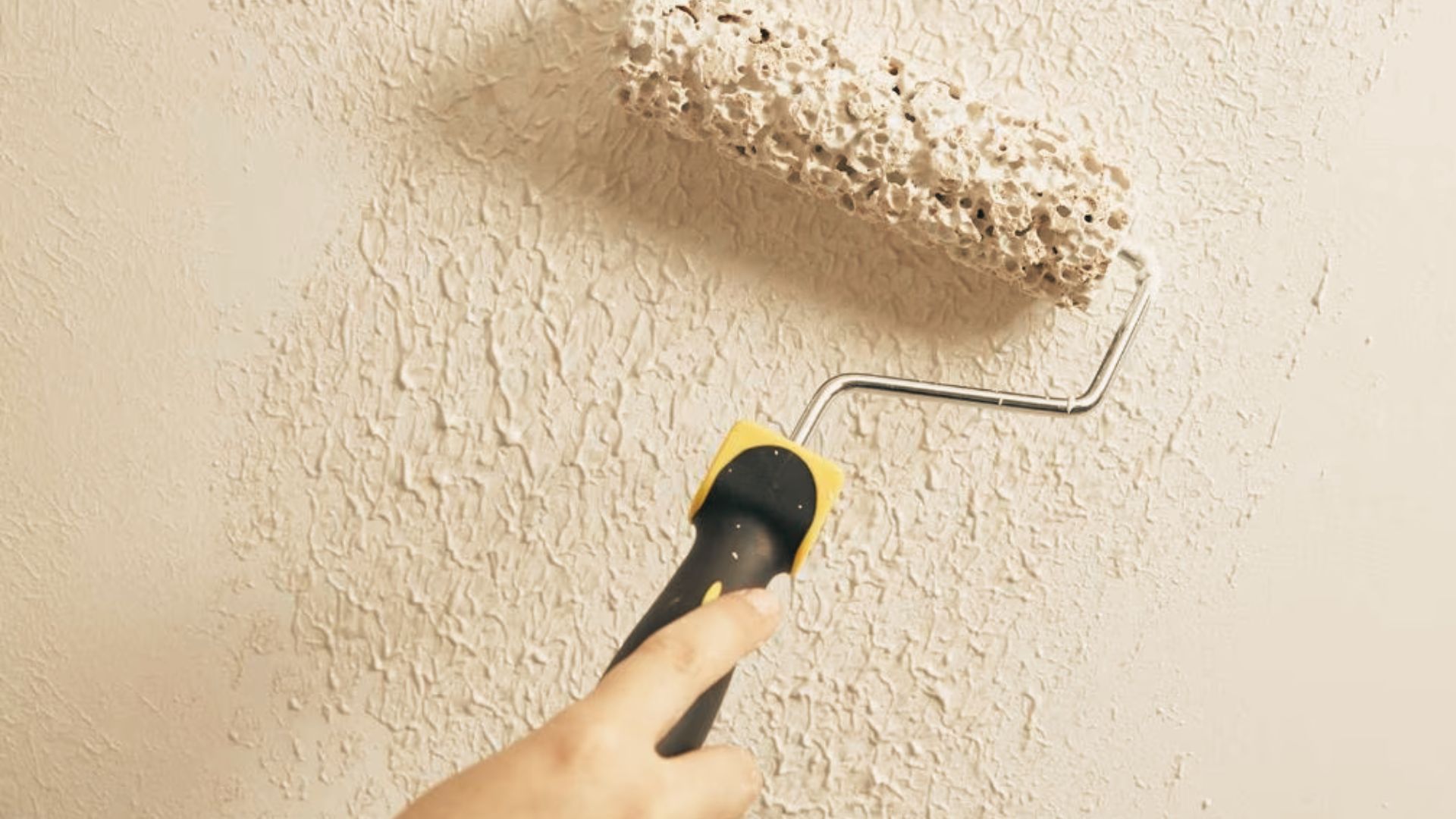
Stir the paint slowly. Good paint should come together smoothly after a few minutes of stirring.
If you notice any of the following, the paint may be past its best:
- Lumps that won't break down with stirring.
- A rubbery or stringy texture.
- A thick skin that covers the entire surface.
- Separation that won't blend back together.
A little separation at the top is normal. That can usually be fixed with a good stir. But if the paint stays lumpy or feels wrong after mixing, it's time to let it go.
The Application Test

If the paint passes the smell and texture tests, do a quick test on a small piece of cardboard or scrap wood.
Good paint goes on smoothly and covers evenly. If it streaks, clumps, or dries with an uneven finish, it's not worth using on your actual project.
What Happens if You Use Expired Paint?
Using paint that has gone bad is not just disappointing. It can cause real problems that cost more time and money to fix later.
Poor Coverage and Finish

Expired paint often loses its pigment strength. This means you'll need more coats to get the same coverage.
Even then, the finish may look patchy or uneven. On walls, this is especially noticeable under certain lighting conditions.
Peeling and Flaking
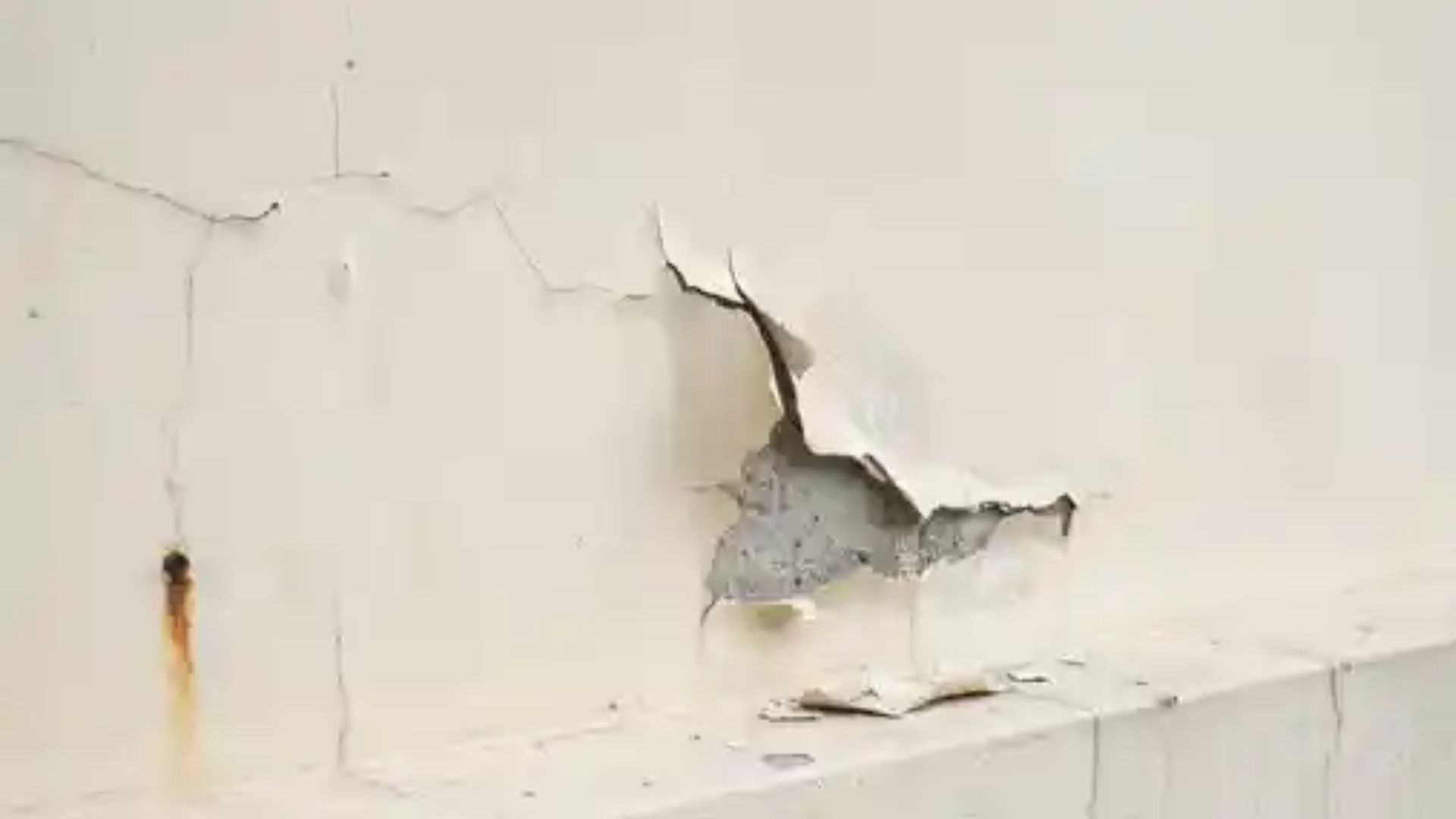
Paint that has degraded loses its ability to bond properly to surfaces. This leads to peeling and flaking sooner than you'd expect.
What looks fine on day one can start to lift within weeks or months.
Mould and Bacteria

Old latex paint that has been contaminated by bacteria can actually introduce mould to your walls. If the paint smells off and you use it anyway, you may end up with more problems than just a bad paint job.
How to Store Paint so that it Lasts Longer?
Good storage habits can add years to the life of your paint. These tips apply whether the can is opened or sealed.
Keep it at a Stable Temperature
Paint should be stored in a place where the temperature stays between 60 and 80 degrees fahrenheit.
Avoid garages or sheds where temperatures drop below freezing in winter or get very hot in summer. Extreme temperatures break down the ingredients in paint and ruin the consistency.
Seal the Lid Properly
Air is the biggest enemy of open paint. After each use, wipe the rim of the can clean so there's no dried paint stopping the lid from sealing.
Place a piece of plastic wrap over the opening before putting the lid back on. Then tap the lid down firmly with a rubber mallet rather than a hammer to avoid denting the can.
Store Cans Upside Down
This is a trick many painters swear by. Storing an opened can upside down creates an airtight seal using the paint itself.
Just make sure the lid is on securely before flipping it. Turn it right side up and stir before using.
Label Your Cans
Write the date you opened the can and the room or surface it was used on. This takes two seconds and saves a lot of guesswork later.
You'll know exactly how old the paint is and where to use it for touch ups.
Can You Fix Paint That Has Started to Go Bad?
Sometimes paint that looks questionable can still be saved. It depends on what's wrong with it.
When Can You Save It?
If the only issue is separation or a skin on top, there's a good chance the paint is still usable. Remove the skin carefully without mixing it back in. Then stir the paint slowly and thoroughly.
Strain it through a paint strainer or a piece of old stocking to catch any lumps. If it smells fine and applies smoothly, it's good to go.
When You Should Throw It Away?
If the paint smells bad, has lumps that won't break down, or applies unevenly after straining, it's time to get rid of it. Don't try to thin it out or mix it with fresh paint to save it.
Bad paint mixed with good paint will affect the quality of the whole batch.
How to Get Rid of Old Paint Safely?
You can't just pour old paint down the drain or throw the can in the bin. There are proper ways to dispose of it depending on where you live.
Latex Paint Disposal
Latex paint can be dried out and disposed of with regular rubbish in many areas. Leave the lid off and let it dry completely.
You can speed this up by adding cat litter or a commercial paint hardener. Once it's solid, it's safe to throw away.
Oil Based Paint Disposal
Oil based paint is considered hazardous waste and needs to be taken to a local hazardous waste facility. Check with your local council or waste management service for the nearest drop off point.
Never pour oil based paint down a drain or into the ground.
Donate Unused Paint
If your paint is still in good condition but you simply don't need it, consider donating it. Many community organisations, schools, and charities accept usable paint.
Some areas also have paint recycling programmes that collect and redistribute usable paint to people who need it.
Conclusion
Paint does expire, but knowing what to look for makes all the difference. Check the smell, the texture, and how it applies before committing it to a wall or project. Store it well and label your cans, and you'll get far more life out of every tin you buy.
Before starting your next paint project, take a few minutes to check old paint the right way. A simple test can save hours of cleanup, extra costs, and disappointing results later.
If this guide helped, keep it bookmarked for future projects and share it with someone sorting through old paint cans.
Frequently Asked Questions
Does paint have an expiration date printed on the can?
Most paint cans do not have a printed expiration date. You'll need to judge the quality yourself by checking the smell, texture, and how it applies on a test surface.
Can you use paint that has been frozen?
Latex paint that has frozen may still be usable if it thaws out and stirs back to a smooth consistency. If it stays lumpy or grainy after stirring, the freezing has damaged it beyond use.
How can you tell if paint has gone bad without opening the can?
Shake the can gently and listen for any unusual sounds like chunks moving around inside. If it rattles or sounds thick and uneven, there's a good chance the paint has dried out or separated badly.
Is it safe to use old paint indoors?
Old paint that smells sour or rotten should never be used indoors. The bacteria that cause that smell can affect air quality and may introduce mould to your walls over time.
How long does paint last once it has been opened?
Latex paint lasts around two to five years once opened if stored correctly. Oil based paint can last up to five years after opening, provided the lid is sealed properly and it is kept at a stable temperature.