

Running out of paint mid-project is frustrating. Buying too much wastes money. I’ve been in both spots more times than I’d like to admit.
This exterior paint coverage per gallon calculator guide will fix that problem. I’ll walk you through how to measure your home, use a simple formula, and get an accurate gallon count.
You’ll also learn what affects coverage, how to estimate by home size, and how to avoid the most common buying mistakes.
I’ve worked through dozens of painting projects and know exactly where people go wrong. You won’t waste a drop.
Why You Need to Calculate Exterior Paint Before Buying
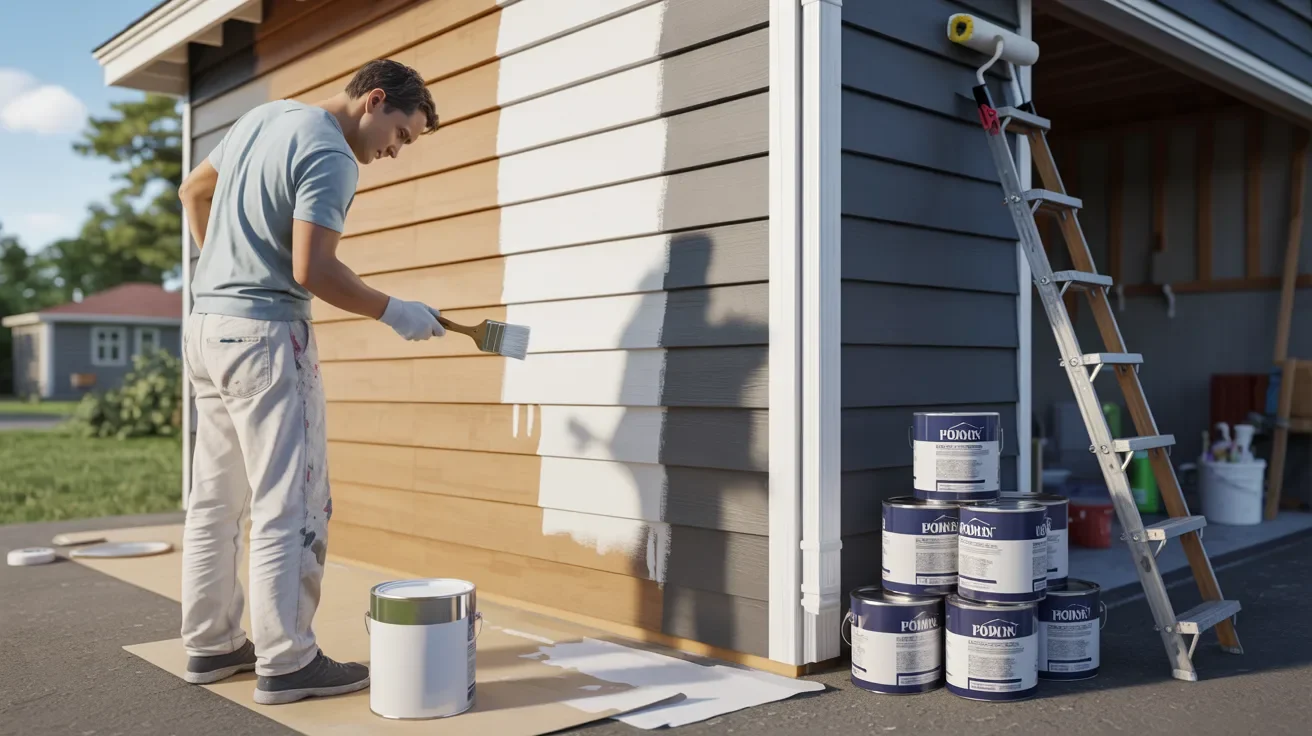
Skipping the math before buying exterior paint almost always leads to problems. You either run out mid-project or end up with cans you’ll never open.
I’ve made both mistakes, and neither feels good. Calculating how much paint you need upfront saves you time, money, and a second trip to the store.
It also helps you plan your budget before you spend a dollar. A quick calculation takes less than ten minutes and keeps your whole project on track from the very first coat.
Exterior Paint Coverage Per Gallon Explained
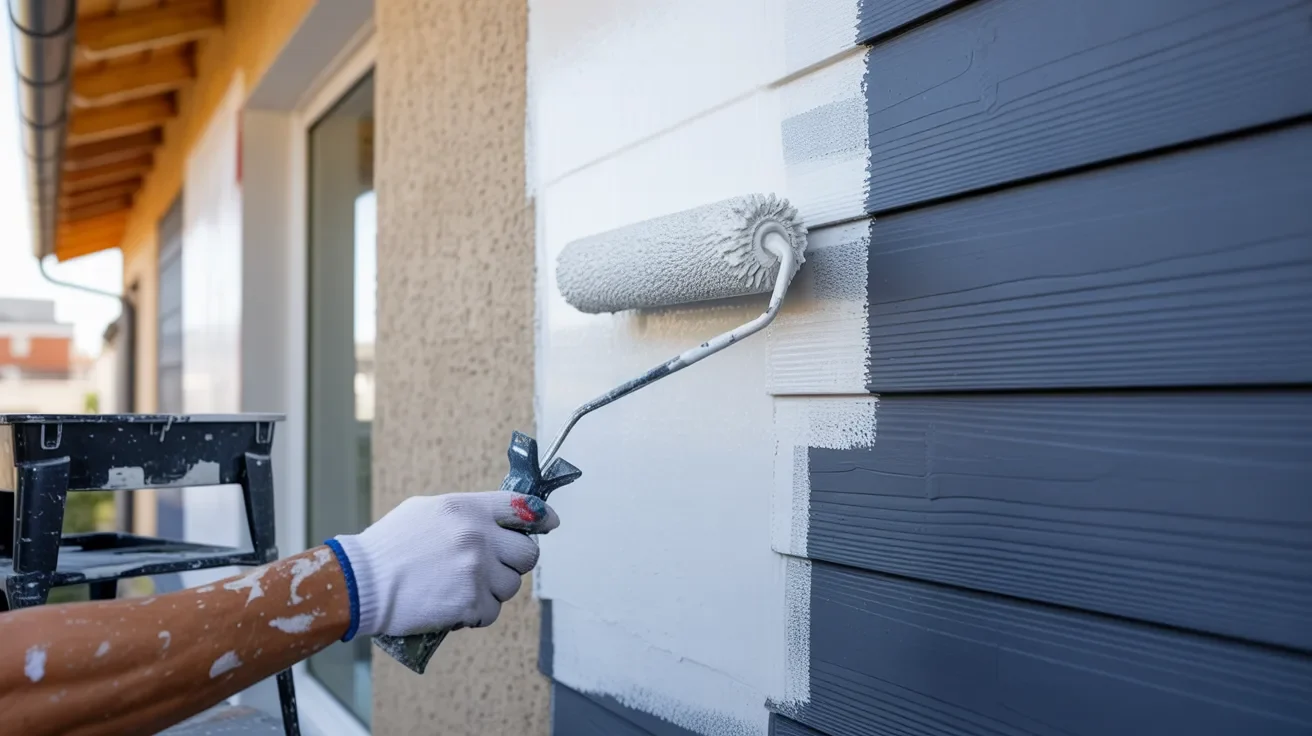
Know what a gallon of exterior paint actually covers before you buy a single can.
Standard Coverage Range
A standard gallon of exterior paint covers between 250 and 400 square feet. Most labels show 400 sq. ft., but that’s under perfect conditions.
In real life, plan for 300–350 sq. ft. per gallon. Rough, porous, or older surfaces absorb more paint. Always use the lower end of the coverage range to avoid running short on a big job.
What Affects Paint Coverage
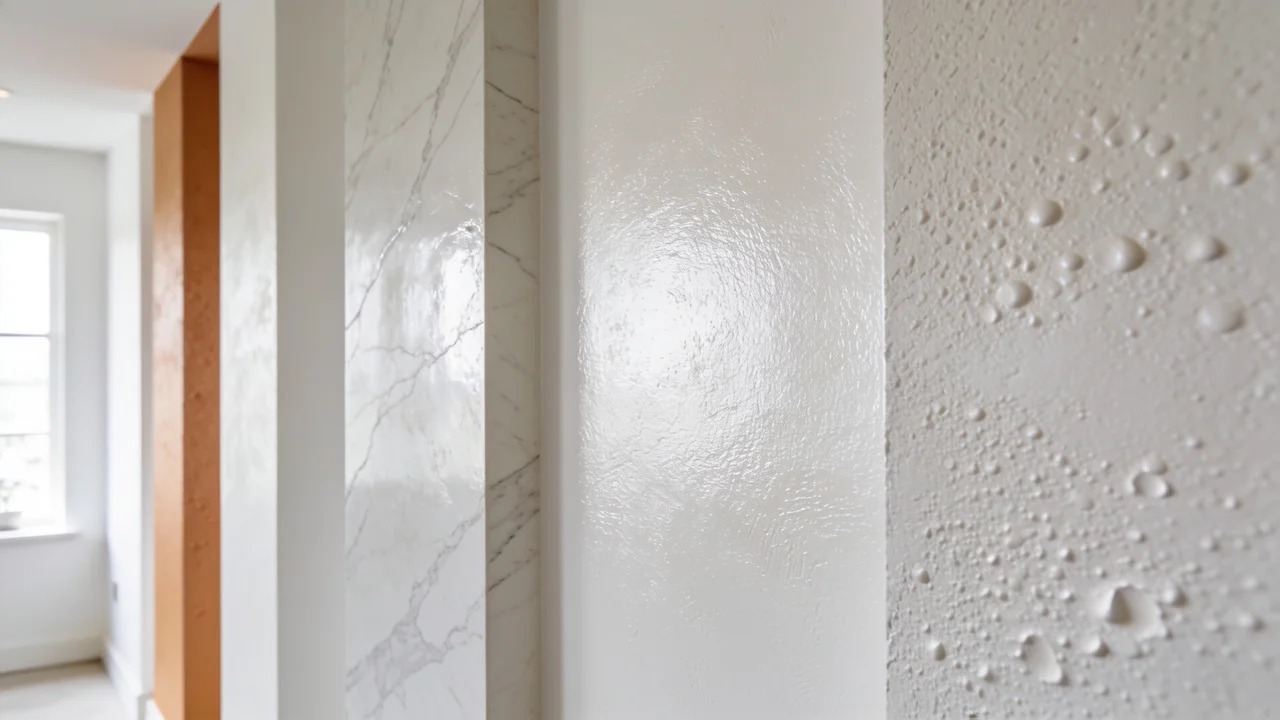
Three things change how far a gallon goes: surface type, paint quality, and application method. Rough or textured walls drink up more paint than smooth ones.
Higher-quality paints often cover better in fewer coats. Rollers, brushes, and sprayers each apply paint at different rates, which directly affects how much product you use from start to finish.
Exterior Paint Coverage Per Gallon Calculator Guide
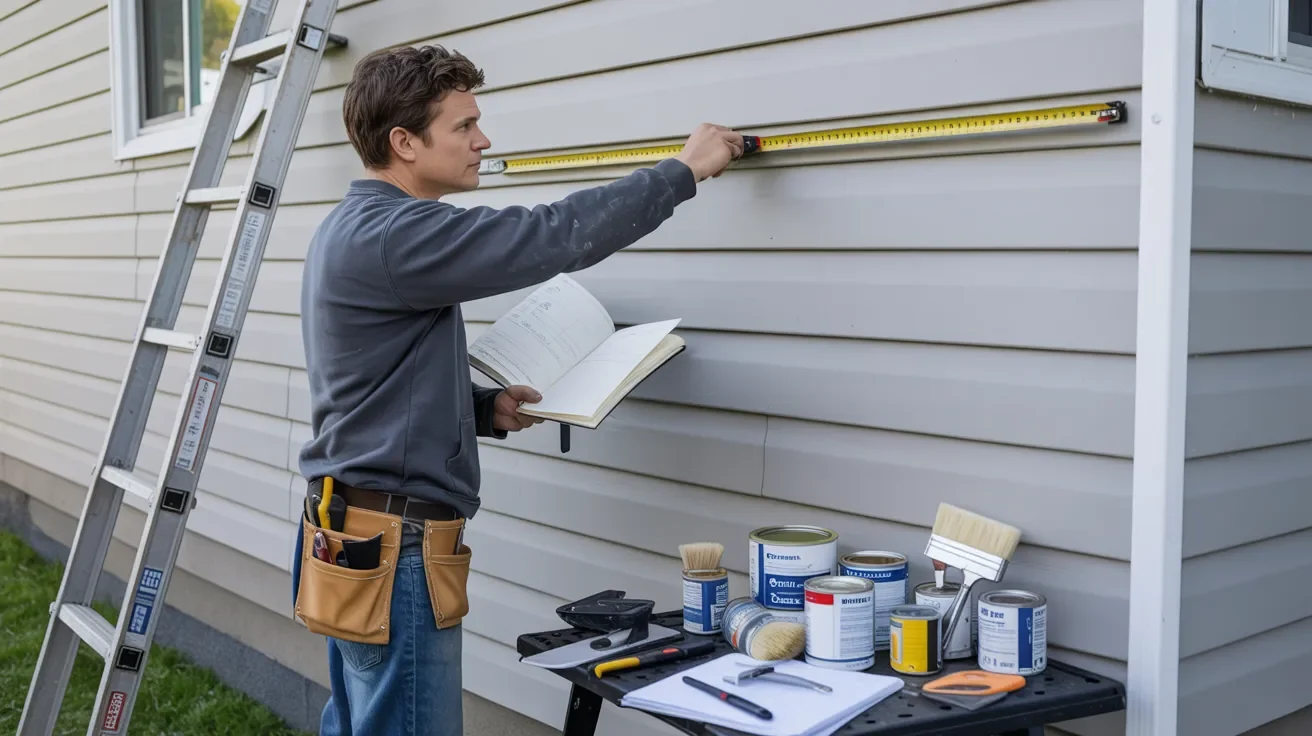
Use this simple method to get the right gallon count for any home, any size.
Simple Formula to Calculate Paint Needed
The formula is straightforward: Total Area ÷ Coverage Rate × Number of Coats = Gallons Needed
For example: 1,500 sq. ft. ÷ 350 sq. ft. per gallon × 2 coats = about 8.5 gallons.
Always round up to the nearest whole number. This protects you from running short right when you need one more coat to finish the job.
Step-by-Step Calculation Method
Here’s how to work through it:
- Measure each exterior wall (length × height)
- Add all wall areas together
- Subtract windows (about 15 sq. ft. each) and doors (about 20 sq. ft. each)
- Divide your total area by your paint’s coverage rate
- Multiply by the number of coats you plan to apply
Work through each wall separately. It takes a few extra minutes but gives you a much more accurate number.
Example Calculation
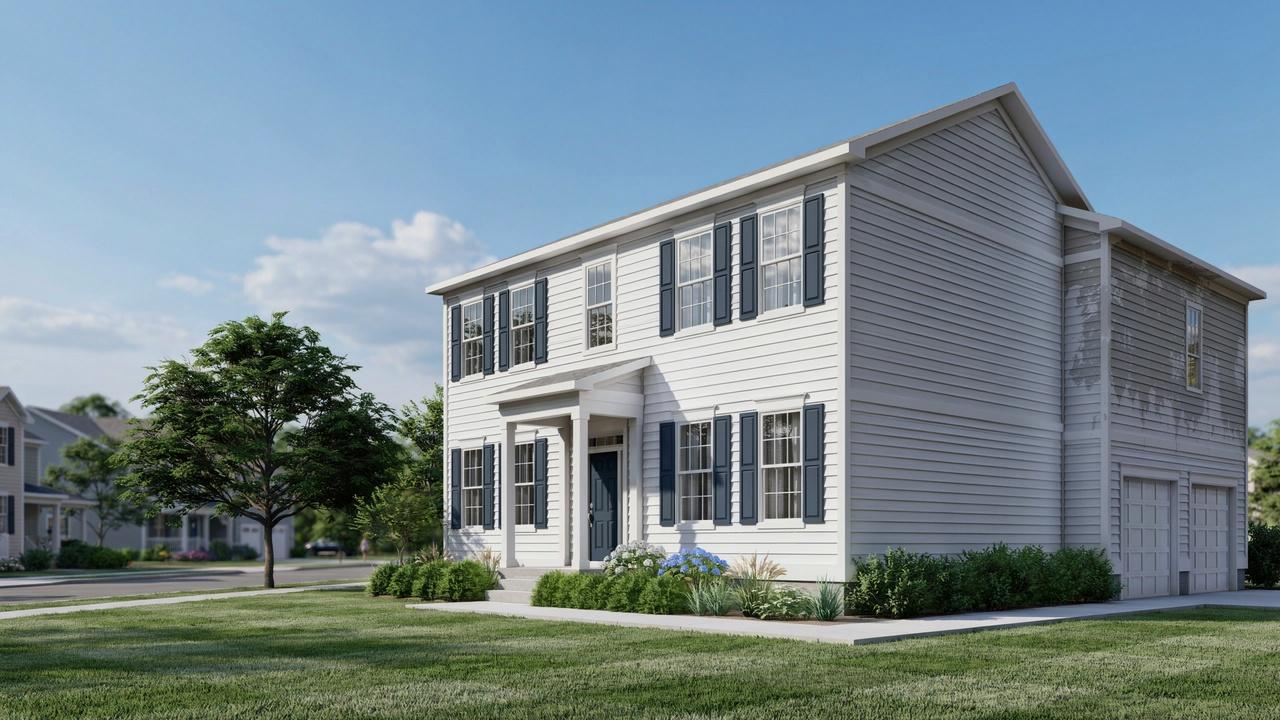
Say your home has 1,800 sq. ft. of exterior wall space. You have 8 windows and 2 doors, which comes to 160 sq. ft. That leaves 1,640 sq. ft. Divide by 350 (average coverage rate).
That’s about 4.7 gallons per coat. With two coats, you need roughly 9 to 10 gallons total. Round up and grab 10 to be safe.
How Much Paint Do You Need for Your Home
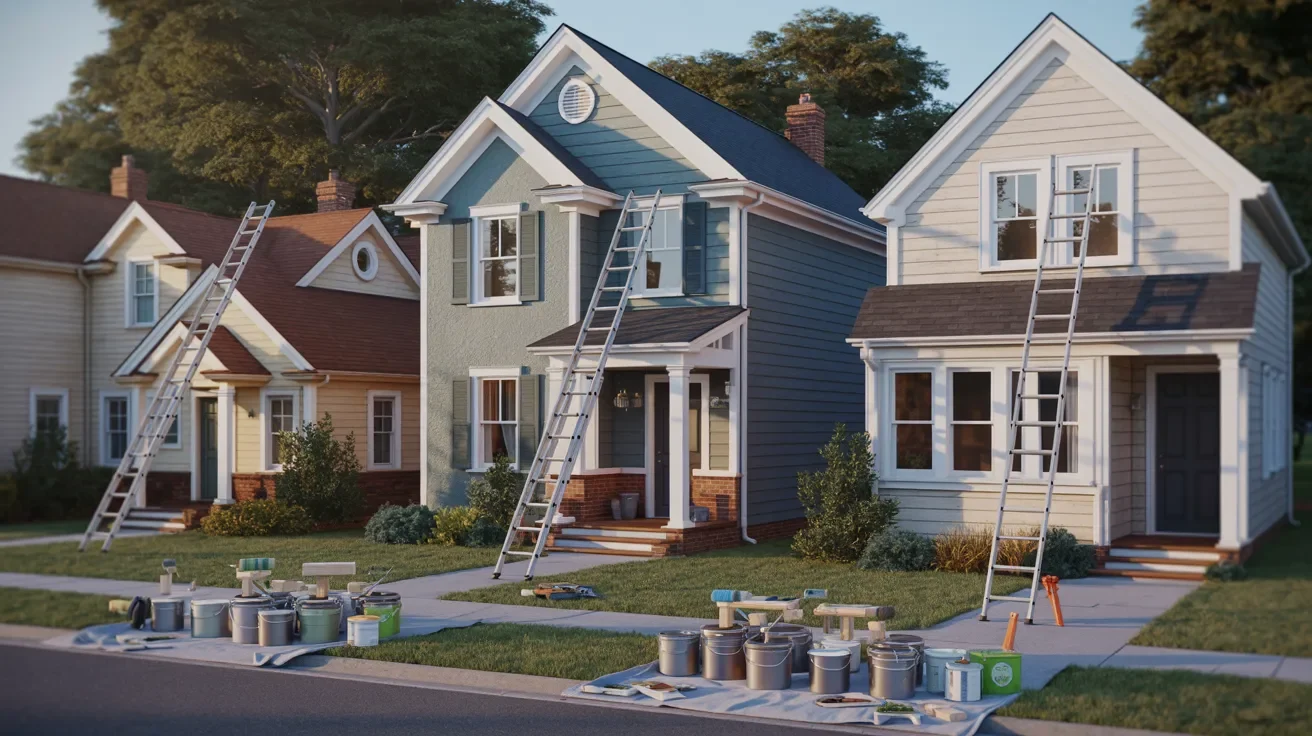
Your home’s size and surface type directly shape how many gallons go into your cart.
Paint Estimate by Home Size
Here’s a quick reference for a two-coat job:
- Small home (under 1,000 sq. ft.): 4–6 gallons
- Medium home (1,500–2,000 sq. ft.): 8–12 gallons
- Large home (over 2,500 sq. ft.): 15+ gallons
These are rough starting points. Always run your own numbers using the formula above. Home shapes, rooflines, and trim areas all affect your final count more than square footage alone.
Coverage by Surface Type
Smooth surfaces like new vinyl or wood siding cover at around 400 sq. ft. per gallon. Rough surfaces like brick, stucco, or weathered wood drop that to 200–300 sq. ft. per gallon.
If your home has mixed surfaces, calculate each section on its own. Adding them up separately gives you a far more accurate final gallon estimate than using one blanket number.
Tips for Accurate Paint Estimation
Small planning steps upfront can save you a second trip to the store and a lot of wasted paint.
- Measure twice before you start any math. One wrong wall measurement throws off your whole estimate.
- Use the coverage rate on your exact can, not a general number from online. Rates vary by brand and finish.
- Add 10% to your total as a buffer for touch-ups, drips, or any areas that need a third pass.
- Account for primer if you’re switching from a very dark or very light color. Primer changes how many finish coats you’ll need.
- Buy all gallons from the same batch. Different batches can have slight color differences that show up on the wall once dry.
Conclusion
Getting your paint count right before you start makes everything easier.
I once ran out halfway through a second coat on a hot afternoon, and waiting two days for a restock was not fun. That mistake pushed me to always run the numbers first.
This exterior paint coverage per gallon calculator guide gives you a simple, reliable way to plan any project.
Try the formula on your next job. If you have questions or tips of your own, drop them in the comments below. I’d love to hear how your project turns out.
Frequently Asked Questions
How much does one gallon of exterior paint cover?
One gallon typically covers 250 to 400 sq. ft. For rough surfaces, expect closer to 250 sq. ft. For smooth siding in good condition, you may get up to 400 sq. ft. per gallon.
Do I need two coats of exterior paint?
Yes, most exterior projects need two coats for full coverage and lasting color. I always plan for two coats when calculating how much paint you should buy before starting.
How do I subtract windows and doors from my total?
Count each window as roughly 15 sq. ft. and each door as about 20 sq. ft. Add those up and subtract the total from your overall wall area before dividing by your coverage rate.
Does paint color affect how many gallons I need?
Yes, it can. Going from a dark base to a lighter color, or the other way around, often means you’ll need an extra coat. That extra coat adds directly to your total gallon count.
Should I buy a little extra paint just in case?
I always do. Adding 10% to your final estimate covers touch-ups, missed spots, and any future repairs. It also makes sure you have paint from the same batch, so the color stays consistent.