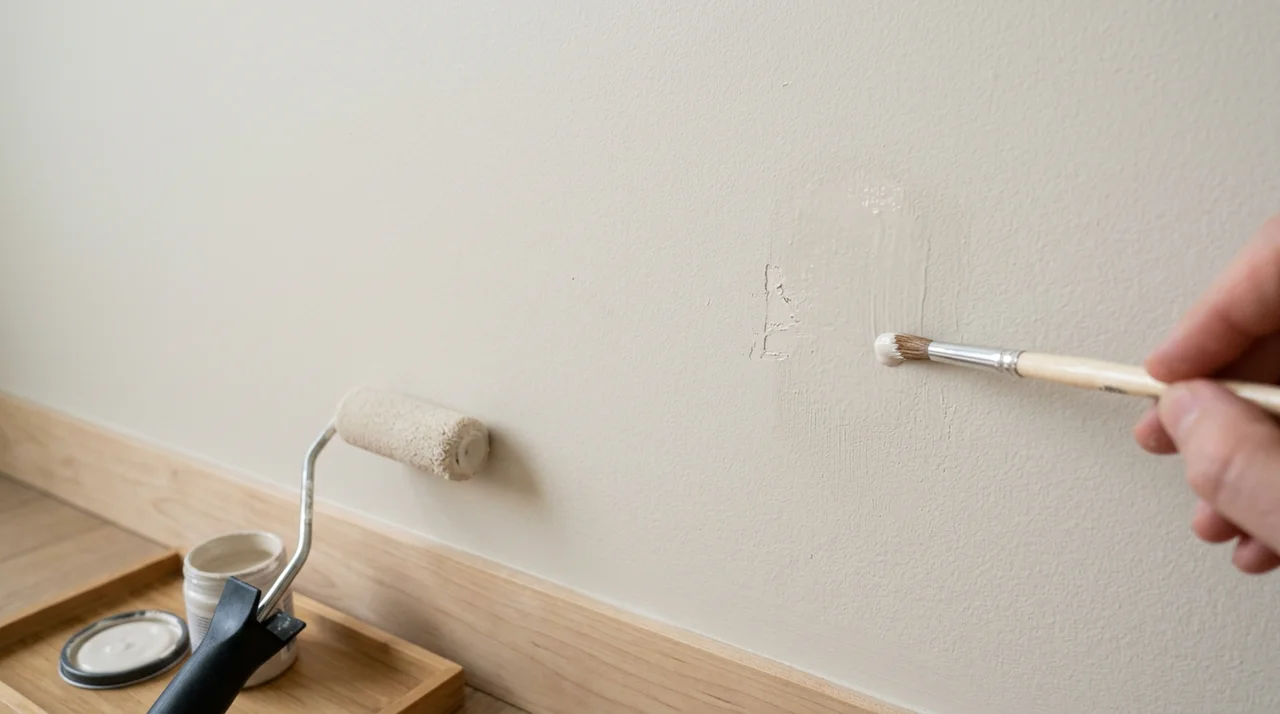


I've stood in front of a freshly painted wall, wondering, "Can I touch this yet?" If you've been there too, this article is for you.
How long does it take exterior paint to dry fully? The short answer is anywhere from a few hours to 30 days, depending on the paint type and conditions.
I'll cover what "fully dry" actually means, exact timelines for different paint types, the factors that slow or speed up drying, and simple tips to get better results.
With years of painting experience, I know how much one wrong step can cost you. Read on and get it right the first time.
What Does "Fully Dry" Mean in Exterior Painting?
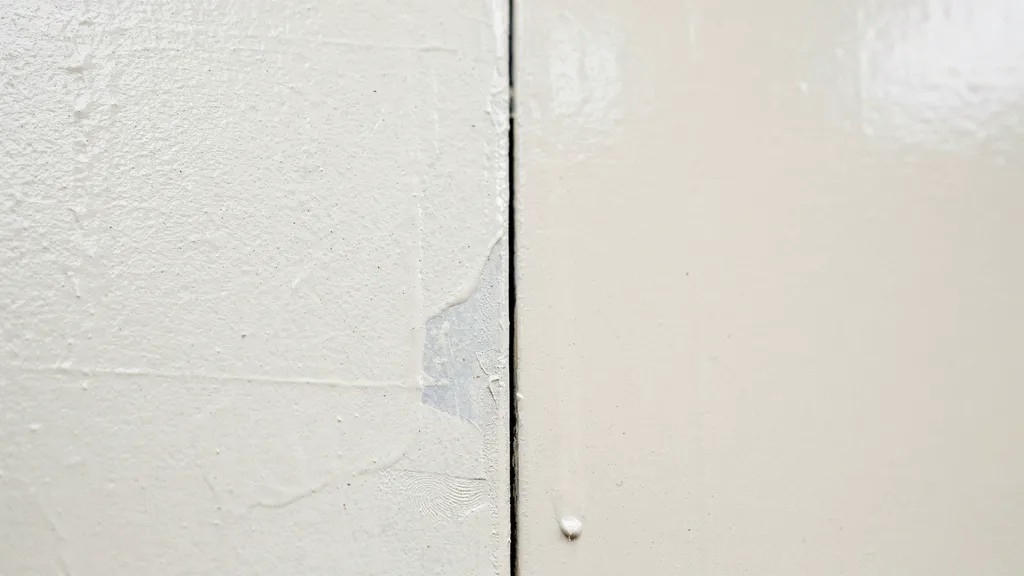
Dry and cured are not the same thing, and knowing the difference protects your work. Dry to touch means the surface feels dry when you lightly press it, but the paint is still soft inside.
Fully cured means the paint has hardened all the way through at a chemical level, which can take days or even weeks.
Exterior surfaces take a beating from rain, wind, sun, and dirt every day. If the paint hasn't fully cured, it can scratch, peel, or fade much faster.
Using a surface too soon can leave marks, dents, or scuffs. Washing or scrubbing early can lift the paint entirely. Patience here saves you from repainting later.
How Long Does It Take Exterior Paint to Dry Fully?
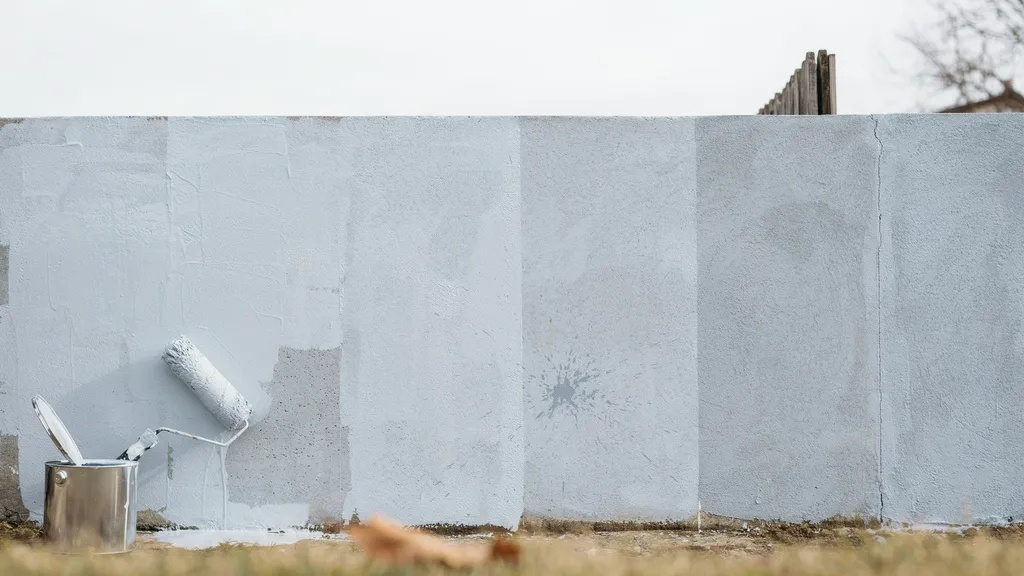
Timelines vary by paint type. Here's a clear breakdown so you can plan ahead.
Latex (Water-Based) Paint Timeline
Latex paint is the most common choice for exteriors. Here's what to expect
- Dry to touch: 1-3 hours
- Recoat time: 4-6 hours
- Full cure: up to 30 days
It dries fast but needs weeks to reach full hardness. Don't judge it by how it looks at hour three.
Oil-Based Paint Timeline
Oil-based paint takes longer at every stage
- Dry to touch: 6-8 hours
- Recoat time: 24 hours
- Full cure: 7-14 days
It cures faster than latex overall but needs much more wait time between coats.
Key Factors That Affect Full Drying Time
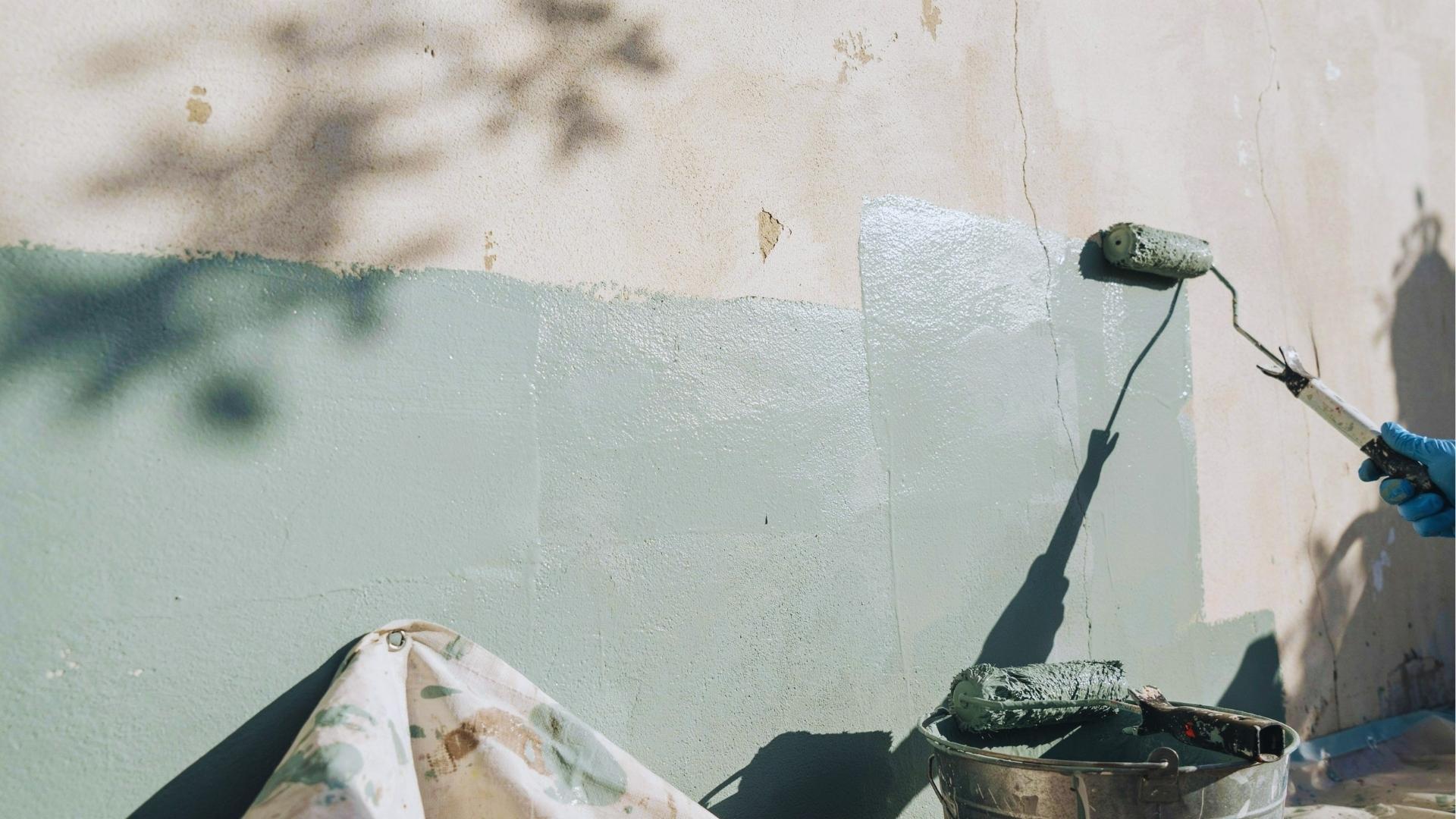
Several things outside can control how fast your paint dries. Here's what matters most.
Temperature and Weather Conditions
Paint dries best between 50°F and 85°F. Too cold, and the paint won't cure properly. Too hot, and it dries too fast, causing cracks or bubbles. Always check the forecast before you start.
Humidity Levels and Moisture
High humidity slows drying. Moisture in the air stops water from leaving the paint film. Try to paint when humidity is below 70%.
Avoid painting after rain or early in the morning when dew is still on surfaces.
Surface Type and Porosity
Rough or porous surfaces absorb more paint and take longer to dry. Smooth surfaces like primed wood or vinyl dry faster. Always prep your surface before painting for better results.
Paint Thickness and Application Method
Thick coats trap moisture and slow drying. Thin, even coats dry much faster. Rollers tend to apply thicker coats than brushes or sprayers, so keep an eye on coverage.
Airflow and Ventilation
Moving air helps moisture leave the paint film. A light breeze speeds up drying. Painting in still, humid air with no wind can double your drying time.
Ideal Conditions for Faster Full Drying
The right conditions make a big difference. A little planning goes a long way.
Best Temperature Range (50°F-85°F)
This range gives paint the best chance to dry evenly. Below 50°F, the paint may not bond well. Above 85°F, it dries too fast on the surface and traps moisture underneath.
Recommended Humidity Levels
Keep humidity between 40% and 70% for best results. Use a simple weather app to check before you start. If it's raining or foggy, wait.
Best Time of Day and Season to Paint
Mid-morning to early afternoon is ideal. The surface is dry, the sun isn't at peak heat, and temperatures are stable. Late spring and early fall offer the best overall conditions in most regions.
When Is It Safe to Use or Touch Painted Surfaces?

Knowing when it's safe to use your surfaces helps avoid costly mistakes.
Light Use vs Full Durability
You can lightly touch the surface after a few hours. But avoid pressure, friction, or heavy contact for at least a week. Full strength comes only after the paint fully heals.
When You Can Clean or Wash the Surface
Wait at least 30 days before scrubbing or pressure washing latex paint. For oil-based paint, wait at least 14 days. Cleaning too soon strips or dulls the finish.
When Paint Is Ready to Withstand Weather
Most exterior paints can handle light rain after 24 hours. But they aren't fully weather-resistant until fully cured. Avoid painting when rain is expected within 24 hours.
Common Mistakes That Delay Full Drying
These simple mistakes can set your project back by days. Avoid them.
Applying Thick Coats
More paint does not mean better coverage. Thick coats hold moisture longer and may crack as they dry. Always apply two thin coats instead of one heavy coat.
Painting in Poor Weather Conditions
Painting in cold, humid, or rainy weather is one of the biggest mistakes. It can ruin the finish and cause peeling within weeks. Check the weather two days ahead before you plan to paint.
Rushing Between Coats
Applying a second coat before the first dries can cause lifting, wrinkling, or poor adhesion. Follow the recoat window on the label. Skipping this step costs more time in the long run.
Ignoring Manufacturer Instructions
Every paint brand gives specific drying times on the label. These are based on testing. Follow them closely, especially for recoat and cure windows.
Tips for Faster Drying and Long-Lasting Results
Small changes in how you apply and care for paint make a big difference from start to finish.
- Apply thin, even coats. Two light coats dry faster and bond better than one thick coat. Always let each layer dry fully first.
- Improve airflow and plan around the weather. Good air circulation speeds up drying. Check the forecast and pick days with clear skies and low humidity.
- Choose high-quality paint. Premium paints dry and cure faster while holding up better to weather. Spending more upfront saves you money later.
- Allow full curing before heavy use or washing. Wait the full cure time before pressure washing or placing items against the wall.
- Maintain and inspect regularly. Rinse surfaces gently once a year and check for cracks or peeling to avoid a costly full repaint.
Conclusion
Now you know exactly how long exterior paint takes to dry fully, and more importantly, what to do about it. I've learned the hard way that rushing a paint job never ends well.
Waiting those extra days before washing or heavy use makes a real difference. Trust the process. Your walls will thank you.
Did this help you plan your project better? Drop a comment below, share this with someone painting their home, or check out our other guides on exterior home care.
Frequently Asked Questions
Can I apply a second coat after 2 hours?
For latex paint, the recoat window is usually 4-6 hours. Applying a second coat too soon can cause the layers to lift or wrinkle. Always follow the label instructions.
What happens if it rains on fresh exterior paint?
Light rain after 24 hours is usually fine. But rain within the first few hours can wash away or streak the paint. Check the forecast and plan ahead.
Does sunlight speed up exterior paint drying?
Moderate sunlight helps. But direct, intense sun on a hot day can cause the surface to dry too fast while moisture stays trapped inside. Aim for shaded or partly sunny conditions.
How can I tell if exterior paint is fully cured?
Press a fingernail lightly into a hidden area. If it leaves a mark, the paint isn't fully cured yet. Fully cured paint will feel hard and show no dent.
Does wind help paint dry faster?
Yes, a light breeze helps moisture leave the paint film faster. Strong wind, though, can carry dust and debris onto the wet surface. Mild airflow is ideal.