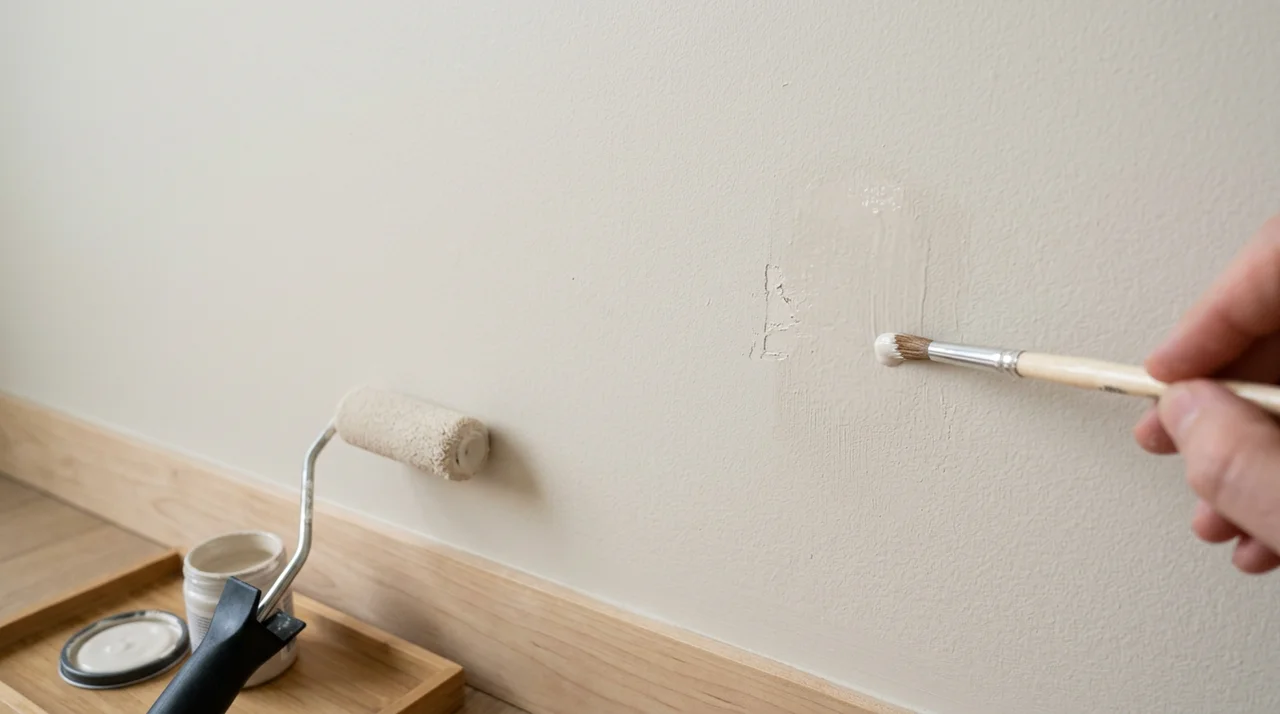


How long does it take to paint a house exterior?
I get this question a lot, and the honest answer is:it depends.
Most homes take 3 to 7 days, but that number can shift based on size, weather, and how much prep work is needed.
In this article, I'll walk you through average timelines by house size, the step-by-step process, factors that slow things down, and tips to plan your project right.
I've spent years working around paint, ladders, and unpredictable weather, so I know what actually affects the timeline.
You'll leave here with real answers, not guesswork, and a clear plan to move forward with confidence.
Exterior Painting Timeline Overview
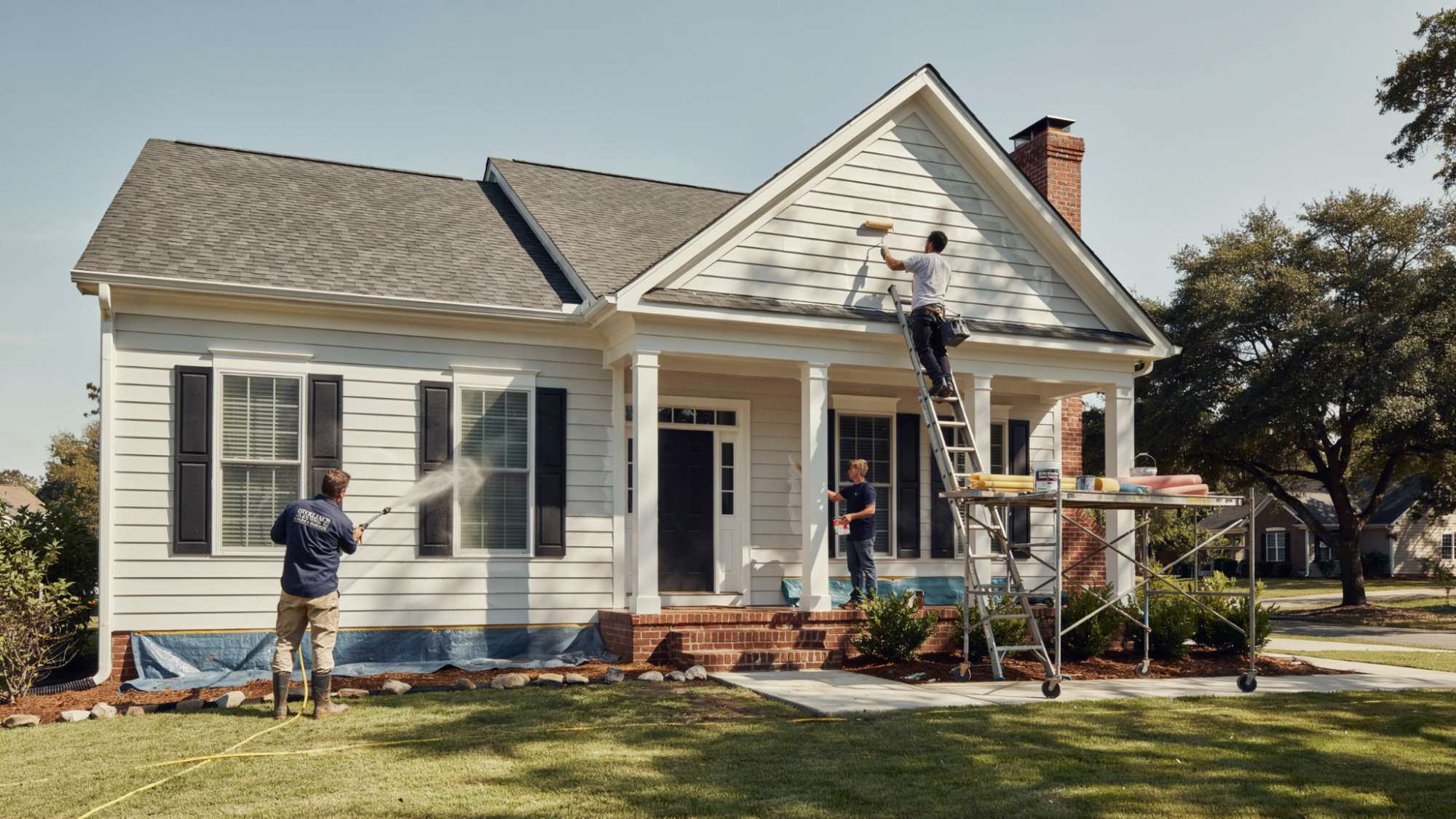
A quick look at how long the full process usually takes from start to finish. Most house exteriors take 3 to 7 days to paint. Larger or more complex homes can take 5 to 10 days or more.
The timeline breaks into three main phases, prep, painting, and cleanup. Prep work typically covers Day 1 to 2, painting runs from Day 3 to 5, and cleanup with final inspection wraps up on Day 6 to 7.
Each phase builds on the last, so skipping any one of them creates problems down the line.
Knowing this breakdown helps you set realistic expectations before the first brush ever touches your wall.
Average Time Based on House Size
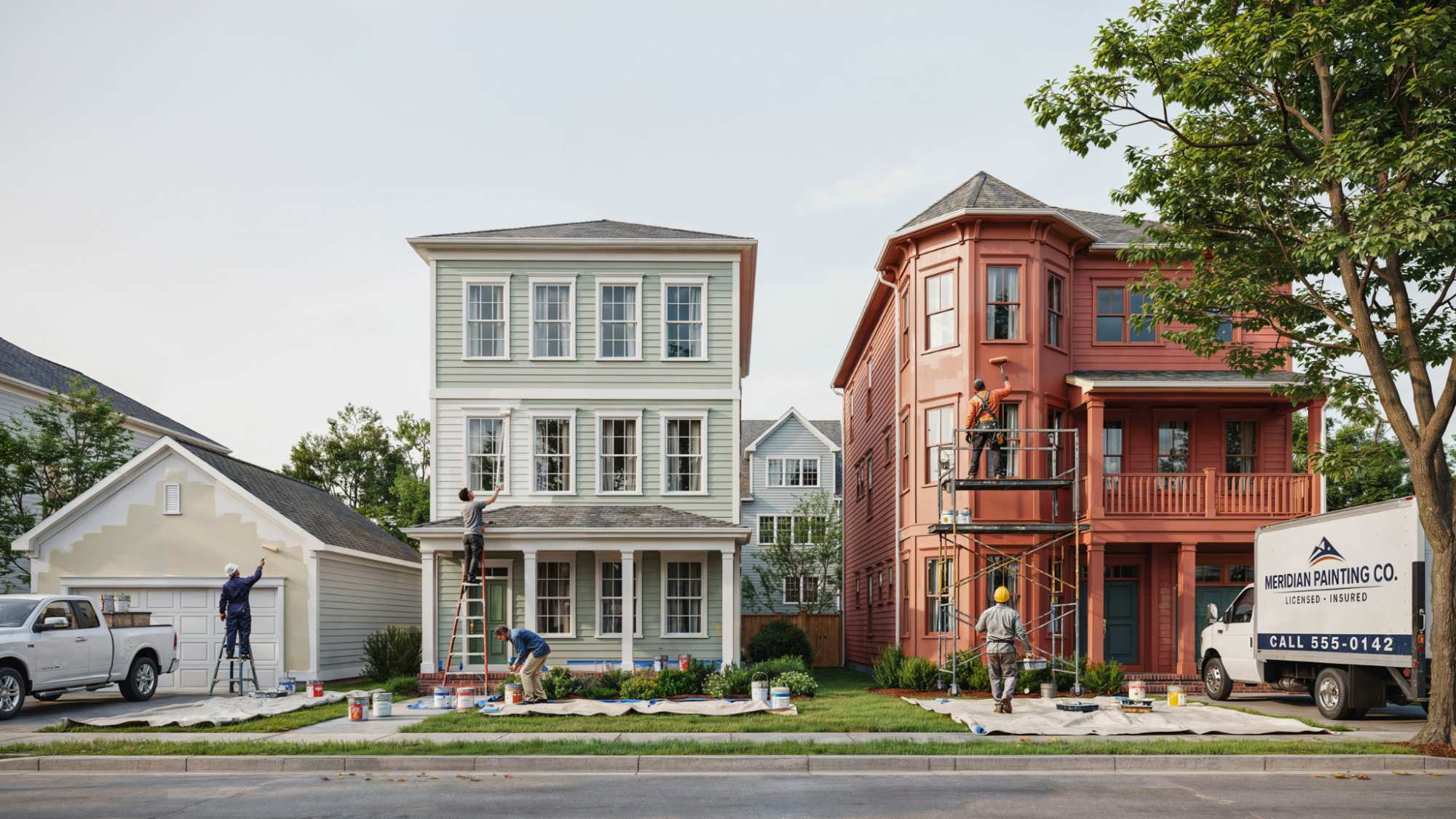
House size plays the biggest role in how long the job takes.
Small Homes (Under 1,500 sq ft)
Small homes usually take 2 to 5 days. There's less surface area, fewer details, and the crew can move fast. A single painter can often handle this size in under a week.
Medium Homes (1,500 to 2,500 sq ft)
Expect 3 to 7 days for a mid-size home. This is the most common range. It includes time for full prep, two coats of paint, and a final walkthrough.
Large Homes (Over 2,500 sq ft)
Large homes can take 5 to 10 days or more. More walls mean more time. Add intricate trim or multiple stories, and the timeline stretches further.
Step-by-Step Exterior Painting Process Timeline
Each phase of the project adds to the total time, so knowing what happens helps you plan.
Preparation (Day 1-2)
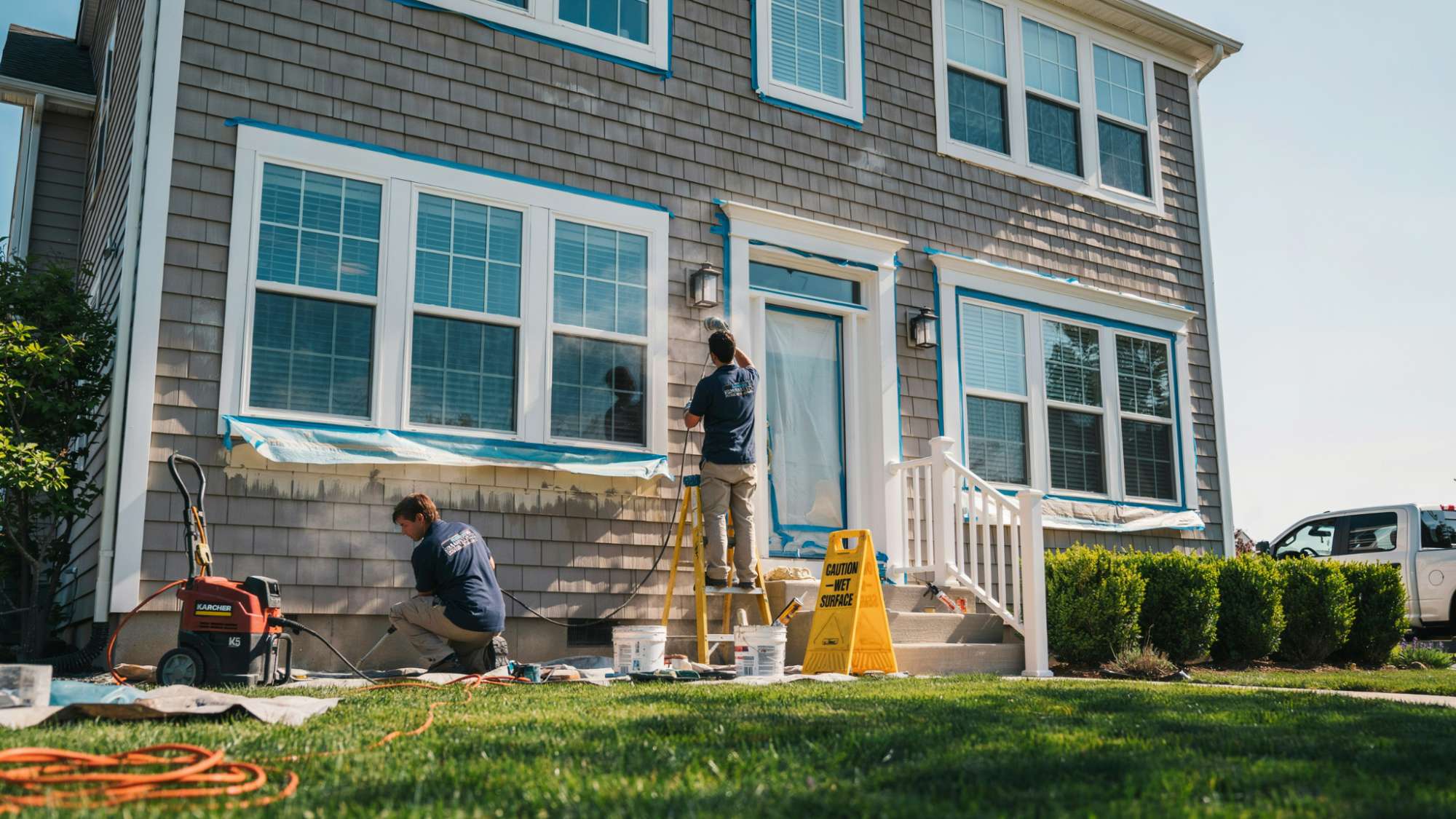
Prep is the most important part. It includes
- Pressure washing the entire surface
- Scraping off old, peeling paint
- Sanding rough spots
- Filling cracks and repairing damaged areas
- Taping windows, doors, and trim
Good prep means the paint sticks better and lasts longer. Rushing this step causes problems.
Painting (Day 3-5)

Once surfaces are dry and clean, painting begins. A full exterior job includes
- A coat of primer (especially on bare wood or repaired spots)
- First coat of exterior paint
- Second coat after the first dries completely
Drying time between coats matters. Applying the second coat too soon causes peeling.
Cleanup and Inspection (Day 6-7)

The final phase includes
- Removing tape and coverings
- Touch-ups on missed spots
- A full walkthrough to check quality
- Cleaning up tools and the job site
This step doesn't take long, but it makes a big difference in the final result.
Key Factors That Affect Painting Time
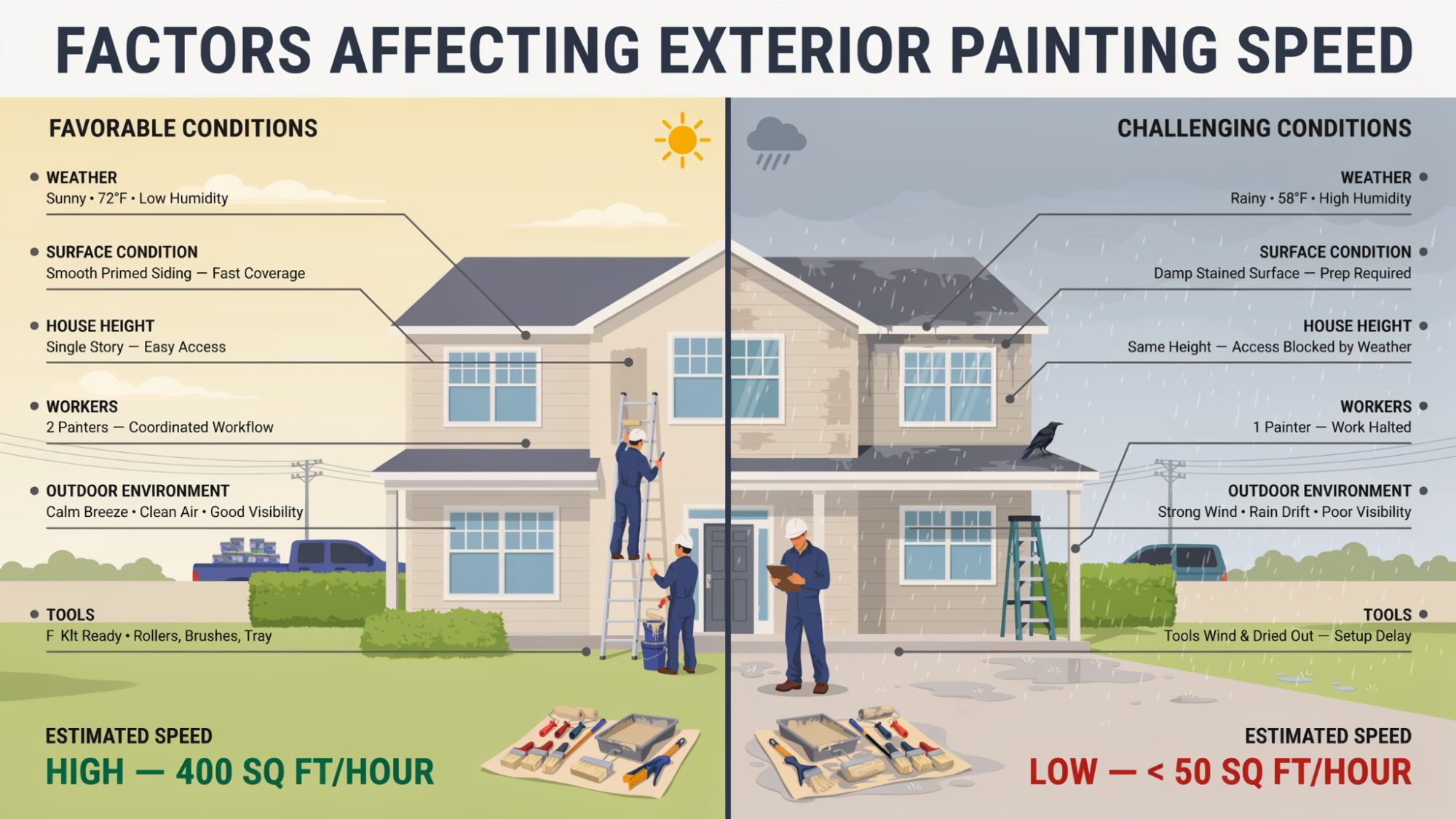
Several things can speed up or slow down any exterior painting project.
Weather Conditions
Rain, high humidity, and extreme heat all delay painting. Paint needs dry conditions to stick and cure properly. A rainy week can push the whole project back by several days.
Surface Condition and Prep Work
Older homes often need more prep. Lots of peeling paint, rot, or cracks mean extra scraping, patching, and drying time. A home in poor condition can add 1 to 3 extra days to the job.
Exterior Materials
Different surfaces absorb paint differently
- Wood siding soaks up more paint and may need extra coats
- Brick is porous and takes longer to prep and paint
- Vinyl or fiber cement siding is smoother and usually faster to coat
Home Design and Accessibility
Tall homes need ladders or scaffolding. Lots of trim, shutters, or architectural details slow things down. Tight spaces around fences or landscaping also add time.
Number of Painters
A crew of two to three painters can cut the timeline nearly in half compared to one person. Professional crews also have better tools and work more efficiently.
How Weather Impacts Exterior Painting Duration
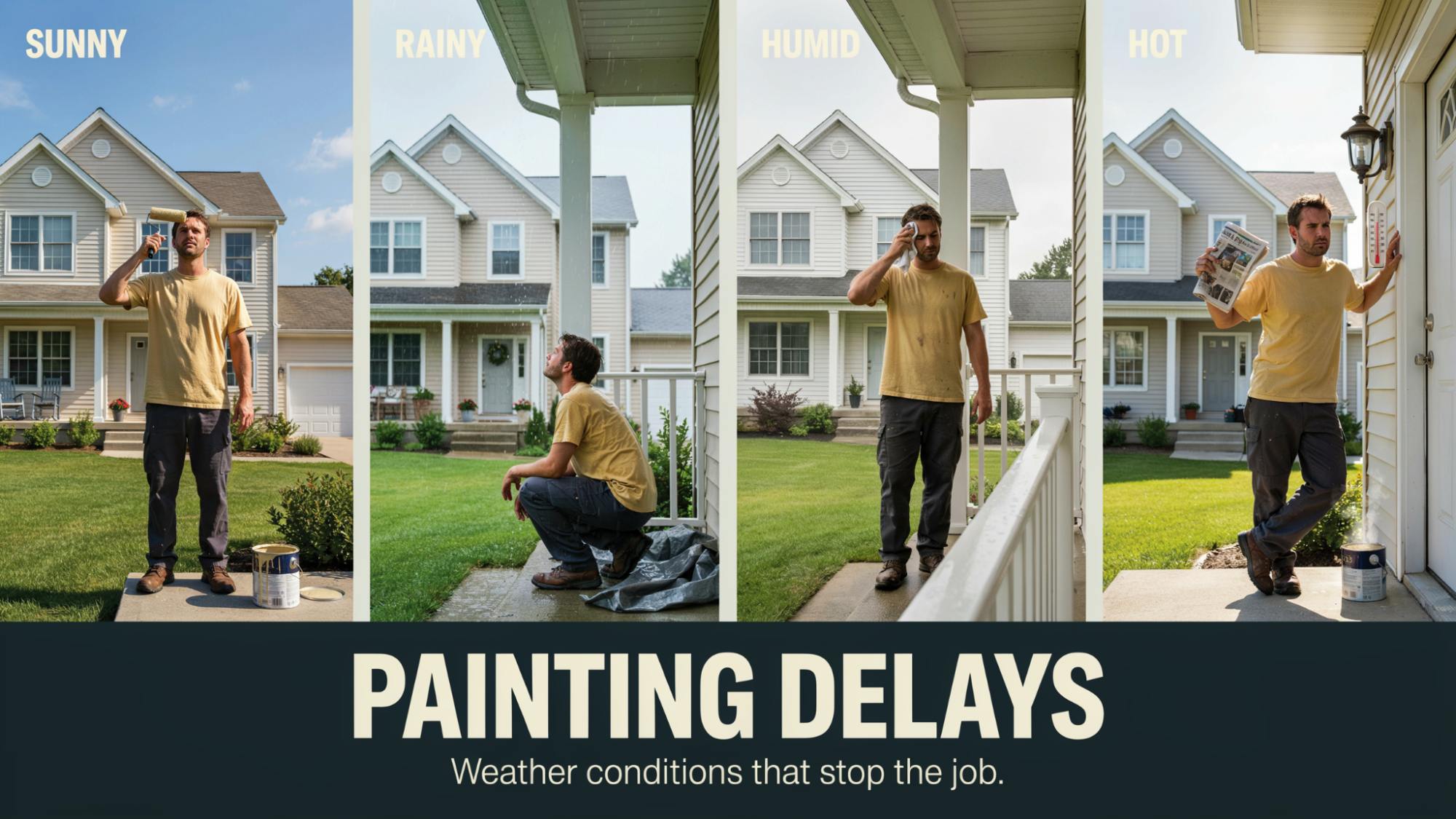
Weather can make or break your painting schedule, so timing matters.
Best Seasons for Exterior Painting
Spring and fall are the best times to paint outside. Temperatures stay mild, humidity is lower, and rain is less frequent. Aim for days with temperatures between 50°F and 85°F.
Weather-Related Delays
Here's what causes delays
- Rain: Paint won't bond on wet surfaces
- High humidity: Slows drying time significantly
- Extreme heat: Paint dries too fast and can blister
- Cold temperatures: Paint won't cure properly below 50°F
Always check the forecast for at least 48 hours ahead before starting.
General Tips to Plan Your Exterior Painting Project
A little planning upfront saves time and money in the long run.
- Schedule during dry weather Look for at least 5 to 7 clear days in a row. Do not start if rain is expected within the next 24 hours.
- Never skip prep work Prep decides how long your paint job holds up. Good prep means fewer touch-ups and a cleaner finish overall.
- Use quality materials Cheap paint fades fast and often needs an extra coat. Spending a little more on good paint and primer saves money later.
- Hire professionals for faster results A skilled crew works quicker, stays safer at heights, and spots problems you might miss on your own.
- Plan your timeline realistically. Rushing the job leads to poor results. Give the project enough time so each phase gets the attention it needs.
Conclusion
So, how long does it take to paint a house exterior? For most homes, plan on 3 to 7 days. Prep work and weather have the biggest impact on your timeline.
I've seen rushed paint jobs fail within a year. When you take the time to plan well, the results last. If you're getting ready for your own project, start with the weather forecast and don't skip prep.
Got questions? Drop them in the comments below. I'd love to help you plan your project the right way.
Frequently Asked Questions
How many coats of paint does a house exterior need?
Most exteriors need two coats of paint. If you're covering a dark color or painting over bare wood, you may need a primer coat first.
Can one person paint a house exterior alone?
Yes, but it takes much longer. A single painter on a medium-size home may need 7 to 10 days. Hiring a small crew is faster and safer for multi-story homes.
How long should I wait between coats of exterior paint?
Most exterior paints need 4 to 6 hours between coats. Check the label on your paint can, as drying times vary by brand and weather conditions.
Does the type of paint affect how long the job takes?
Yes. Thicker paints cover better in one coat, which saves time. Cheaper paints often need an extra coat, adding at least half a day to the project.
How long does exterior paint take to fully cure?
Paint may feel dry in a few hours, but it takes 14 to 30 days to fully cure. Avoid scrubbing or heavy contact with painted surfaces during that time.