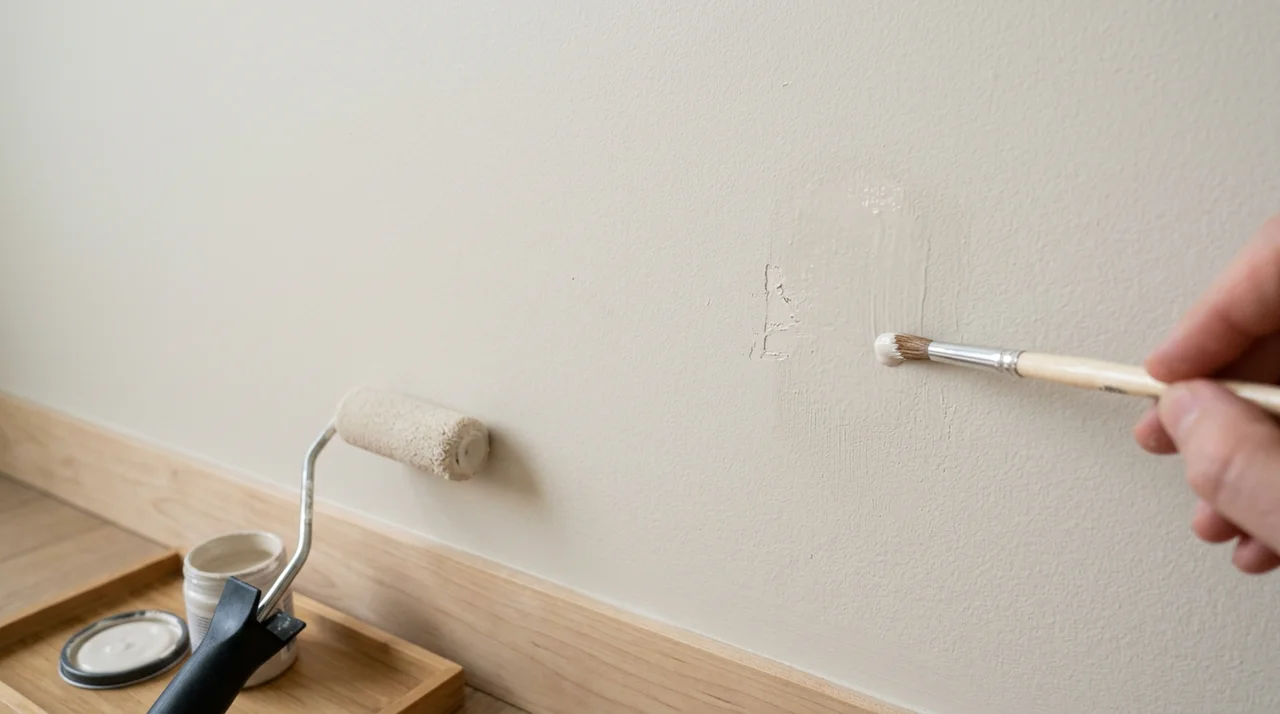


When I first primed new drywall, I skipped a coat thinking it would save time. Big mistake. The paint looked uneven and patchy, and I had to redo the whole thing.
How many coats of primer on new drywall do you actually need? That is a question most DIYers ask, and the answer matters more than you think.
In this blog, I will cover the right number of coats, the best primers to use, step-by-step application tips, and mistakes to avoid.
With over a decade of hands-on experience, I am here to help you get it right the first time.
How Many Coats of Primer on New Drywall Do You Really Need?
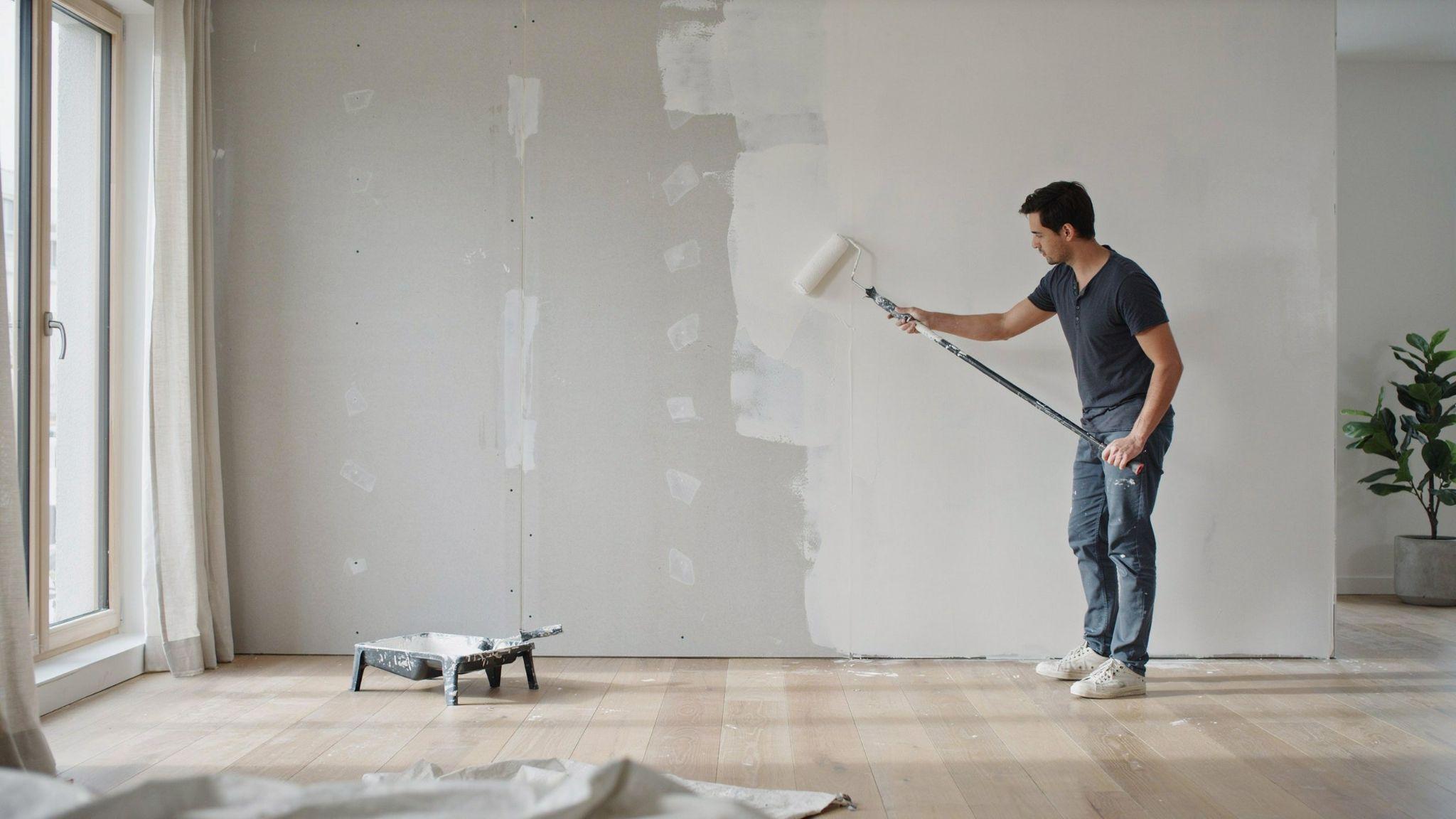
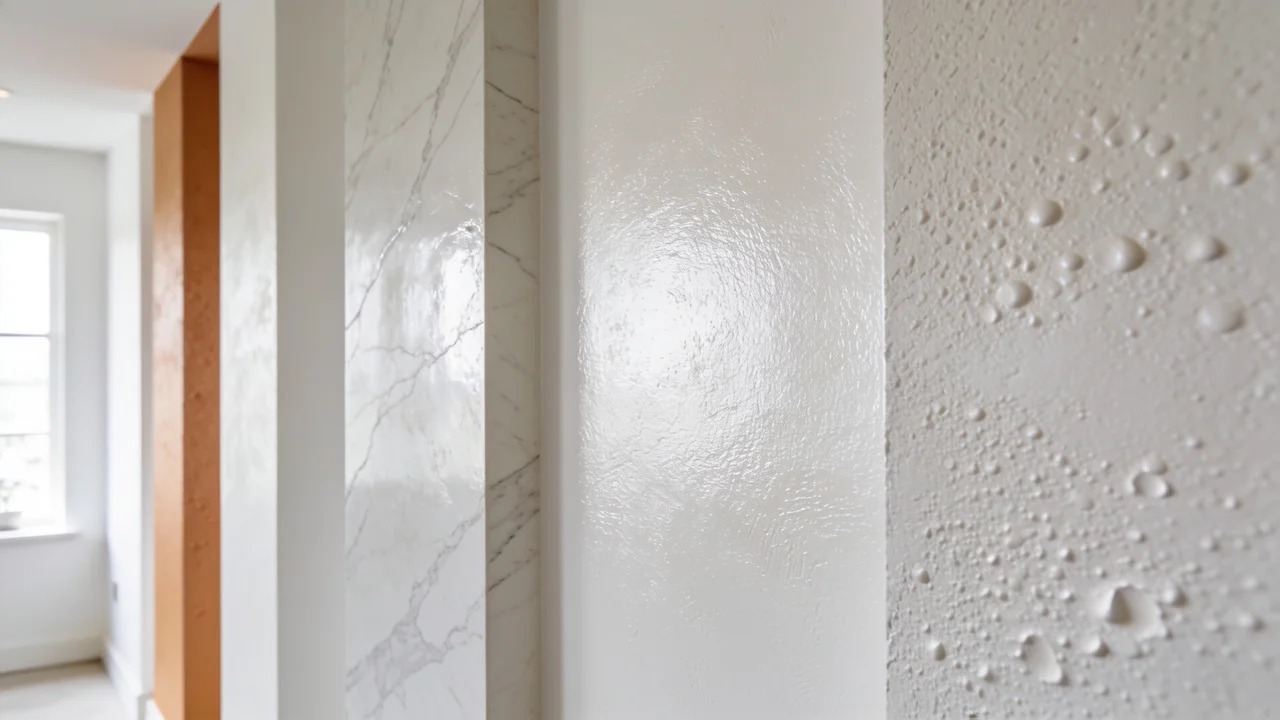
Run your hand lightly across the primed surface and look at it under a raking light held at a low angle.
If you spot dull or shiny patches scattered across the wall, the primer has absorbed unevenly into the paper face and joint compound.
Dull spots soaked up more primer, while shiny spots show where it sat on top. Any area that looks inconsistent needs another coat before you paint.
This quick check takes only a few minutes but saves you from a blotchy paint job that is hard to fix once the color goes on.
Why Priming New Drywall Is Important Before Painting
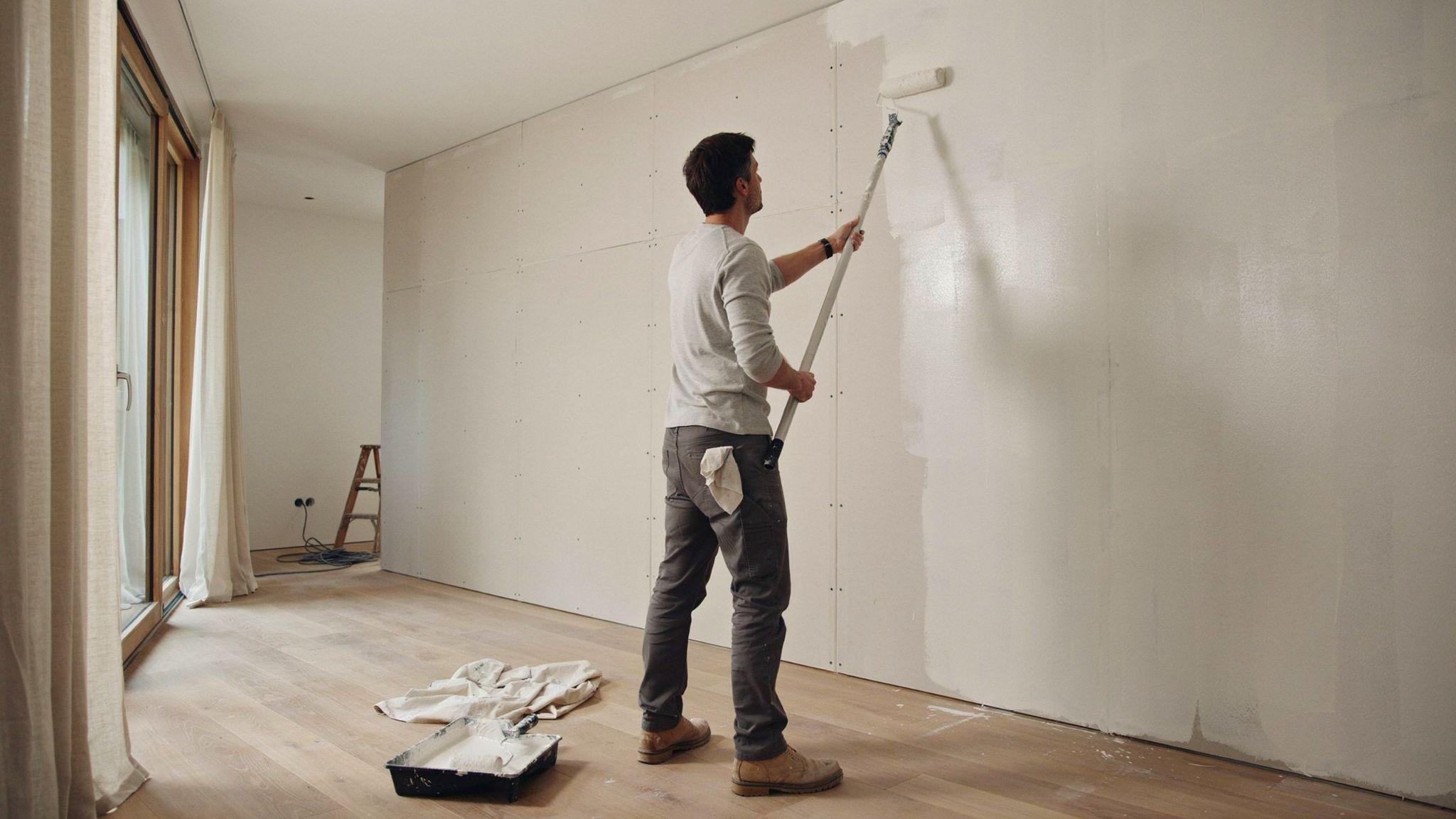
Skipping primer on new drywall is one of the most costly mistakes a painter can make.
How New Drywall and Joint Compound Absorb Paint
New drywall paper is highly absorbent. The joint compound used at seams and corners is even more so.
Without primer, paint soaks into these areas at different rates. This creates a blotchy, uneven finish that no amount of extra paint coats can fix properly.
The Benefits of Using Primer on Fresh Drywall
Primer acts as a sealer. It fills in the tiny pores of the drywall surface and creates a uniform layer for paint to stick to.
This leads to better adhesion, truer color, and a longer-lasting finish. You also end up using less paint because the primed surface does not soak it up as fast.
What Happens If You Skip the Primer
If you paint directly on new drywall, the paint absorbs unevenly. You will see flat, dull spots where the paper sucked in too much paint.
The seams and patched areas will look different from the rest of the wall. No matter how many coats of paint you add, the results will be disappointing without a proper primer base.
Choosing the Best Primer for New Drywall
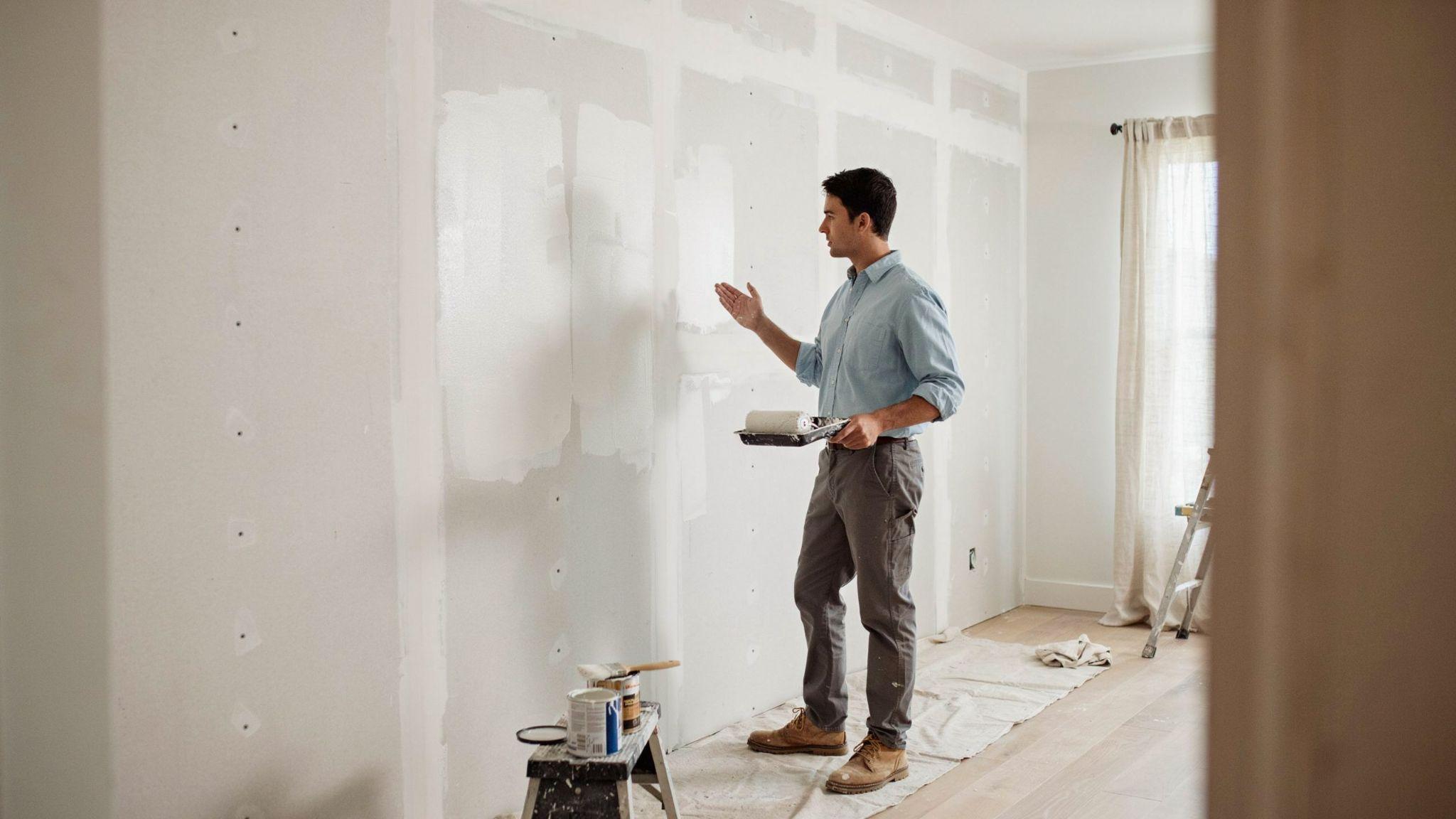
The right primer makes a big difference in how your finished wall looks and holds up over time.
What Is PVA Primer and Why Is It Recommended?
PVA stands for polyvinyl acetate. It is designed specifically for new drywall. PVA primer seals the porous surface fast and creates a strong, even base.
It is water-based, dries quickly, and is easy to clean up. If you are working with new drywall, PVA primer is the go-to choice.
Latex Primer vs. Oil-Based Primer
Latex primer is easy to use, dries fast, and works well for most drywall jobs.
Oil-based primer offers stronger stain blocking and adhesion, but it takes longer to dry and requires mineral spirits for cleanup.
For new drywall with no stains or odors to cover, latex primer is usually the better option.
Features to Look for in a Quality Drywall Primer
Look for a primer that specifically mentions "drywall" or "new surfaces" on the label. It should be low-VOC if you are working indoors.
Good hide and fast dry time are also worth checking. A thick, high-build formula is helpful if your drywall has minor texture variations.
Can Paint and Primer in One Replace Drywall Primer?
Not really. Paint-and-primer-in-one products are made for walls that have already been painted before.
They do not seal new drywall the way a dedicated primer does. Using them on fresh drywall can still result in uneven absorption and a patchy finish.
Stick with a real drywall primer for new surfaces.
Common Priming Mistakes That Ruin Paint Results
Avoiding these mistakes is just as important as following the right steps.
- Applying primer too thin leaves the surface under-sealed and causes uneven paint absorption.
- Skipping sanding and surface prep leads to rough spots and bumps that show through paint.
- Painting before the primer fully dries causes bubbling, peeling, and poor adhesion.
- Ignoring seams and patched areas results in dull, uneven spots in your final paint color.
- Using the wrong primer on new drywall means the surface never gets properly sealed, no matter how many coats of paint you apply.
How Long Does It Take to Prime New Drywall?
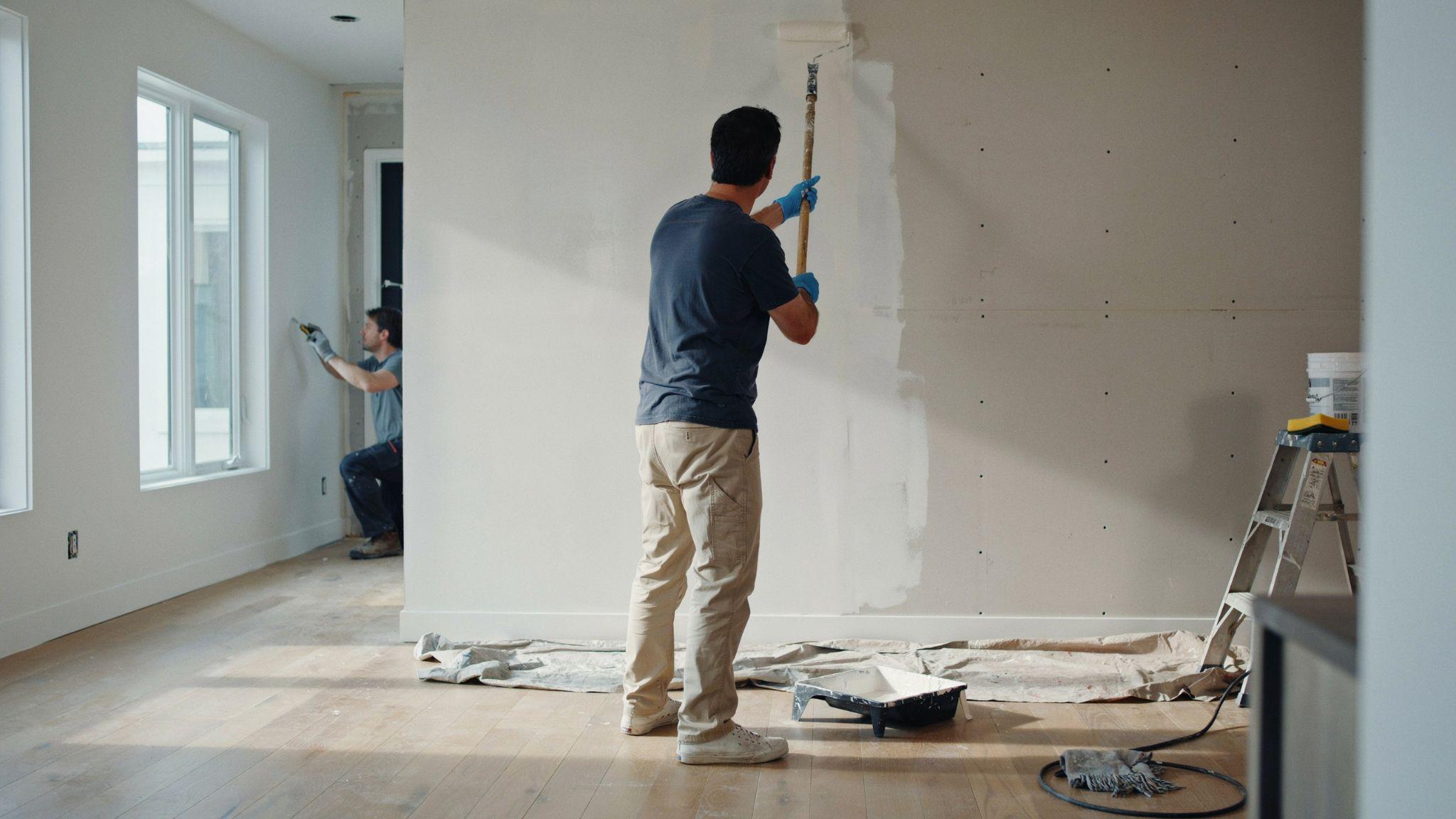
Knowing how long the priming process takes helps you plan your project and avoid rushing between coats.
Time Needed to Apply Each Coat of Primer
Rolling a full coat of primer on an average room takes about 30 to 45 minutes.
Cutting in along edges and corners adds another 15 to 20 minutes. Having your tools ready before you start keeps the process moving without wasted time.
How Room Conditions Affect Drying Time
High humidity and cold temperatures slow down primer drying significantly.
A warm room with good airflow speeds things up. Open windows or run a fan to help the primer dry evenly and on schedule.
Expert Tips for a Smooth and Long-Lasting Finish
Small habits done consistently lead to professional-quality results every time.
- Test the primed wall under a raking light before painting to spot any uneven absorption.
- Use a quality microfiber roller for even coverage and a cleaner finish.
- Spot-prime any dull or patchy areas and let them dry fully before moving on.
- Always follow the manufacturer's dry time, especially in cold or humid rooms.
- Lightly sand between coats with fine-grit sandpaper and wipe away all dust before painting.
Conclusion
After painting enough rooms to know what works, I can say this with confidence:two coats of primer on new drywall is the right call in most cases.
It gives you even coverage, better paint adhesion, and a finish that actually lasts.
Good prep work and the right primer make all the difference. If you take the time to do it properly, the final result will show it.
Got questions or tips of your own? Drop them in the comments below. I would love to hear how your project turns out. Share this post if it helps someone you know.
Frequently Asked Questions
How Long Should Primer Dry Before Painting?
Most drywall primers are dry to the touch within one to two hours. For best results, wait at least four hours or follow the label directions. In high humidity, give it longer.
Do I Need to Sand After Priming?
Light sanding with 220-grit sandpaper after the first coat of primer can smooth out any raised fibers or rough spots. Wipe away the dust before applying the next coat.
Can You Paint New Drywall Without a Primer?
Technically yes, but the results will be poor. Paint absorbs unevenly into raw drywall and creates a blotchy, uneven look. Priming first is always the better choice.
What Happens if Primer Looks Patchy?
Patchy primer means the surface is absorbed unevenly. Let it dry fully, then apply another coat in those areas. Do not paint over patchy primer.
How Much Primer Do I Need for New Drywall?
One gallon of primer typically covers around 250 to 400 square feet, depending on the brand and surface condition. For two coats in a standard room, plan on at least two gallons.