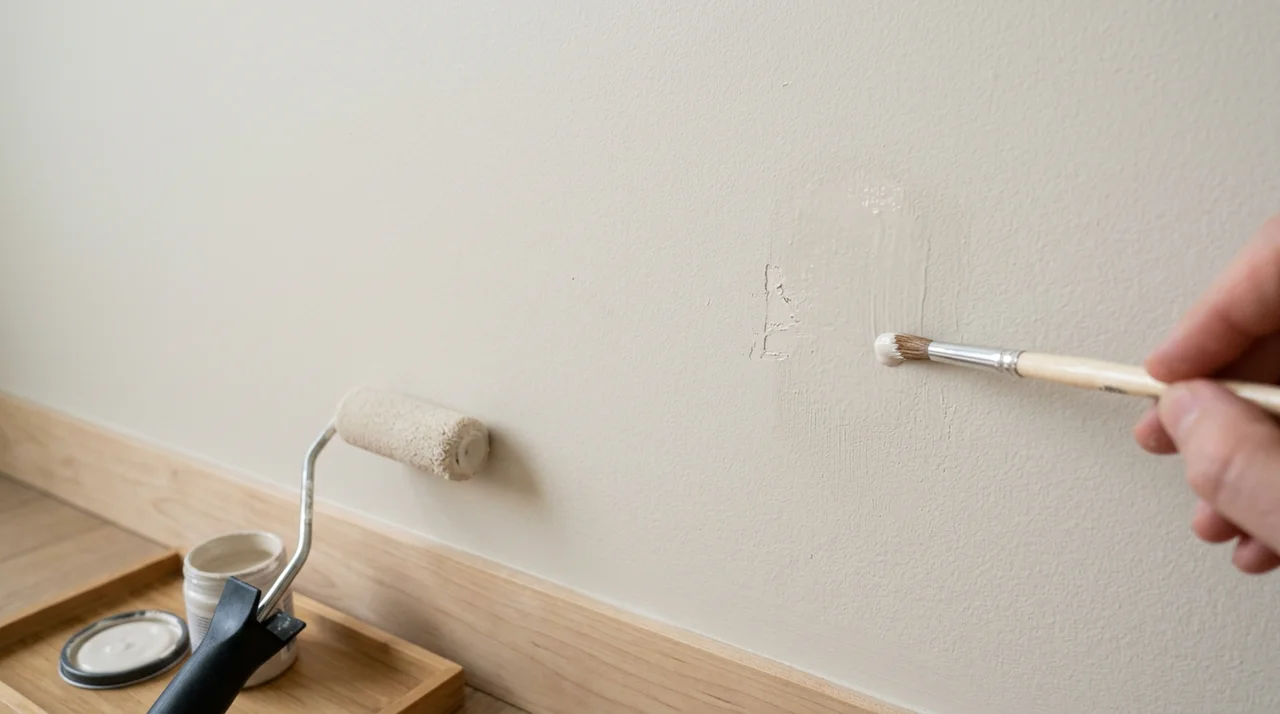


I've seen what happens when homeowners skip exterior repainting for too long. The paint peels, wood rots, and repair bills grow fast.
Knowing how often to paint a house 's exterior can save you real money and protect your home's structure from serious damage.
In this blog, I'll cover the average paint lifespan, clear signs your home needs repainting, how your siding material and local climate affect timing, and simple tips to make paint last longer.
With years of hands-on experience in home maintenance, I've helped many homeowners build smarter repainting schedules.
You'll walk away with clear, straightforward answers you can act on right away.
Why Repainting Your Home's Exterior Matters
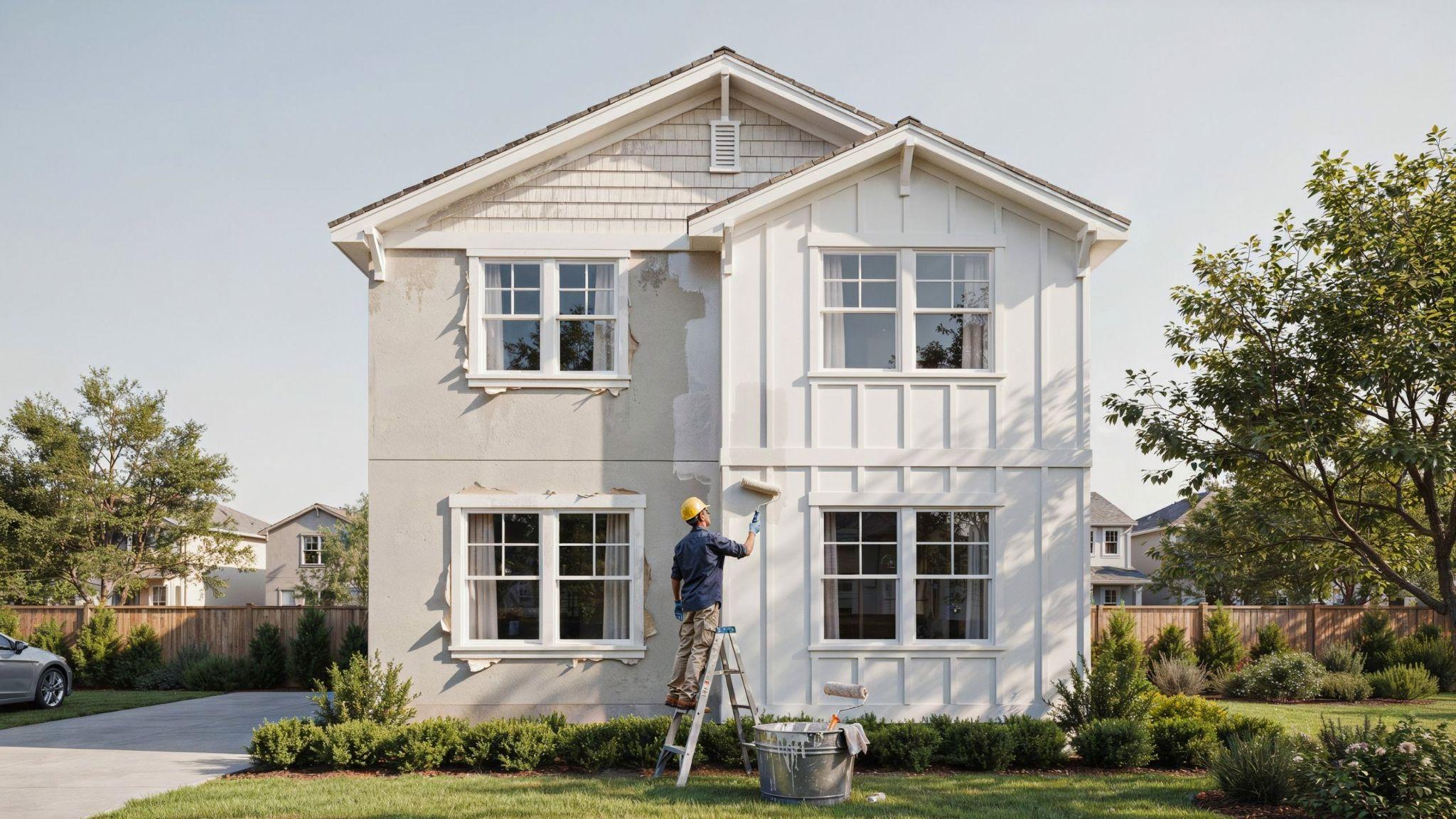
Skipping exterior paint care puts your home at real risk of damage, not just dull looks.
Exterior paint does more than make your home look good. It acts as a shield against rain, sun, wind, and moisture.
When that shield breaks down, water can seep into walls, wood can start to rot, and repair costs can climb fast.
The average exterior paint job lasts anywhere from 5 to 10 years. That range depends on the type of surface, the quality of paint used, and the climate where you live.
Repainting at the right time keeps your home's value up and prevents costly damage down the road.
How Often to Paint House Exterior? A Quick Answer

Most homes need a fresh coat of exterior paint every 5 to 10 years, but your home may need it sooner.
The Average Repainting Timeline for Most Homes
For most homes, repainting every 5 to 10 years is a solid starting point. However, that number can shift based on where you live and how well the previous paint job was done.
Recommended Repainting Frequency by Exterior Material
Different materials wear at different rates. Wood may need repainting every 3 to 7 years. Vinyl can go 10 to 15 years.
Stucco typically needs work every 5 to 10 years. Brick and fiber cement fall somewhere in between.
Why There Isn't a One-Size-Fits-All Schedule
Your neighbor may repaint every 5 years while you go 10 years with no issues.
That comes down to sun exposure, humidity, the type of paint used, and how well the surface was prepared before painting.
Factors That Affect How Often You Need to Paint Your House Exterior

Several conditions speed up paint wear, and knowing them helps you plan ahead before damage sets in.
Climate and Weather Conditions
Homes in areas with heavy rain, snow, or strong winds tend to need repainting more often.
Moisture is one of the biggest enemies of exterior paint. It causes cracking, peeling, and mold growth over time.
Sun Exposure, Humidity, and Temperature Extremes
Direct sunlight fades paint quickly. High humidity traps moisture against the surface.
Extreme heat and cold cause paint to expand and contract, which leads to cracking much sooner than expected.
Salt Air, Pollution, and Heavy Traffic Exposure
Homes near the ocean are exposed to salt air, which breaks down paint faster. Pollution from heavy traffic or industrial areas also speeds up fading and surface damage.
Surface Preparation and Ongoing Maintenance
A rushed paint job with poor prep will not last. Surfaces need to be clean, dry, and free of old peeling paint before applying anything new.
Skipping this step cuts the life of your paint job in half.
The Impact of Paint Quality on Longevity
Cheap paint fades and cracks faster. Higher-quality exterior paint costs more upfront but lasts years longer.
It's worth spending a bit more to avoid repainting every few years.
How Often to Paint House Exterior Based on Siding Material
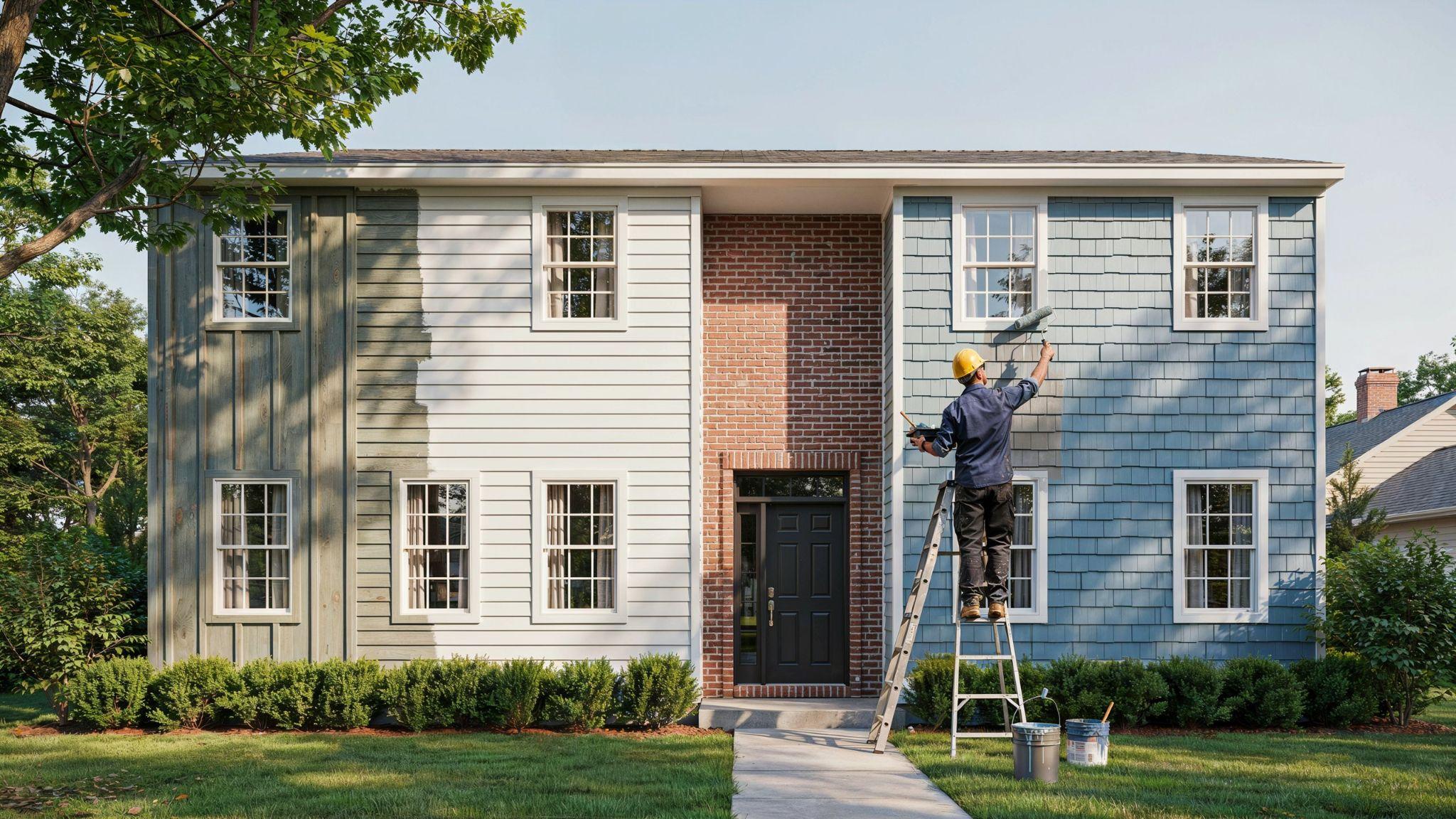
The type of siding your home has played a big role in how often repainting is needed.
Wood Siding: Every 3 to 7 Years
Wood is the most high-maintenance material. It absorbs moisture and expands in heat. Without regular repainting, wood can rot, warp, or crack within a few years.
Vinyl Siding: Every 10 to 15 Years
Vinyl holds up well and doesn't absorb moisture like wood. Most vinyl siding can go a decade or more before needing a fresh coat of paint.
Stucco Exteriors: Every 5 to 10 Years
Stucco is durable but porous. It can absorb water over time, especially in wet climates. Repainting every 5 to 10 years keeps it protected and looking solid.
Brick Homes and Painted Masonry
Unpainted brick doesn't need paint at all. But if your brick has been painted, plan to repaint every 5 to 10 years. Painted masonry can peel and hold moisture if left too long.
Fiber Cement and Engineered Wood Siding
Fiber cement is one of the more durable siding types. It typically needs repainting every 10 to 15 years. Engineered wood sits closer to natural wood and may need repainting every 5 to 10 years.
Signs Your House Exterior Needs Repainting
You don't always need to wait for a set number of years. Your home will show you when it's time.
Peeling, Cracking, or Blistering Paint

This is the most obvious sign. When paint starts to peel or blister, it can no longer protect the surface underneath. Repainting at this point is urgent.
Fading and Noticeable Color Changes
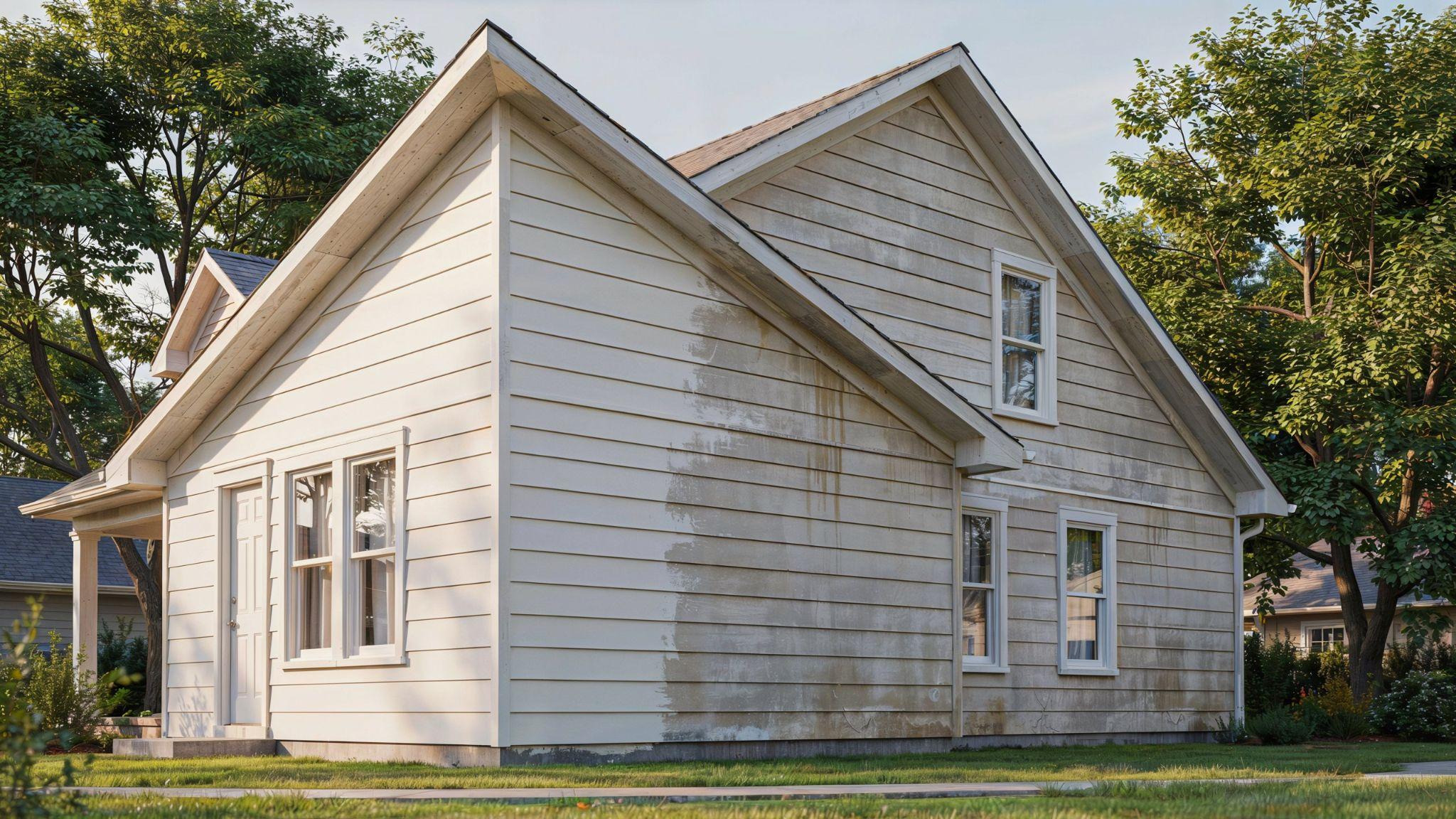
If your home's color looks washed out or uneven, the protective layer in the paint has likely broken down. Fading is not just a look problem. It signals wear.
Chalking and Powdery Residue

Run your hand along the wall. If a chalky white powder comes off, the paint is breaking down from UV exposure. This is a clear sign it's time for a new coat.
Mold, Mildew, and Moisture Stains
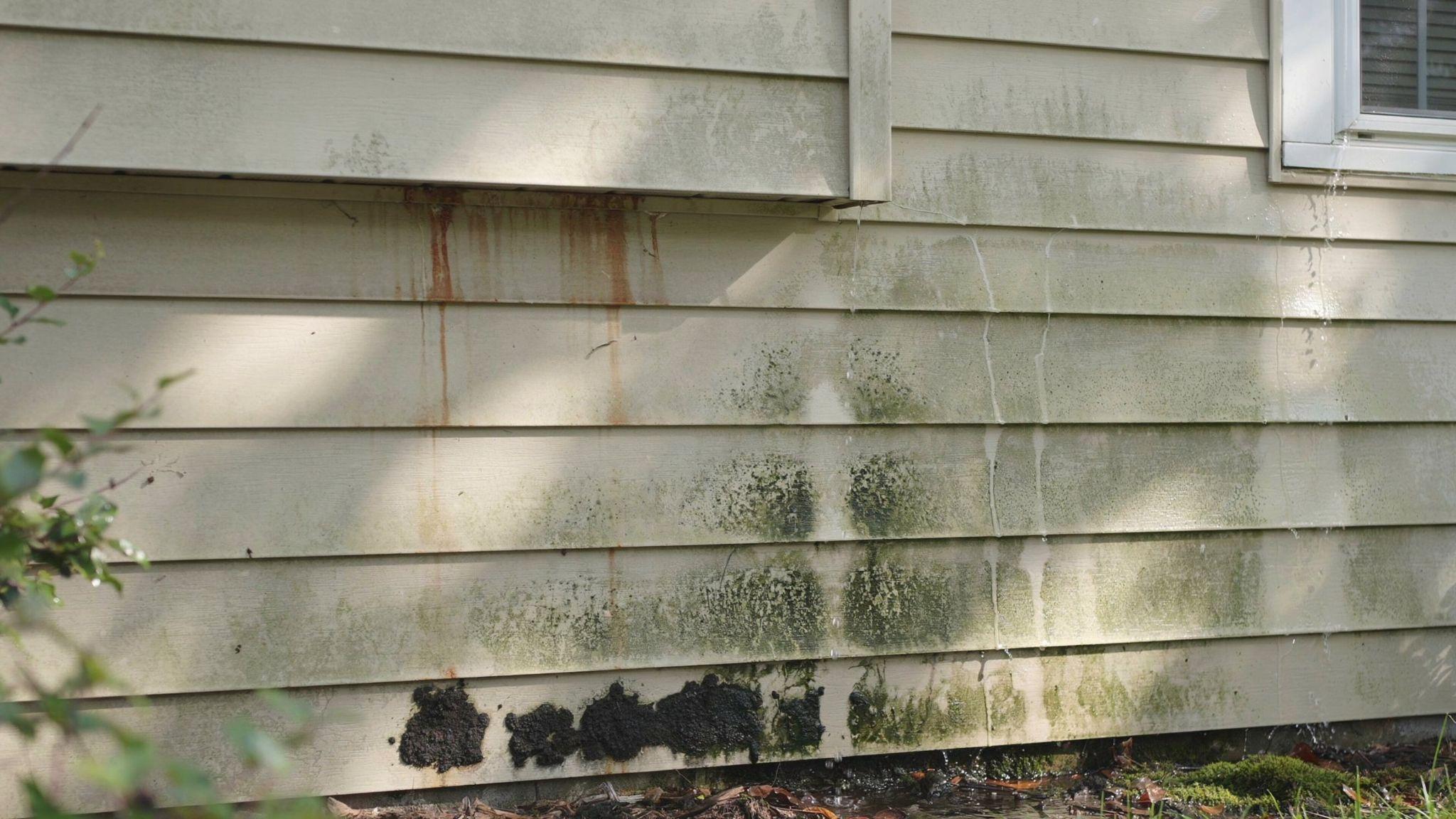
Dark streaks or fuzzy growth on your exterior walls point to moisture issues. Repainting with a mold-resistant paint after proper cleaning is the right next step.
Exposed Surfaces and Damaged Caulking

If raw wood or bare material is showing through, your home is exposed to the elements. Damaged caulking around windows or doors is another red flag that moisture is getting in.
Tips to Protect Your Home and Extend the Life of Exterior Paint
Small steps taken regularly can protect your home and push repainting timelines much further out.
- Use the right paint for your siding material. Not all exterior paints work on every surface. Wood, vinyl, stucco, and masonry each need paint made to bond with that specific material.
- Consider lighter paint colors in sunny climates. Dark colors absorb more heat and break down faster. Lighter shades last longer and keep surface temperatures lower.
- Repaint before severe paint failure occurs. Waiting until paint fully peels means more prep work and higher costs. Repainting while the surface is still in decent shape saves money.
- Hire experienced professionals for long-lasting results. A skilled painter knows how to prep surfaces, pick the right products, and apply paint correctly.
- Create a maintenance schedule for your home. Note when your home was last painted and set reminders to inspect it every six months.
Conclusion
Knowing how often to paint house exterior is one of the smartest things you can do as a homeowner.
I've seen small cracks turn into major water damage simply because a repaint was delayed too long.
The good news? Staying ahead of it isn't hard. Check your exterior twice a year, use quality paint, and act early when you spot trouble.
Your home will thank you for it. If this helped you, leave a comment below or share it with a friend who's thinking about repainting their home soon.
Frequently Asked Questions
How Often Should You Paint a House Exterior?
Most homes need repainting every 5 to 10 years. The exact timing depends on your siding material, climate, paint quality, and how well the surface was prepped before the last coat.
Does Climate Affect How Long Exterior Paint Lasts?
Yes, it does. Homes in areas with heavy rain, salt air, strong sun, or extreme temperatures tend to need repainting more often than homes in mild, dry climates.
What Exterior Material Requires the Most Frequent Repainting?
Wood siding needs the most frequent repainting, usually every 3 to 7 years. It absorbs moisture and reacts to temperature changes more than other materials like vinyl or fiber cement.
Can High-Quality Paint Really Last Longer?
Absolutely. Premium exterior paints are made with better pigments and binders that resist fading, cracking, and moisture far longer than budget options. The upfront cost is worth it over time.
Should You Repaint if the Paint Still Looks Good?
Not always. If the paint is still bonding well, showing no cracks, and protecting the surface, you can wait. Do a close inspection each year to decide if it's time.
Is It Better to Repaint or Touch Up Damaged Areas?
Small areas of damage can be touched up to buy more time. But if peeling or cracking covers a large area, a full repaint gives better protection and a cleaner result.