

Nights with a pacifier-dependent baby can feel exhausting.
You put your baby down, the pacifier falls out, and suddenly you're up again at 2 a.m. searching in the dark for it.
I have been there myself, and I know how draining those broken nights can be.
This guide walks you through exactly how to wean a baby off a pacifier at night without added stress.
You will learn when to start, the best methods to try, and how to handle the rough nights along the way.
By the end, you will have a clear, calm plan you can actually follow. Let's get into it.
When to Start Weaning Baby Off Pacifiers at Night

Timing matters more than most parents realize when starting this process.
Most pediatricians suggest starting between 6 and 12 months, before the attachment becomes too strong, since waiting past age 2 often makes things harder.
Look for signs of readiness, like longer sleep stretches, fewer night wakings, and a baby who can already self-soothe a little.
Avoid starting during teething, illness, travel, or right after a big schedule change, and pick a calmer stretch of time instead.
It also helps to know the difference between sleep readiness and emotional readiness.
Sleep readiness means your baby can physically settle without help, while emotional readiness means they can handle small frustrations without falling apart.
How to Wean Baby Off Pacifier at Night: Step by Step Plan
A simple, repeatable plan makes the process far less overwhelming.
Step 1: Build A Calming Bedtime Routine First

A predictable routine, such as bath, book, and song, signals to your baby that sleep is coming.
This works as a pacifier or not. Keeping the same order each night builds trust and makes bedtime feel safe.
Step 2: Reduce Pacifier Use Gradually Or All At Once
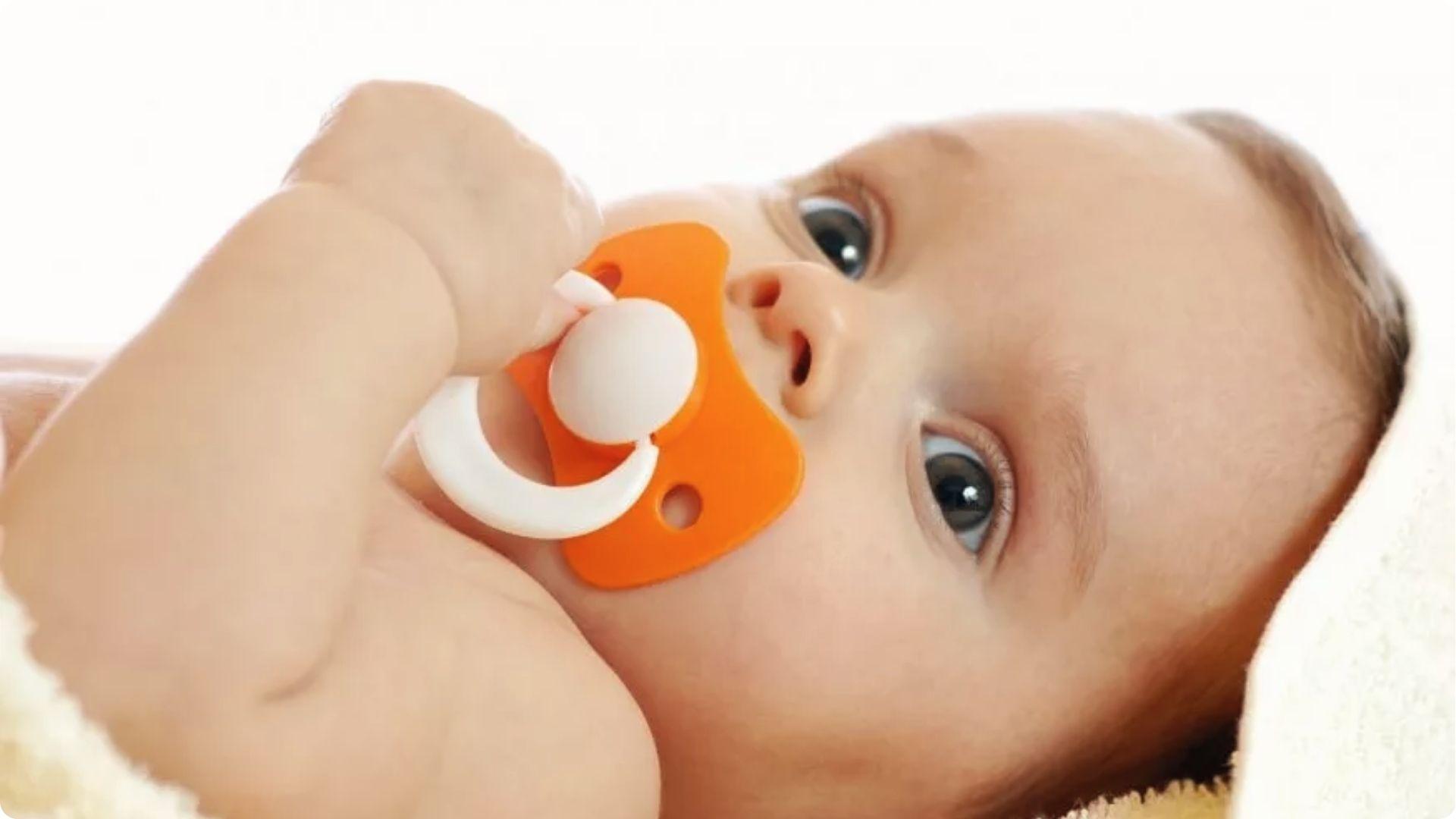
You can taper off slowly over several nights or remove it in one go.
Both approaches work, depending on your baby's temperament. Once you commit to a method, stick with it fully.
Step 3: Replace The Pacifier With A Comfort Routine
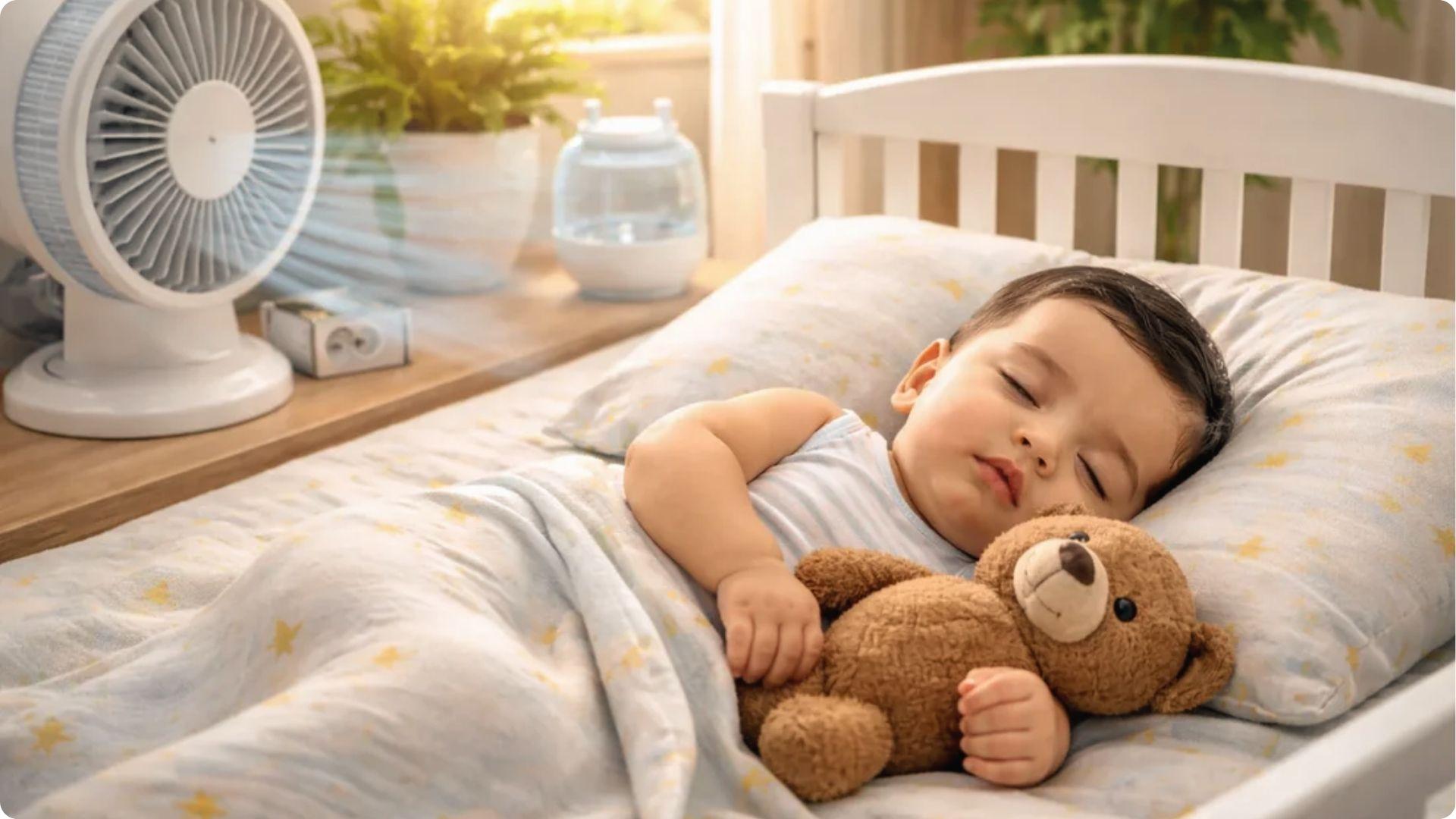
Lean on patting, soft words, or a familiar lullaby instead of swapping one object for another.
Stay consistent for at least 5 to 7 nights before judging the results. Most families see real progress by night five or six.
Best Methods to Stop Pacifier Use at Night

Different babies respond better to different approaches, so pick what fits.
Cold Turkey Method
This means removing the pacifier completely on night one. It is hard for the first few nights as your baby adjusts.
Many parents find it resolves faster overall compared to other methods.
Gradual Weaning Method
This approach reduces pacifier time bit by bit over one to two weeks. It is gentler on both you and your baby.
The tradeoff is that it takes longer to see real results.
Sleep Only Restriction Method
This method limits pacifier use strictly to the crib. Start by cutting daytime use first before tackling nighttime sleep.
This step-down approach feels less abrupt for sensitive babies.
Pantley Pull Off Method
Once your baby is asleep, gently pull the pacifier out part way. Let them keep sucking on it until they release it naturally on their own.
Repeat this each night until the pacifier is no longer needed.
How to Help Baby Sleep Without a Pacifier at Night

New comfort habits can fill the gap the pacifier leaves behind.
Create Strong Sleep Associations
Lean on consistent routines instead of objects, so your baby learns to settle based on habit. A steady bedtime rhythm builds comfort over time.
This habit carries them through the night without needing the pacifier.
Use Soothing Techniques Like Patting, Shushing, And Holding
These hands-on methods reassure your baby in place of the pacifier.
A gentle pat or soft shush can calm them quickly. Holding them briefly also helps ease the transition.
Introduce Comfort Items
A small lovey, soft blanket, or stuffed toy can offer comfort once your baby is old enough for safe sleep items.
These items become a new source of reassurance. Over time, they help replace the pacifier habit.
Teach Self Soothing Skills For Night Wakings
Give your baby a few minutes to settle on their own before stepping in right away. This builds confidence in their own ability to fall back asleep.
Small pauses before responding make a real difference over time.
Avoid Replacing Pacifier With New Sleep Crutches
Be careful not to swap the pacifier for rocking, feeding, or holding every single time they wake.
New crutches can create the same dependency all over again. Stick to calming touches instead of full intervention each time.
Nighttime Pacifier Weaning Challenges and Real Solutions
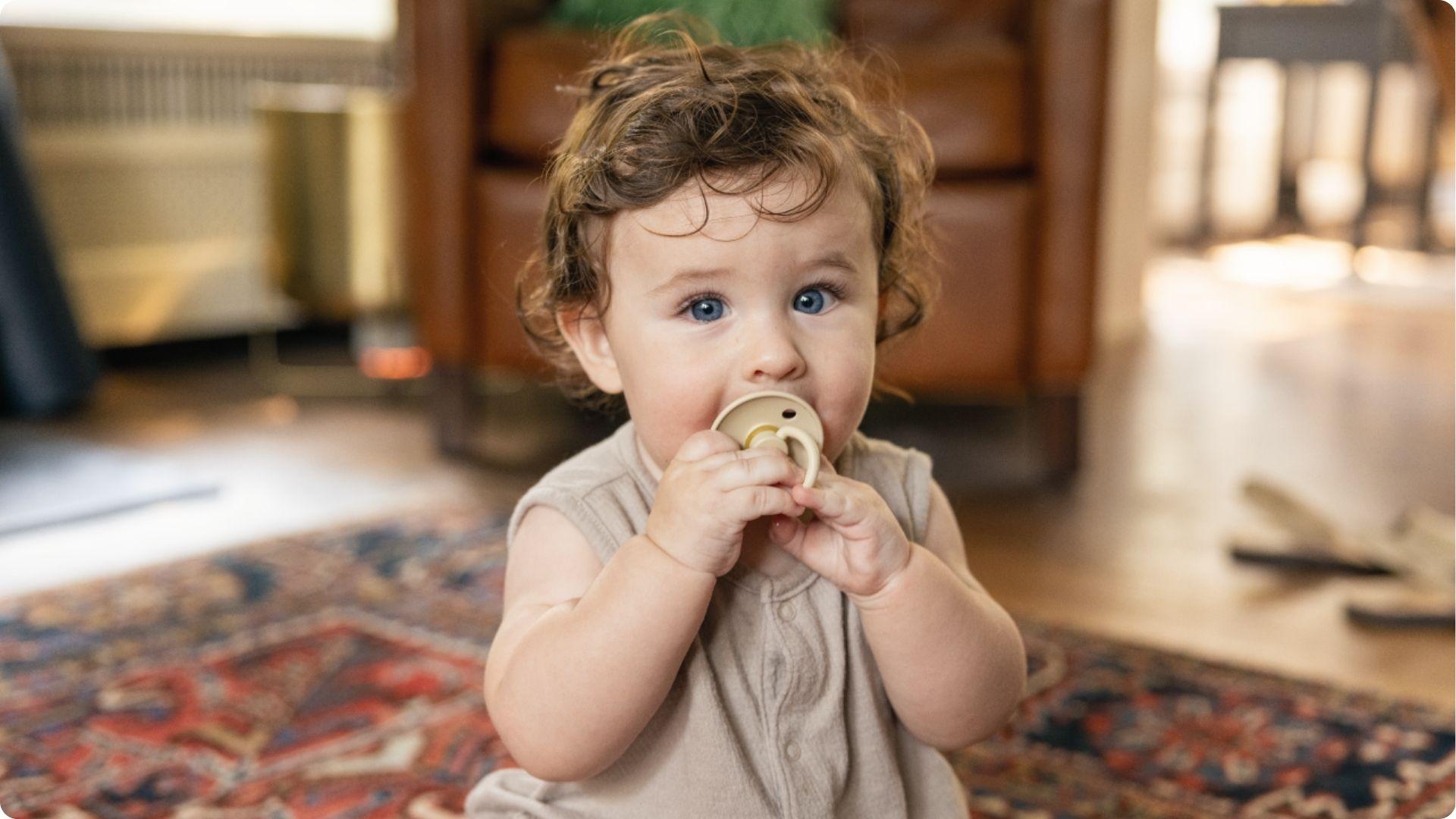
Expect some bumps, and know how to handle each one.
Baby Waking Up Every Hour Crying For Pacifier
This usually peaks around night two or three. As new habits form, the waking spreads out.
Most babies settle into longer stretches by the end of the week.
Difficulty Falling Asleep Without Pacifier
Stick with your calming routine even when it feels slow.
It may take longer at first to see results. With time and repetition, it does get easier.
Sleep Regression During First 3 To 5 Nights
This dip in sleep is normal and temporary.
It is your baby adjusting to the new routine. Most families see real improvement by the end of the first week.
Toddler Tantrums At Bedtime After Removing Pacifier
Stay calm and consistent through the meltdowns.
Reacting with frustration tends to extend the tantrums. A steady response helps your toddler settle faster.
What NOT To Do
Giving the pacifier back after a hard night resets all your progress.
It teaches your baby that crying brings it back. Staying firm now saves more tears later.
Tips to Make Nighttime Pacifier Weaning Easier for Parents
Small adjustments that make the weaning process smoother for the whole family.
- Pick a calm, stable week to start weaning
- Stay consistent even if nights get harder at first
- Expect 3 to 7 nights of adjustment
- Use positive reinforcement instead of pressure
- Support your baby emotionally without bringing the pacifier back
Conclusion
Weaning your baby off the pacifier at night is hard, but it does not last forever.
I remember the first few rough nights with my own little one, the crying, the second-guessing, and wondering if I was doing the right thing. I promise it gets easier.
Every baby adjusts at their own pace, and a little patience goes a long way, even on the nights that feel impossible.
Trust the process and trust yourself as a parent too.
If this guide helped you, drop a comment below and share your own experience with other tired parents going through the same thing. You've got this.
Frequently Asked Questions
How many nights does it take to stop pacifier use?
Most babies adjust within 5 to 7 nights. Some take a bit longer depending on age and temperament.
Is cold turkey or gradual weaning better for sleep?
Both work well. Cold turkey is faster but harder upfront, while gradual weaning is gentler but takes more time.
Will my baby sleep worse without a pacifier?
Sleep may dip for a few nights, but most babies sleep just as well, or better, once they adjust.
What age should babies stop using pacifiers at night?
Many experts suggest starting between 6 and 12 months, though every baby is different.
What if my baby refuses to sleep without it?
Stay consistent with your routine. Most babies settle within a week once they learn the new pattern.