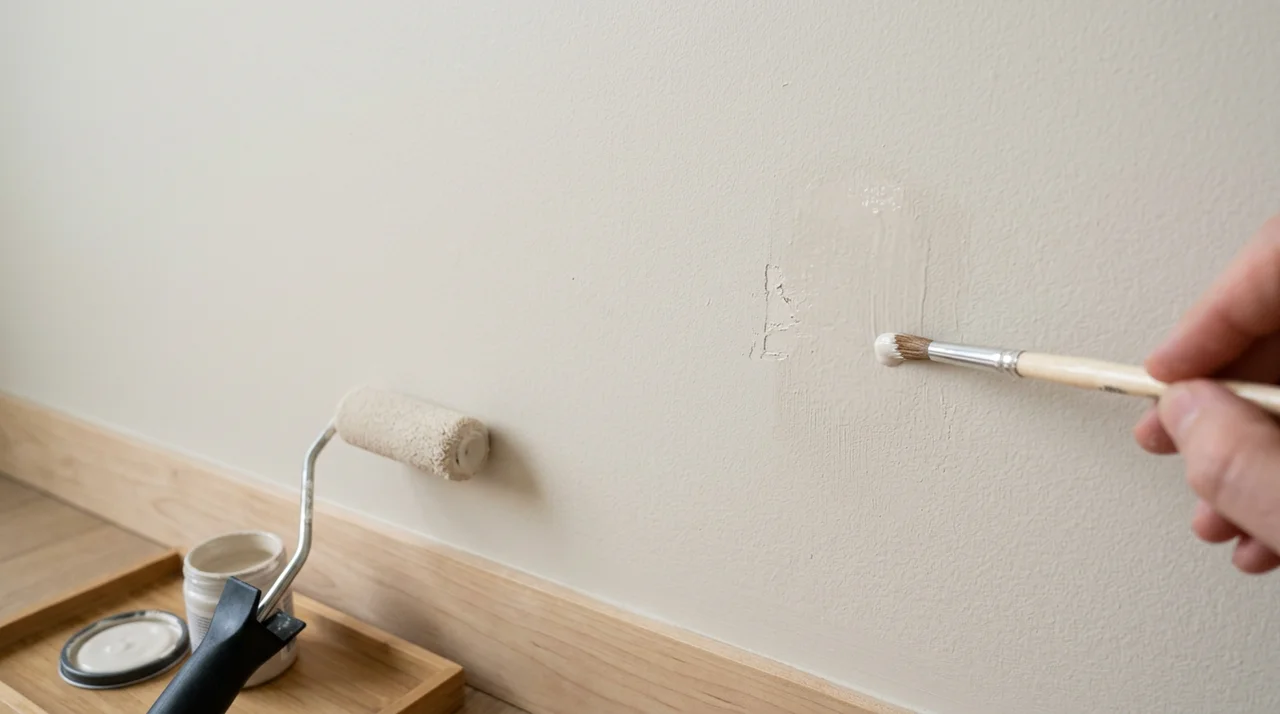


Choosing between orange peel vs knockdown texture can feel confusing. I've been there too, standing in a room, unsure which finish would work best.
This guide makes it simple. I've worked with both textures and seen how they perform in real homes.
Here, I'll break down what each texture looks and feels like, where each one works best, and the cost, maintenance, and repair differences between the two.
You'll leave knowing exactly which texture fits your space. No guesswork. No wasted money. Just clear, honest answers that help you decide with confidence.
Let's get into it.
What Is Orange Peel Texture?
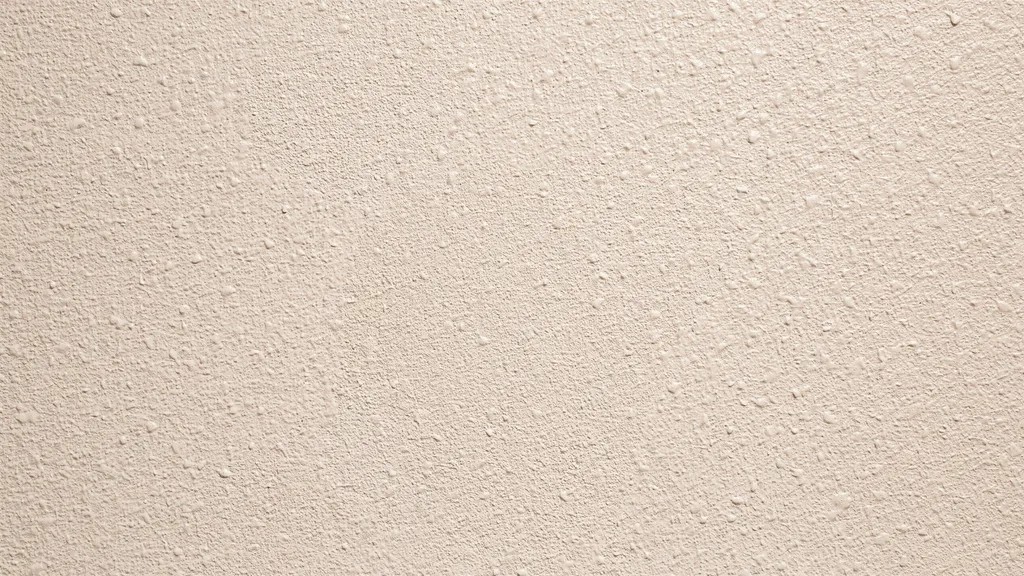
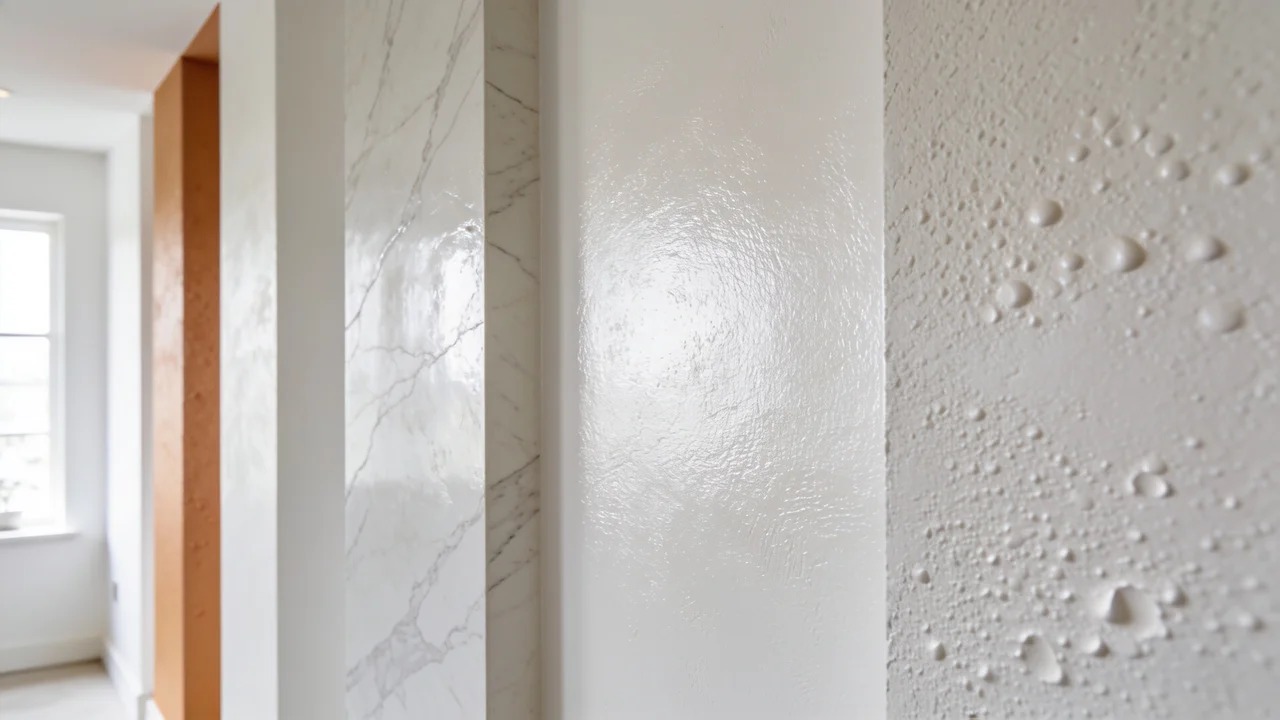
Orange peel texture looks exactly like the skin of an orange. It has small, rounded bumps spread evenly across the wall. The finish is subtle.
You notice it up close, but it blends into the background from a distance. This texture is sprayed on using a hopper gun.
It dries fast and covers minor surface flaws, giving walls a clean, consistent look without feeling too heavy. It hides small dents, paints over easily, and holds up well in high-traffic areas.
Orange peel works great in bedrooms, hallways, living rooms, and ceilings. If you want a finish that feels modern but not too bold, this is a solid, practical pick.
What Is Knockdown Texture?

Knockdown texture is made by applying joint compound to a wall, then flattening the peaks with a knife or trowel.
This creates a random, layered pattern where no two walls look exactly the same. This finish hides larger flaws well and adds a handcrafted feel to any room.
Painters and contractors often recommend it for older walls that need more coverage. It covers large cracks, adds visual depth, and can be customized in thickness.
Knockdown texture fits well in living rooms, dining areas, and entryways. It pairs nicely with rustic or traditional home styles, though it can be harder to clean in wet areas like bathrooms.
Orange Peel vs Knockdown Texture Key Differences
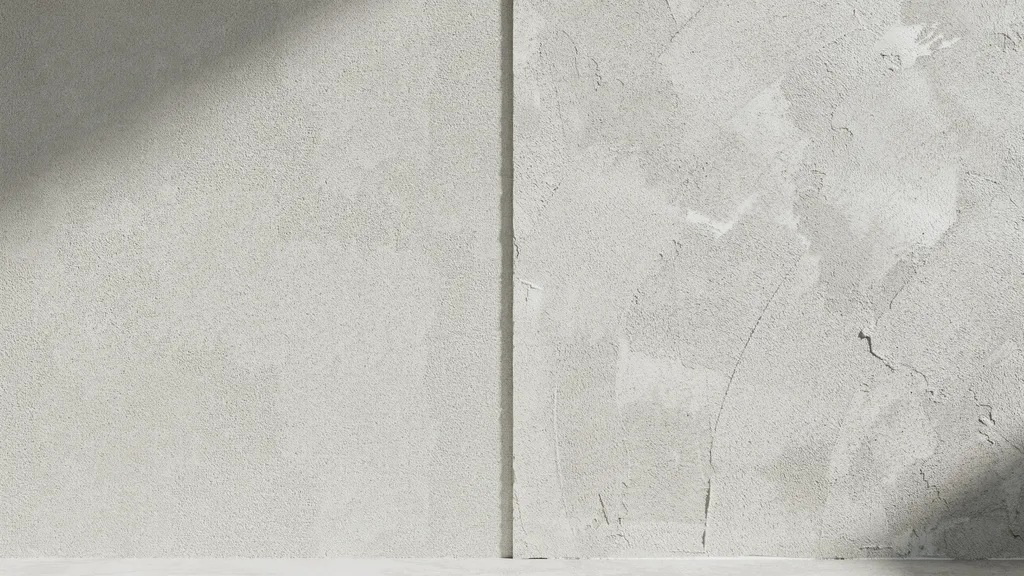
A side-by-side look at how these two textures compare across all the things that matter.
| Feature | Orange Peel Texture | Knockdown Texture |
| Appearance & Design Style | Light, subtle, and evenly distributed bumps that create a soft visual texture. It looks smooth from a distance and doesn’t overpower the space. | Heavier, flattened texture with irregular patterns that create depth. It stands out more and adds a bold, decorative element to walls or ceilings. |
| Interior Style & Modern Appeal | Works best in modern, minimalist, and contemporary interiors. It blends easily with most design styles without drawing too much attention. | Complements traditional, rustic, or Mediterranean-style homes. It adds character and becomes a noticeable design feature in the room. |
| Performance & Imperfection Coverage | Effectively hides small dents, minor cracks, and light drywall imperfections. However, it may not fully conceal major surface flaws. | Excellent for covering larger imperfections, uneven surfaces, or older damaged walls. The thicker pattern helps mask visible defects more effectively. |
| Cost & Application Process | Quicker and easier to apply using a spray technique, making it more budget-friendly. It requires less labor and is commonly used in new constructions. | Requires additional steps, including spraying and manually flattening the texture. This increases labor time and typically makes it more expensive. |
| Maintenance & Repair Needs | Easier to maintain and repair since small patches can be sprayed and blended. Matching the texture is relatively simple for professionals. | Repairs are more difficult because the pattern is random and must be recreated carefully. Poor patching can make repairs more noticeable. |
Pros and Cons of Each Texture
Honest look at what works and what doesn't with both finishes.
Pros and Cons of Orange Peel Texture
Orange peel is quick to apply, budget-friendly, and easy to repair. It works well on ceilings and gives walls a clean, modern look.
On the downside, it won't hide large cracks and has less visual depth compared to knockdown. In some spaces, it can feel a little too plain.
Pros and Cons of Knockdown Texture
Knockdown is great for hiding wall damage and adds real depth and character to a room. It works well in older homes and has a custom, handcrafted feel.
However, it costs more in labor, takes longer to apply, is harder to repair, and is not ideal for wet areas.
How to Choose the Right Texture for Your Home
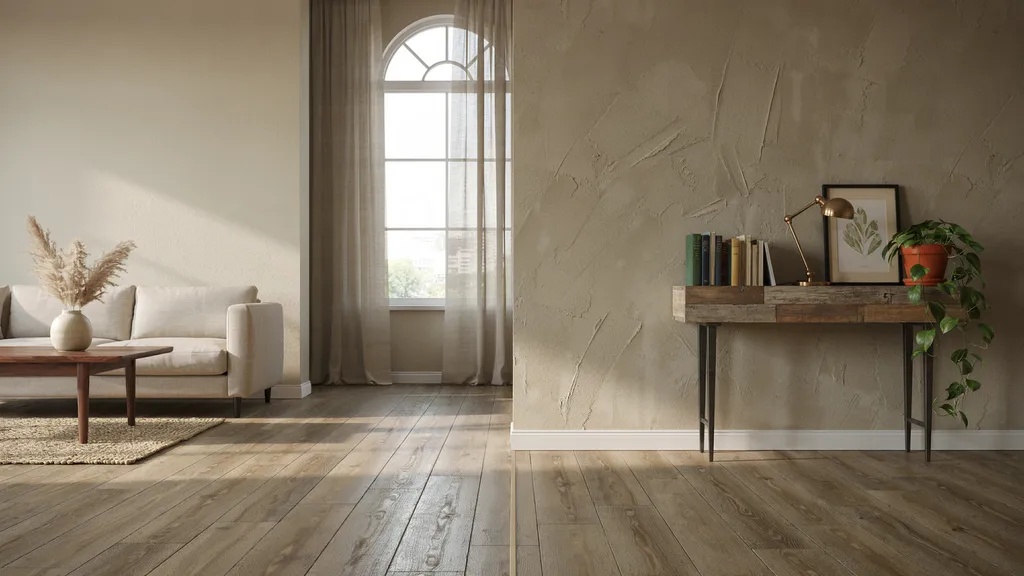
Simple factors to help you make the right call for your walls.
Based on Room Type (Walls vs Ceilings)
Orange peel is the go-to for ceilings. It's lightweight and doesn't sag. For walls in high-use rooms, both textures work. Knockdown adds more personality in spaces like living rooms.
Based on Wall Condition and Age
Old walls with cracks or damage? Knockdown is your best option. New drywall with minor surface issues? Orange peel will do the job well and cost less.
Based on Maintenance Preferences
If you hate doing touch-ups, go with orange peel. It's much easier to match during repairs. Knockdown looks great but can be a headache when you need to patch a small area.
Based on Budget and Labor
Orange peel saves money on labor. It's faster and requires less skill to apply. Knockdown takes more time and needs a skilled hand, so the labor cost goes up.
Common Mistakes to Avoid with Drywall Textures
Avoid these errors to get a clean, professional-looking finish every time.
Over-Texturing or Uneven Application
Too much texture looks messy. Keep the application even and light, especially with orange peel. Test on a small area before doing the full wall.
Ignoring Surface Preparation
Skipping prep work ruins the finish. Always clean the wall, fix holes, and prime before applying any texture. A smooth base gives you a better result every time.
Poor Texture Matching During Repairs
Matching texture during a repair is the hardest part. Take a photo of your current texture before you start. Use the same tools and try the pattern on cardboard first.
Expert Tips for Best Texture Results
Small details that make a big difference in the final look.
- Hire a pro if your walls have major damage or if you're tackling knockdown texture in a large room. Mistakes are expensive to fix.
- For orange peel, use a hopper gun with the right air pressure. Wrong settings lead to uneven results.
- For knockdown, a wide trowel and quality joint compound make all the difference. Don't cut corners on materials.
- Work in sections and keep your spraying distance consistent. This helps you get an even finish across the whole wall.
- Let each layer dry fully before adding more. Rushing the drying time is one of the most common mistakes people make.
Conclusion
I hope this guide made your decision a little easier. Choosing between orange peel vs knockdown texture really comes down to your walls, your budget, and the look you want.
Orange peel is clean and simple. Knockdown adds depth and warmth. Personally, I lean toward orange peel for newer spaces and knockdown for rooms that need more character.
Both are great options when done right. Have questions or a texture story to share? Drop a comment below. I'd love to hear what worked in your home.
Frequently Asked Questions
Is orange peel or knockdown texture easier to apply?
Orange peel is easier and faster. It's sprayed on and dries quickly, making it a better option for beginners or those on a tight schedule.
Which texture is better for hiding wall damage?
Knockdown texture is better for hiding large cracks and uneven surfaces. Its thick, layered application covers more than orange peel can.
Can I change from orange peel to knockdown texture?
Yes, but it takes work. You'll need to sand down the existing texture or skim coat the wall before applying knockdown for a clean result.
Which texture costs more to install?
Knockdown usually costs more because it takes longer to apply and requires more skill. Orange peel is faster, which keeps labor costs lower.
Are these textures suitable for bathroom walls?
Orange peel works better in bathrooms. Knockdown can trap moisture in its deeper grooves, making it harder to clean and more prone to mold over time.