

When I first tried patching a wall, I grabbed the wrong material. The repair cracked within days.
That mistake taught me one thing, plaster of Paris and joint compound are not the same.
In this guide on plaster of Paris vs joint compound, I'll break down exactly what sets them apart.
I'll cover what each material is made of, where each one works best, and how to pick the right one for your project.
I've worked through enough repairs to know this comparison matters. The right choice saves you time, money, and frustration.
By the end, you'll know exactly which material to reach for and why.
What Is Plaster of Paris?
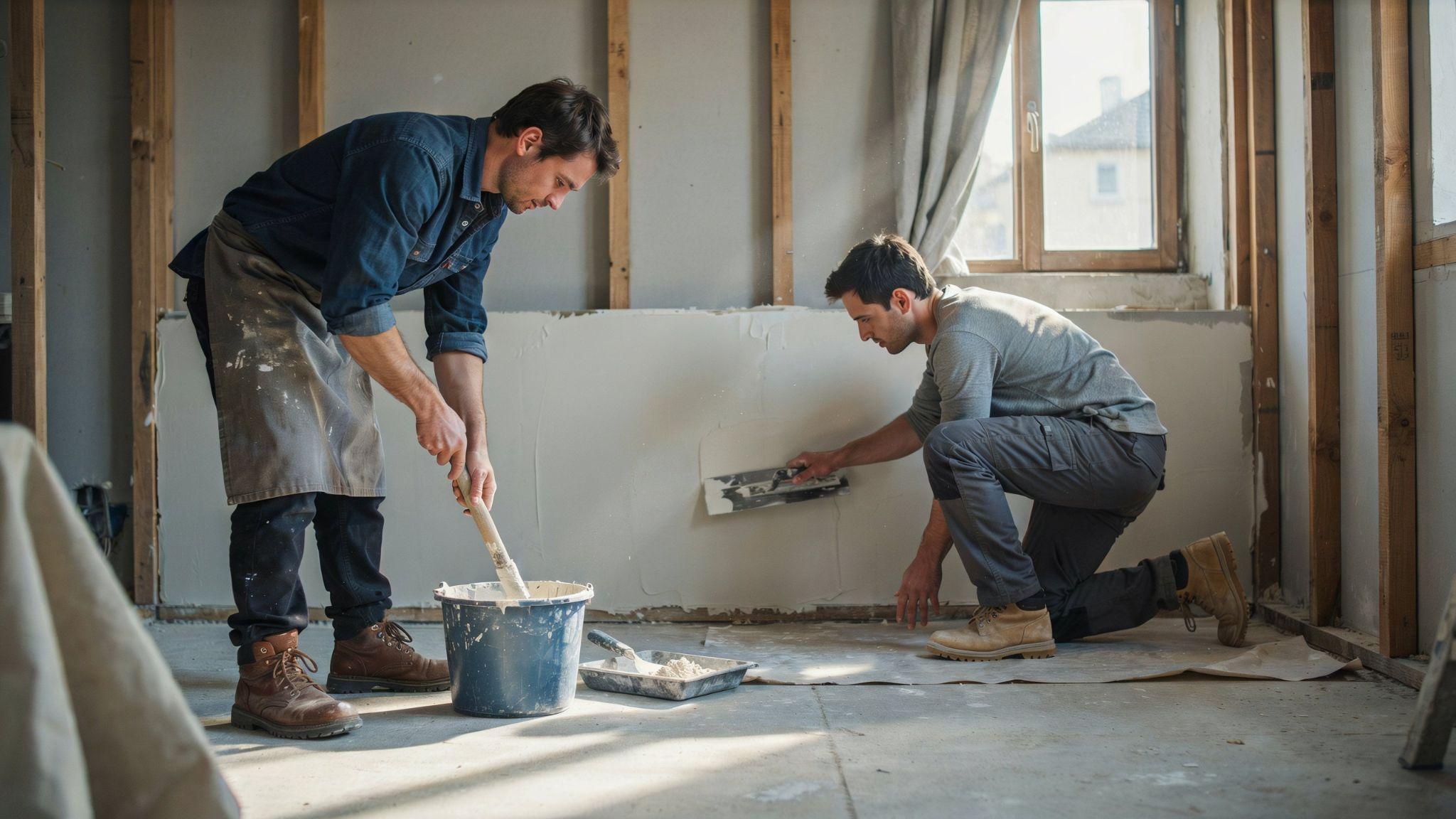
Plaster of Paris is a white powder made from gypsum. When you mix it with water, it sets fast and turns very hard.
It does not shrink much as it dries. It works well for molding, casting, and small wall repairs.
However, it is not ideal for large wall patches. Applying it too thick can cause cracking. It also does not handle moisture well.
Once it sets, it is very difficult to sand or rework. It is a rigid, fast-drying material best used for detail work or small fixes.
What Is Joint Compound?
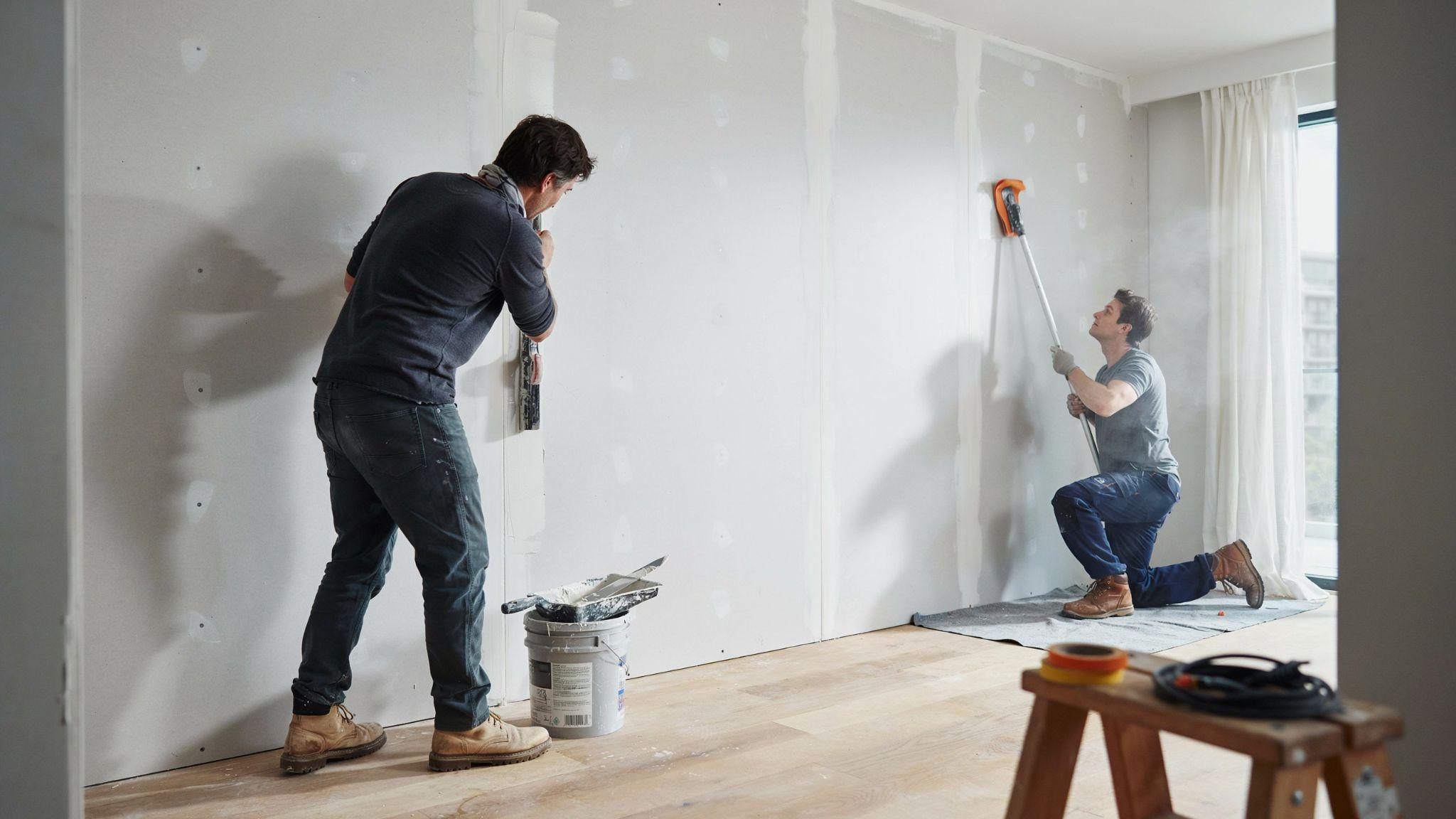
Joint compound, often called "mud," is a water-based paste used mainly in drywall work.
It comes either pre-mixed in a bucket or as dry powder you mix yourself. It dries slower than the plaster of Paris and shrinks slightly as moisture leaves it.
It sands down easily and works well for large surfaces, seams, and tape work. It is forgiving for beginners.
You can apply multiple thin coats without trouble. It stays workable longer, which gives you more time to smooth and shape before it dries fully.
Plaster of Paris vs Joint Compound: What's the Difference?
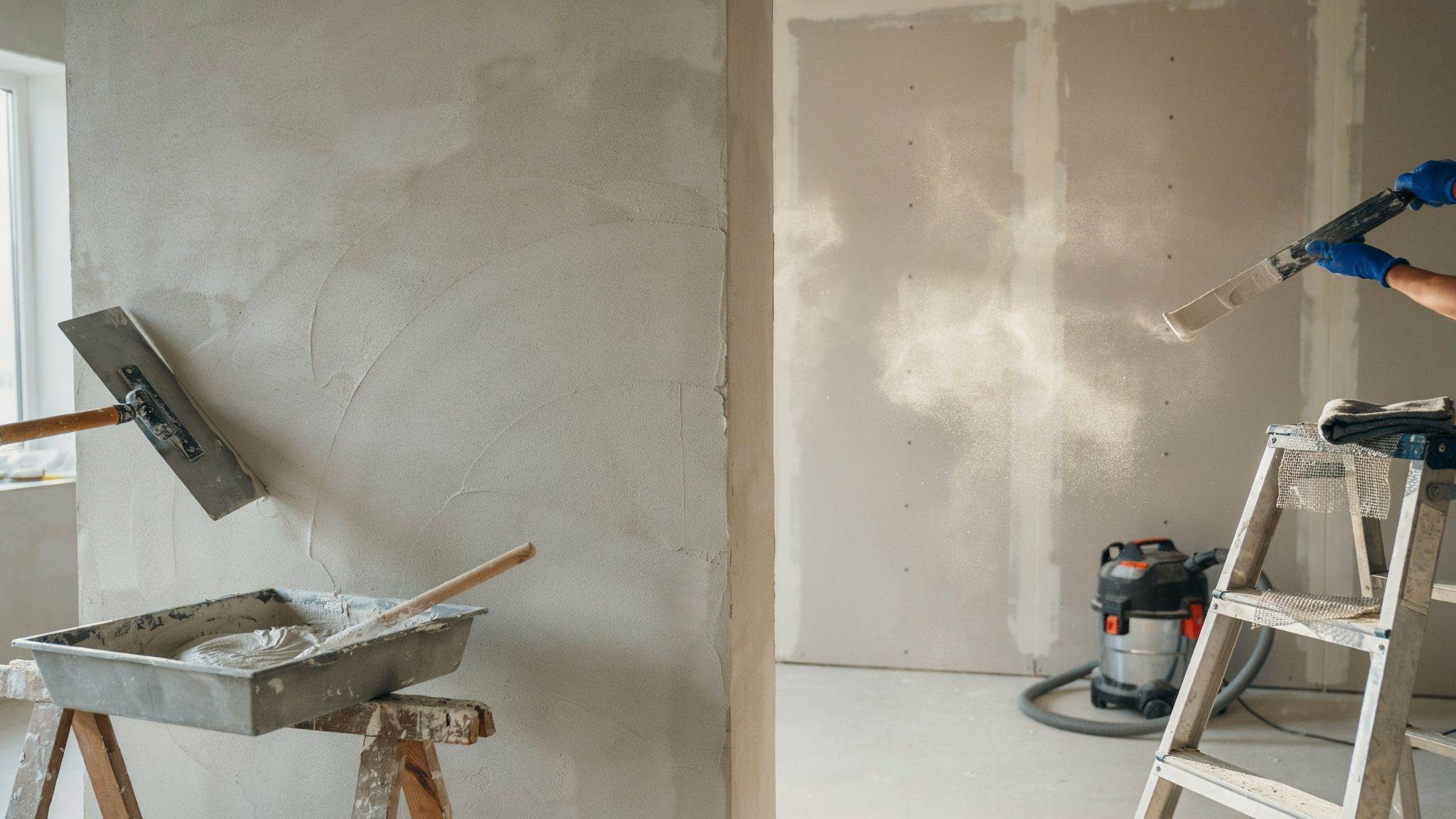
Knowing the key differences helps you avoid costly mistakes on any project.
| Factor | Plaster of Paris | Joint Compound |
| Main ingredient | Pure calcium sulfate hemihydrate | Gypsum with binders, fillers, sometimes vinyl |
| Flexibility | Rigid once set, no flex | Slightly flexible, less brittle |
| How it hardens | Chemical reaction (sets) | Water evaporation (air-dries) |
| Time to harden | 20 to 40 minutes | 24 hours or more (varies by thickness) |
| Workable window | Short leaves little time to fix errors | Long easy to adjust before it dries |
| Surface hardness | Very hard and rigid after setting | Softer, can dent more easily |
| Pressure resistance | High better for structural needs | Moderate not ideal for high-traffic areas |
| Ease of use | Harder quick set means less room for error | Easier forgiving and smooth to spread |
| Sanding | Difficult hard surface takes more effort | Easy sands smoothly once dry |
| Prep before painting | Needs skim coat or primer for smooth finish | Blends well after light sanding and priming |
| Moisture resistance | Slightly better harder surface repels light damp | Absorbs moisture, softens in humid conditions |
| Waterproof? | No | No |
| Top applications | Decorative molding, crafts, historic restoration, deep patches | Drywall seams, wall repairs, smooth finishing, DIY projects |
| Skill level needed | Intermediate to advanced | Beginner-friendly |
Now that you can see the differences side by side, let's break down each factor in detail.
Plaster of Paris vs Joint Compound: Which Is Better for Different Projects?

Matching the right material to your project makes all the difference in results.
Best for Drywall Seams and Finishing
The joint compound is the clear winner here. It is made for drywall work. It bonds well with tape, spreads evenly, and sands smooth.
Plaster of Paris dries too fast and is too hard for this kind of work.
Best for Filling Cracks and Small Repairs
For hairline cracks in plaster walls, plaster of Paris works well. It fills fast and sets hard.
For drywall cracks, joint compound is easier to apply and feather out.
Best for Decorative Molding and Craft Work
Plaster of Paris is the go-to for molding and casting. It captures fine detail and holds its shape well.
Joint compound does not work for casting or detailed decorative work.
Best for Large Holes and Deep Patches
Joint compound is better for large patches on drywall. Apply it in thin layers and let each one dry. Plaster of Paris can crack if applied too thick in one go.
Best for Historic Home Restoration
Older homes often have plaster walls. Plaster of Paris matches the original material better. It gives a more natural repair in traditional plaster systems.
Best Choice for DIY Beginners
Joint compound is easier for beginners. It dries slowly, sands well, and is easy to find at any hardware store. Plaster of Paris requires faster hands and more practice.
How to Choose Between Plaster of Paris and Joint Compound

Making the right call comes down to knowing your project, your skills, and your timeline.
Consider Your Project Type
Drywall work calls for joint compound. Molds, craft projects, and plaster wall repairs are where plaster of Paris shines. Match the material to the job before you start.
Evaluate Your Skill Level
Beginners do better with joint compound since it stays workable longer. Plaster of Paris sets fast and leaves little room for error.
The more confident you are, the better you can handle plaster of Paris.
Think About Durability and Longevity
Plaster of Paris is harder and holds up well over time in dry areas. Joint compound works best where easy repair and some flexibility matter more.
Pick based on how much wear the surface will take.
Compare Costs and Material Availability
Both materials are affordable and easy to find at most hardware stores. Joint compound is sold in larger quantities, making it better for big jobs.
Plaster of Paris comes in smaller bags, which works well for small repairs or crafts.
Consider Drying Time and Project Deadlines
Plaster of Paris sets in 20 to 40 minutes, so it works well when you are short on time. The joint compound needs at least 24 hours to dry fully.
If you can wait overnight, joint compound gives you more control.
Tips for Using Plaster of Paris and Joint Compound Successfully
Good results come from proper prep, right technique, and a little patience.
- Mix plaster of Paris in small batches since it sets fast and cannot be re-mixed once it starts to harden.
- Use a putty knife for small patches and a wide drywall knife for larger surface work with joint compound.
- Do not apply plaster of Paris in thick layers as it will crack, and always let each coat of joint compound dry fully before adding the next.
- Give joint compound at least 24 hours per coat before sanding, and note that plaster of Paris reaches full strength several hours after it feels hard.
- Wear a dust mask when sanding, avoid skin contact with wet plaster of Paris, and always work in a well-ventilated space.
Conclusion
I know how confusing it can be to stand in a hardware store staring at two similar products. I have been there.
But now you know the difference. Plaster of Paris is hard, fast-setting, and great for small or decorative repairs.
The joint compound is flexible, easy to use, and built for drywall. The right choice depends on your project, your pace, and your comfort level.
Try both in a small area if you are unsure. Drop a comment below and tell me what you are working on. I would love to help.
Frequently Asked Questions
Can Plaster of Paris Be Used Instead of Joint Compounds?
In most cases, no. Plaster of Paris sets too fast and is too hard for drywall work. It works better for small repairs and decorative projects, not large wall finishing.
Is the Plaster of Paris Stronger Than the Joint Compound?
Yes, plaster of Paris is harder and more rigid once set. However, that hardness also makes it more prone to cracking under movement or in thick applications.
Which Is Better for Drywall Repair?
Joint compound is better for drywall repair. It bonds with tape, spreads easily, and sands smooth. It is made specifically for that type of work.
Can You Paint Over Both Materials?
Yes, you can paint over both. Always apply a primer first. The joint compound needs light sanding before priming. Plaster of Paris may need more surface prep for best paint adhesion.
Which Material Lasts Longer?
Plaster of Paris lasts longer in terms of hardness and resistance to pressure. Joint compound, when properly applied and painted, also holds up well for years in normal indoor conditions.
Is Joint Compound Waterproof?
No, the joint compound is not waterproof. It can absorb moisture and soften over time. Always use paint or a moisture-resistant primer to protect it in humid areas.