

Have you ever looked at your kitchen cabinets and felt something was missing in the color layout?
Many homeowners feel the same when cabinets look flat or too uniform.
A simple change like two-tone painting kitchen cabinet doors different color than frame can shift how the whole kitchen feels.
It creates contrast while keeping the space balanced. In many cabinet repaint projects I have handled, the right color pairing made older cabinets look fresh again without replacement.
In this guide, you will see practical color combinations, steps, and much more that help cabinets look balanced and long-lasting.
Let’s get started.
Why Choose Two-Tone Cabinets?
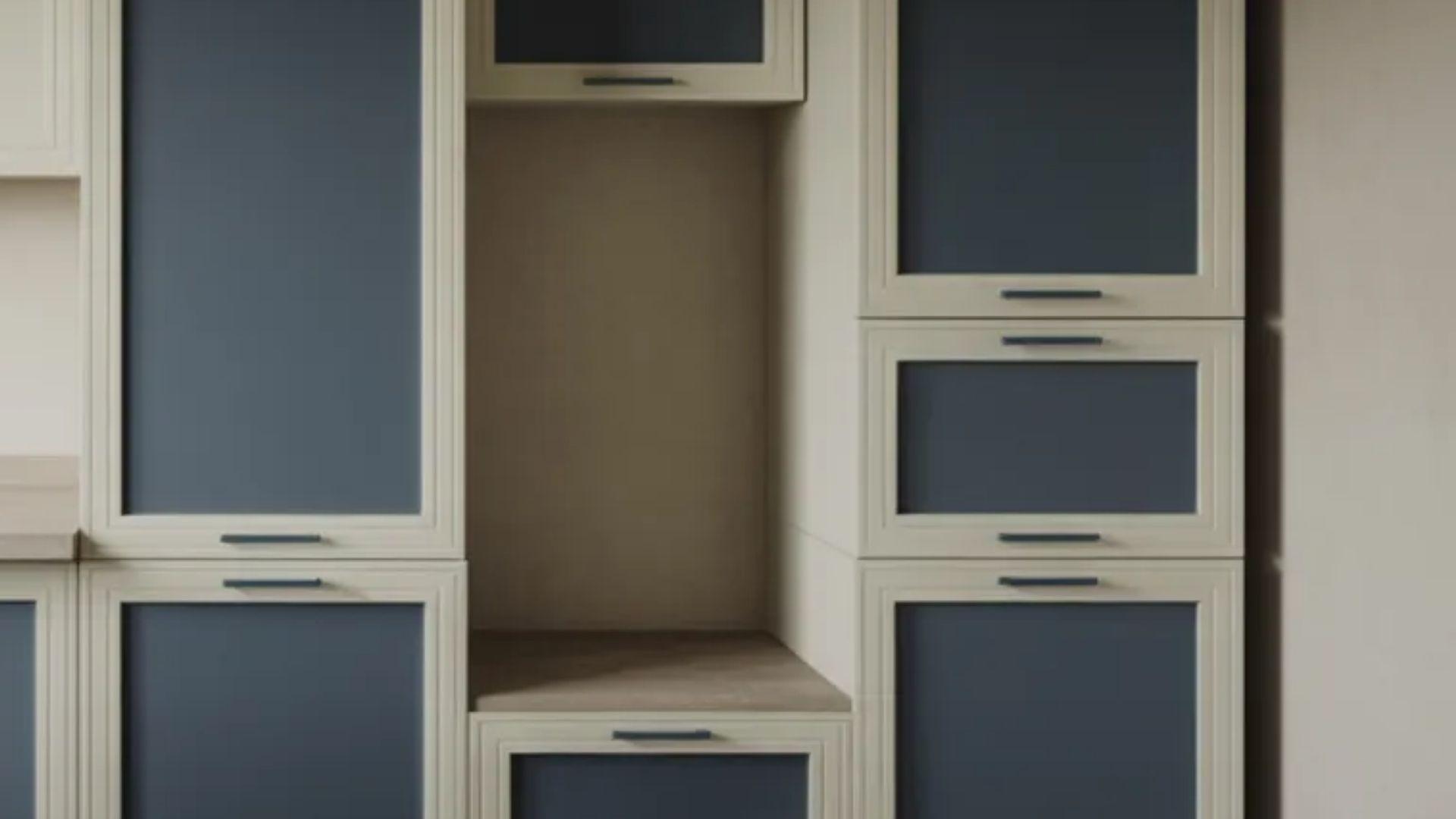
Two-tone cabinets add contrast and help break the look of one solid cabinet color. When doors and frames use different shades, the kitchen feels more balanced and visually interesting.
Adds Dimension and Depth: Using two colors creates contrast and highlights cabinet details. For example, darker doors with lighter frames make the cabinet structure stand out.
Defines Zones: Many kitchens use darker colors on lower cabinets and lighter tones on upper cabinets. This keeps the room feeling open while grounding the lower area.
Personalized Style: Two-tone cabinets allow many color pairings, such as neutral frames with bold doors or wood frames with painted doors.
Perceived Value: This approach can make cabinets look more refined and can refresh older cabinetry without replacing it.
These benefits are why many homeowners choose two-tone cabinets when updating their kitchen style.
Popular Two-Tone Color Combinations
The right color pairing helps cabinet doors and frames stand out while keeping the kitchen balanced. Below are common combinations that work well together.
1. Neutral Frame + Bold Door
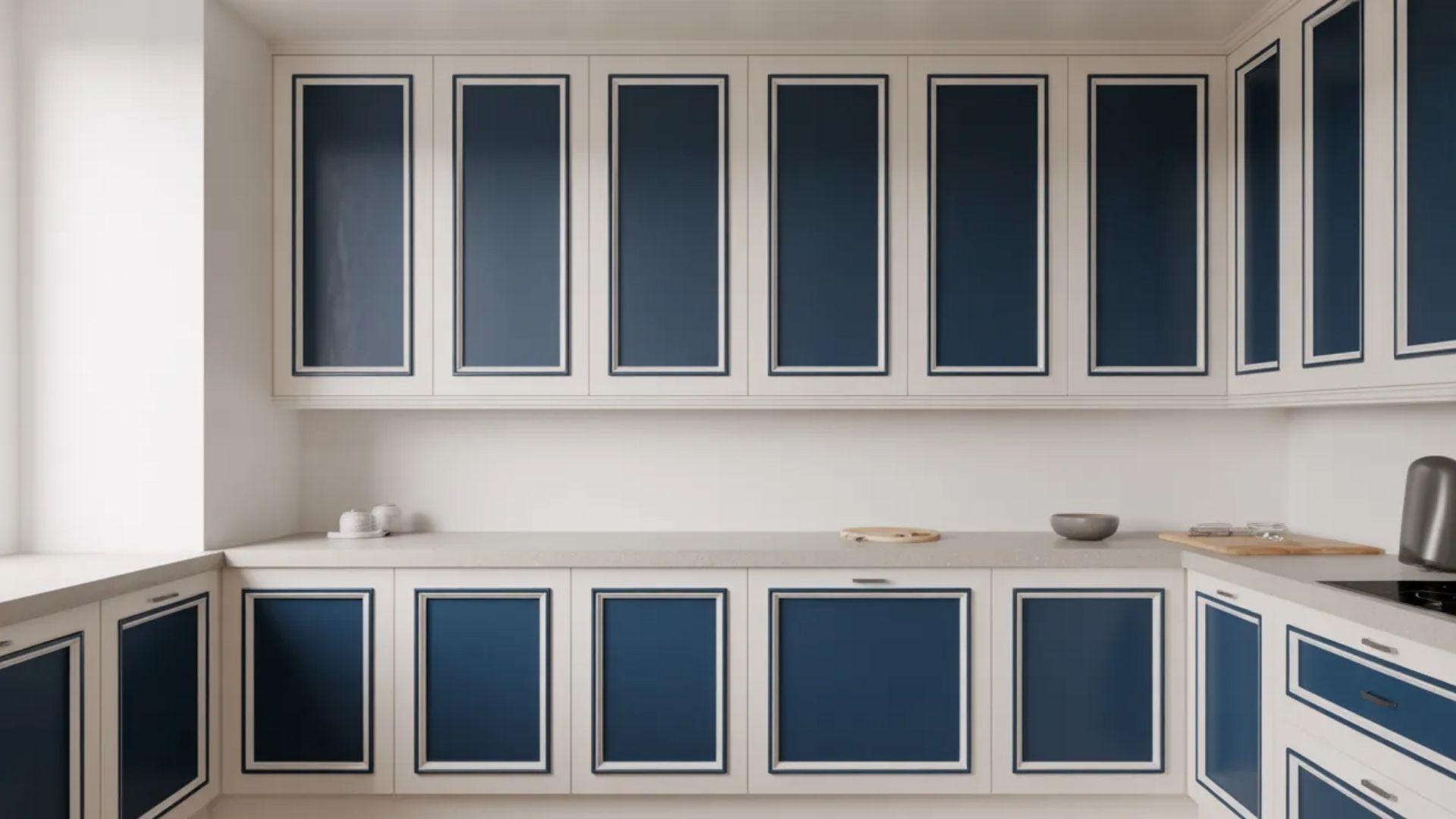
This combination works well when you want a clear contrast without making the kitchen look dark.
White, cream, or beige frames keep the cabinet base neutral, while navy, forest green, or charcoal doors add strong color. The result is a balanced cabinet layout that feels clean and structured.
2. Dark Frame + Light Door
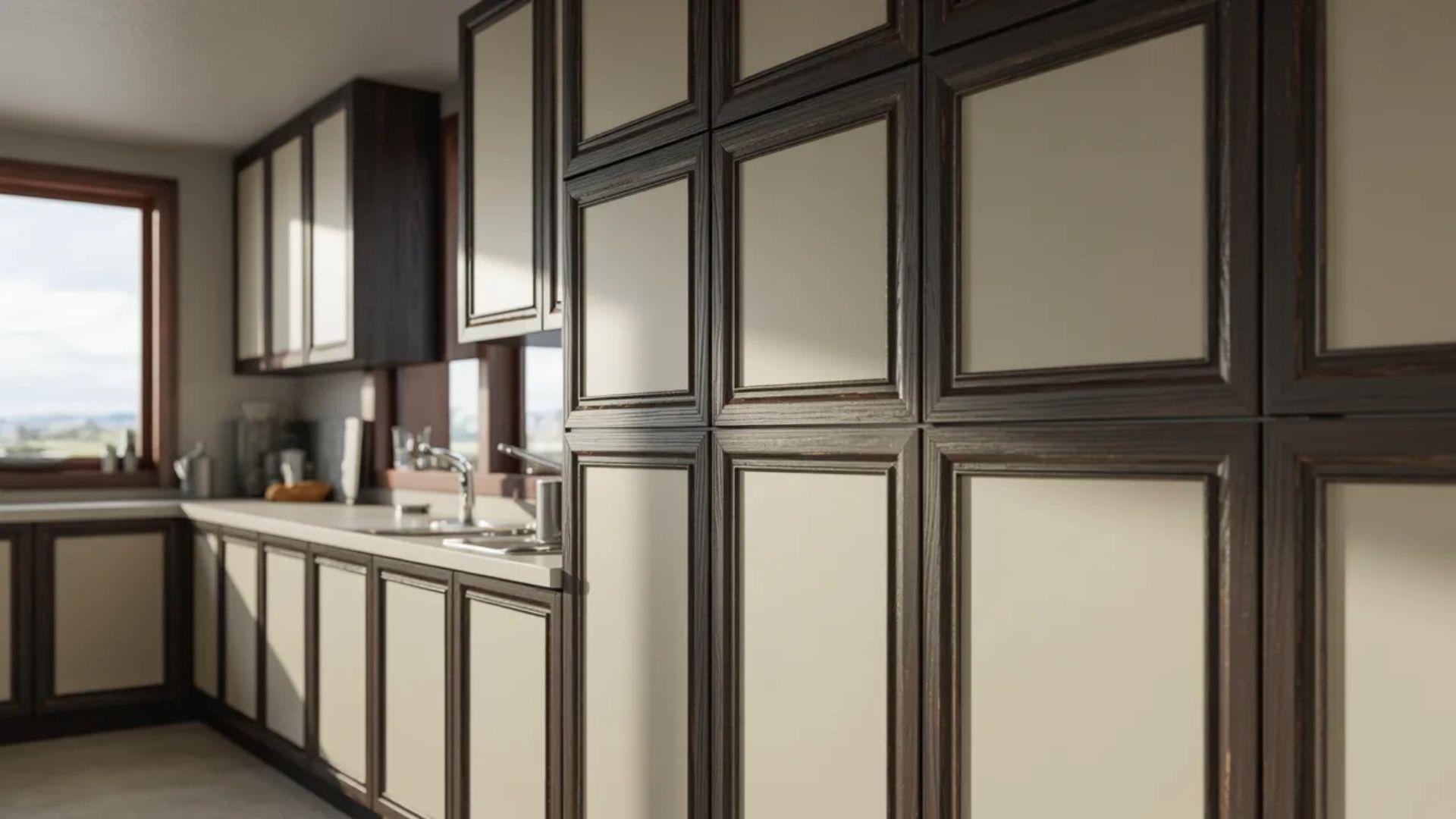
Using a darker frame with lighter cabinet doors creates a strong visual outline around each door panel.
Frames in espresso, charcoal, or walnut make white or cream doors stand out clearly. This pairing works well in kitchens that need contrast without using bright colors.
3. Warm Wood Frame + Painted Door
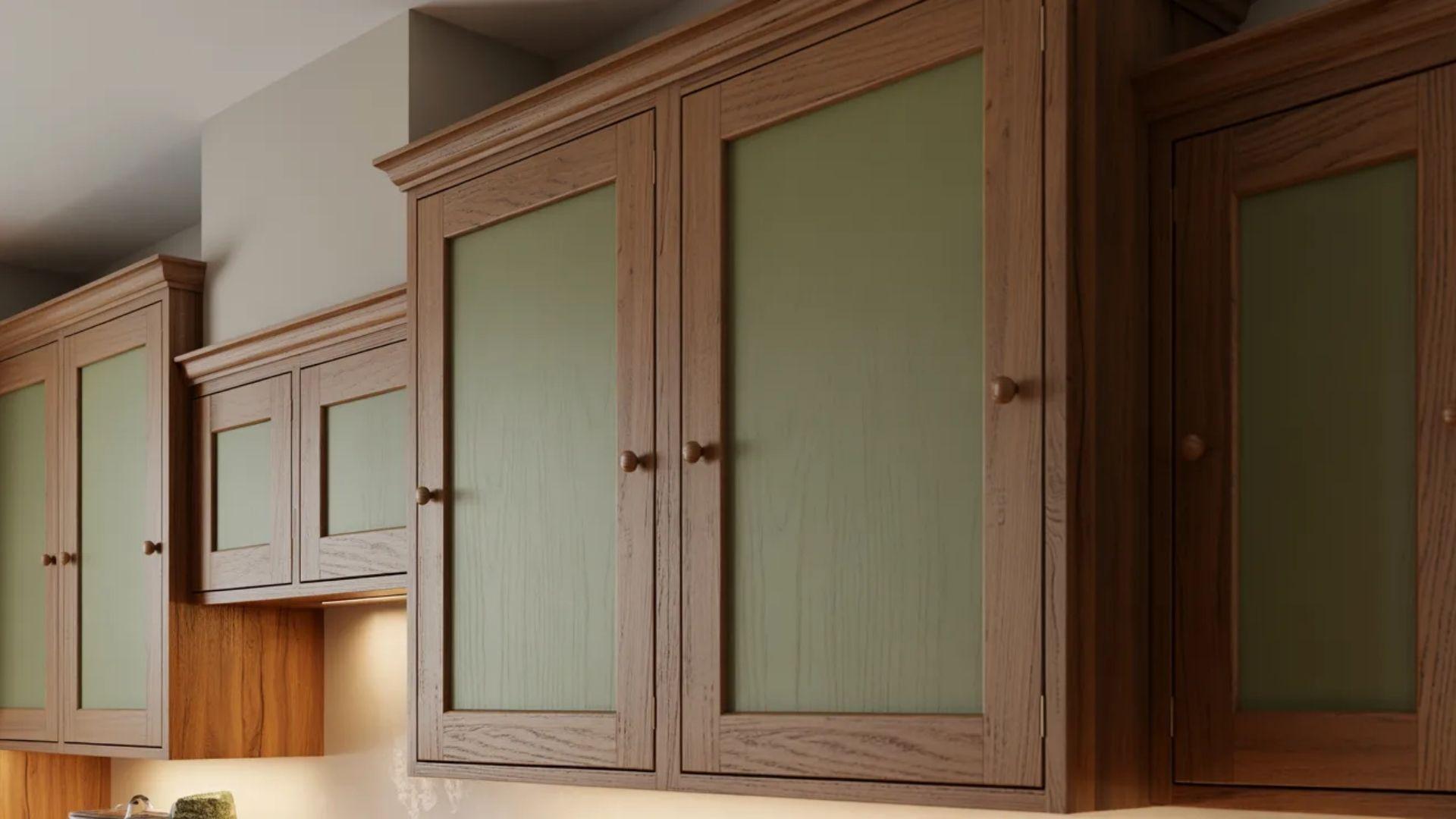
Wood frames paired with painted cabinet doors mix natural materials with color.
Frames with visible wood grain, such as oak or walnut add warmth, while painted doors in green, gray, or navy provide contrast. This pairing works well in kitchens that combine modern and traditional elements.
4. Monotone Variation
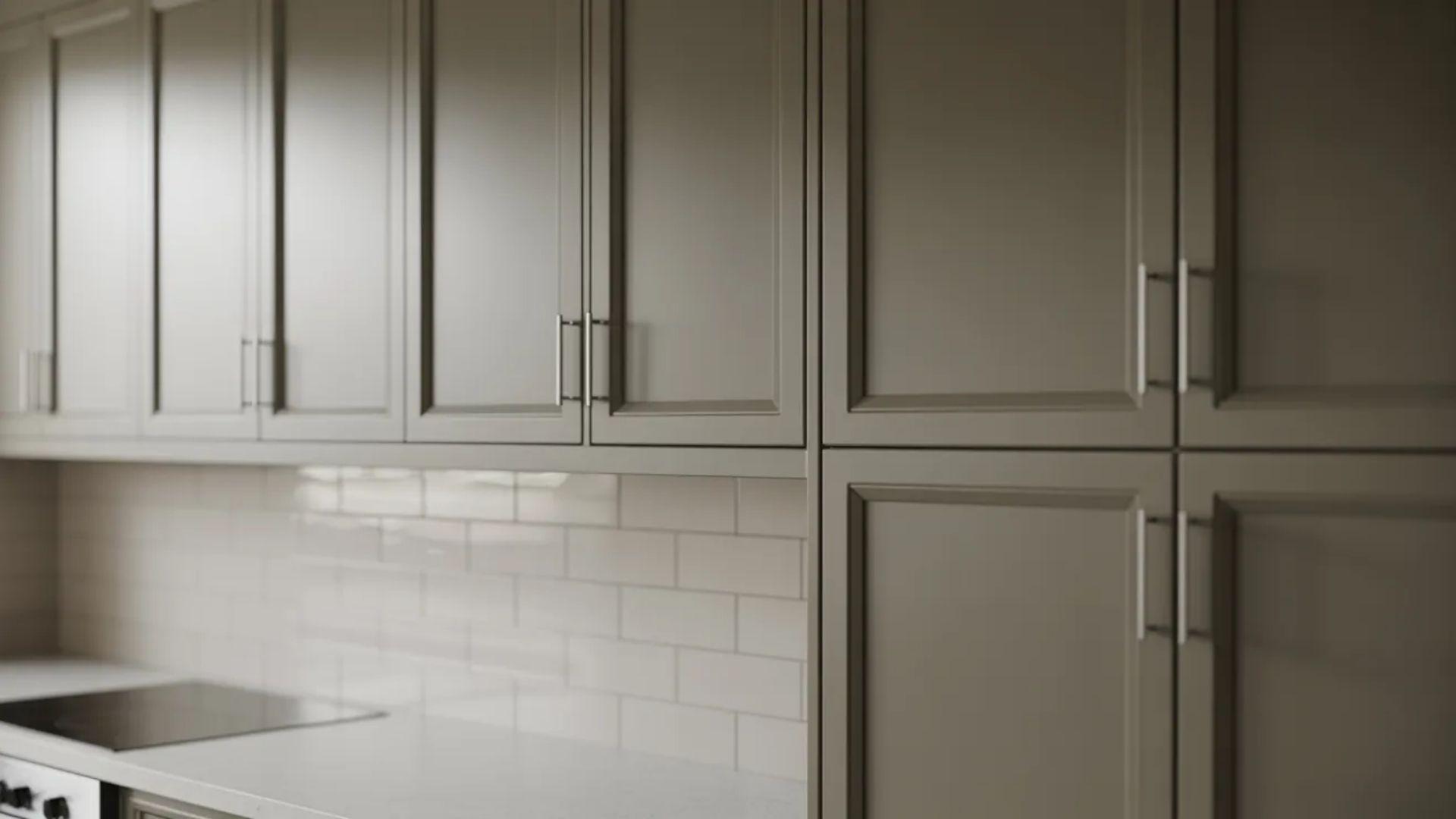
A monotone pairing uses two shades from the same color family. For example, light gray cabinet frames with darker gray doors create a soft contrast without strong color shifts.
This approach keeps cabinets visually calm while still showing clear separation between the frame and the door panels.
5. Bold Pop on Neutral
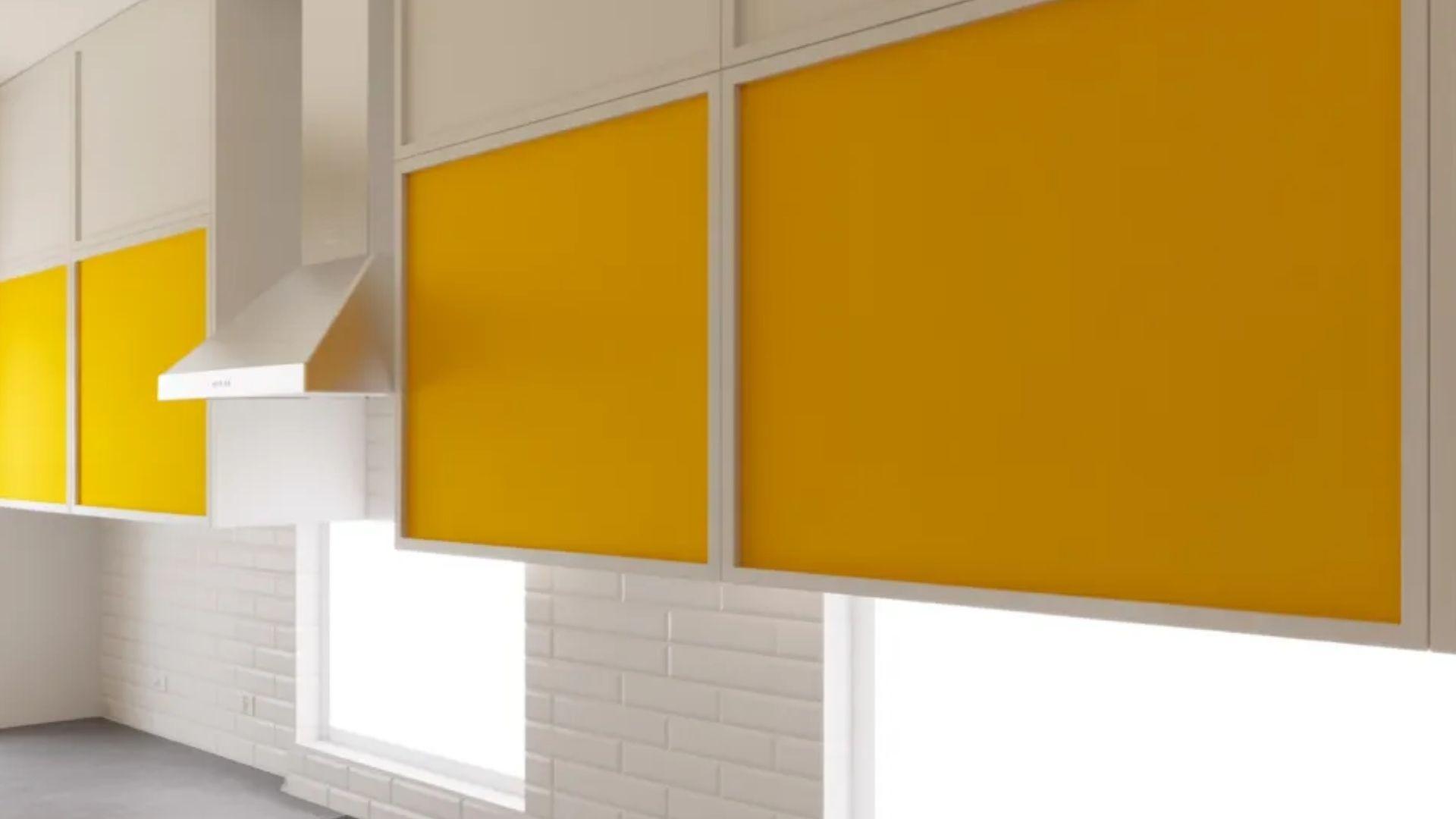
Neutral cabinet frames can act as a base that allows brighter doors to stand out. Frames in white or beige keep the cabinet structure light, while doors in yellow or teal add a focal area.
This pairing works best when only a few cabinet doors carry the brighter shade.
6. Two Shades of Blue
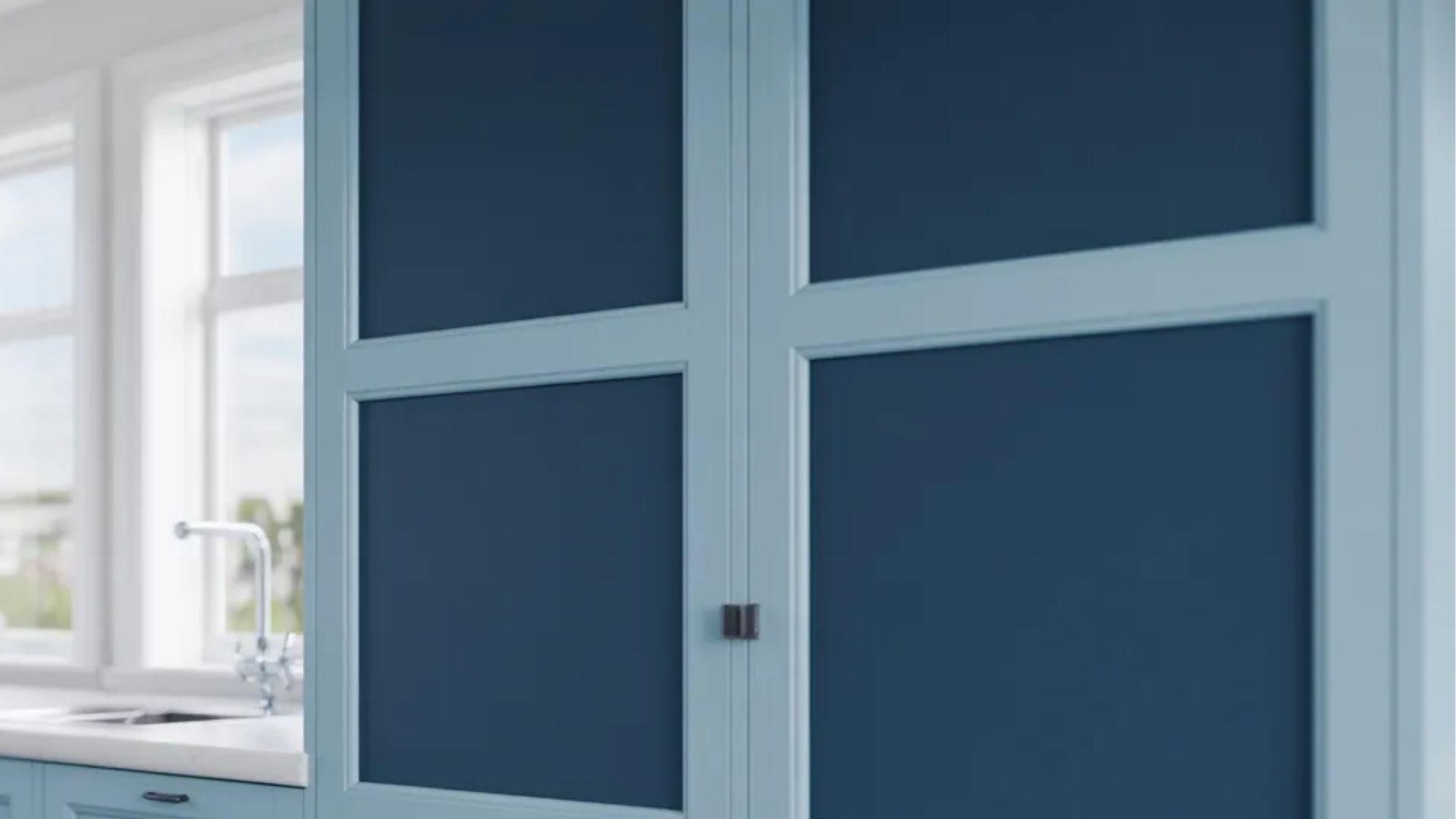
Using two blue tones creates contrast while keeping the palette consistent. Light blue cabinet frames provide a soft base, while navy doors give stronger depth.
This pairing works well in kitchens that use cool tones and want contrast without mixing many different colors.
7. White Upper, Colored Lower
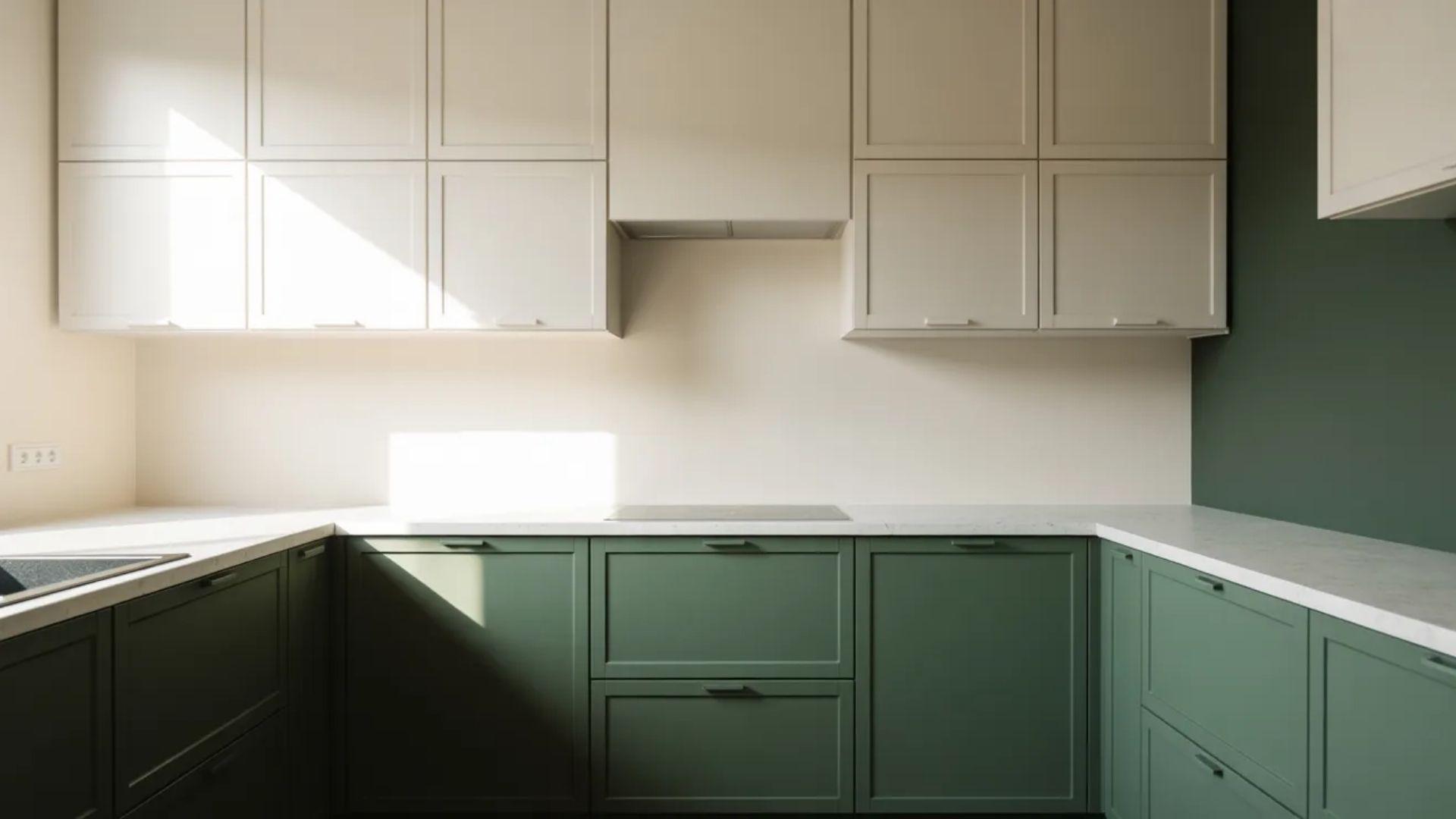
Many kitchens place lighter cabinets on top and darker tones below. White upper cabinets help reflect light and keep the room open, while lower cabinets in sage green, charcoal, or deep blue ground the layout.
This arrangement also helps balance the overall cabinet color weight.
8. Gray Frame + Wood Door
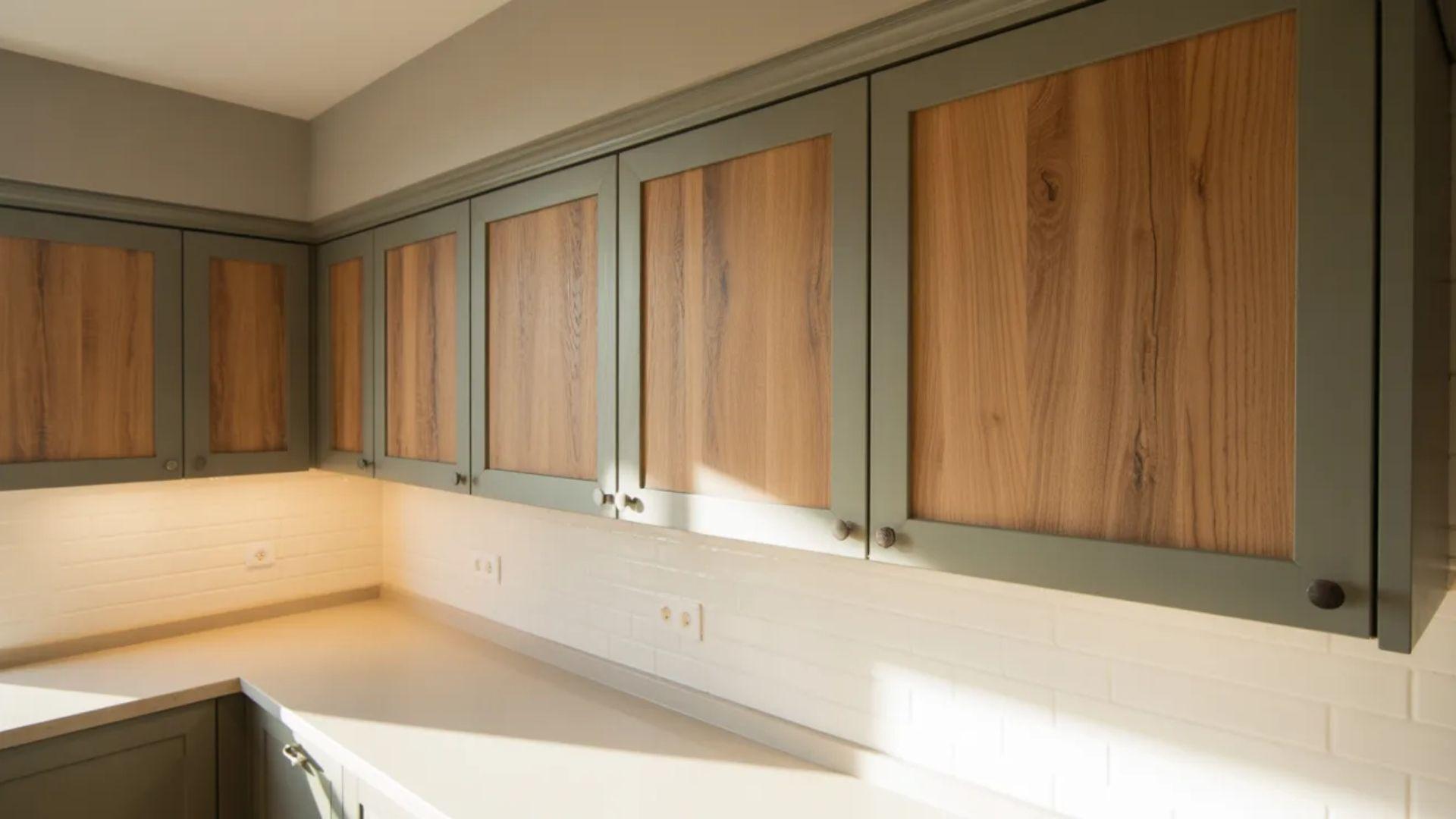
Gray cabinet frames provide a neutral base that pairs well with natural wood doors. Wood types such as oak, walnut, or maple bring visible grain and warmth.
The mix of painted frames and wood doors adds contrast while keeping the kitchen color palette simple.
9. Black and White Classic
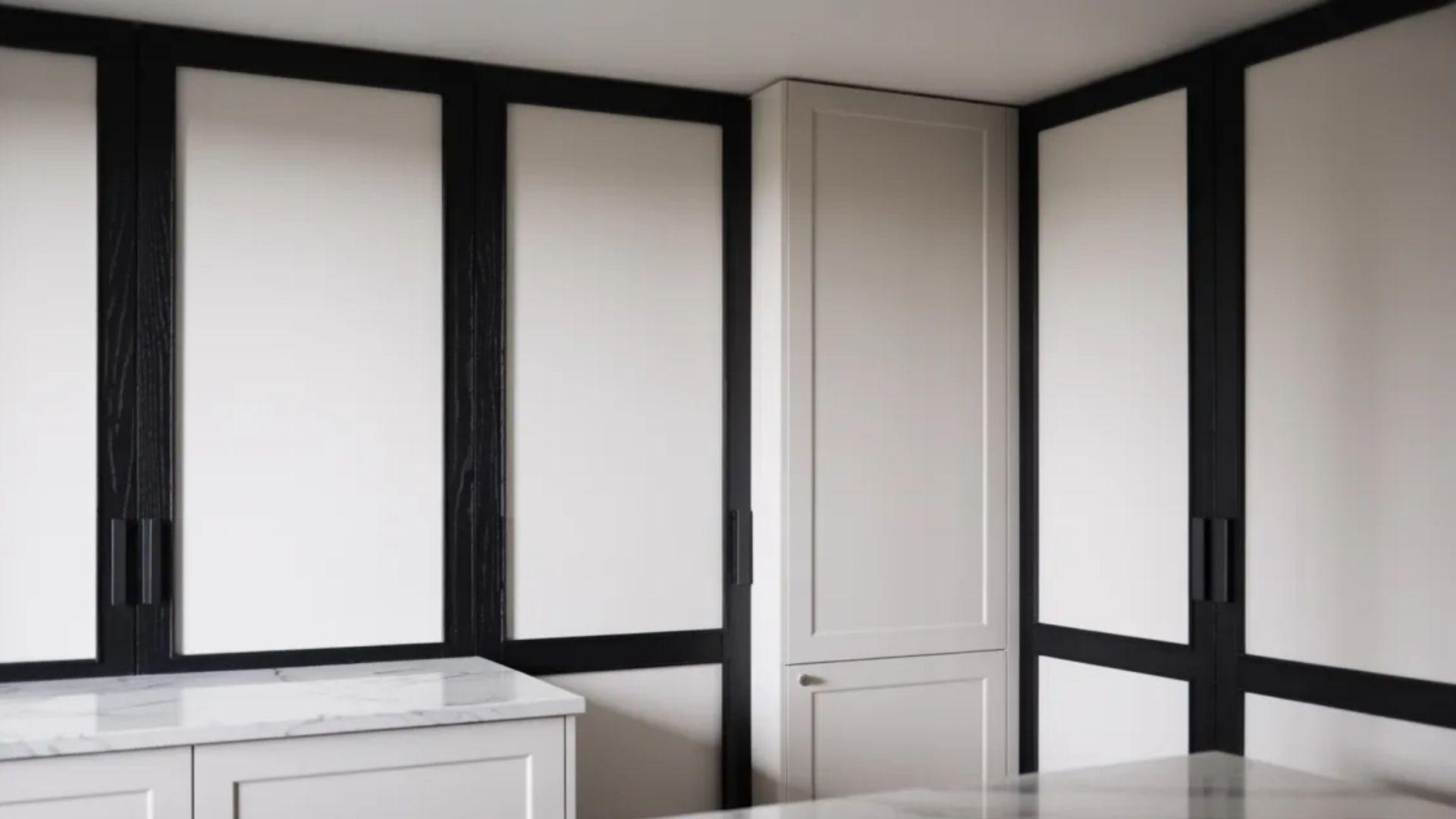
Black and white cabinets create one of the clearest color contrasts in kitchen design.
Black frames with white doors highlight each cabinet panel, while the reverse pairing offers a softer effect. This combination works in both modern kitchens and more traditional cabinet layouts.
10. Earth Tones Combo
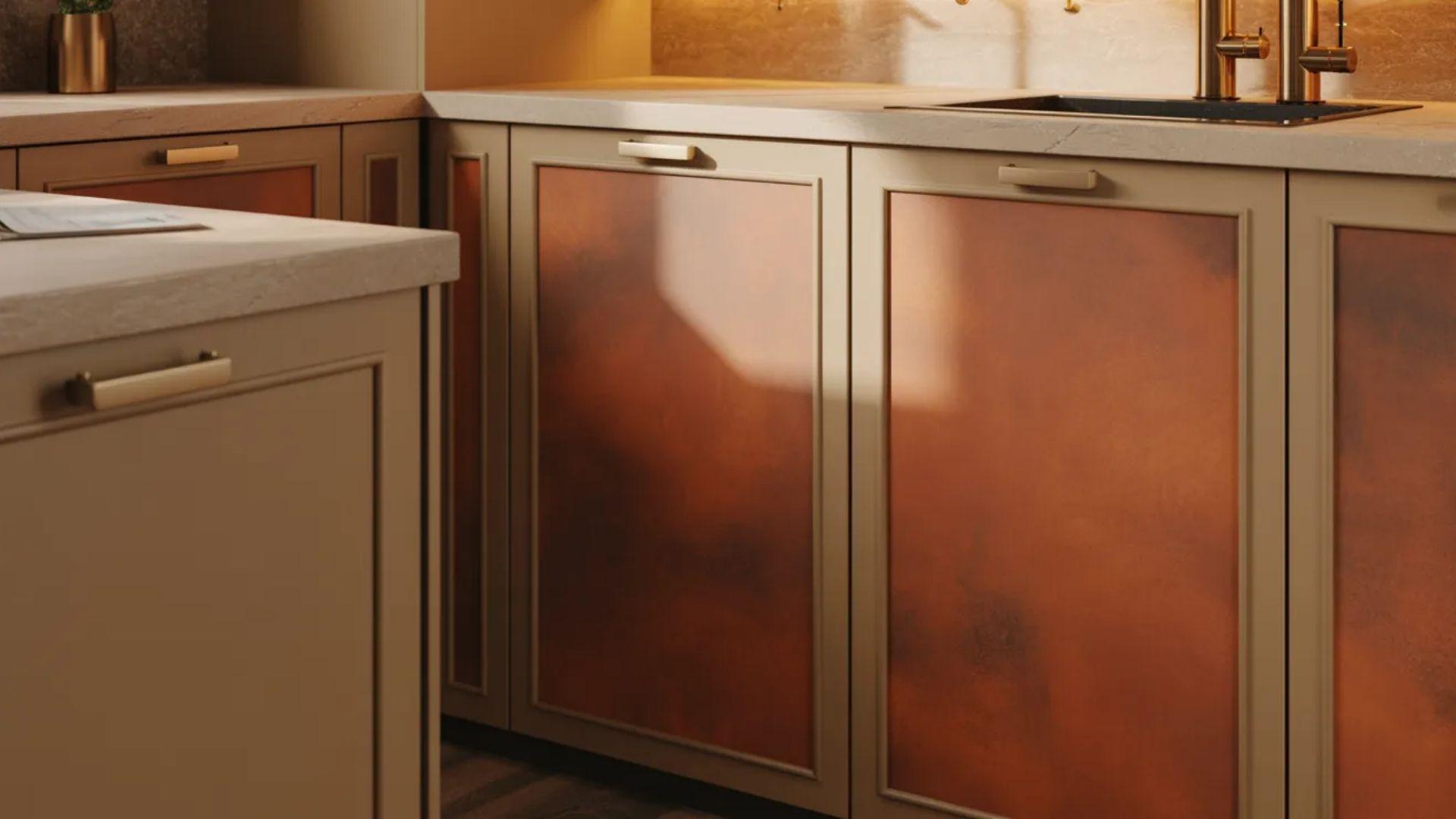
Earth tone cabinets use colors taken from natural materials. Frames in taupe or beige pair well with doors in terracotta or olive green.
The contrast remains soft while still separating the cabinet frame from the door, which helps the layout feel balanced and grounded.
11. Pastel Upper + Neutral Lower
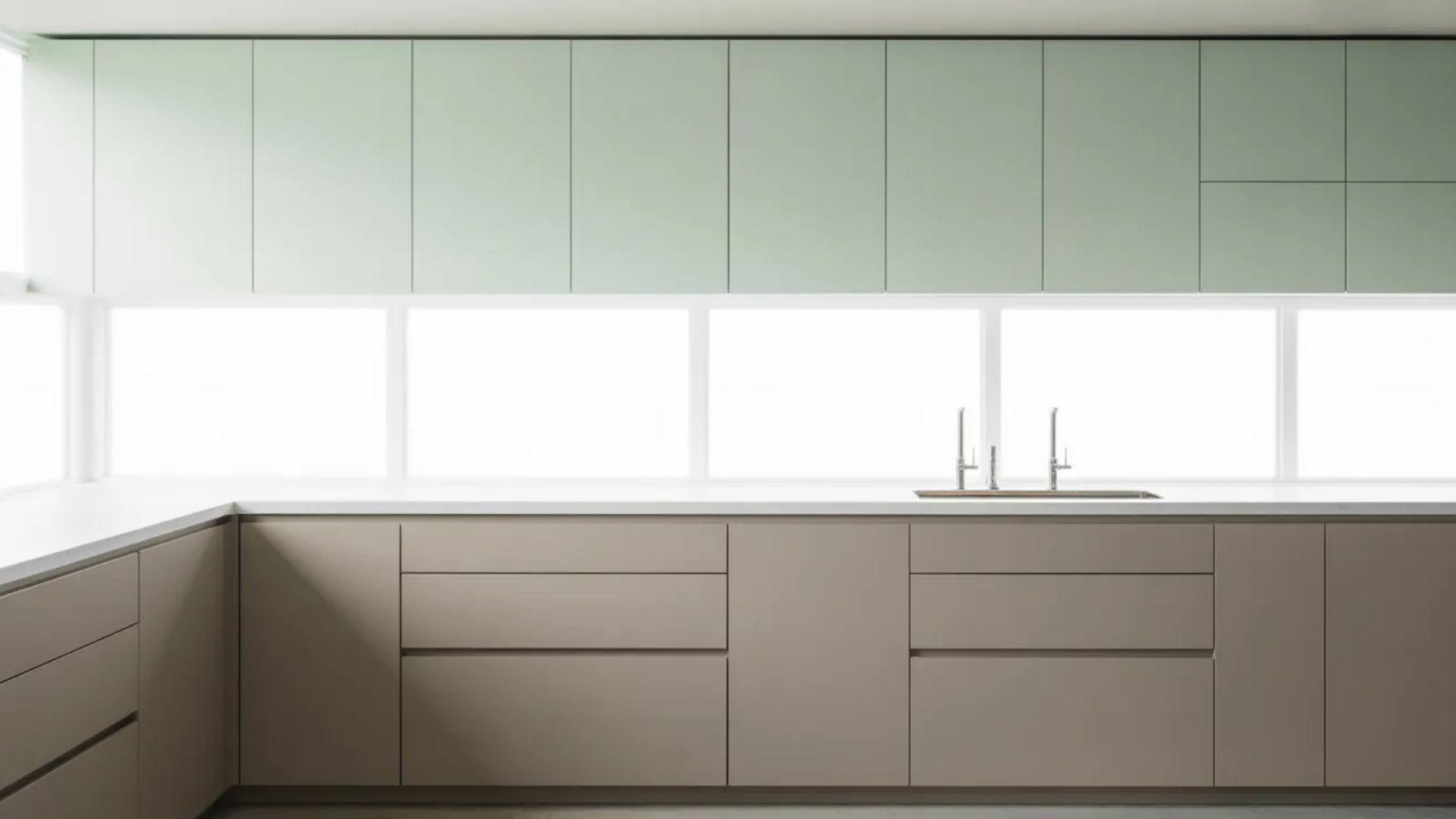
Pastel cabinet colors can work well when balanced with neutral lower cabinets.
Upper cabinets in mint, blush, or soft blue keep the space light, while lower cabinets in gray or white stabilize the layout. This pairing works best in kitchens with good natural light.
Step-by-Step Guide to Painting Two-Tone Cabinets
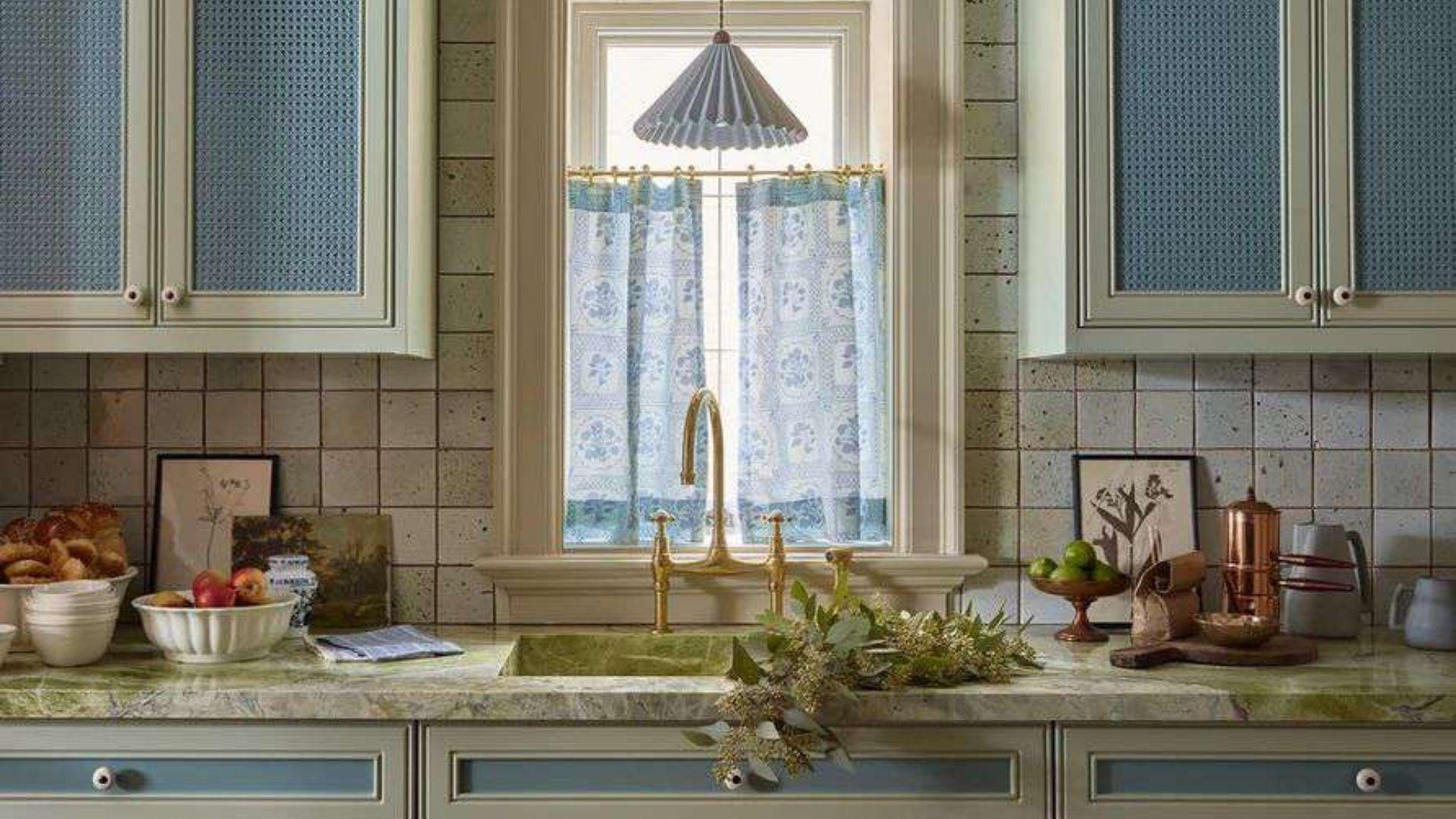
Painting cabinet doors and frames in different colors takes careful planning and preparation. Following a clear step process helps ensure the paint looks smooth and lasts for years.
1. Planning & Color Selection:
Start by checking your kitchen lighting, cabinet material, and overall color scheme. Choose two colors that work well together so the contrast looks balanced instead of overwhelming.
2. Preparation:
Remove cabinet doors, drawers, and hardware before painting. Label each piece so reassembly is simple. Clean and degrease all surfaces to remove grease, dust, and cooking residue.
3. Painting the Frames:
Lightly sand the cabinet frames to help the primer and paint stick better. Apply primer first, then paint the frame carefully to keep the edges clean and even.
4. Painting the Doors:
Sand and prime the cabinet doors before applying paint. Paint them in the chosen second color. Some people also paint the inner edges of the frame to match the doors for a cleaner look.
5. Hardware Considerations:
Cabinet handles and knobs should match the cabinet colors. Matte black, brushed gold, and bronze are common options that work well with many two-tone cabinet combinations.
6. Finishing Touches:
After the paint dries, apply a protective topcoat or sealer. Check the cabinets for uneven spots and add small touch-ups so the final result looks neat and consistent.
Following these steps helps create a clean and durable two-tone cabinet finish. With proper prep and careful painting, the color contrast will look neat and long lasting.
Tips for Achieving Perfect Balance
A two-tone cabinet layout looks best when the colors feel balanced across the kitchen. A few simple design tips can help keep the space organized and visually comfortable.
- Dark colors on lower cabinets and lighter colors on upper cabinets
- Cabinet shades that coordinate with countertops, walls, and flooring
- Testing paint samples on small cabinet areas before final painting
- Limiting the palette to two main cabinet colors to avoid visual clutter
These simple tips help keep two-tone cabinets balanced and visually clear in the kitchen.
Mistakes to Avoid
Small mistakes can affect how two-tone cabinets look and how long the paint lasts. The table below highlights common issues and simple ways to correct them.
| Mistake | Fix |
|---|---|
| Doors too dark with dark frames | Use a lighter frame or door color to balance the cabinet contrast |
| Ignoring preparation steps | Clean, sand, and prime surfaces before painting |
| Hardware that clashes with cabinet colors | Choose hardware that matches the cabinet color palette |
Avoiding these mistakes helps keep two-tone cabinets looking balanced and well finished.
Final Thoughts
In many kitchens I have worked on, two tone painting kitchen cabinet doors different color than frame can refresh cabinets without replacing them.
The right color pairing adds contrast while keeping the layout balanced. Careful prep, good paint finishes, and coordinated hardware help the cabinets look neat and last longer.
When light and dark shades are placed thoughtfully, the kitchen feels more open and structured.
Planning a cabinet repaint soon? Save these ideas so your color choices stay simple and well balanced!
Frequently Asked Questions
Can You Paint Cabinet Doors And Frames At Different Times?
Yes, frames are often painted first, followed by the doors later.
What Paint Finish Works Best For Two-Tone Cabinets?
Semi-gloss or satin finishes work well because they clean easily and resist moisture.
Do Two-Tone Cabinets Work In Small Kitchens?
Yes, especially when lighter shades are used on upper cabinets.
Should Cabinet Trim Match The Door Or The Frame Color?
Cabinet trim usually matches the frame color for a consistent look.
How Long Should Cabinet Paint Cure Before Reinstalling Doors?
About 24-48 hours for light handling and around 7 days for full curing.