

Painting baseboards sounds simple, but choosing the wrong paint leads to chipping, scuffing, and a finish that looks worn within months.
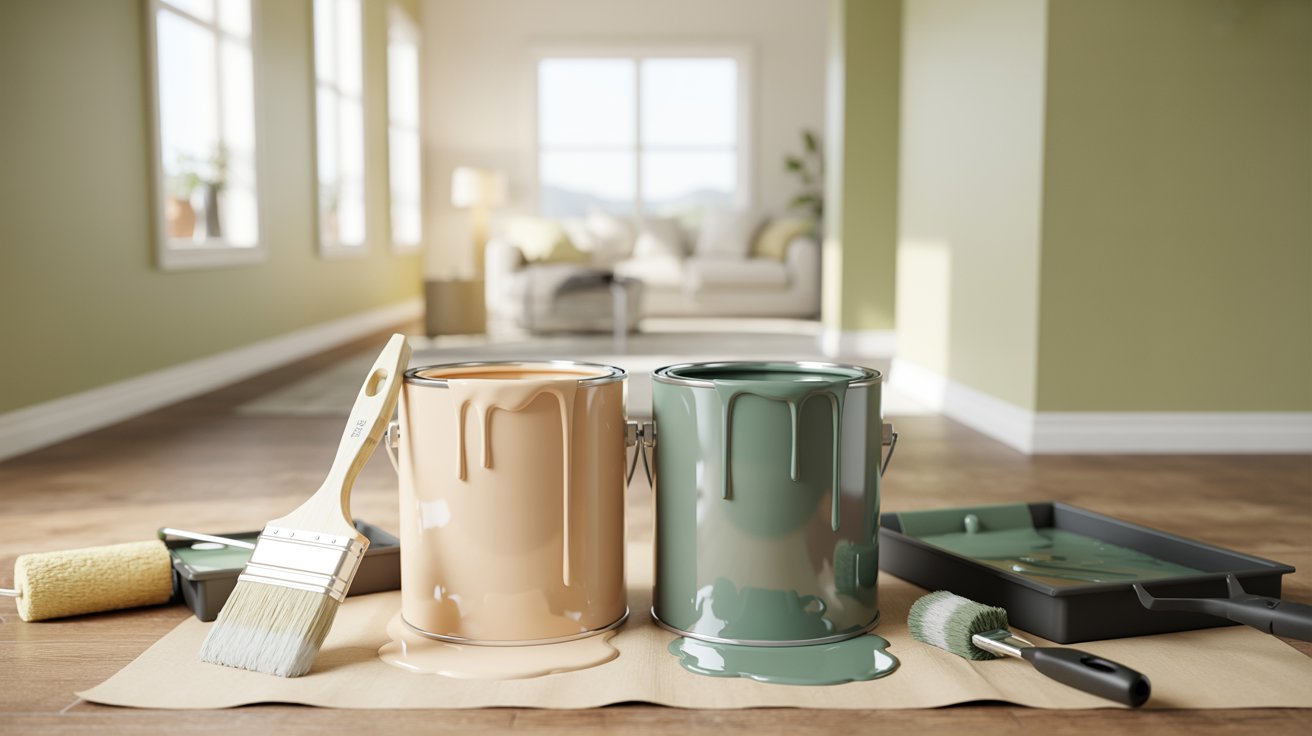
Most people grab whatever leftover wall paint they have, not realizing that baseboards need a harder, more durable formula to hold up to daily wear, cleaning, and foot traffic.
This article walks you through the best paint types, finishes, materials, and application steps so your baseboards stay looking sharp for years.
Having worked with different paint formulas across dozens of home projects, I know firsthand how much the right product matters.
If you have been wondering what type of paint for baseboards works best, this guide has everything you need.
What Type of Paint for Baseboards Is Best?

The paint type you choose affects how long your baseboards hold up, how easy they are to clean, and how sharp they look over time.
Water-Based Acrylic Enamel
Water-based acrylic enamel is the most popular choice for baseboards today. It dries fast, has a low odor, and cleans up with water.
Modern acrylic enamel formulas have improved significantly and now offer a hard, durable finish that resists scuffs and scratches.
They are easy to apply and work well on both primed wood and MDF.
Waterborne Alkyd Enamel
Waterborne alkyd paint combines the ease of a water-based product with the hardness of traditional oil-based paint.
It levels out well, meaning it leaves fewer brush marks. It takes a bit longer to dry than standard acrylic, but the finish is harder and smoother. This makes it a strong option for high-traffic areas.
Oil-Based Alkyd Paint
Oil-based alkyd paint was the standard for trim and baseboards for decades. It creates a very hard, durable finish that holds up well to cleaning.
However, it takes much longer to dry, has strong fumes, and requires mineral spirits for cleanup. It also tends to yellow over time, especially in low-light areas.
Which Paint Type Is Best for Most Homes?
For most homes, water-based acrylic enamel or waterborne alkyd enamel is the best choice.
They are durable, easy to work with, dry quickly, and do not yellow.
Oil-based paint works well in certain situations but is harder to use and takes longer to cure.
What Paint Finish Is Best for Baseboards?
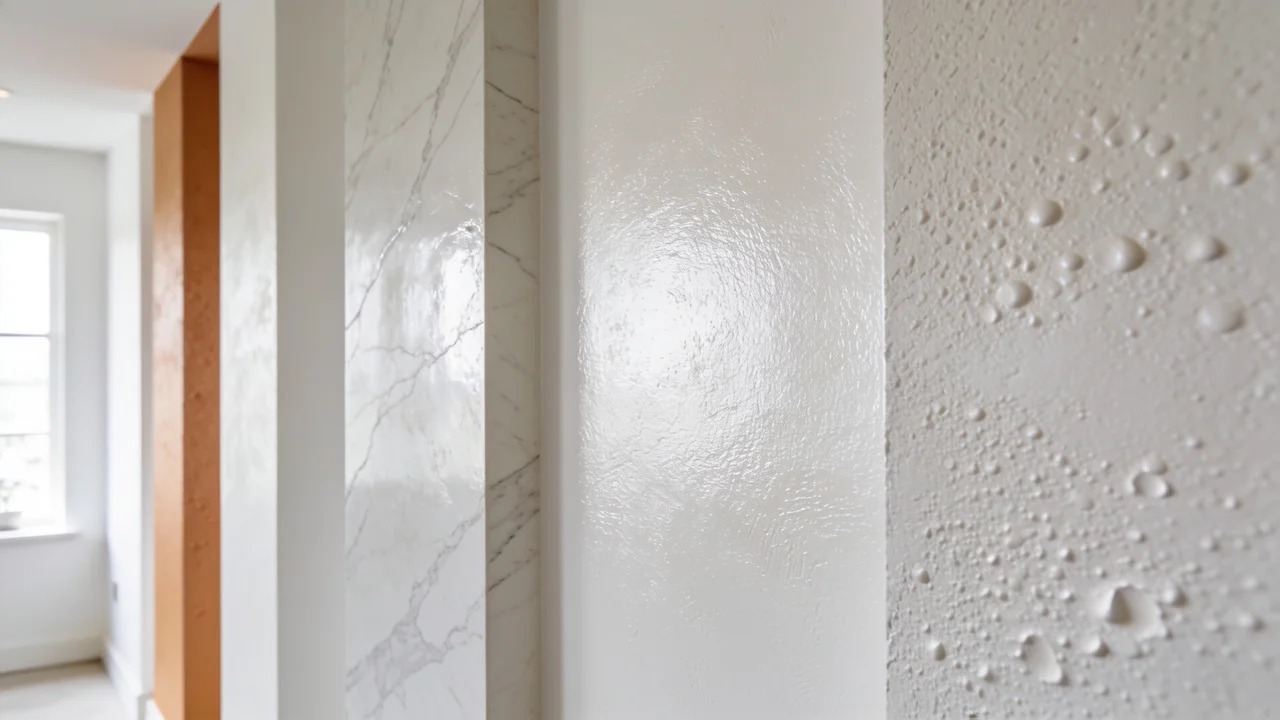
The sheen level you choose affects how well the paint holds up, how easy it is to clean, and how noticeable surface flaws are.
Semi-Gloss Paint for Baseboards
Semi-gloss is the most widely recommended finish for baseboards.
It reflects light well, holds up to regular cleaning, and is durable enough for high-traffic areas. It shows some imperfections but is far more forgiving than high-gloss.
Satin Paint for Baseboards
Satin finish sits between flat and semi-gloss. It has a soft sheen that hides surface flaws better than semi-gloss.
It is a good choice for baseboards in bedrooms or low-traffic areas where a softer look is preferred. It is slightly harder to clean than semi-gloss.
High-Gloss Paint for Baseboards
High-gloss paint creates the shiniest, hardest finish available.
It is extremely durable and easy to wipe clean. The downside is that it highlights every dent, scratch, and imperfection on the surface.
It works best on very smooth, well-prepared baseboards.
Satin vs. Semi-Gloss vs. High-Gloss
Semi-gloss is the best all-around finish for baseboards in most homes.
Satin works well where appearance matters more than durability. High-gloss is ideal for perfectly smooth baseboards that need maximum protection.
Most painting professionals default to semi-gloss because it balances durability, cleanability, and appearance well.
Water-Based vs. Oil-Based Paint for Baseboards
Knowing how these formulas compare helps you pick the right one for your specific situation.
| Factor | Water-Based Acrylic Enamel | Waterborne Alkyd | Oil-Based Paint |
| Drying Time | One to two hours | Four to six hours | Eight to twenty-four hours |
| Finish Hardness | Good, modern formulas are durable | Very hard and smooth | Very hard, industry standard |
| Brush Marks | Moderate | Low, levels out well | Low, levels out very well |
| Odor | Low, safe for indoor use | Low to moderate | Strong, needs ventilation |
| Cleanup | Soap and water | Soap and water | Mineral spirits required |
| Yellowing Over Time | No | No | Yes, especially in low light |
| Ease of Cleaning | Easy, damp cloth works well | Easy, damp cloth works well | Good once fully cured |
| Curing Time | Few days | Few days | Several weeks |
| Best For | Most indoor baseboards | High-traffic and trim work | Older homes, existing oil-based surfaces |
| Over Existing Oil-Based Paint | Needs bonding primer | Needs bonding primer | Bonds well without primer |
Do You Need a Primer Before Painting Baseboards?
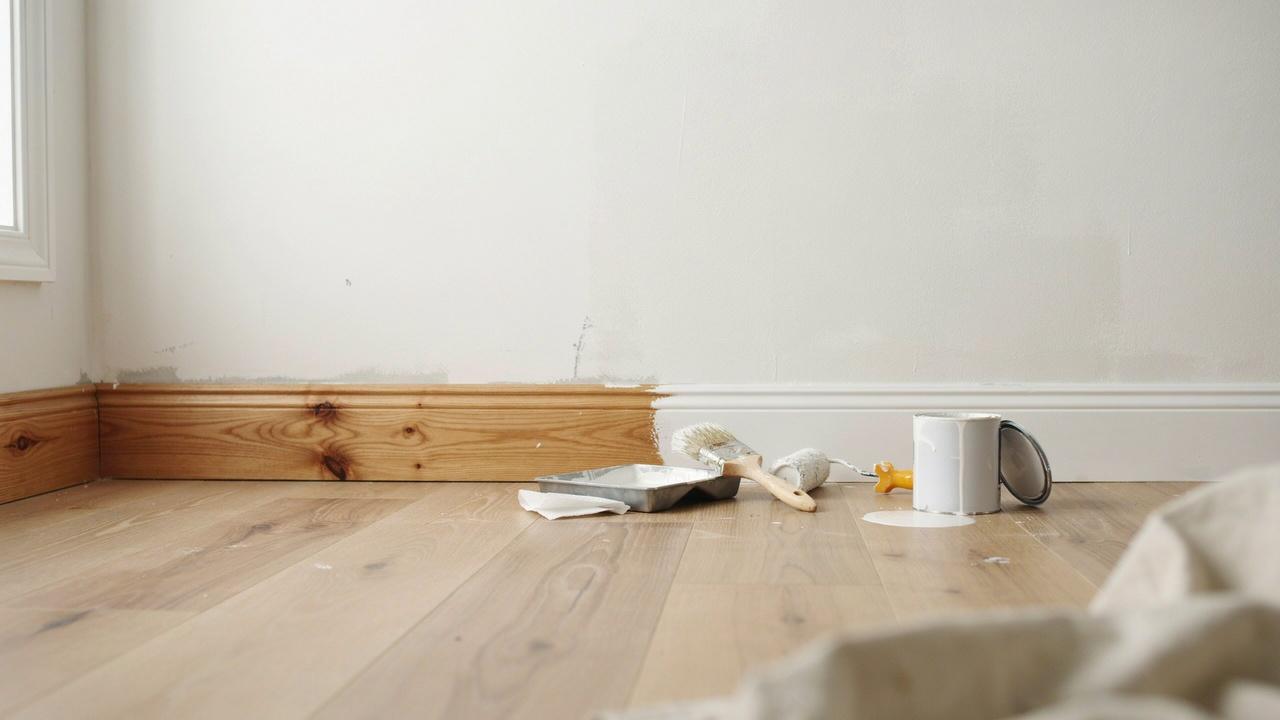
Yes, in most cases you do need primer before painting baseboards.
Primer improves adhesion, prevents stains from bleeding through, and helps the topcoat cover evenly.
If you are painting bare wood, fresh MDF, or switching from oil-based to water-based paint, primer is not optional.
Skipping it often leads to peeling, uneven coverage, or a finish that wears down quickly.
You may be able to skip primer on previously painted baseboards that are in good condition if you are using the same type of paint and the color difference is minimal.
But even then, a light coat of primer improves the result.
How Do You Choose the Best Paint for Baseboards?

Picking the right paint depends on several factors specific to your home and the room where the baseboards are located.
Choose Based on Durability
If you need a finish that stands up to heavy use, choose waterborne alkyd or oil-based paint.
These formulas cure harder than standard acrylic and hold up better in areas where baseboards take a beating.
Choose Based on Washability
Semi-gloss and high-gloss finishes are the easiest to wipe clean.
If your baseboards are in a room where spills or muddy shoes are common, choose a higher sheen level and a paint formula rated for trim and cabinetry.
Choose Based on Room Traffic
High-traffic rooms like hallways, kitchens, and entryways need tougher paint. Low-traffic rooms like bedrooms or home offices can handle a satin finish without any problems.
Choose Based on Moisture Exposure
Bathrooms and laundry rooms have higher humidity. Use a semi-gloss or high-gloss finish in these spaces to resist moisture better.
Water-based enamel or waterborne alkyd both hold up well in humid conditions.
Choose Based on the Existing Paint
Always identify what type of paint is already on your baseboards before you start.
If the existing paint is oil-based, use oil-based paint or apply a bonding primer before switching to water-based.
Using incompatible formulas without proper preparation causes adhesion failure.
What Color Should Baseboards Be?

Color is a personal choice, but some options are more practical and widely used than others.
Are White Baseboards Still the Best Choice?
White and off-white baseboards remain the most popular choice across all home styles.
They provide a clean contrast to the floor and wall and work with almost any room color.
Bright white gives a crisp look, while warm white tones down the contrast for a softer appearance.
Should Baseboards Match the Walls?
Matching baseboards to the wall color creates a seamless, continuous look that works well in modern and minimalist spaces.
It can also make a room feel larger. However, it does require more careful cutting in along the floor to avoid overlapping onto hard surfaces.
Should Baseboards Match Doors and Other Trim?
In most homes, baseboards, door frames, and window casings are all painted the same color. This creates a consistent look that ties the room together.
Matching all trim pieces is the safest and most common approach for traditional and transitional interiors.
Can You Use Dark or Colored Paint on Baseboards?
Yes. Dark or colored baseboards have become more popular in recent years.
Charcoal, navy, forest green, and black baseboards can add strong visual contrast, especially against light-colored walls and floors.
The key is making sure the paint formula is still a trim-grade enamel, not a flat wall paint.
How Do You Paint Baseboards for a Smooth, Durable Finish?
Good results come from preparation and patience, not just the paint itself.
Start by cleaning the baseboards with a degreaser or mild soap to remove dust, grease, and residue.
Let them dry completely. Sand any rough spots with 120- or 150-grit sandpaper and wipe away the dust with a tack cloth.
Apply painter's tape along the top edge of the baseboard where it meets the wall and along the floor. This keeps your lines clean and your floors protected.
Apply a coat of primer if the surface is bare, previously oil-painted, or heavily stained. Let the primer dry fully before moving on.
Use a quality angled brush for cutting in edges and corners. Apply thin coats, working with the grain on wood or in smooth, even strokes on MDF and PVC. Do not overload the brush.
Let the first coat dry completely before applying the second. Most trim paints need at least two coats for full coverage and durability.
Once the final coat is on, leave the baseboards to cure fully before cleaning or touching them. This usually takes at least a week even if the paint feels dry to the touch.
What Are the Most Common Baseboard Painting Mistakes?
Avoiding these mistakes will save you from having to redo the work later.
- Using flat or matte wall paint leaves baseboards vulnerable to scuffs and stains since it is not durable enough for trim surfaces
- Skipping surface preparation like cleaning, sanding, and priming is one of the biggest causes of paint failure on baseboards
- Painting over dirt, dust, or grease prevents the paint from bonding properly and leads to peeling over time
- Applying coats too thickly causes drips, sagging, and cracking once the paint cures, so always go thin and build up gradually
- Ignoring drying and curing time by cleaning or placing furniture too soon can damage the finish before it fully hardens
- Choosing high-gloss paint on imperfect trim highlights every dent and scratch, so opt for semi-gloss or satin on flawed surfaces
How Do You Keep Painted Baseboards Looking Good?

A little regular care goes a long way in keeping your baseboards looking sharp.
How to Clean Painted Baseboards
Wipe baseboards down with a damp cloth or sponge regularly to prevent dust and grime from building up.
For tougher marks, use a mild soap solution and gently scrub. Avoid harsh cleaners or abrasive pads that can scratch or dull the finish.
How to Prevent Scuffs and Scratches
Place furniture pads on items that sit close to the wall. Vacuum carefully near baseboards to avoid hitting them with attachments.
In hallways and high-traffic areas, a harder finish like semi-gloss or waterborne alkyd will resist scuffs better than softer formulas.
How to Touch Up Chipped Baseboard Paint
Lightly sand the chipped area until smooth. Wipe away the dust, apply a thin coat of matching paint, and let it dry.
For a seamless result, feather the edges of the repair into the surrounding painted surface. Using the same paint batch helps the color match closely.
When to Repaint Baseboards
Most baseboards need repainting every five to seven years depending on traffic and wear.
If the paint starts peeling, yellowing, or showing deep scratches that cannot be touched up, it is time for a full repaint.
What Is the Best Paint for Baseboards Overall?
If you want one clear answer, go with a water-based acrylic enamel or waterborne alkyd in a semi-gloss finish.
This combination gives you a hard, durable surface that holds up to cleaning and daily wear. It dries quickly, does not yellow, and is easy to apply.
For very smooth baseboards or high-moisture rooms, a high-gloss finish can be a good upgrade. For low-traffic spaces, satin works well.
Always prime before you paint, especially on bare wood, MDF, or previously oil-painted surfaces.
And take the time to prepare the surface properly. The paint type matters, but the preparation is what makes the finish last.
Conclusion
Choosing the right paint for baseboards does not have to be complicated.
Semi-gloss water-based acrylic enamel or waterborne alkyd gives most homeowners the durability, cleanability, and smooth finish they need.
Prep the surface well, apply thin coats, and give the paint time to cure. Those three steps make more difference than the brand you buy.
Now that you know what type of paint for baseboards works best, go ahead and get that project started.
If this helped, drop a comment below, share it with someone redoing their trim, or check out our related guides on painting trim and touch-up techniques.
Frequently Asked Questions
Can I use leftover wall paint on baseboards?
Wall paint is not durable enough for baseboards. It scuffs and marks easily. Always use a trim-grade enamel specifically made for high-contact surfaces.
How long should I wait between coats when painting baseboards?
Wait at least two to four hours between water-based coats. Oil-based paint needs eight to twenty-four hours. Always check the label for exact times.
Do I need to sand baseboards between coats?
A light sand with 220-grit sandpaper between coats improves smoothness and helps the next coat bond better. Wipe away dust before applying the next layer.
Can I spray paint baseboards instead of brushing?
Yes, spraying gives a very smooth finish. It requires proper masking and surface prep. Brushing is easier for most DIYers and still gives great results with quality tools.
Is one coat of paint enough for baseboards?
One coat is rarely enough. Two coats give better coverage, depth of color, and durability. Some colors or dark-over-light situations may need three coats.